


To survive a felony traffic stop with multiple firearms aimed at your chest is a profound, life-altering trauma. To experience that exact same militarized assault a second time, just days later, at the hands of the exact same police department? That is not an oversight. That is state-sanctioned psychological torture, orchestrated by an automated surveillance network that shoots first and checks its data later.
In a staggering display of systemic incompetence and unchecked aggression, Amber Newell was pulled over and held at gunpoint by police for the second time in a single week. The catalyst for this near-fatal sequel? Milwaukee Police simply “forgot” to cancel an automated alert in their system. The digital tripwire was left active, and the heavily armed enforcement apparatus executed the same violent response twice—first by MPD, then by Brookfield PD on I-94 after a Flock camera re-triggered the outdated homicide flag.
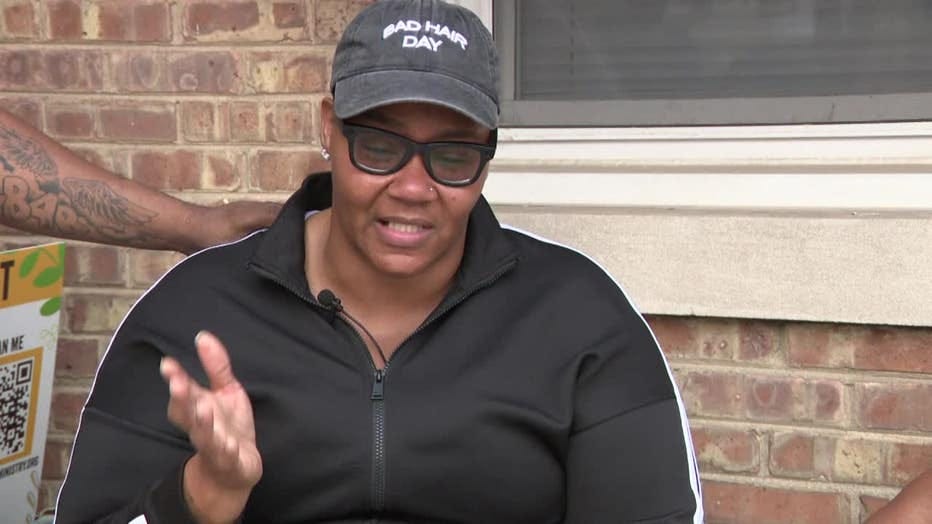
Flock system mix-up, Brookfield traffic stop of wrong person | FOX6 Milwaukee
The “Data Handling” Lie
In the aftermath of nearly executing an innocent civilian on two separate occasions, law enforcement has predictably gone on the defensive. They are furiously attempting to untangle their department from their corporate tech partners, claiming this terrifying incident is strictly a “data handling” error and not a failure of the Flock mass surveillance camera system.
This is a deliberate, insulting deflection.
By categorizing a gun-drawn felony stop as a mere clerical error, the police are trying to normalize the terrifying reality of their infrastructure. A bad data entry on a spreadsheet does not draw a Glock and aim it at a woman’s head. The automated, frictionless dragnet of the Flock system does.
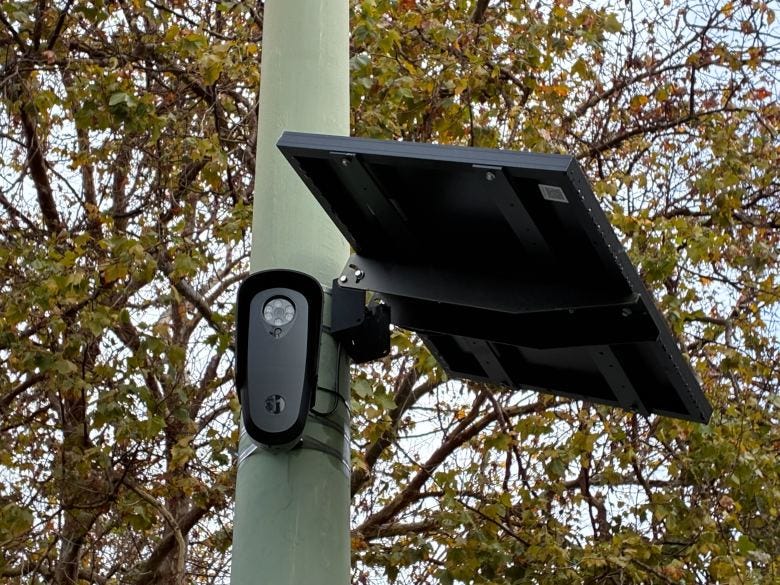
Automating the Escalation of Force
We know the truth: these types of aggressive, high-risk police stops are not isolated incidents. More importantly, they fundamentally would not be happening at this scale without the Flock system automating suspicion.
Flock does not just read license plates; it accelerates the escalation of force. It removes the human element of verification and replaces it with an algorithmic trigger designed to instantly dispatch armed officers. When a policing system is built entirely around unquestioned, automated pings, “bad data” inevitably translates to drawn weapons. The technology turns everyday citizens into targets of state violence before a human officer has even assessed the situation.
The terror of the second stop perfectly encapsulates the broken nature of this system. Imagine the sheer panic of seeing those flashing lights again, knowing exactly how close you came to dying just days prior, only to have the same screaming officers point the same weapons at you because someone sitting at a desk forgot to hit ‘delete’. It highlights a terrifying reality: to the surveillance state, you are not a human being; you are just an uncleared notification.
Apologies Are Worthless. Sue Them.
The victim in this horrifying case has stated she is looking for an explanation and an apology. Her desire for basic human decency and closure is entirely valid—but an apology is completely worthless when dealing with an automated apparatus of violence.
She should not be asking for an apology. She should be suing the police department into the ground.

When a system is designed to manufacture high-risk, potentially lethal encounters out of administrative errors, apologies do not change the infrastructure. The police will not self-correct, and the corporations supplying the cameras will not audit their own moral failings.
The only way to force accountability onto a system that prioritizes mass surveillance over civil liberties is to make the financial liability cost more than the technology contracts themselves. Until these departments are bled dry in civil court for the trauma their unchecked networks cause, the cameras will keep rolling, the alerts will keep pinging, and the guns will stay drawn.


