

After years of delays—and mounting public scrutiny following deadly encounters—U.S. Immigration and Customs Enforcement (ICE) is moving to equip its field officers nationwide with body-worn cameras.
In July, the agency spent more than $30 million purchasing camera equipment from Axon, with officials pledging that all field officers will be outfitted by the end of September. But while body cameras are widely viewed as a tool for transparency, the agency’s governing policy reveals a significant caveat: ICE retains broad discretion to withhold footage, releasing video to the public only when it determines doing so is in the “best interests of the agency.”
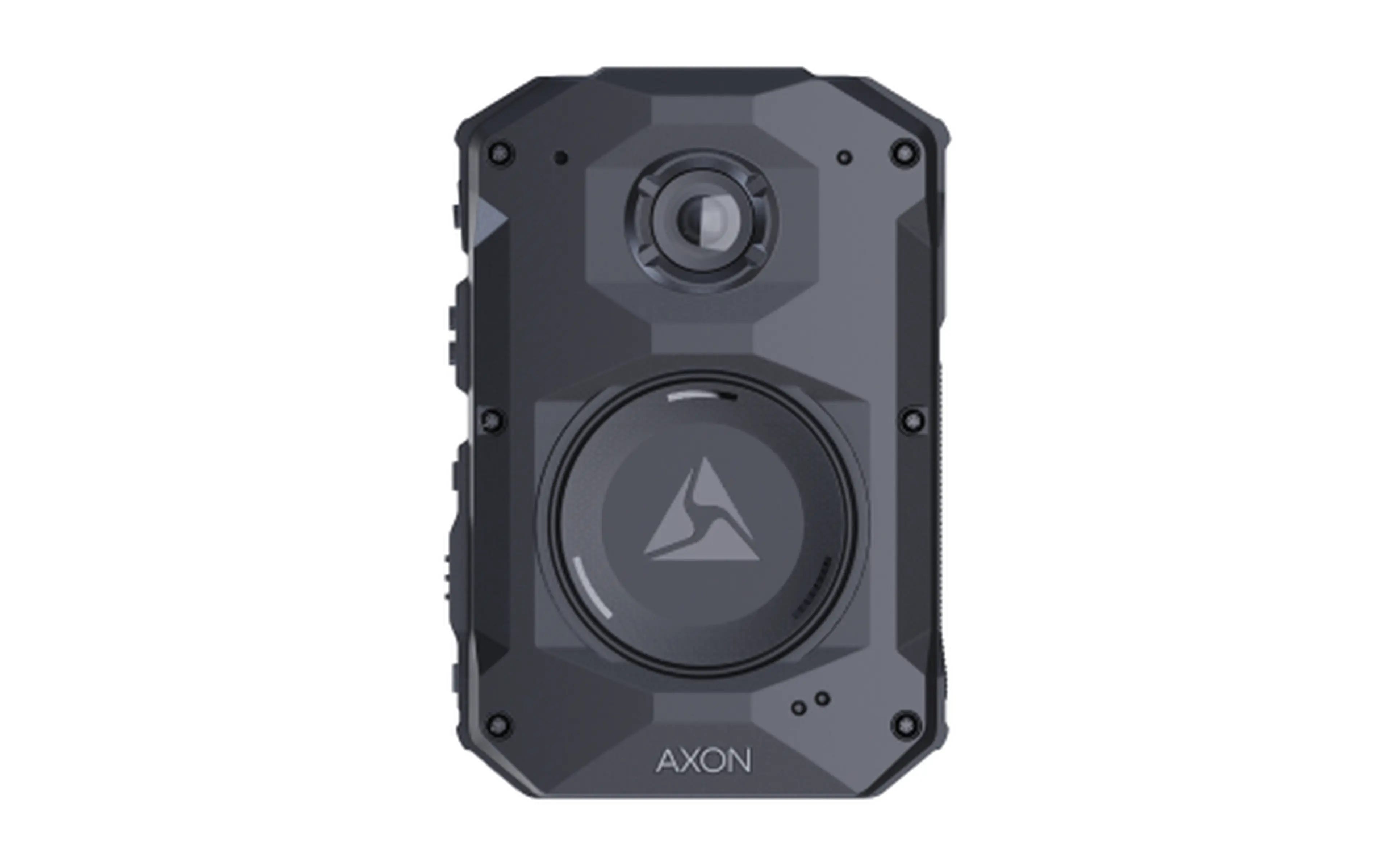
Axon Product Catalog - Axon.com
An Axon body-worn camera — the model ICE purchased in a $30+ million July 2026 contract.
1. A Policy Built on Discretion
According to ICE’s body camera policy, officers are required to activate their cameras during routine enforcement activities, including search warrants, arrests, and emergency responses. However, capturing the footage is only half of the equation; releasing it is another matter entirely.
Under the agency’s framework:
The Review Process: Following a critical incident—such as a shooting or serious use of force—a special committee comprising top agency administrators and lawyers reviews the recording.
The “Best Interests” Standard: The committee evaluates whether making the video public serves the “best interests of the agency.” While approved footage can be released within 72 hours, the policy provides the ICE Director with sweeping authority to delay or block releases if “specific and compelling circumstances” justify withholding the video.
Mandatory Redactionsations: Even when footage is cleared for public release, ICE policy mandates the blurring or redaction of all identifying features of its personnel—including faces, names, and badge numbers—to protect officer privacy.
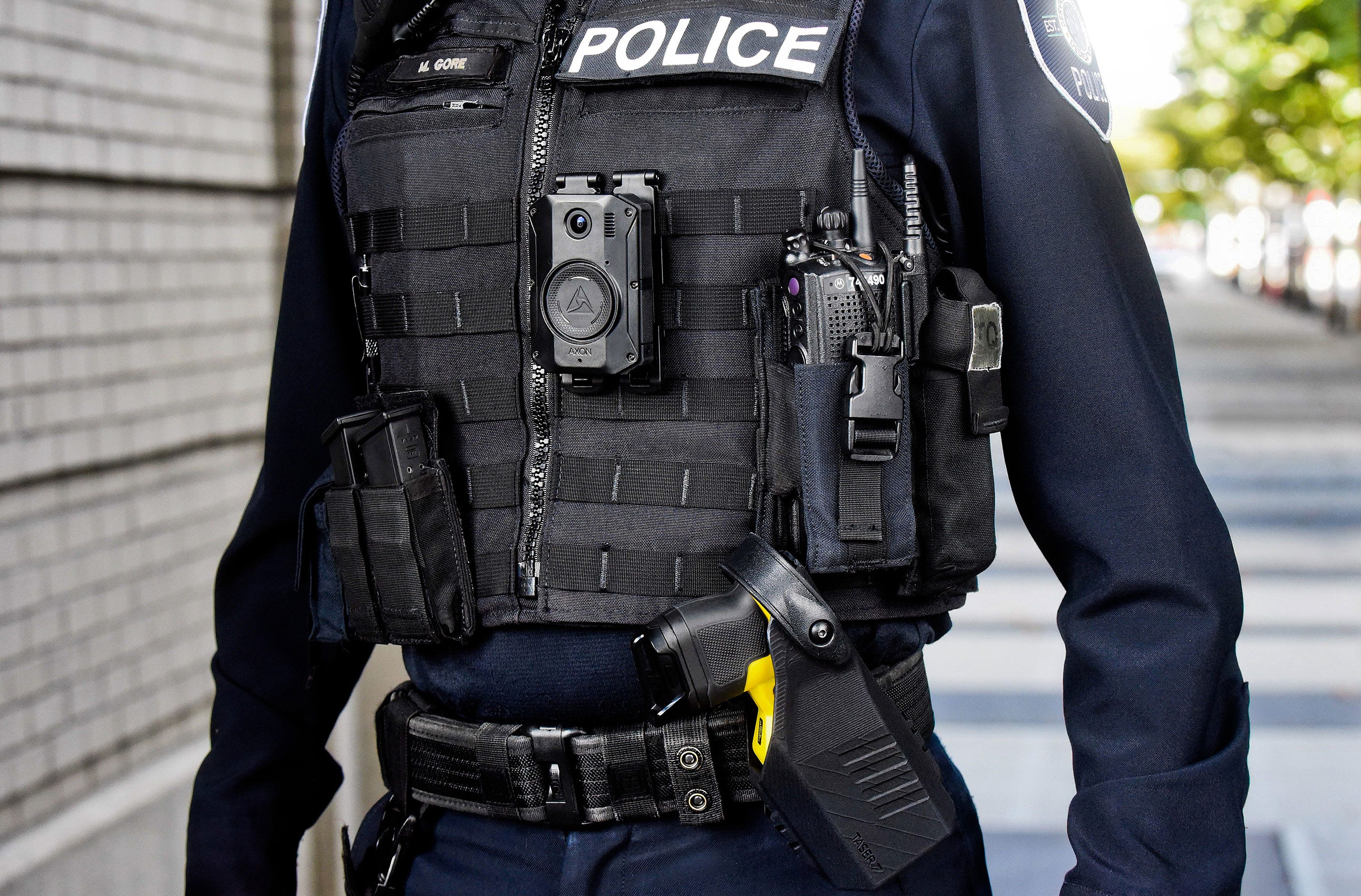
Cincinnati Police Among First To Get New Next Generation Body Cameras | WVXU
Axon body camera mounted on an officer’s vest — the same type of equipment now being rolled out to ICE field teams.
2. Transparency vs. “Image Work”
For accountability advocates and law enforcement scholars, the “best interests” clause raises immediate red flags. Critics argue that such broad discretion transforms body cameras from independent accountability tools into curated public relations instruments.
Christopher Schneider, a leading sociologist and expert on police body-worn camera usage, notes that selective release policies allow agencies to shape public perception by default.
“In some ways, ICE is saying the quiet part out loud,” Schneider observed regarding the policy. “Body-worn cameras are being used as contemporary image-work tools to present the police to the public in the most favorable way possible.”
Schneider points out that agencies with this level of discretion are incentivized to swiftly release footage that portrays officers courageously or validates enforcement narratives, while shielding video that captures misconduct, excessive force, or operational failures—footage that could “cause problems for the brand.”
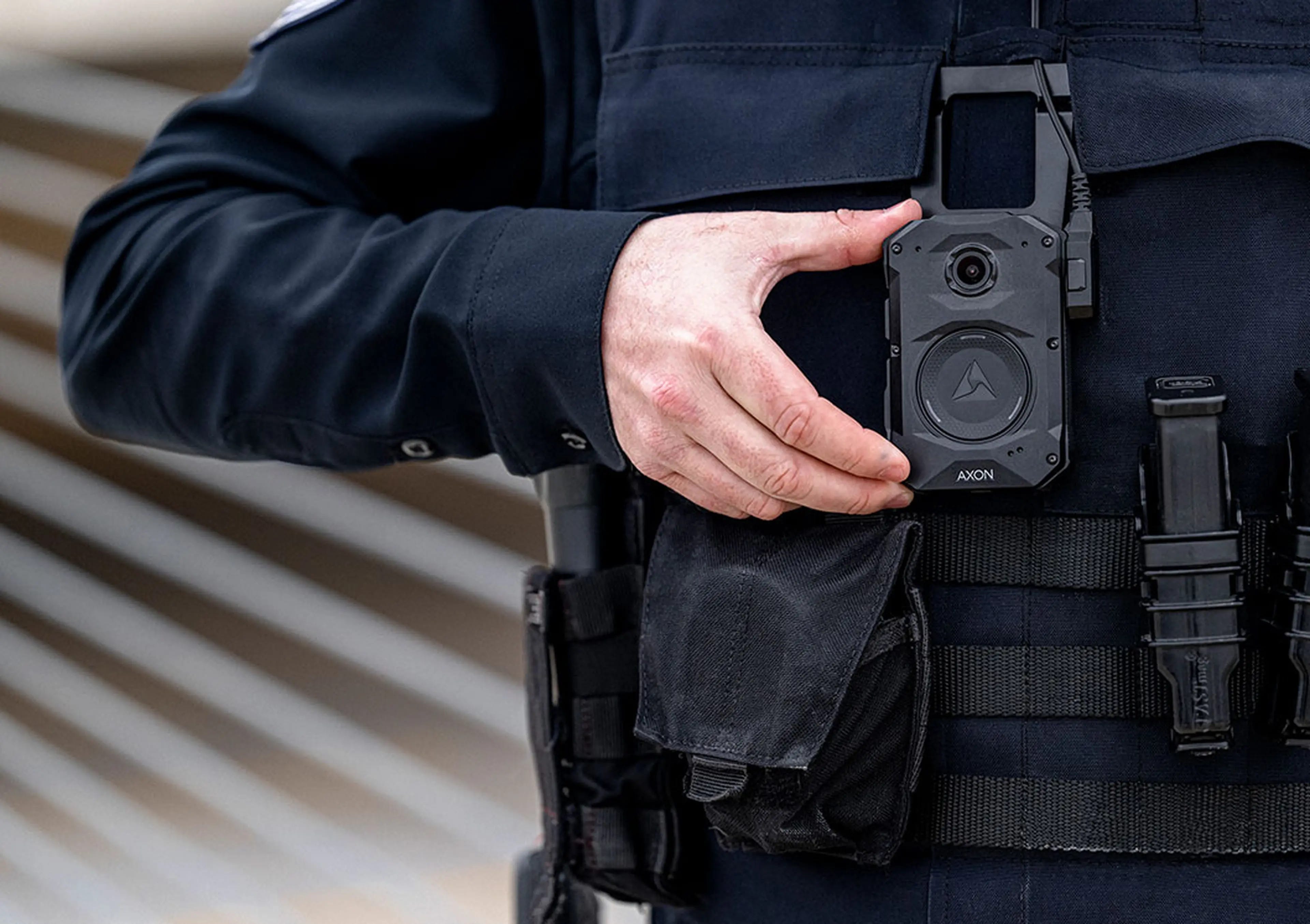
How Axon Body Cameras bridge the gap between technology and human perception - Axon.com
Close-up of an Axon body camera being handled by an officer.
3. A Track Record of Withholding
Concerns over ICE’s selective transparency are reinforced by the behavior of its sister agency under the Department of Homeland Security: Customs and Border Protection (CBP).
Despite having body cameras deployed in the field, CBP has faced sharp criticism for refusing to release footage of controversial, high-profile incidents—most notably the January shooting of Alex Pretti in Minneapolis. Although the fatal encounter was recorded on agents’ cameras, leadership withheld the video from the public, citing ongoing investigations and stating it would only be released “when appropriate.”
Without clear, independent timelines mandating public release—such as those used by civilian watchdog agencies in cities like Chicago, which routinely release critical incident video within 60 days—experts warn ICE’s policy will follow a similar pattern.
A sweeping new ICE operation shows how Trump’s focus on immigration is reshaping federal law enforcement
Federal agents in tactical gear during an immigration enforcement operation.
4. The Road Ahead
The $30 million nationwide rollout marks a pivotal operational shift for an agency that has historically resisted electronic oversight. For years, ICE lagged behind local and state police departments in adopting body-worn technology, only launching small-scale pilot programs after congressional intervention.
Now, as thousands of newly outfitted agents hit the streets, the true test of the program won’t be whether the cameras are turned on—it will be whether the public is ever allowed to see what they record when things go wrong.
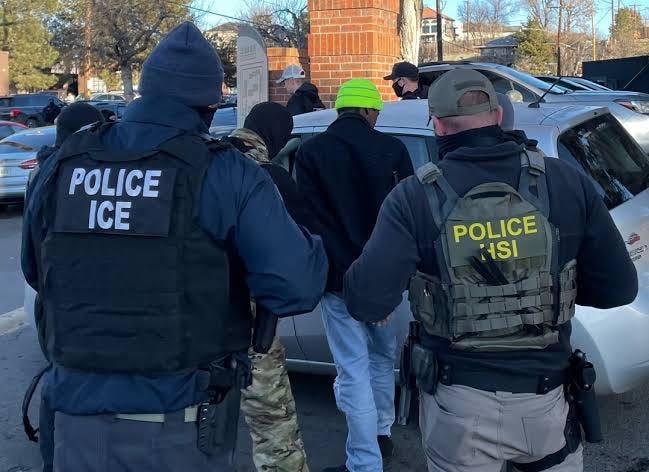
ICE agents conduct operations in multiple Denver, Aurora locations | Colorado Newsline
ICE and HSI agents during a field operation.


