

When we examine the financial architecture of the modern American carceral state, a grim reality emerges: slavery was never fully abolished in the United States. It was simply redefined and restricted to the penal system.
Today, that constitutional caveat serves as the foundational business model for a multi-billion-dollar private industry. Corporate prison contractors have not invented a new form of forced labor; they have simply weaponized a 161-year-old loophole, renting the state’s legal right to enslave in order to generate massive profit margins. By operating behind the facade of “rehabilitation” and “voluntary work programs,” these private entities conduct public-private wealth extraction on a massive scale.
Here is a breakdown of how the private prison industry legally operates forced labor camps and shields itself from federal human trafficking laws.
The Constitutional Shield: Renting the Right to Enslave
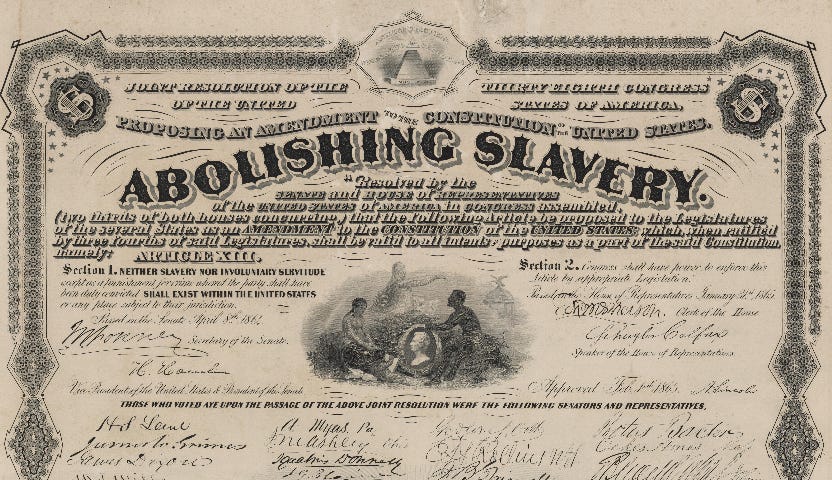
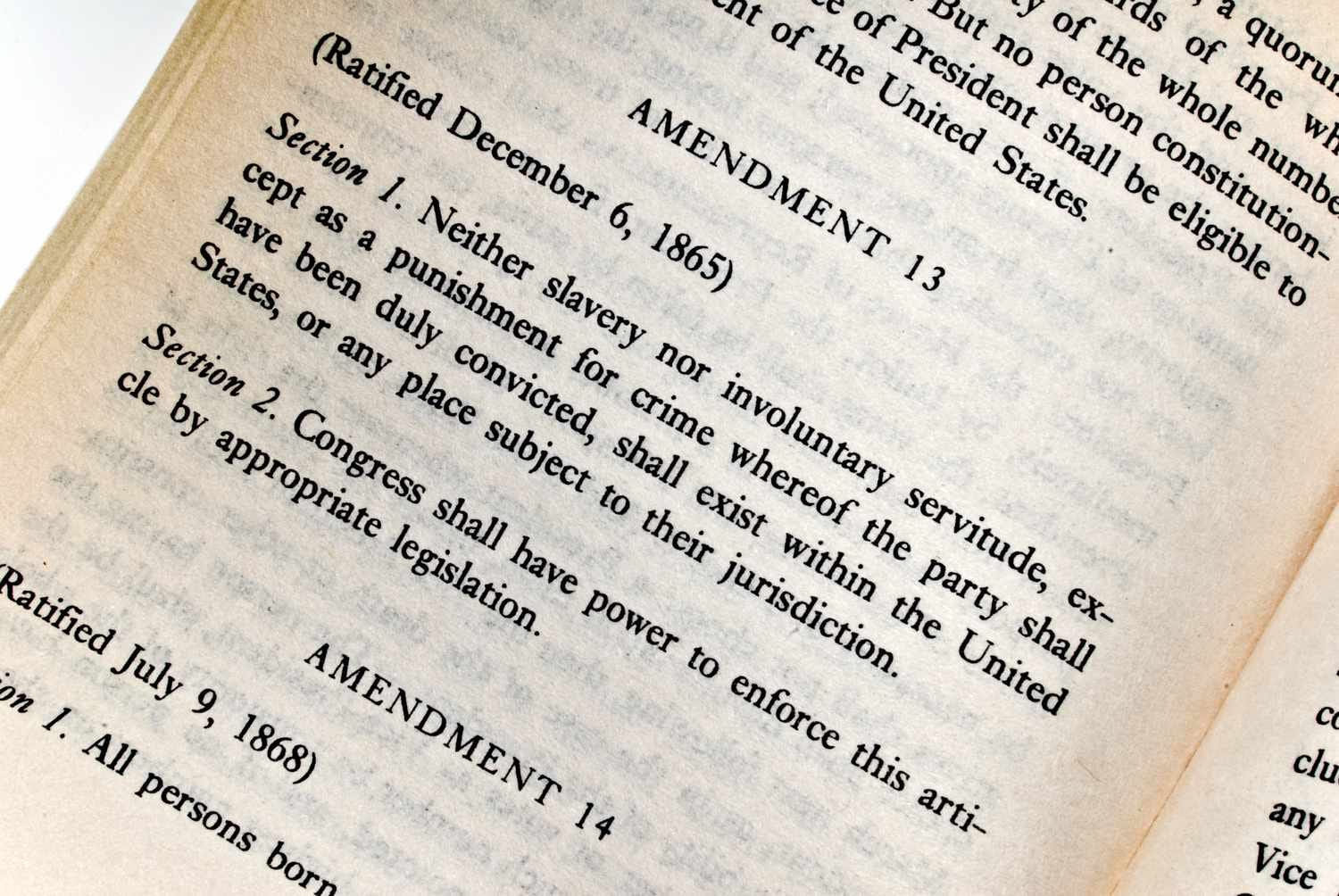
The core of this corporate strategy lies in the specific text of the 13th Amendment. While it abolished slavery and involuntary servitude, it included one massive, explicit exception: “except as a punishment for crime whereof the party shall have been duly convicted.”
This single clause is the legal armor that protects private prison operators from federal human trafficking statutes. Title 18 of the U.S. Code (specifically § 1589 and § 1590) makes it a federal crime to enrich oneself through peonage, slavery, or forced labor. However, because the Constitution explicitly permits involuntary servitude as criminal punishment, corporations that contract with the state to house inmates are granted proxy immunity. They are effectively renting the government’s constitutional authority to extract unpaid or severely underpaid labor, entirely legally.
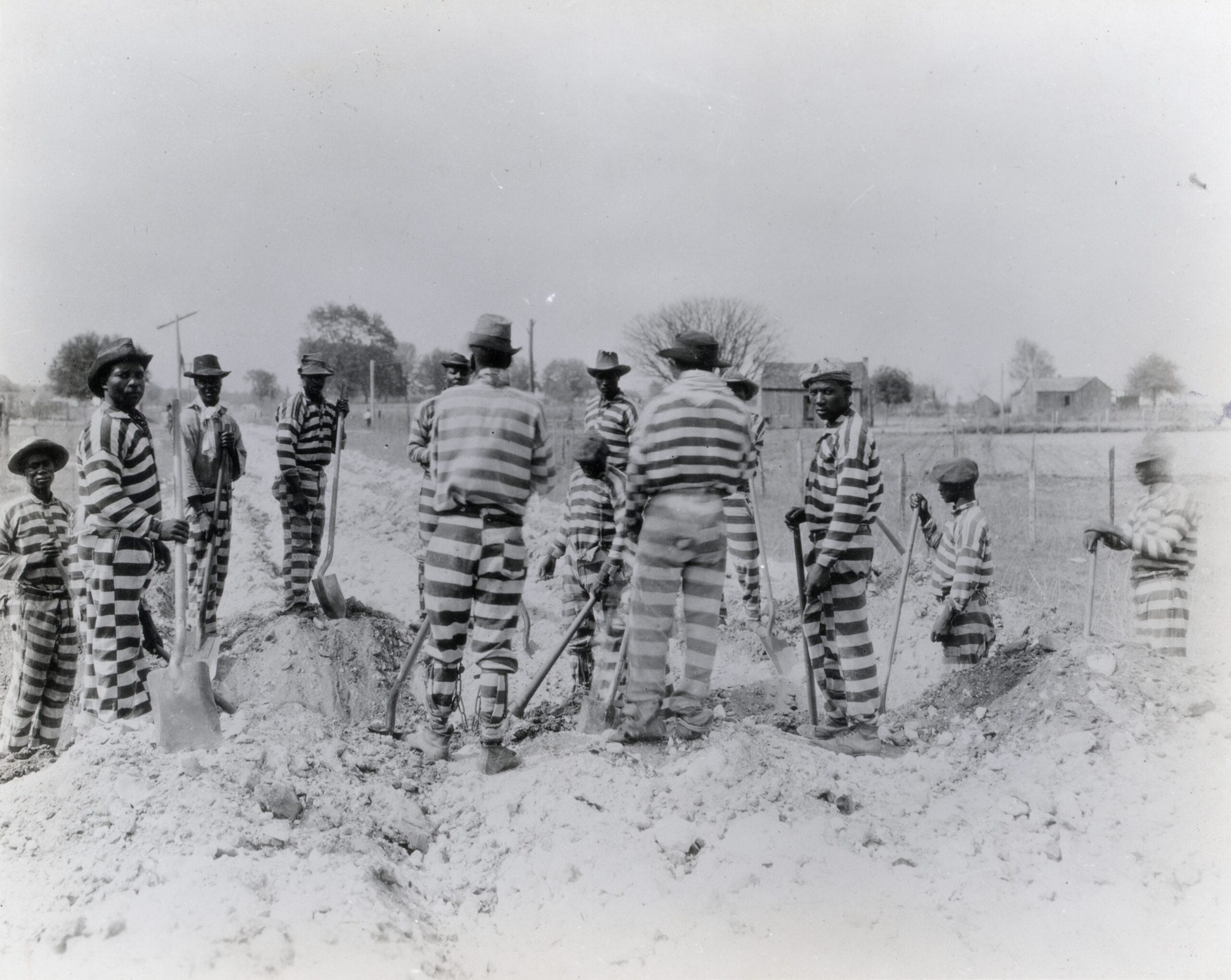
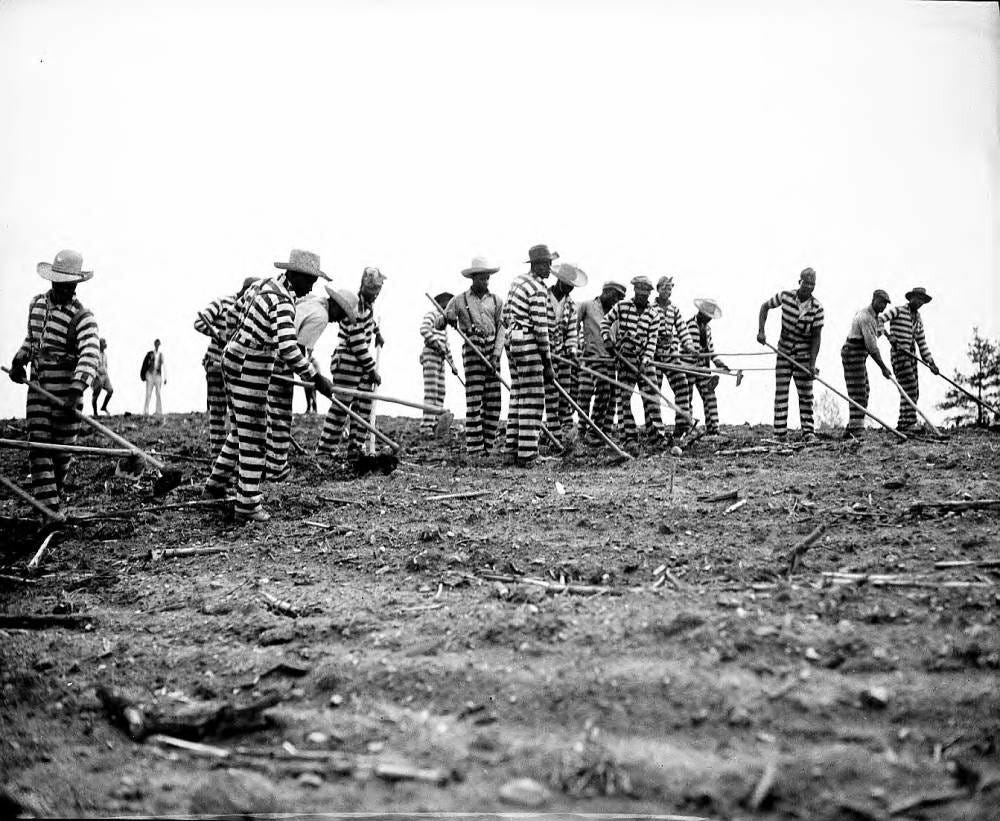
The historical continuity is not subtle. After formal emancipation, Southern states used the exception clause to rebuild a system of racialized forced labor through convict leasing and chain gangs. Black men were arrested under vague vagrancy and Black Code statutes, then leased to private operators for railroad, mining, and plantation work. The legal mechanism that enabled that system remains intact and is now administered by publicly traded corporations.
Coercion Disguised as “Choice”
Private prison operators frequently defend their labor practices by labeling them “skills building” or “voluntary.” A close examination of the internal mechanics of these facilities destroys that narrative.
It is not a choice if the alternative is psychological or physical retaliation. The coercive mechanics ensuring a steady, compliant workforce include:
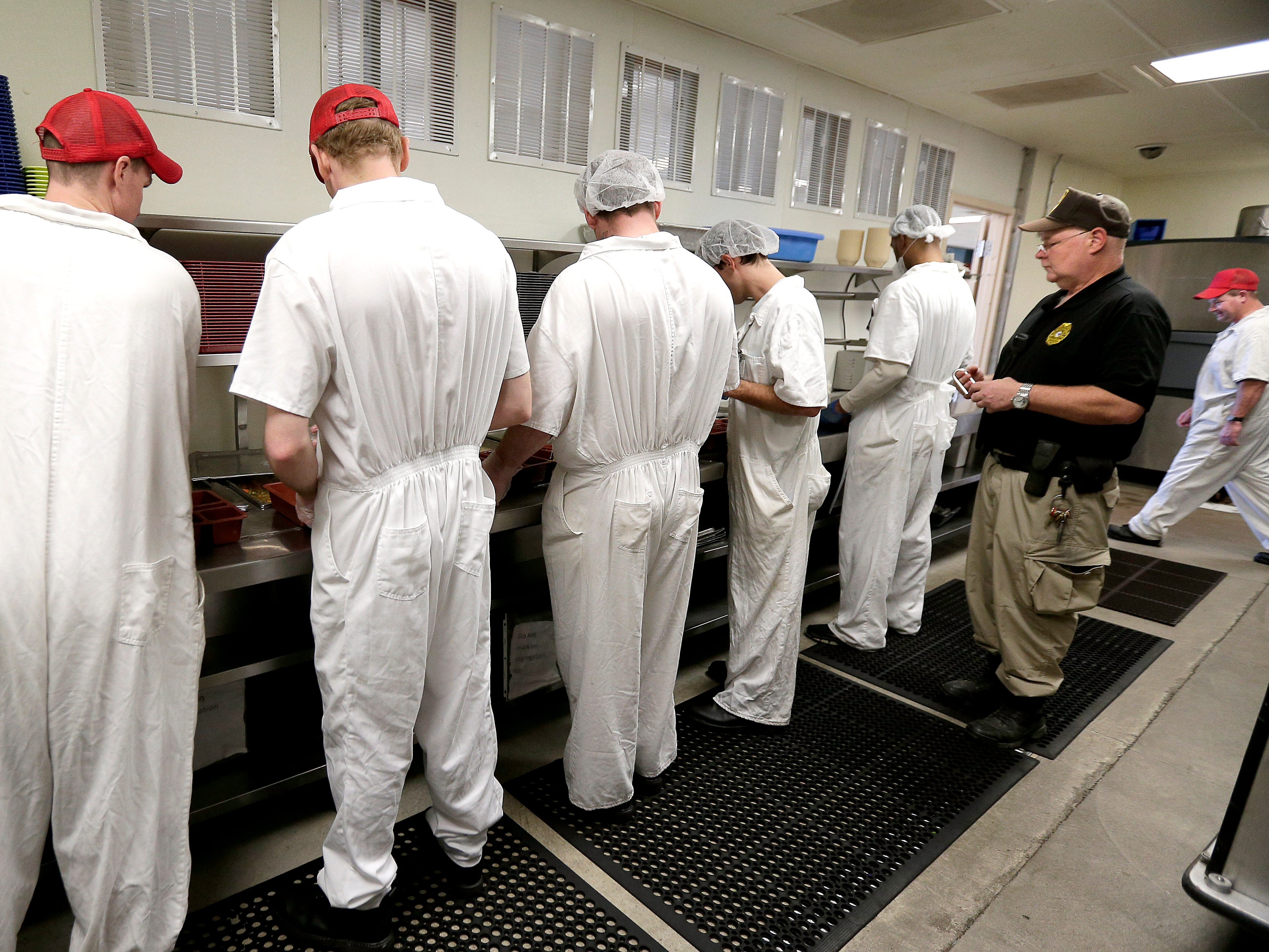
Punitive Retaliation: Incarcerated workers who refuse to work for pennies an hour frequently face placement in solitary confinement.
Sentence Manipulation: Refusal to work can result in the loss of “good time” credits, effectively lengthening a person’s physical time behind bars.
Economic Extortion: Prisons charge exorbitant, highly marked-up rates for basic hygiene products, medical co-pays, and phone calls to family. Inmates are economically forced to participate in the labor pool just to maintain basic human dignity and contact with the outside world.

The Double-Dipping Business Model
The financial structure of corporate-run facilities relies on a model of unjust enrichment, allowing contractors to be paid twice for the same facility.
First, these corporations secure massive public contracts, absorbing billions in taxpayer dollars allocated to house, feed, and secure the incarcerated population. Under normal circumstances, a portion of those operational funds would be used to hire local, civilian staff at minimum wage or higher to cook, clean, and maintain the facility.
Instead, private operators utilize their captive population to perform these essential facility operations for $1 a day—or sometimes nothing at all. The massive difference between what the government pays the corporation to run the facility and what the corporation saves by utilizing captive labor is pocketed as profit and funneled directly to shareholders.
The ICE Detention “Tell”
The ultimate proof that the private prison business model relies inherently on human trafficking lies in civil immigration detention.
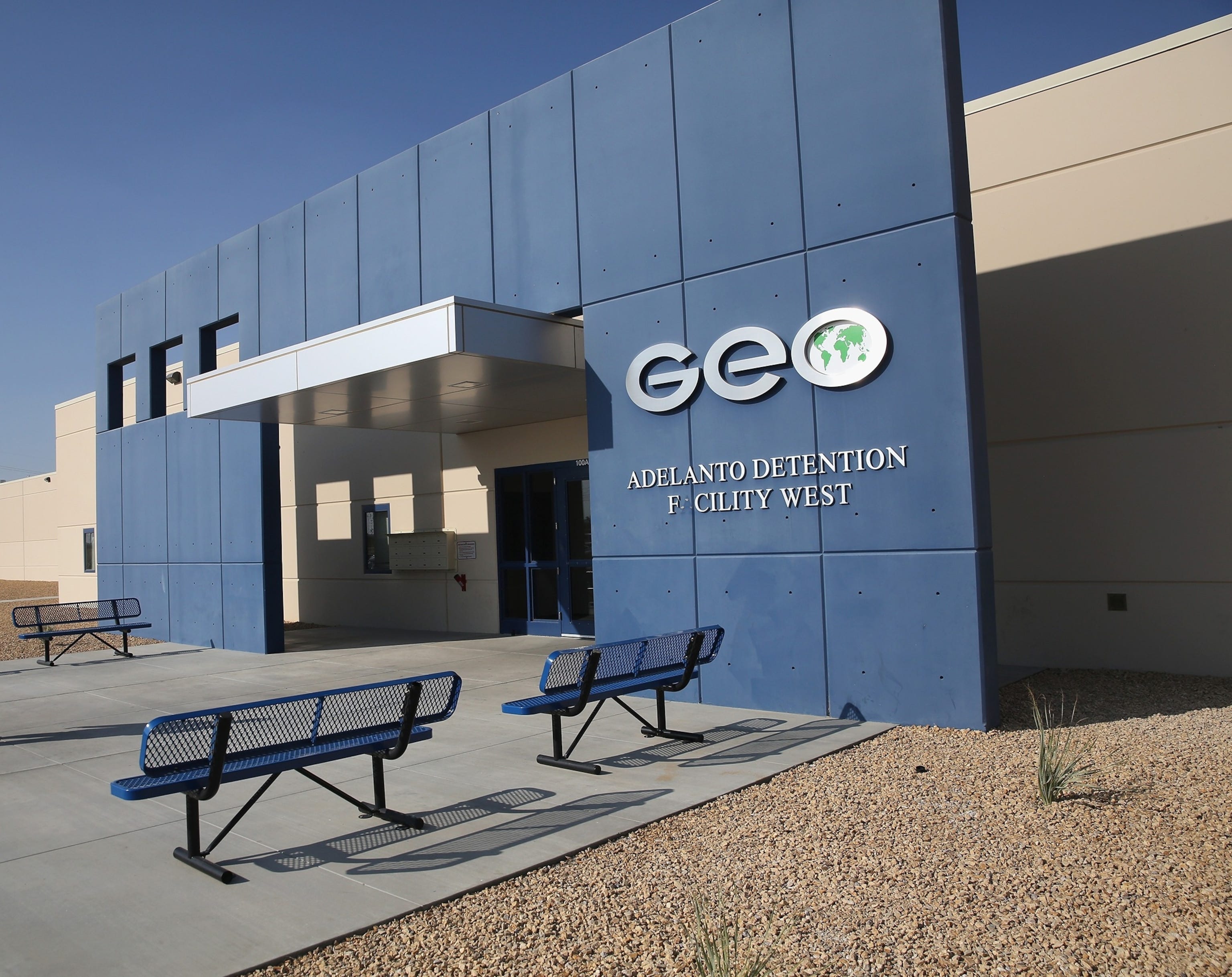
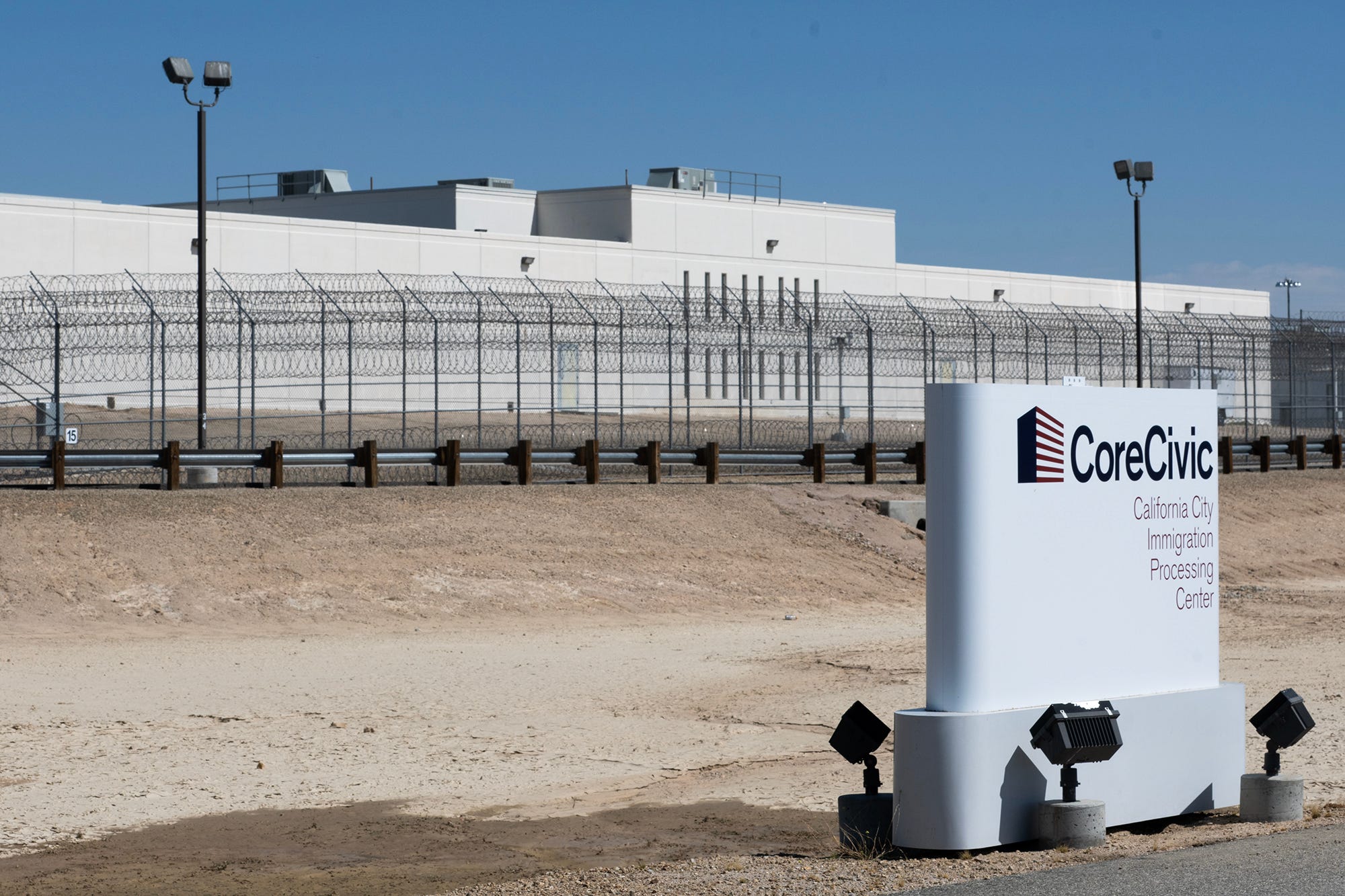
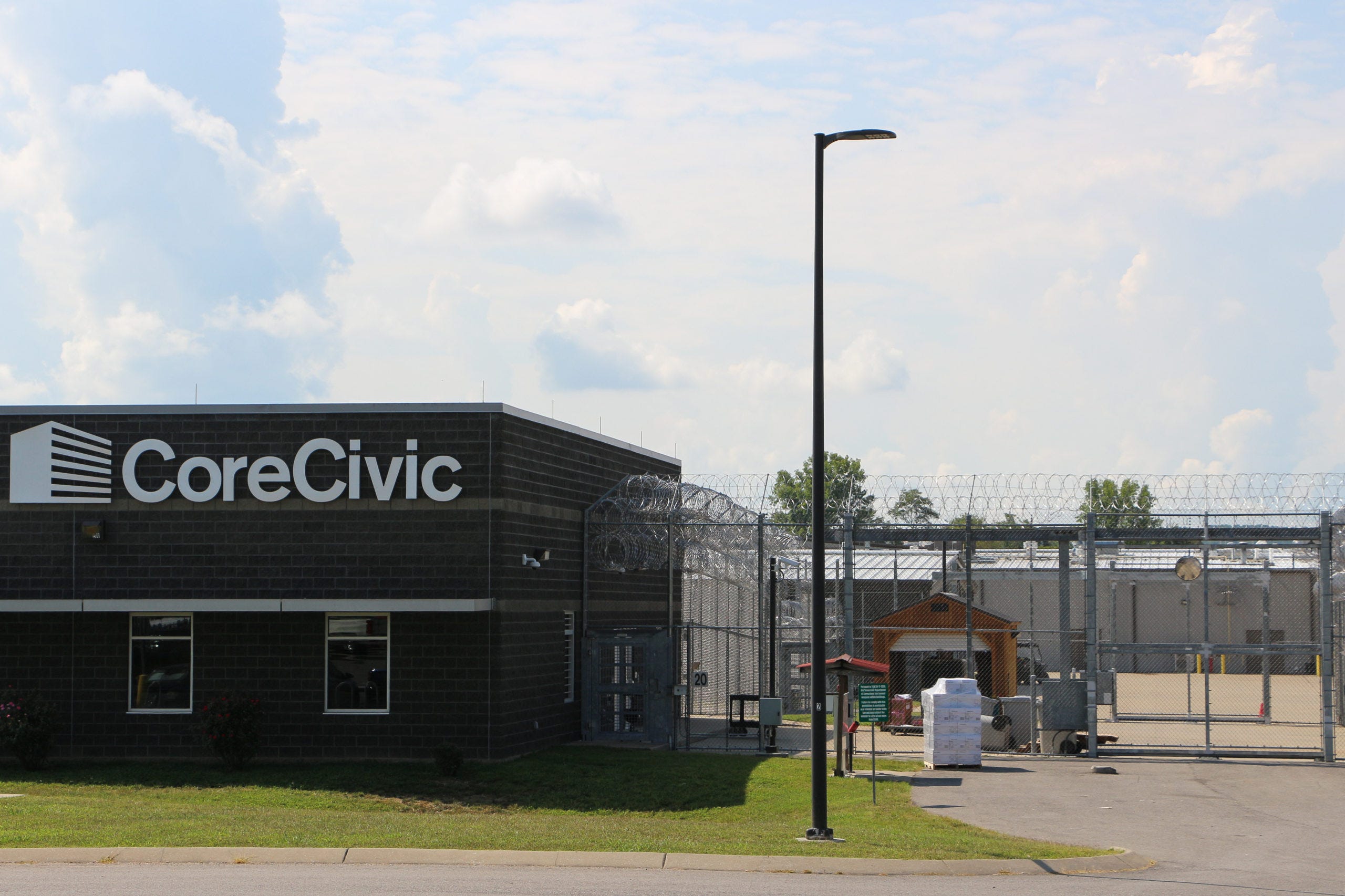
Because civil detainees housed in ICE facilities have not been criminally convicted, the 13th Amendment loophole does not apply to them. The government cannot constitutionally subject them to involuntary servitude. Yet, for years, major private contractors attempted to use the exact same coercive, $1-a-day labor model in these civil facilities to maximize their margins.
When the constitutional shield is removed, the corporate strategy collapses under legal scrutiny.
In recent years, detainees have successfully sued major private prison corporations under the Trafficking Victims Protection Act.
In Washington state, a federal jury and the state government ordered a major contractor to pay over $23 million in backpay and penalties for violating minimum wage laws and running illegal forced labor operations inside a civil detention center.
Other major contractors have been forced into settlements, formally requiring them to inform civil detainees that they cannot be punished for refusing to work.
The core business model across these facilities is identical. The only difference is whether the corporate operator has the legal cover of a criminal conviction to protect them from federal trafficking charges.
By bringing the expenditures, legal battles, and internal policies of these contractors to the surface, it is only then that the reality becomes undeniable.
The prison industrial complex is an industrial leech of yesterday that thrives today through forced labor. It is a parasite that demands the highest levels of public scrutiny—dissected and opened for all to see.


