

The ICE facility in Burlington, Massachusetts is not a detention center. It is an administrative office park building pressed into service as one. Designed for short-term processing measured in hours, it is now routinely used to hold people for days and, in documented cases, weeks. Some of those held have no criminal record. The building has no yard, no beds, and infrastructure never intended for human confinement at scale.
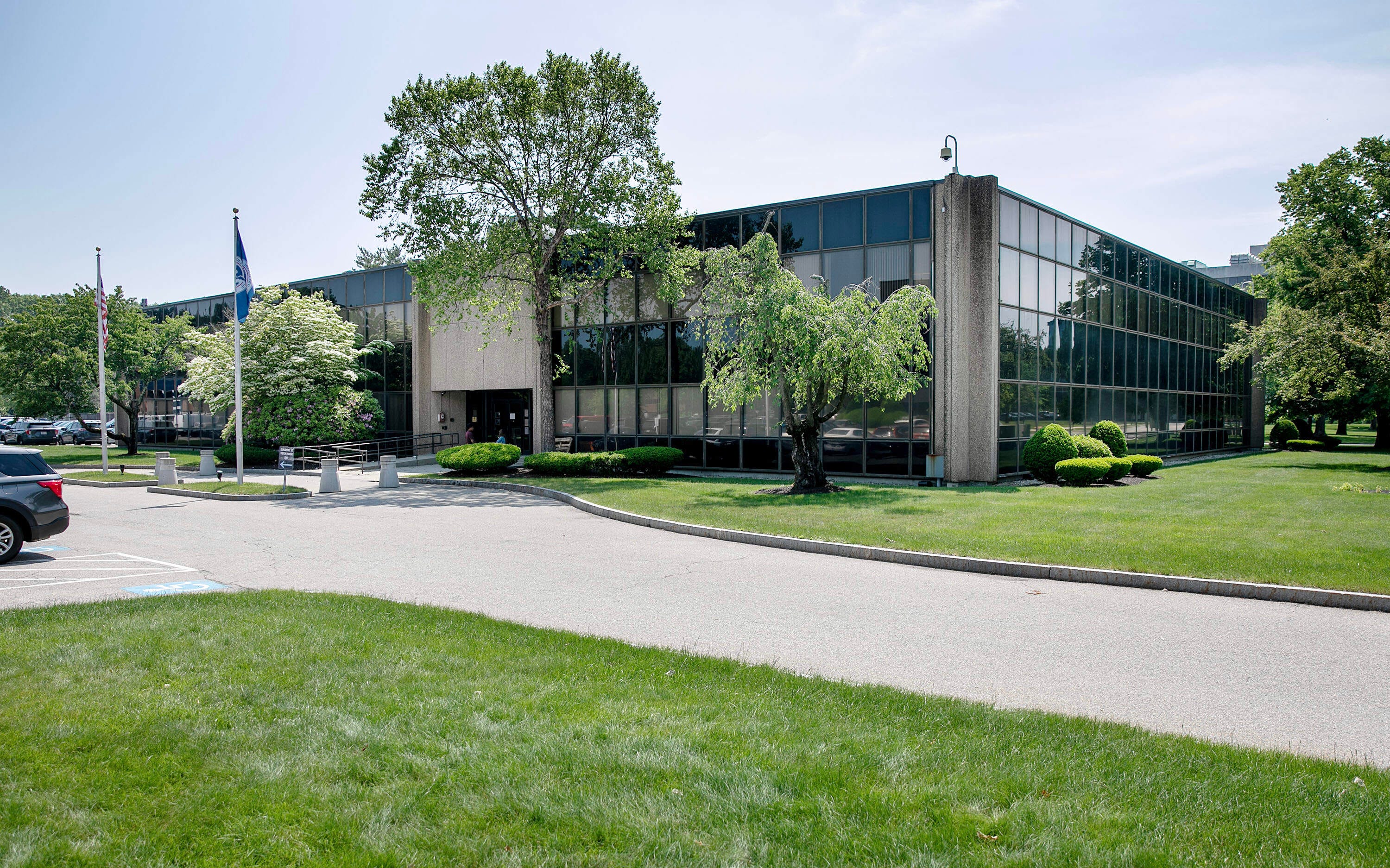
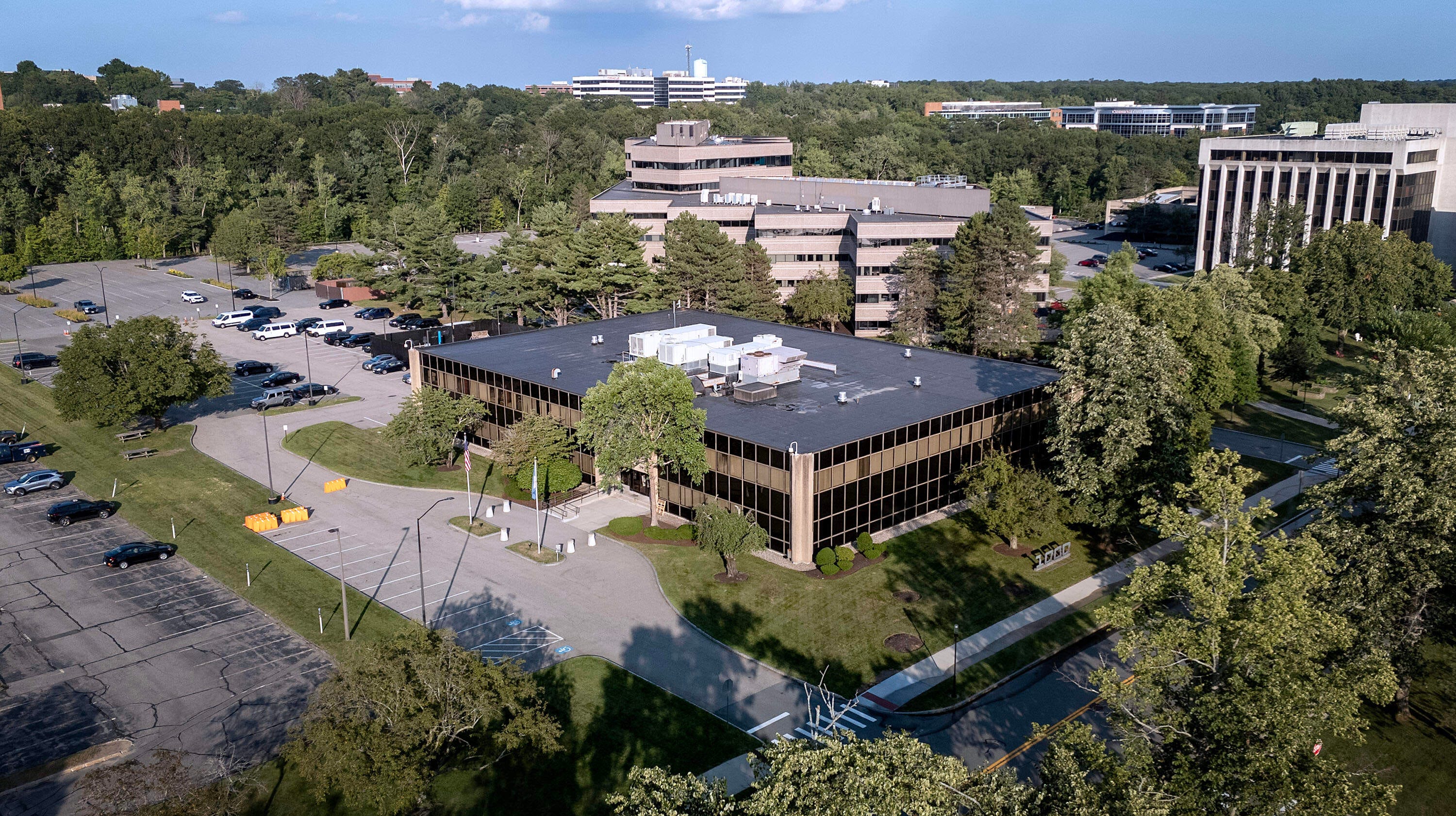
Drawing from documented conditions and attorney accounts, including those of immigration attorney Robin Nice:
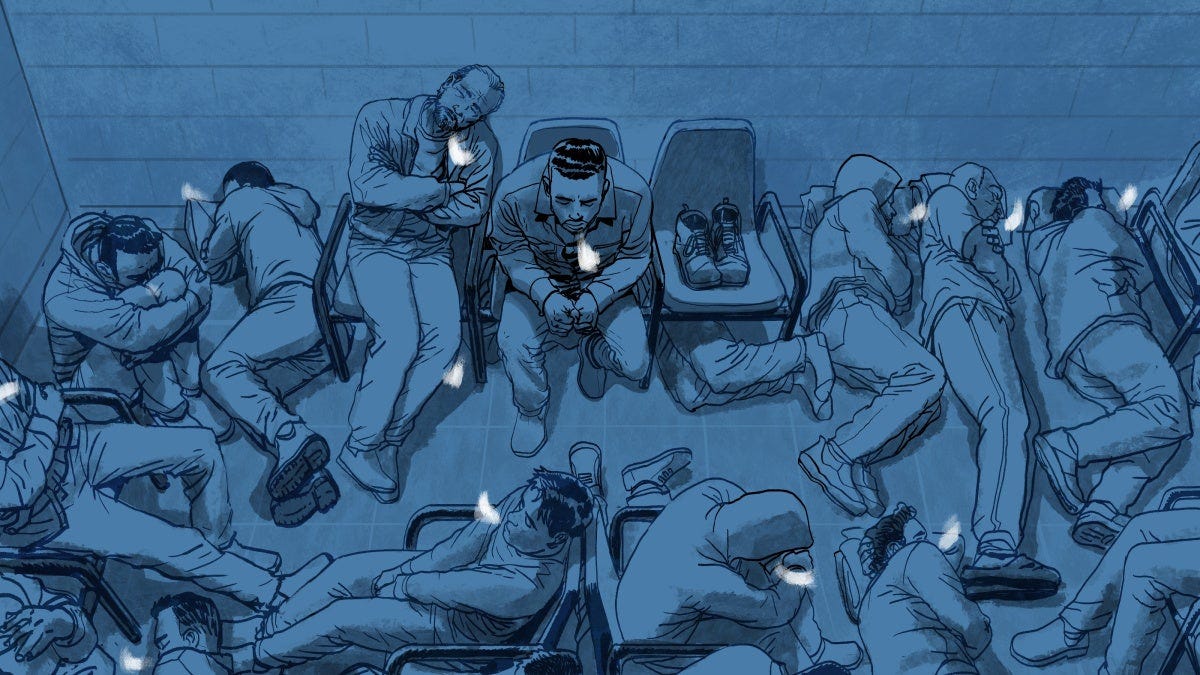
Crammed to Capacity
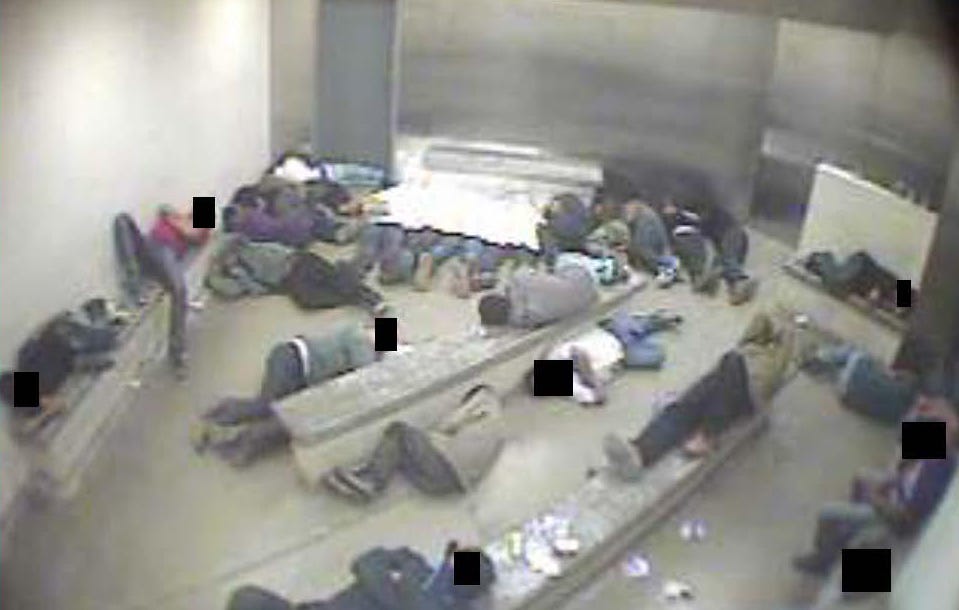
Holding rooms built for temporary processing have held more than 40 people at a time. One older client who relies on a walker and has no criminal record was kept isolated for two weeks in a small room accessible only through a door slit.
Deprivation of Outside Time
Located inside an ordinary office park, the site has no designated outdoor recreation space. Detainees receive no outside air or sunlight. Natural light appears only as a flicker through limited openings, if at all.
americanimmigrationcouncil.org
Chilling Temperatures and Malnutrition
Clients report cold rooms. Food is pushed through door slits and described as inadequate and unappetizing. Multiple accounts note measurable weight loss during multi-day stays.
Severe Hygiene Limitations
The plumbing and shower infrastructure were never sized for multi-day occupancy. One client reported receiving only two showers across two weeks of detention. Toilets offer little or no privacy and are frequently shared by large groups under camera observation.
Systematic Denial of Legal Access
Attorneys report no reliable mechanism to call clients, arrange video conferences, or meet in person. Access often requires a federal District Court order forcing compliance. The administrative designation of the site functions as a practical barrier to counsel.
This is not an oversight. It is the predictable result of converting processing offices into holding pens under expanded enforcement pressure while refusing to meet even minimal standards for confinement.
Scarborough Operations: A Lack of Transparency
The pattern continues at the ICE site in Scarborough, Maine (40 Manson Libby Road). After a fatal shooting by an ICE agent in Biddeford, official inquiries confirmed two material facts: agents operating from this facility do not wear body cameras, and they receive no localized operational training at the site.
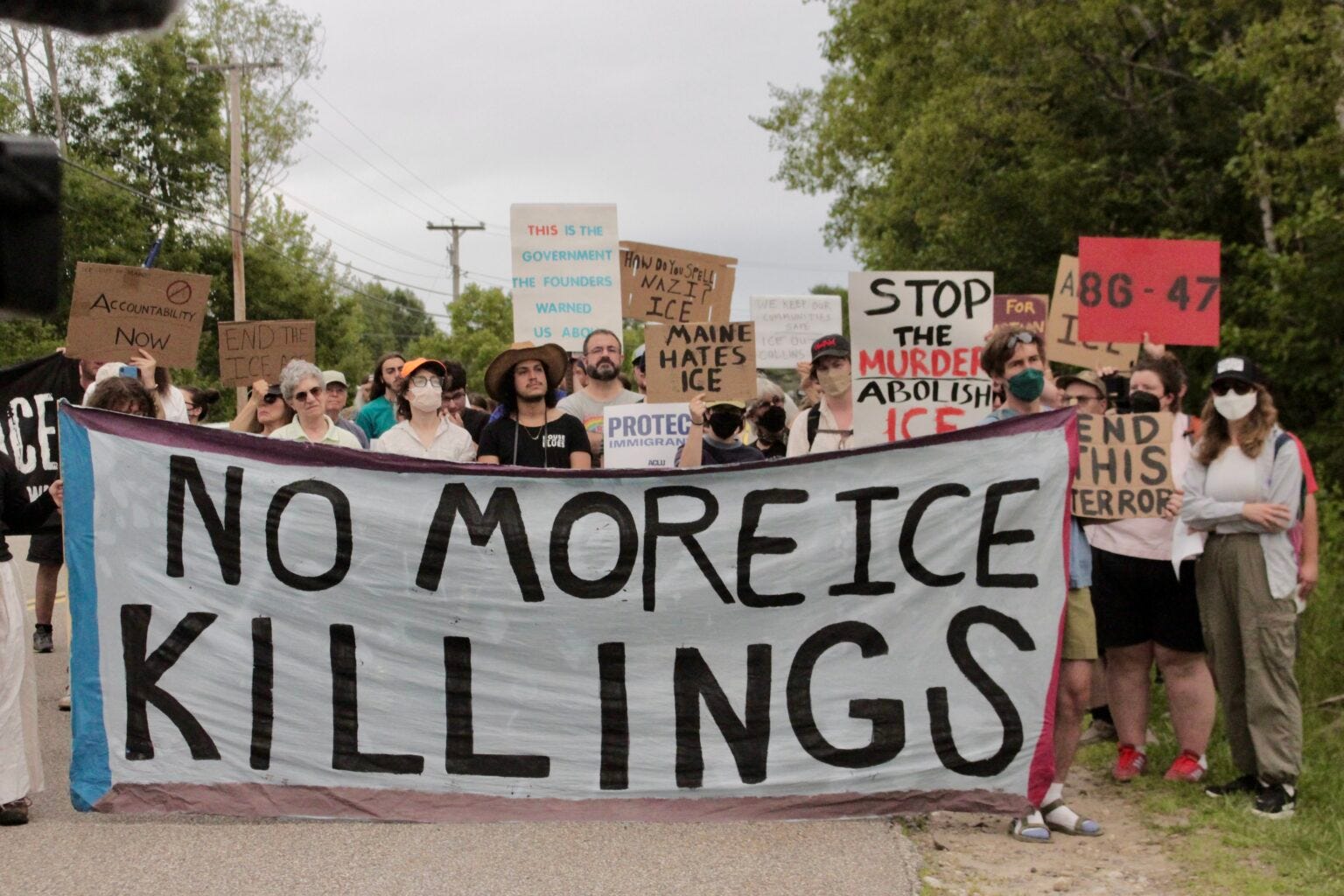
Hundreds protest outside Scarborough ICE facility after fatal Biddeford shooting • Maine Morning Star
In response, local groups have stationed themselves outside the facility to log arrivals, departures, and vehicle movements. Civilian observation has become the primary mechanism of accountability in the absence of official recording equipment or transparent training records.
The Burlington and Scarborough sites illustrate the same operational logic: administrative buildings and check-in offices are pressed into service as short-term cages, legal access is structurally obstructed, basic environmental and hygiene standards are treated as optional, and the absence of body cameras and site-specific training preserves operational opacity. These are not temporary processing failures. They are the material conditions of expanded enforcement conducted without the infrastructure or accountability required for human confinement.


