

The federal deportation machine does not run on public debate or competitive bids. It runs on private contracts awarded without competition. Alaska Native Corporations (ANCs) and their 8(a) subsidiaries sit at the center of that pipeline. Under SBA rules, these entities face no statutory dollar ceiling on sole-source awards. Agencies can hand them contracts of any size—detention operations, facility support, guard services, occupational health, surveillance logistics—without opening the process to rivals.
ICE has used this channel repeatedly. Subsidiaries of NANA (through Akima), Bering Straits Native Corporation, Ahtna, Bristol Bay, Katmai, and others have taken hundreds of millions in DHS and ICE work over the past decade: running or supporting Service Processing Centers, providing armed transportation and guards, supplying food and facility maintenance, and handling medical screening. In 2025 alone, Native entities captured more than 8 percent of ICE contract dollars. The work is not symbolic. It is the physical infrastructure of detention and removal.
The Alaska congressional delegation treats this arrangement as non-negotiable. They describe it as “economic self-determination” and “political status.” In material terms it functions as a legislative shield. It keeps the contracts sole-source, uncompetitive, and insulated from the audits and reforms that would expose how much of the work is performed by non-Native subcontractors operating far from Alaska. The everyday Alutiiq or Iñupiat shareholder receives dividends that are a fraction of the revenue. The executives and consultants based in Virginia and elsewhere capture the bulk of the federal enforcement money. The politicians’ votes and committee actions keep that transfer intact.
This is not abstract policy. It is the financing mechanism that lets ICE expand capacity quickly and quietly while the public fights over rhetoric. The same legal structure that was sold as a tool for Native economic development has become a reliable off-ramp for the privatized side of the deportation state.
SULLIVAN AND MURKOWSKI: THE SENATE GUARDIANS
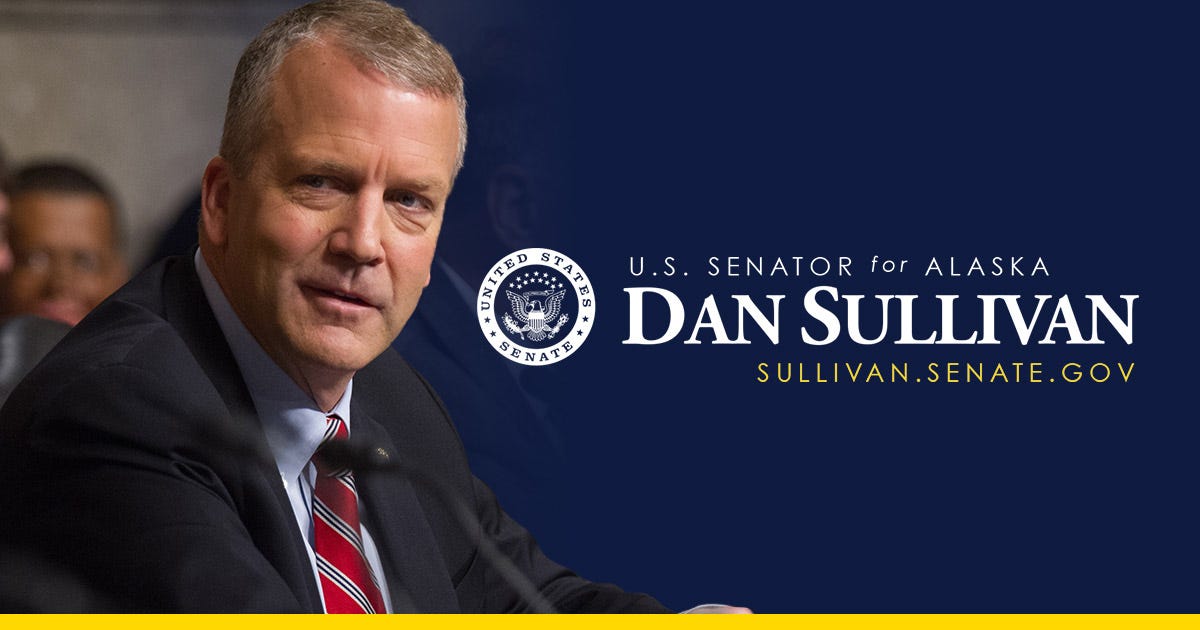
Senator Dan Sullivan has treated the 8(a) ANC preference as a permanent entitlement. In 2019 he inserted language that repealed a requirement for written justification on sole-source awards above $20 million. The change removed a modest transparency check and made large, no-bid awards easier for agencies including ICE. When the administration later opened a line-by-line review of contracts over that threshold, Sullivan defended the status quo, citing speed and efficiency. In May 2026 he and Murkowski secured a formal Defense Department letter affirming that ANC eligibility rests on political status and therefore remains insulated from broader contracting purges.
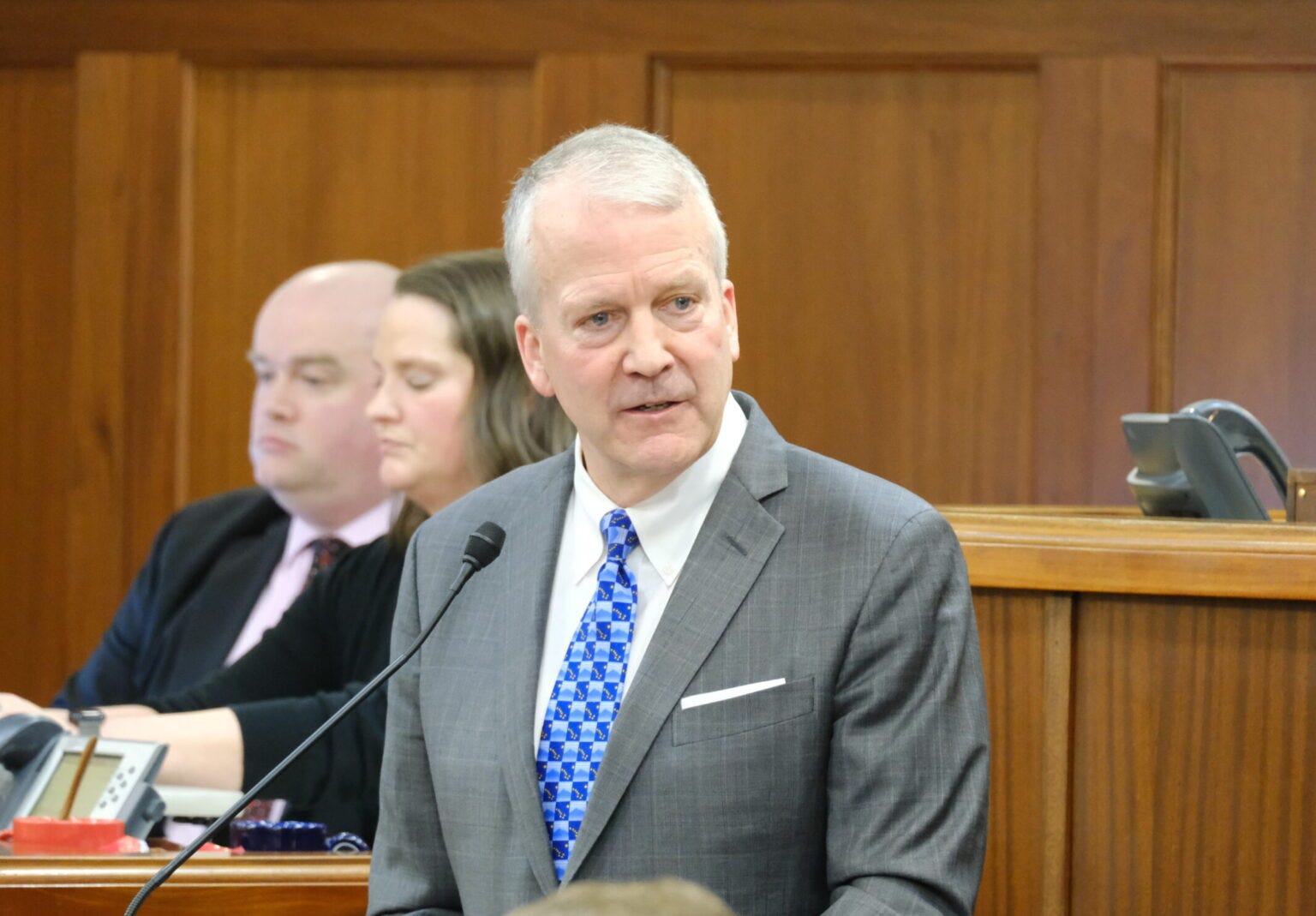
Senator Lisa Murkowski has used institutional power to the same end. As chair of the Senate Committee on Indian Affairs she convened a February 2026 oversight hearing titled to frame the Native 8(a) program as “economic self-determination in action.” She categorically rejected descriptions of the structure as a breeding ground for fraud or pass-through arrangements. She has also leveraged her Appropriations Committee role for years, signaling that language restricting sole-source awards to ANC entities would face delays on defense and DHS bills. The practical effect is continuous protection of the financial channel.


Both senators operate from the same material premise: the special 8(a) rules for ANCs must remain unlimited and largely unexamined. They reject any framing that treats the program as a vehicle for large-scale federal enforcement contracting. The record shows the opposite. NANA/Akima alone has been ICE’s largest 8(a) recipient over extended periods. Bering Straits subsidiaries have held task orders for guard, transportation, and facility services at multiple detention sites. The senators’ defense keeps those arrangements viable.
The rhetoric of Indigenous economic empowerment collides with the documented flow of ICE dollars. Shareholders in Alaska have repeatedly objected to the moral and political cost of detention contracts. The senators prioritize the corporate revenue stream and the political claim of unique status over those objections.
BEGICH AND THE STRUCTURAL REALITY
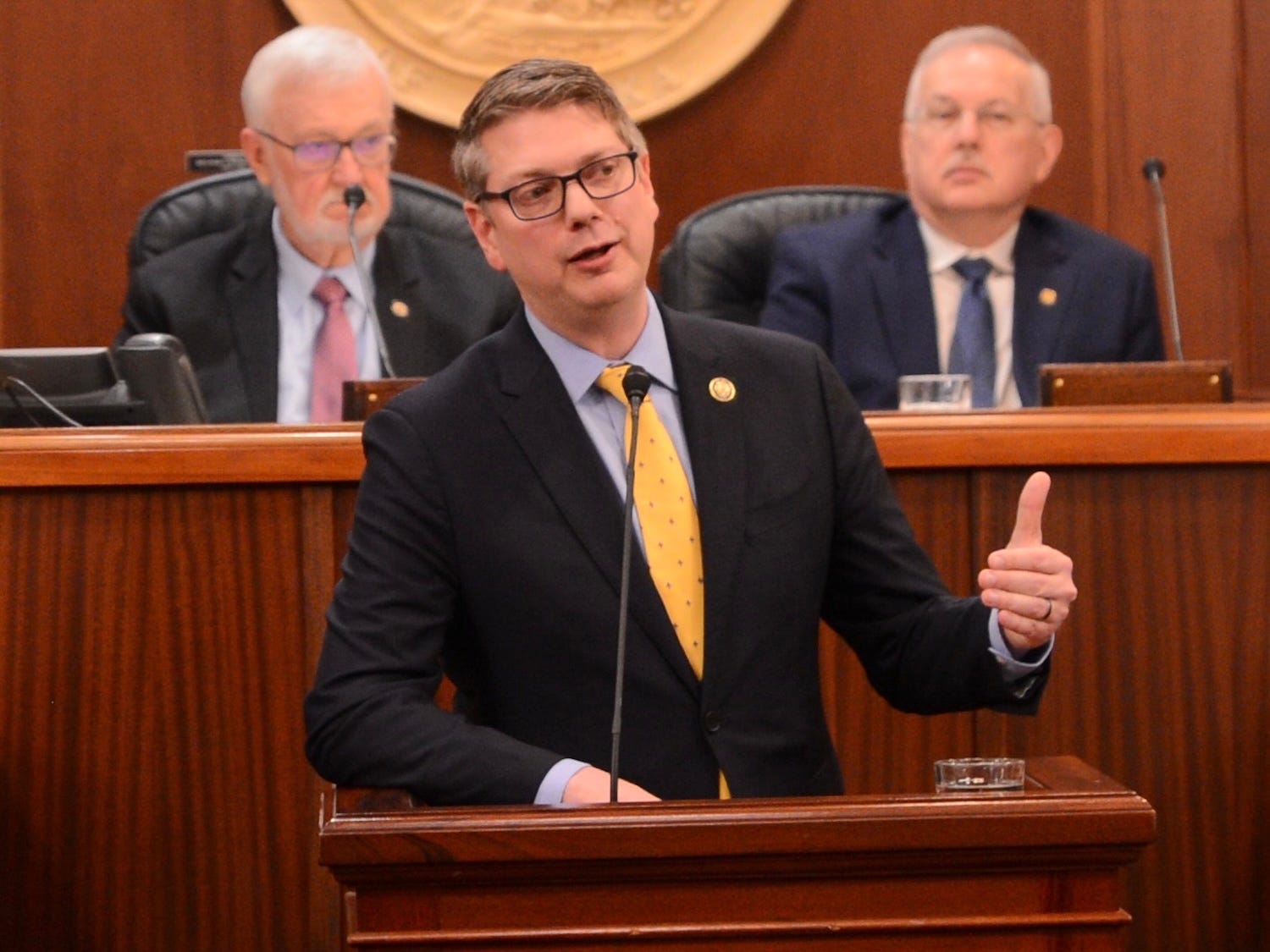
Representative Nick Begich functions as the House counterpart. He votes and speaks in lockstep with the Senate delegation, framing any attempt to audit or limit ANC 8(a) sole-source authority as an attack on Alaska’s economic interests. When the Pentagon announced reviews of large 8(a) awards, Begich stated that his office was working with the administration and the corporations to protect the program’s “unique history.” His role is to ensure that resistance appears in both chambers.

THE CORPORATE LAYER: WHO CONVERTS POLITICAL STATUS INTO CASH FLOW
The structural outcome is a multi-billion-dollar shadow economy. ANCs can stand up multiple 8(a) subsidiaries, each certified under different NAICS codes, and feed them unlimited sole-source work. Much of the actual performance is subcontracted. The Indigenous designation becomes a legal wrapper that routes federal deportation money through Alaska corporate entities while the operational work and profits concentrate elsewhere. ICE gains speed and political insulation. Corporate executives gain revenue. Rank-and-file shareholders receive limited distributions and, in some cases, open protest against the ICE contracts themselves.
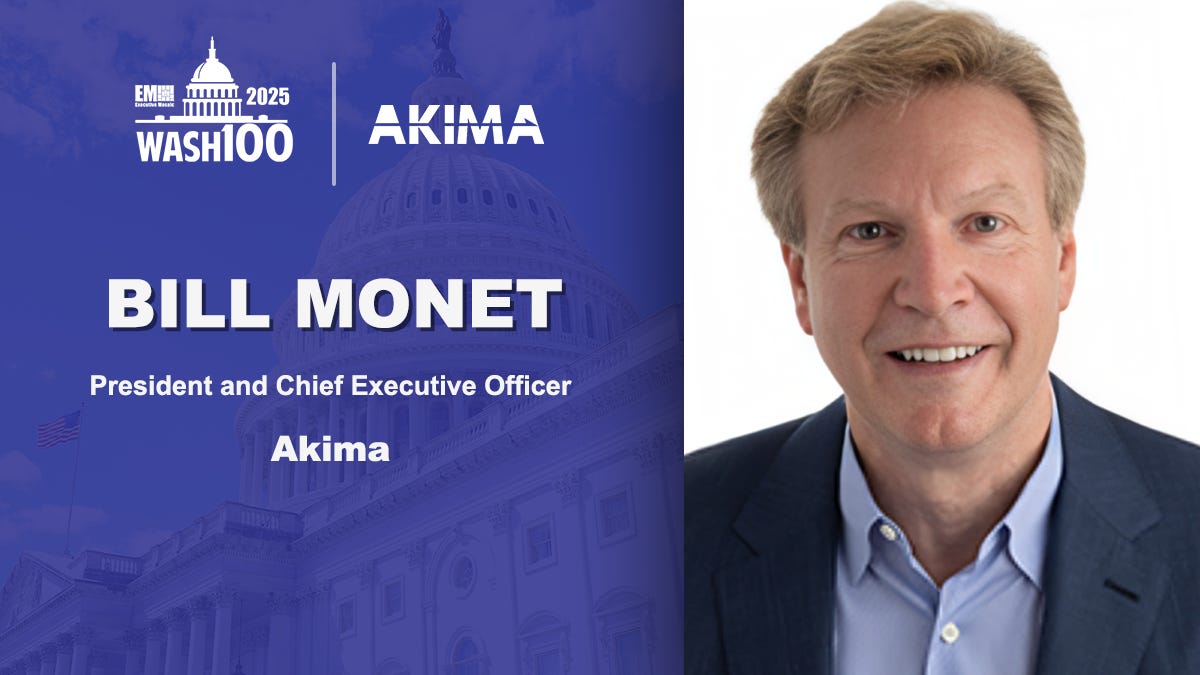
Bill Monet, President and CEO of Akima (NANA’s primary federal contracting vehicle), oversees a portfolio of more than 45 operating companies delivering mission support, facilities, protective services, and logistics to federal agencies, including substantial ICE-related work. Under his leadership Akima has expanded aggressively into detention support and related DHS contracts while generating the bulk of NANA’s revenue.

John Aġnaaqłuk Lincoln, President and CEO of NANA Regional Corporation, sits at the top of the parent structure that owns Akima. NANA’s federal contracting arm has been among the largest 8(a) recipients of ICE dollars for years.

NANA Names John Aġnaaqłuk Lincoln as President and Chief Executive Officer – NANA Regional Corporation
Dan Graham, CEO of Bering Straits Native Corporation, directs the commercial and federal business lines of another major ANC player whose subsidiaries have held ICE guard, transportation, and facility task orders across multiple sites.


This is the material contradiction the Alaska delegation refuses to confront. The 8(a) preference was expanded to ANCs under the claim of advancing Native self-determination. In practice it has become a preferred contracting vehicle for the agencies building and operating the domestic detention and removal apparatus. Murkowski, Sullivan, and Begich treat any serious examination of that pipeline as an existential threat to Alaska’s federal revenue. Their legislative and committee work keeps the loophole open, the contracts uncompetitive, and the financial infrastructure of mass deportation intact.
The everyday Native shareholder is not the primary beneficiary. The primary beneficiaries are the agencies that need rapid, opaque capacity and the corporate networks that convert political status into federal cash flow. The Alaska delegation’s unified defense of the 8(a) sole-source rules, paired with the executives who operate the subsidiaries, is the legislative and operational guarantee that this arrangement continues.


