

Podcast Source:
Alaska Native Corporations and their 8(a) subsidiaries are not neutral economic actors. They are active operators and service providers inside the federal deportation apparatus. Subsidiaries of NANA Regional Corporation (through Akima) and Bering Straits Native Corporation run or support ICE detention sites where migrants face overcrowding, medical denial, physical force, and degrading conditions. The corporate boards that approve these contracts answer to fiduciary duty and federal revenue, not to the values or votes of ordinary shareholders.
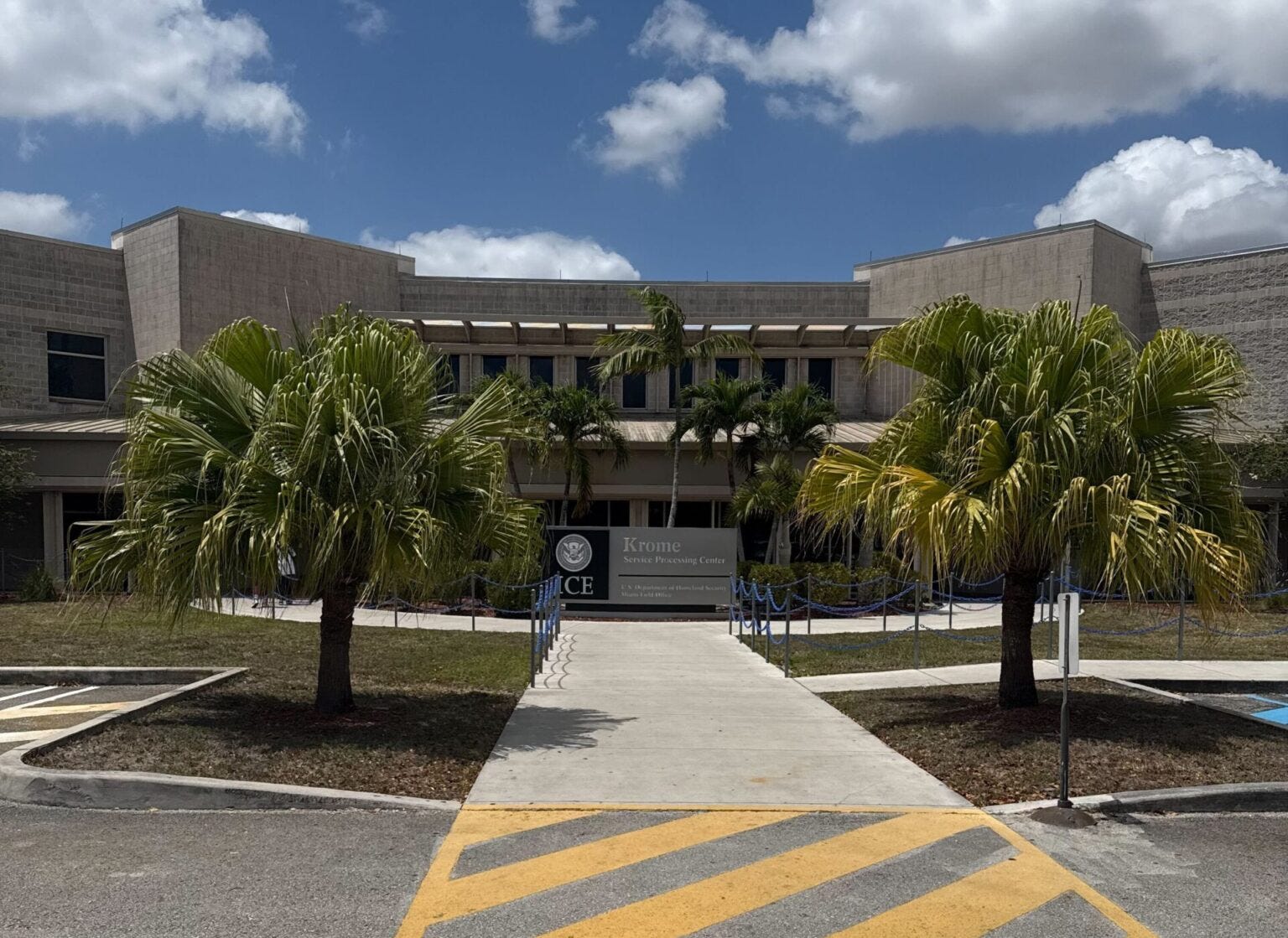
ICE confirms building at Miami detention center that U.S. Rep. labeled ‘tent city’ • Florida Phoenix
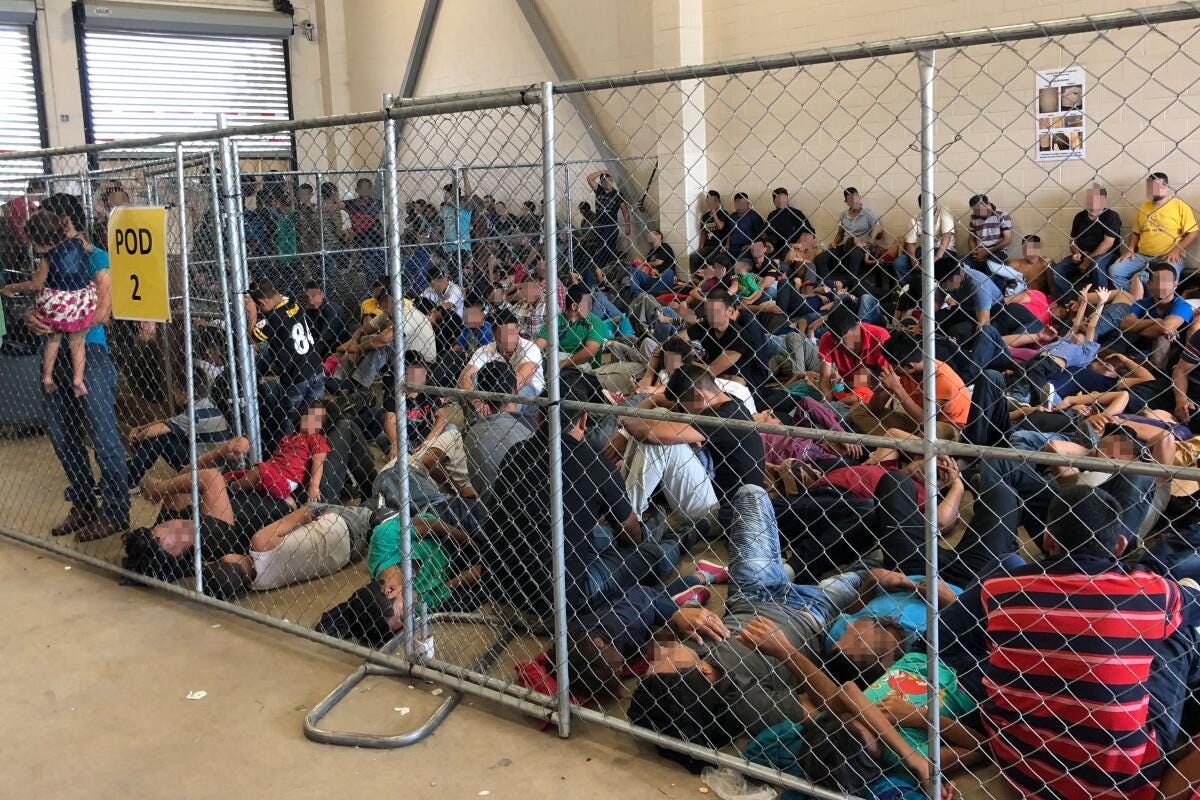
Akima Global Services, a NANA subsidiary, has operated the Krome North Service Processing Center near Miami for years. Investigators documented freezing overcrowded cells without bedding, toilets covered in feces, women held for days in a men’s facility without privacy or appropriate care, and routine denial of medication for diabetes, asthma, kidney conditions, and chronic pain. Detainees reported being shackled for prolonged periods without food or water. Krome led the country in reported uses of force over multi-year periods. Akima also held the contract for migrant detention operations at Guantánamo Bay and has managed or supported facilities including the Buffalo Service Processing Center and Port Isabel. The corporation’s public response to documented abuses has been that it cannot comment on the specifics of its engagement and that it operates to federal standards consistent with Iñupiat values.

Bering Straits subsidiaries have held task orders for facility support, armed guards, transportation of detained people, and food services at sites including El Paso, El Centro, Baltimore, and Newark. Shareholders Charlene Aqpik Apok, Ayyu Qassataq, and Jessica Saniguq Ullrich publicly called the work complicity in harm to Indigenous peoples and other migrants. They circulated a petition demanding immediate divestment. More than 100 shareholder and descendant signatures were collected. The board has not acted. The same pattern appears at NANA: small groups of shareholders have surveyed members, organized protests outside shareholder meetings in Fairbanks, and stated that detention contracts contradict stated Iñupiat values of dignity and respect. Corporate leadership continues the contracts.

Detention by Neglect – Human Rights & Public Liberties
This is not a failure of communication. It is structural. Alaska Native Corporations were created under the Alaska Native Claims Settlement Act as for-profit entities. Boards owe a fiduciary duty to maximize corporate value. Individual shareholders hold stock and receive dividends, but they have no binding authority over contract decisions. Petitions can be ignored. Unlike federally recognized tribal governments, ANCs are not sovereign governments accountable to citizenship or traditional decision-making processes. The 8(a) sole-source rules amplify this concentration of power: unlimited no-bid contracts flow to the corporate entity, revenue is booked, executives and consultants capture the operational upside, and rank-and-file shareholders receive limited distributions while the political cost is socialized onto the community’s reputation and moral standing.
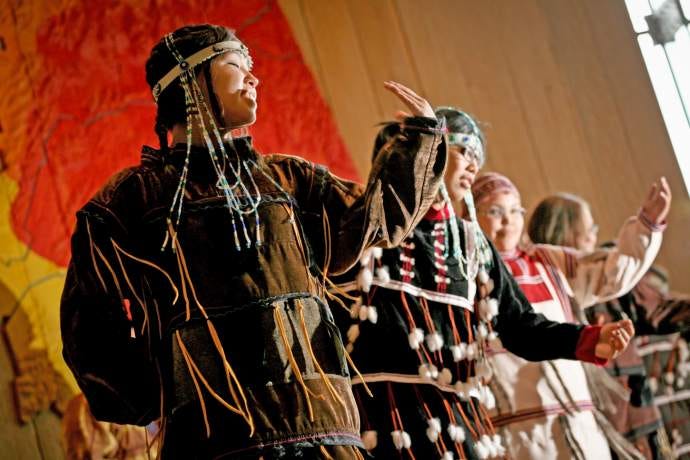
Alaska Native Culture | Alaska’s Best Cultural Tours and… | ALASKA.ORG
The material result is straightforward. Migrants inside these facilities experience the documented harms of the detention system—medical neglect, force, unsanitary and degrading conditions—while the corporate wrapper carries an Indigenous designation that the Alaska congressional delegation works to protect. Everyday Native Alaskans who object have petitions, surveys, and small protests. They do not have a veto. The boards that sign the contracts and the politicians who defend the 8(a) loophole ensure the pipeline continues. The claim that these contracts advance Native self-determination collapses under the reality of who decides, who profits, and who is locked inside the facilities the contracts sustain.


