

Reports documenting Immigration and Customs Enforcement (ICE) agents operating on sovereign tribal grounds during traditional gatherings have drawn national attention to the intersection of federal policing, tribal sovereignty, and historical trauma. These encounters demonstrate that federal enforcement operations extend far beyond conventional border corridors, impacting Indigenous communities across the United States.
Operations at Sacred Ceremonial Grounds
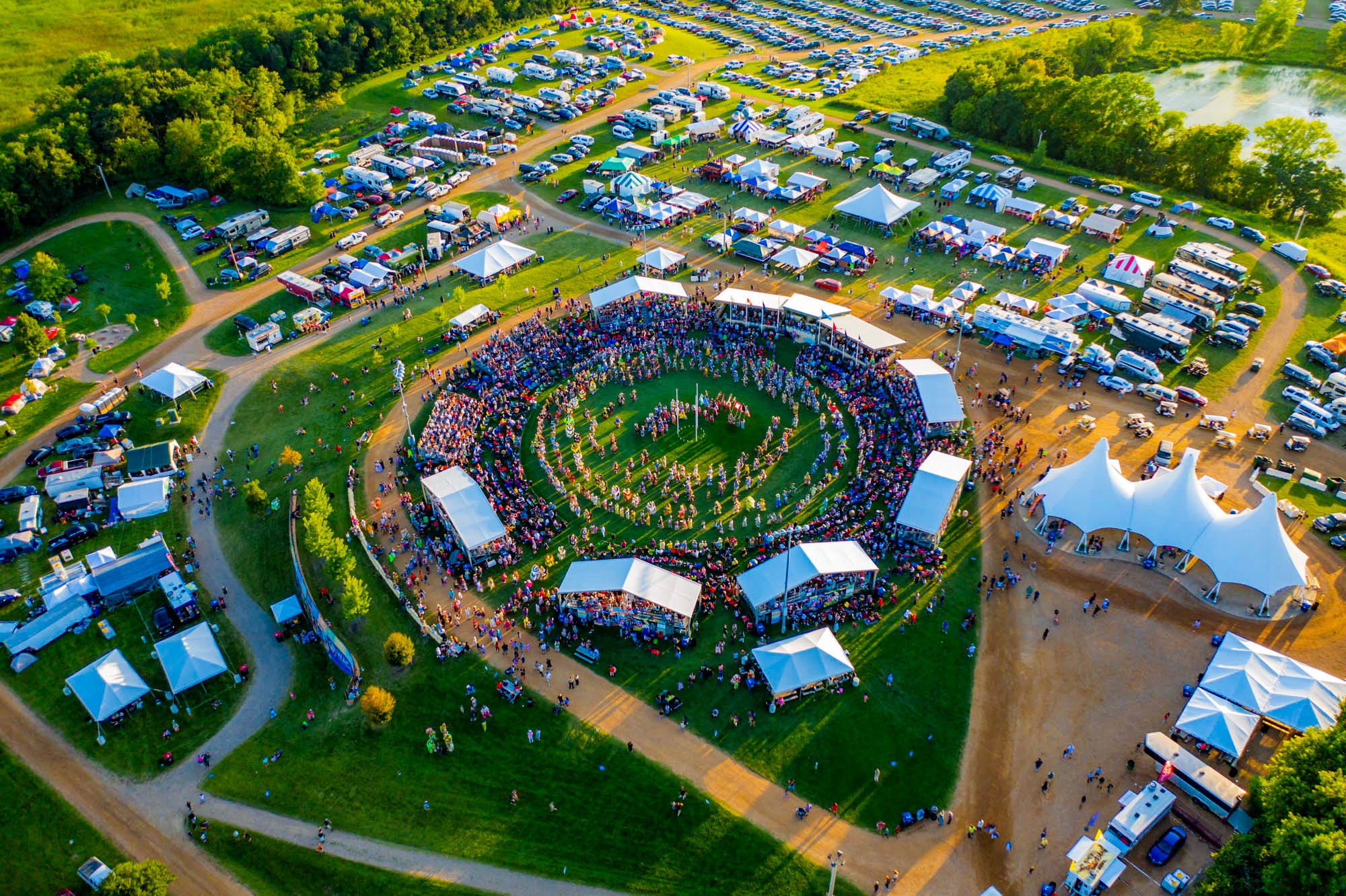
During the Shakopee Mdewakanton Sioux Community Wacipi (powwow) in Prior Lake, Minnesota, federal agents were documented conducting operations on tribal grounds. The presence of armed federal officers at a sovereign Native gathering represents a significant breach of cultural protocols and tribal self-governance.
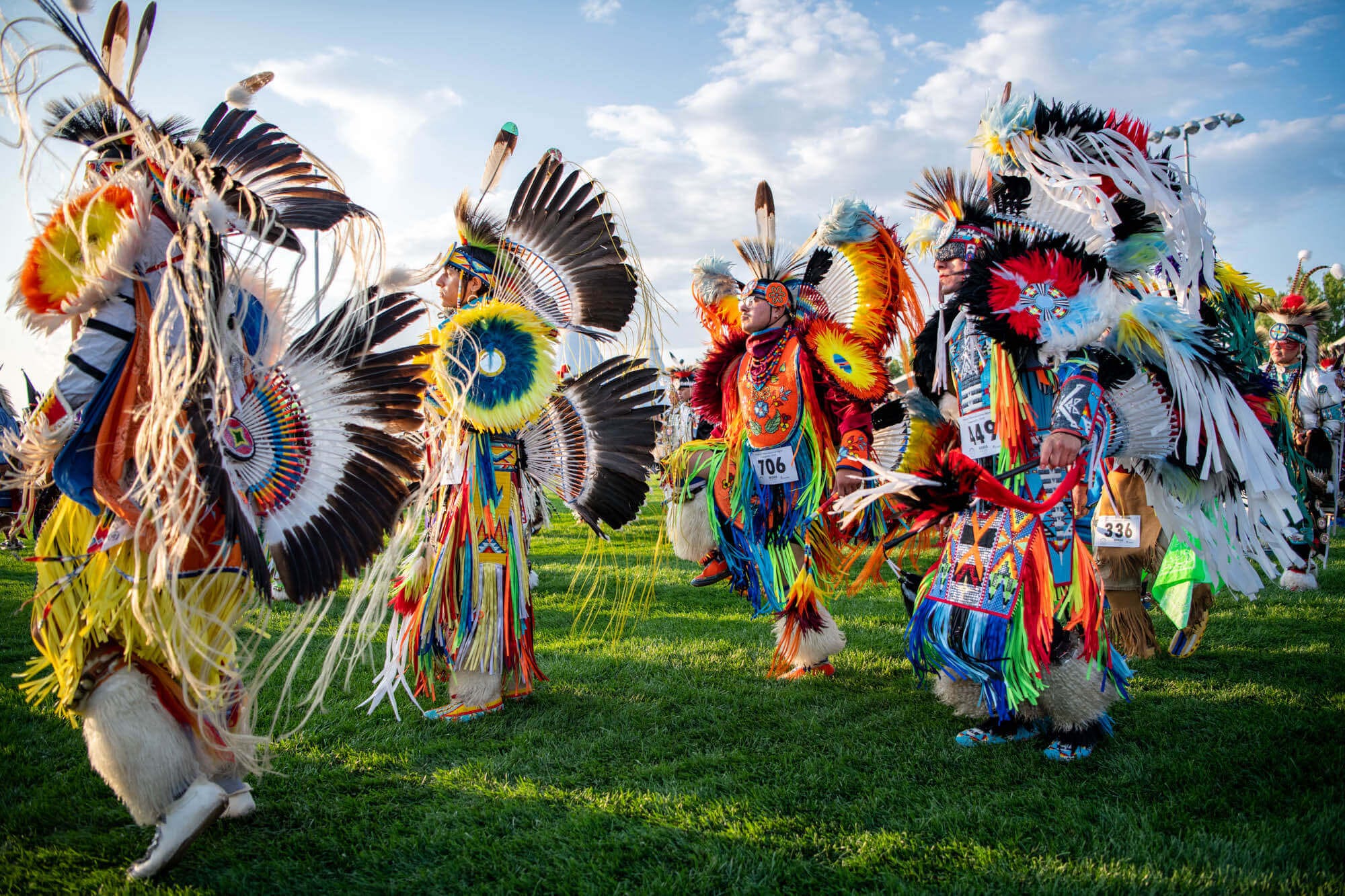
Tribal leaders and advocacy groups note that unannounced federal enforcement during sacred ceremonies suppresses participation in cultural rites and violates the inherent right of tribal nations to govern their own territories.
Systemic Racial Profiling and Rejection of Tribal IDs
Federal operations in urban centers and near reservations have led to widespread racial profiling of Native American citizens:
Unlawful Detentions: ICE officers conducting sweeps in Minnesota and surrounding regions have repeatedly targeted enrolled tribal citizens using physical appearance, accents, or native heritage as proxies for immigration status.
The Jose Roberto Ramirez Case: In suburban Minneapolis, ICE agents pulled 20-year-old Red Lake Nation citizen Jose Roberto Ramirez from his car at gunpoint. Agents handcuffed and detained him for hours despite family members presenting his birth certificate, U.S. passport, and official Tribal ID, with an agent stating that Ramirez “wasn’t from here”.

I felt like I was kidnapped’: Ojibwe man recounts ICE detainment - ICT
Plain text YouTube video of the encounter and aftermath:
Disregard for Tribal Documents: ICE field officers frequently refuse to recognize official tribal identification cards, despite these credentials being federally approved under Form I-9 for employment verification and REAL ID standards at TSA checkpoints.
Formal Legal Condemnation: The Native American Rights Fund (NARF) issued a formal statement condemning ICE for warrantless arrests, excessive force, and the illegal detention of Native Americans on their ancestral homelands.
Permanent Surveillance on Borderland Reservations
On the Tohono O’odham Nation in southern Arizona, federal policing has created a permanent infrastructure of surveillance:
Militarized Infrastructure: Customs and Border Protection and ICE have erected fixed surveillance towers, radar installations, and interior checkpoints across tribal land.
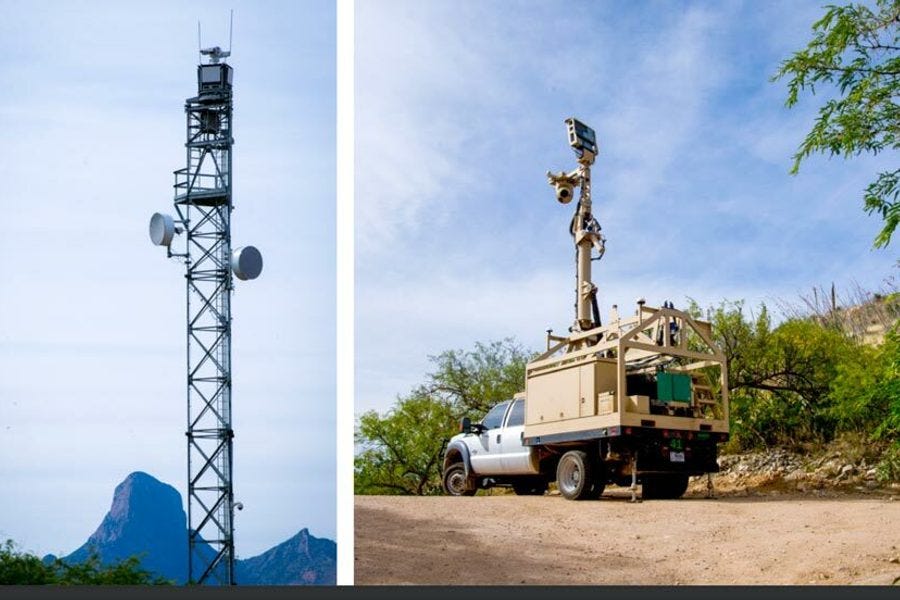
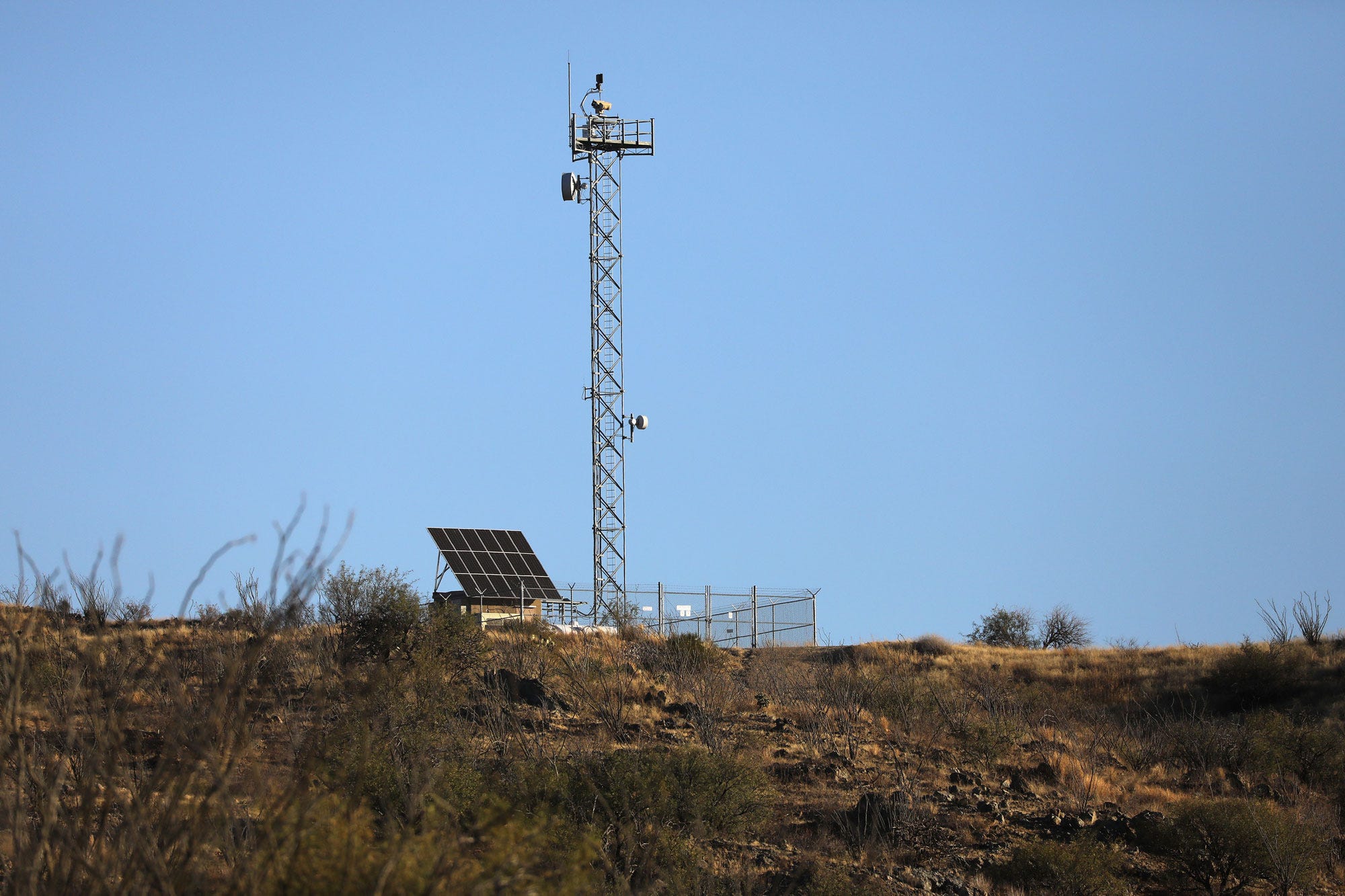
Daily Harassment: Enrolled tribal members are required to pass through armed checkpoints and prove their citizenship simply to travel between traditional villages within their own reservation.
Desecration of Sacred Sites: The construction of border barriers and surveillance sites has resulted in the unearthing of ancestral graves and restricted access to sacred ceremonial grounds split by the international boundary.
Incarceration at Former Native Concentration Camps
A particularly disturbing dimension of federal detention policy is the reuse of historical sites of Indigenous dispossession and imprisonment to hold migrants and asylum seekers:
Fort Sill’s Legacy of Containment: Located in Lawton, Oklahoma, Fort Sill originally served as a military fort and concentration camp where Chiricahua Apache prisoners of war, including Geronimo, were imprisoned by the U.S. government. It was subsequently used as an Indian boarding school designed for forced cultural assimilation.
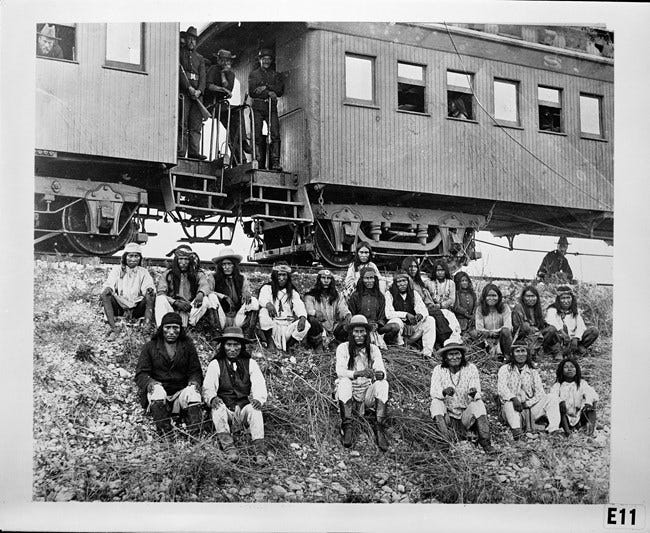
Post Apache Wars - Chiricahua National Monument (U.S. National Park Service)
Modern Migrant Incarceration: The federal government has repeatedly designated Fort Sill as a temporary detention site to hold thousands of unaccompanied migrant children and asylum seekers.
Layered Historical Trauma: Civil rights organizations, Indigenous historians, and Japanese American internment survivors have strongly condemned the practice of recycling former containment sites to incarcerate vulnerable populations today.
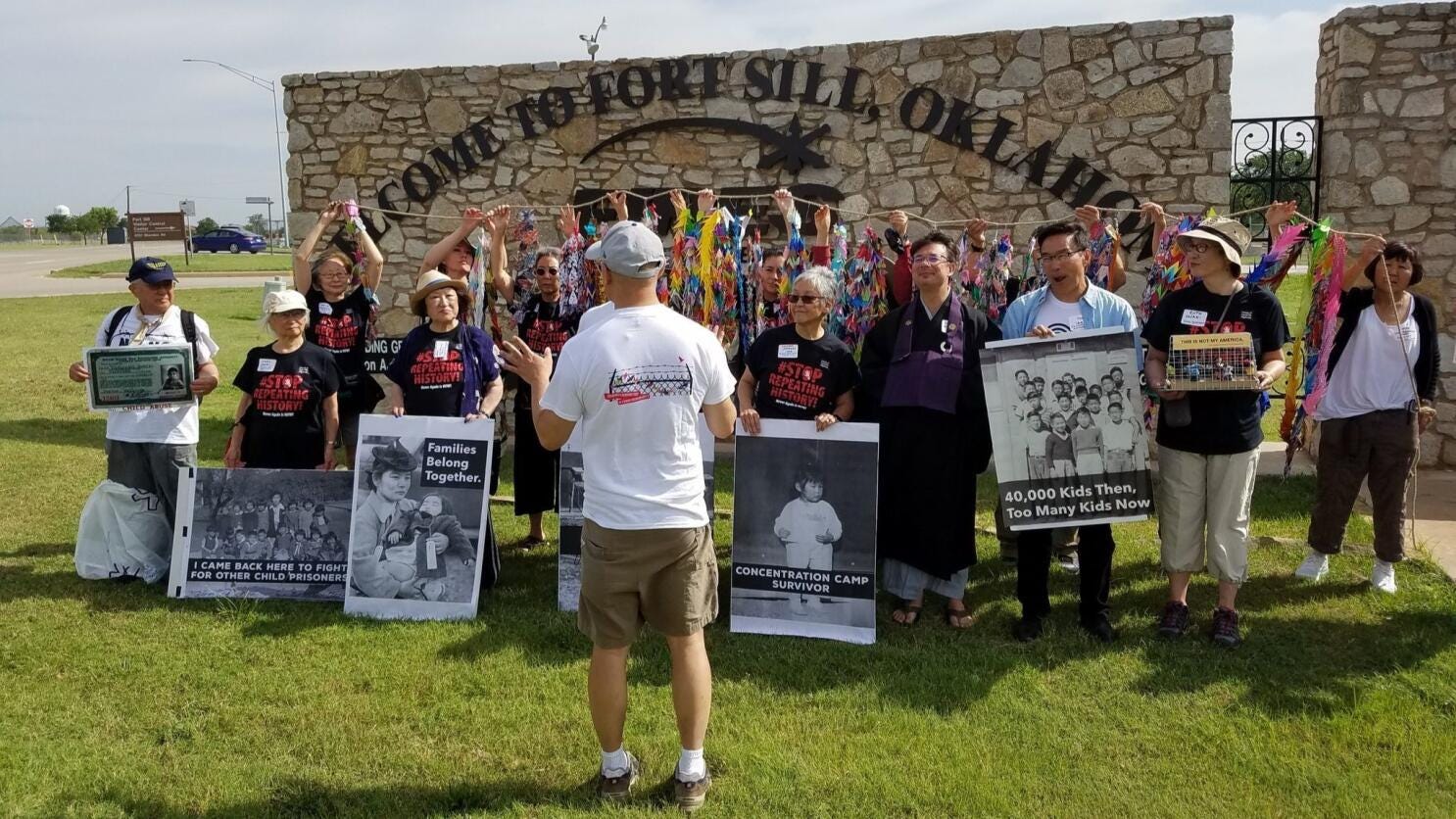
Japanese internment camp survivors protest Ft. Sill migrant detention center - Los Angeles Times
The presence of ICE on Native land and the containment of refugees at historic military forts underscore a continuous pattern of federal overreach that infringes upon tribal sovereignty and perpetuates generational trauma.
This coverage of protest actions by Japanese American survivors and Indigenous allies at Fort Sill highlights how historical sites of forced containment are being reused for migrant detention:
Plain text YouTube videos:
(Japanese-American internment survivors protest U.S. treatment of migrants – Democracy Now!, Fort Sill 2019)
The presence of ICE on Native land and the containment of refugees at historic military forts underscore a continuous pattern of federal overreach that infringes upon tribal sovereignty and perpetuates generational trauma.
This coverage of protest actions by Japanese American survivors and Indigenous allies at Fort Sill highlights how historical sites of forced containment are being reused for migrant detention:
(Japanese-American internment survivors protest U.S. treatment of migrants – Democracy Now!, Fort Sill 2019)


