

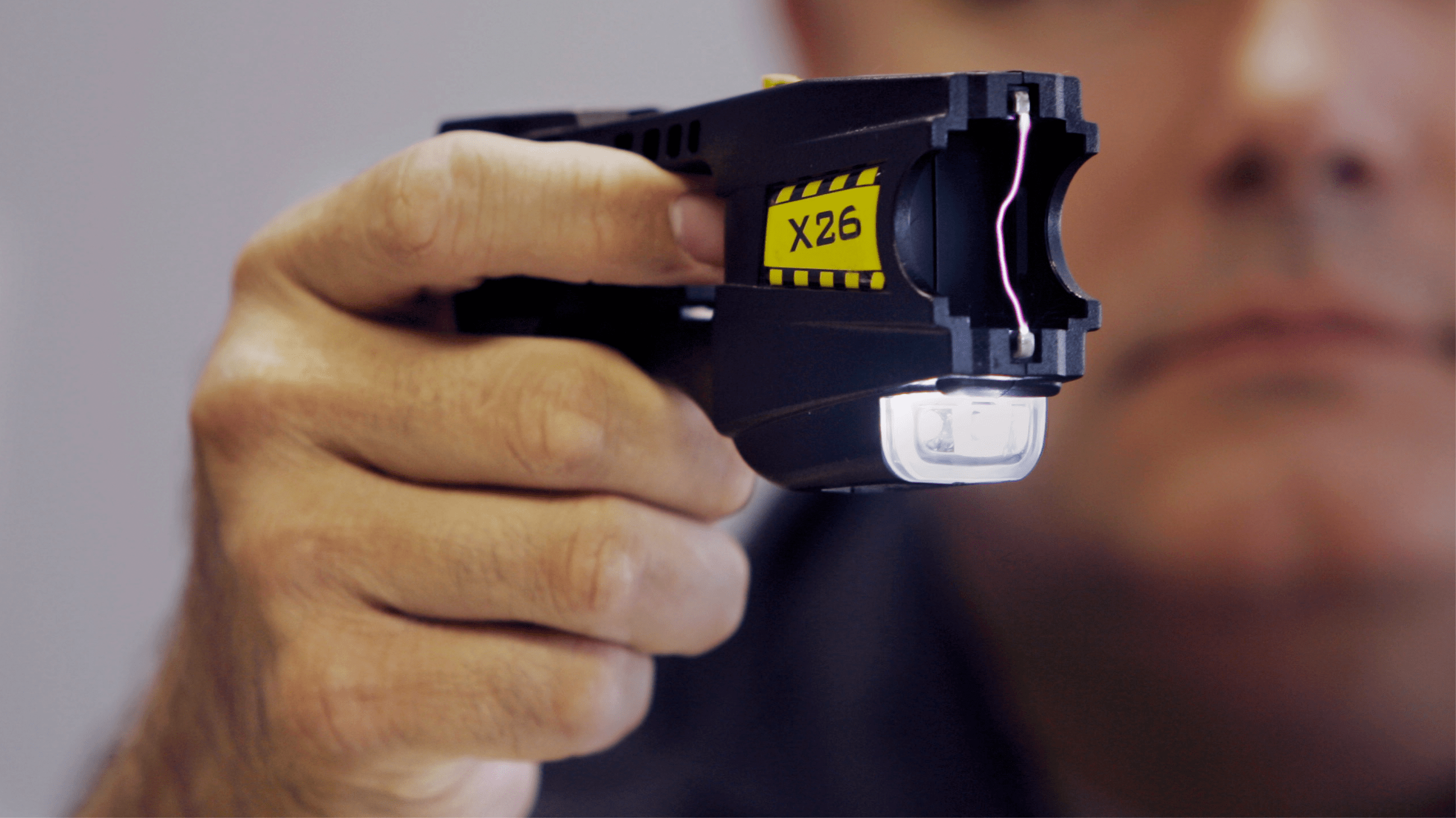
Arlington, Virginia. On August 11, federal immigration enforcement intercepted José Mejía during his morning commute to a local bus stop. Upon his attempt to flee, ICE agents deployed a Taser into his back.
Mejía regained consciousness days later in a hospital setting with severe facial contusions, sutured lacerations on his lip, and potential intracranial hemorrhaging. He is a domestic resident of eighteen years with zero criminal history.
What Police Weren’t Told About Tasers - Reveal
Taser of the type used in the August 11 encounter. Agents fired the device into Mejía’s back as he fled.
The Assault and Medical Denial
Mejía, 45, a Mexican worker living in the United States for over 18 years, was heading to the bus stop for work when a van pulled up. Agents exited, approached him, and the encounter turned violent. He tried to run. They shot him in the back with a Taser. He blacked out.
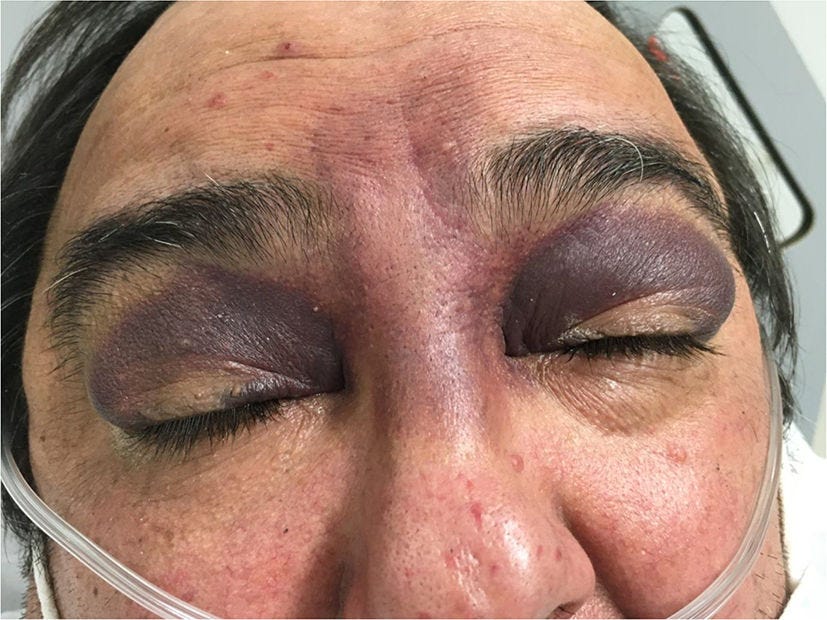
When he woke up days later in a Washington-area hospital, his face was swollen and disfigured. Black eyes. Significant bruising. Seven stitches on his lip. Doctors noted internal bleeding and a brain hemorrhage. He has no memory of the blows that produced those injuries.
Raccoon sign | Neurology perspectives
Severe facial trauma of the type reported by Mejía after the ICE encounter, including bilateral periorbital contusions consistent with blunt force or fall after Taser deployment.
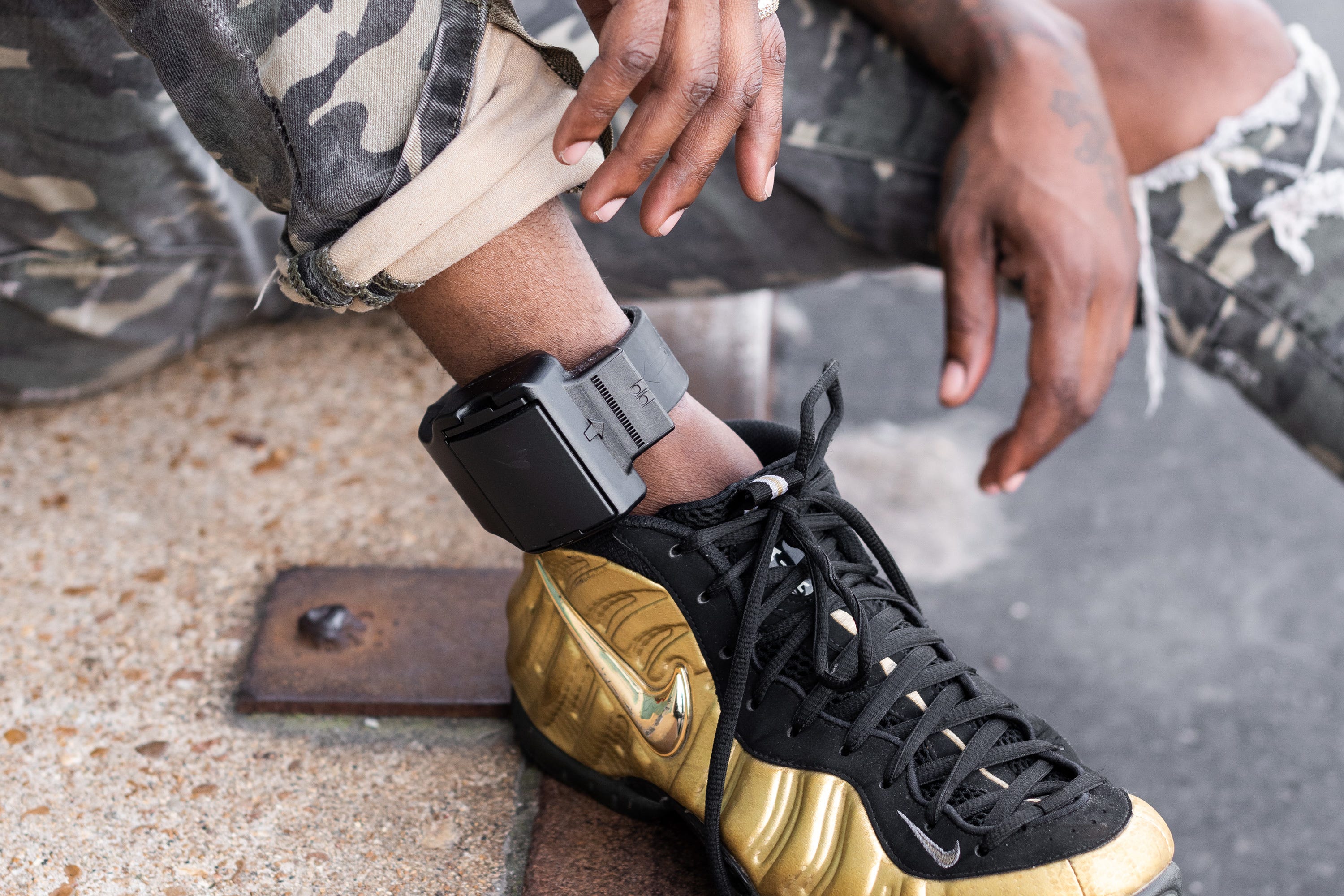
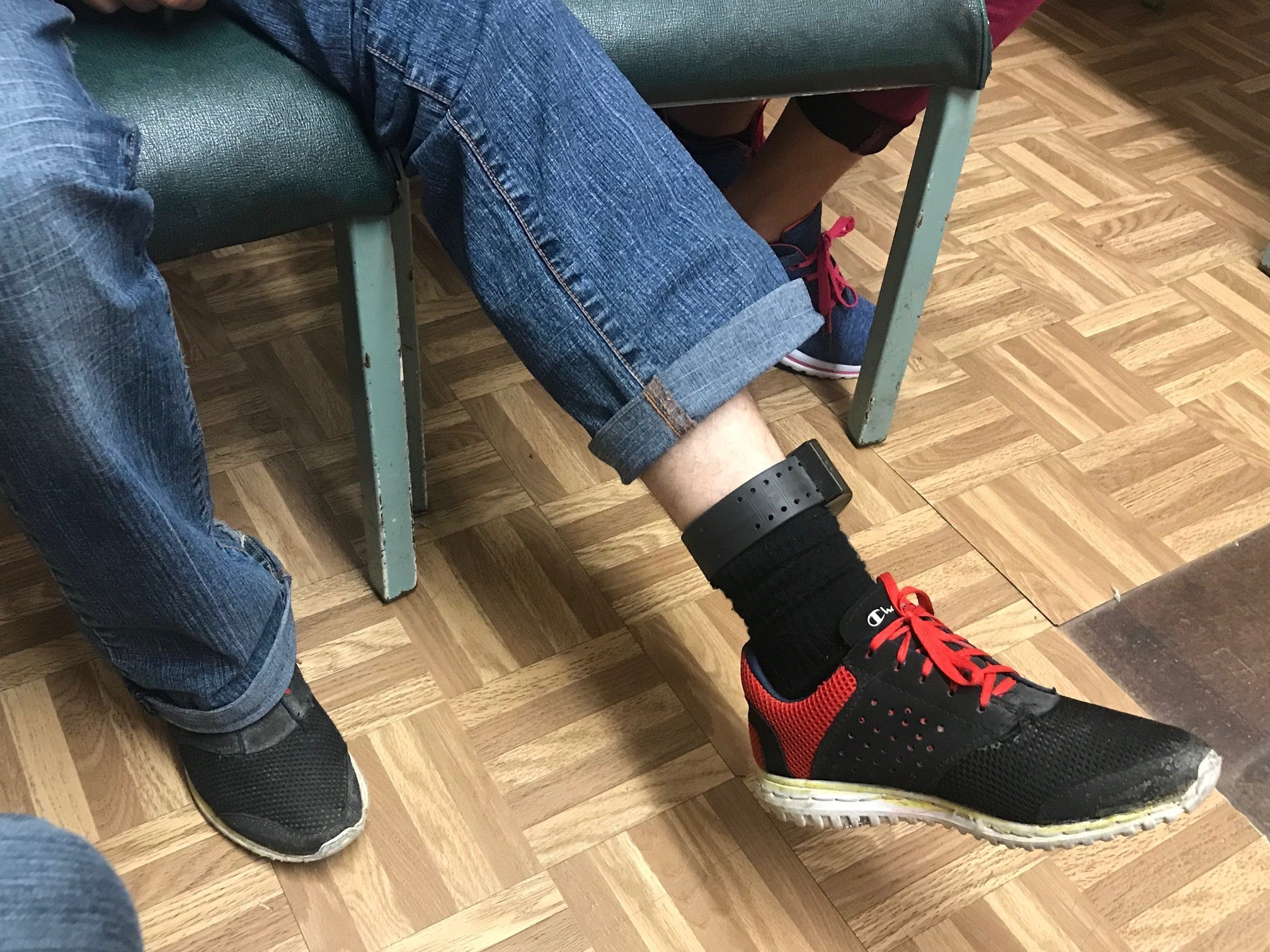
Following the assault, authorities locked a tracking ankle monitor onto his person. The metallic components of this surveillance device currently prevent medical personnel from administering a critical MRI to assess his head trauma. Doctors in Arlington have stated they cannot complete the necessary diagnostic imaging while the device remains attached. ICE has refused to authorize its temporary removal. Mejía appeared at an immigration office this week seeking judicial permission. The request was denied. He must return to ask again.
Digital Jail: How Electronic Monitoring Drives Defendants Into Debt — ProPublica
GPS ankle monitors of the type forced onto Mejía. These devices contain metal and electronics that block MRI scans, turning a medical necessity into a bureaucratic barrier.
State Violence as Policy
His ordeal exemplifies the escalating militarization of interior enforcement. The state deploys excessive force against nonviolent residents, then denies them basic medical care in order to maintain carceral surveillance. The ankle monitor is not a neutral tracking tool. It is a physical shackle that subordinates medical need to the priorities of the Deportation Industrial Complex. Private contractors profit from continuous GPS monitoring while the person wearing the device is left with unresolved head trauma.
6 things to know about ankle monitors after Dallas murder cases
Ankle monitors remain locked in place even when they block critical medical imaging. The device prioritizes state control over clinical care.


