

The Administration Betrayal
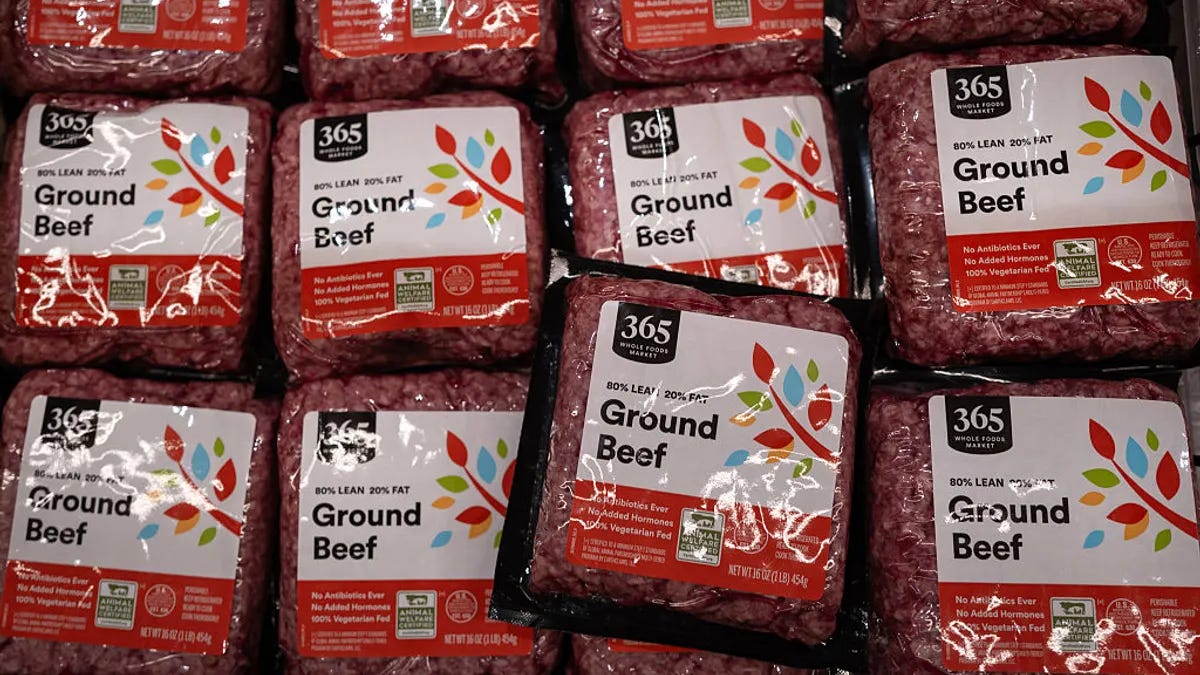
President Trump announced a 90-day tariff holiday for up to 300,000 metric tons of imported ground beef. The administration claims this will deliver product sold at 25 percent below current market rates.
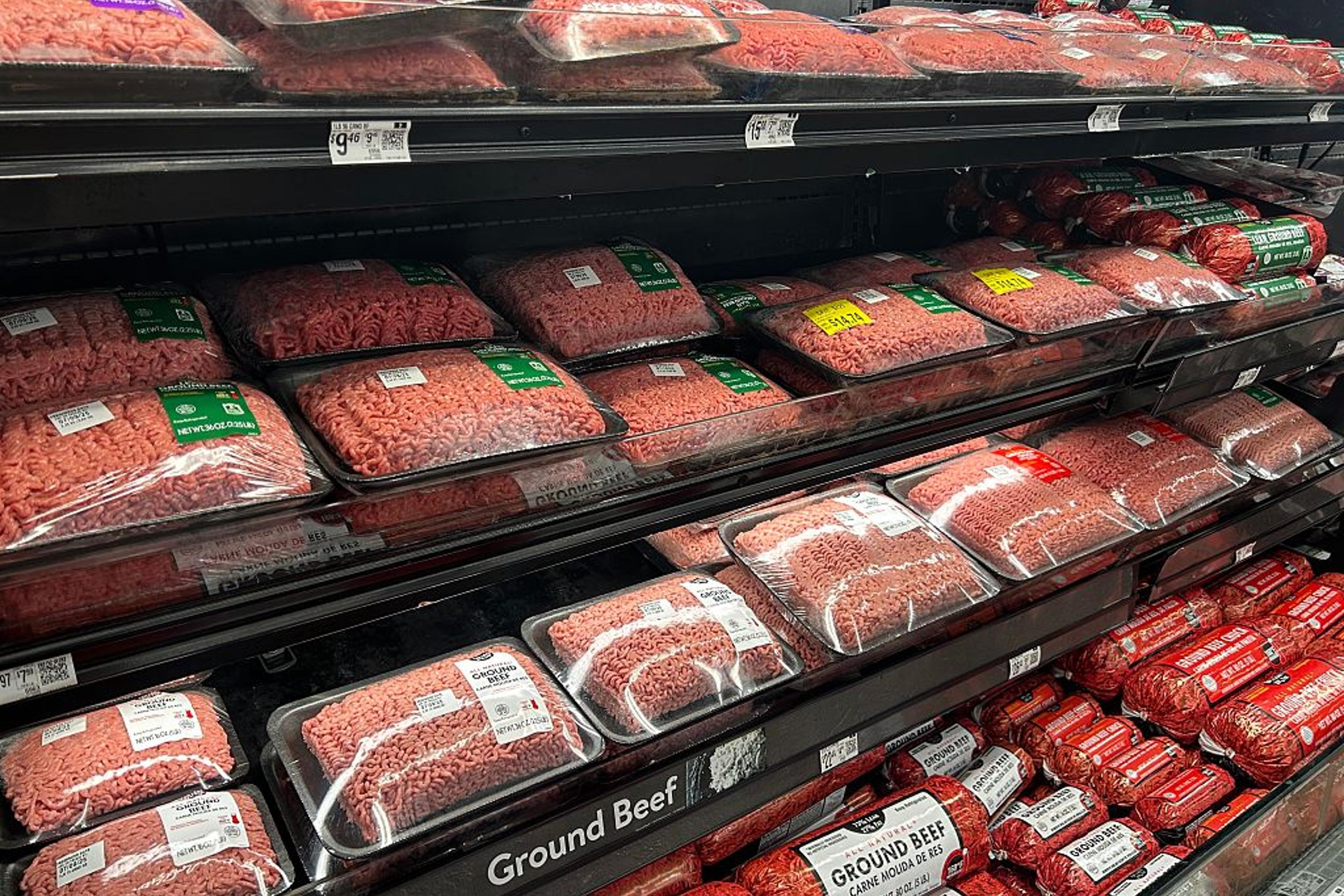
The National Cattlemen’s Beef Association and domestic ranchers see the move as trading long-term herd stability for short-term publicity. Top exporters such as Australia and Brazil already supply significant volumes; removing the out-of-quota tariff barrier (normally above $1.80 per kilogram) further floods the market.
An Engineered Market Crash
The reaction was immediate. CME Group live cattle futures opened lower. The CME Feeder Cattle Index dropped 85 cents to $341.00 on August 20. By suspending the protective tariff on that volume of imports, the policy directly undercuts domestic live-cattle pricing at the exact moment producers are deciding whether to retain heifers or liquidate.
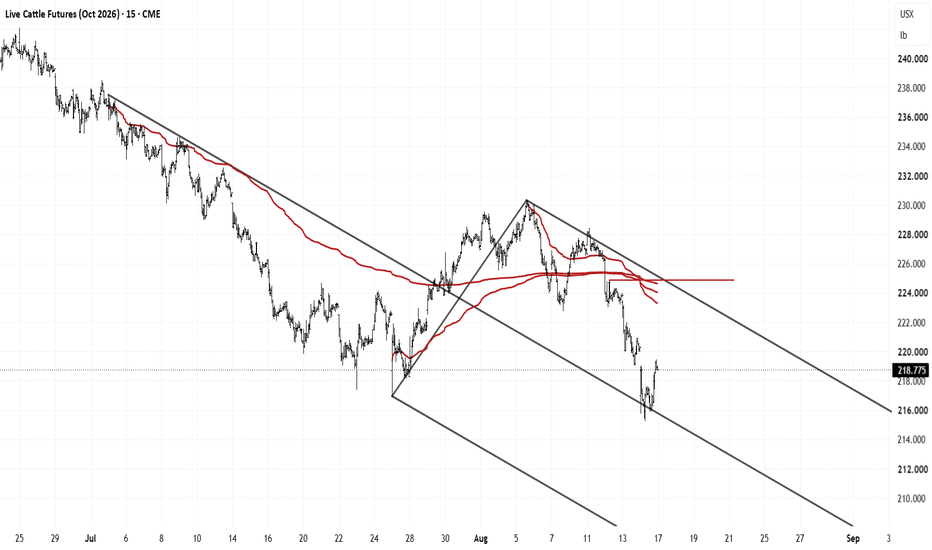
Live Cattle Futures Trade Ideas — CME:LE2! — TradingView
The Reality for Ranch Families
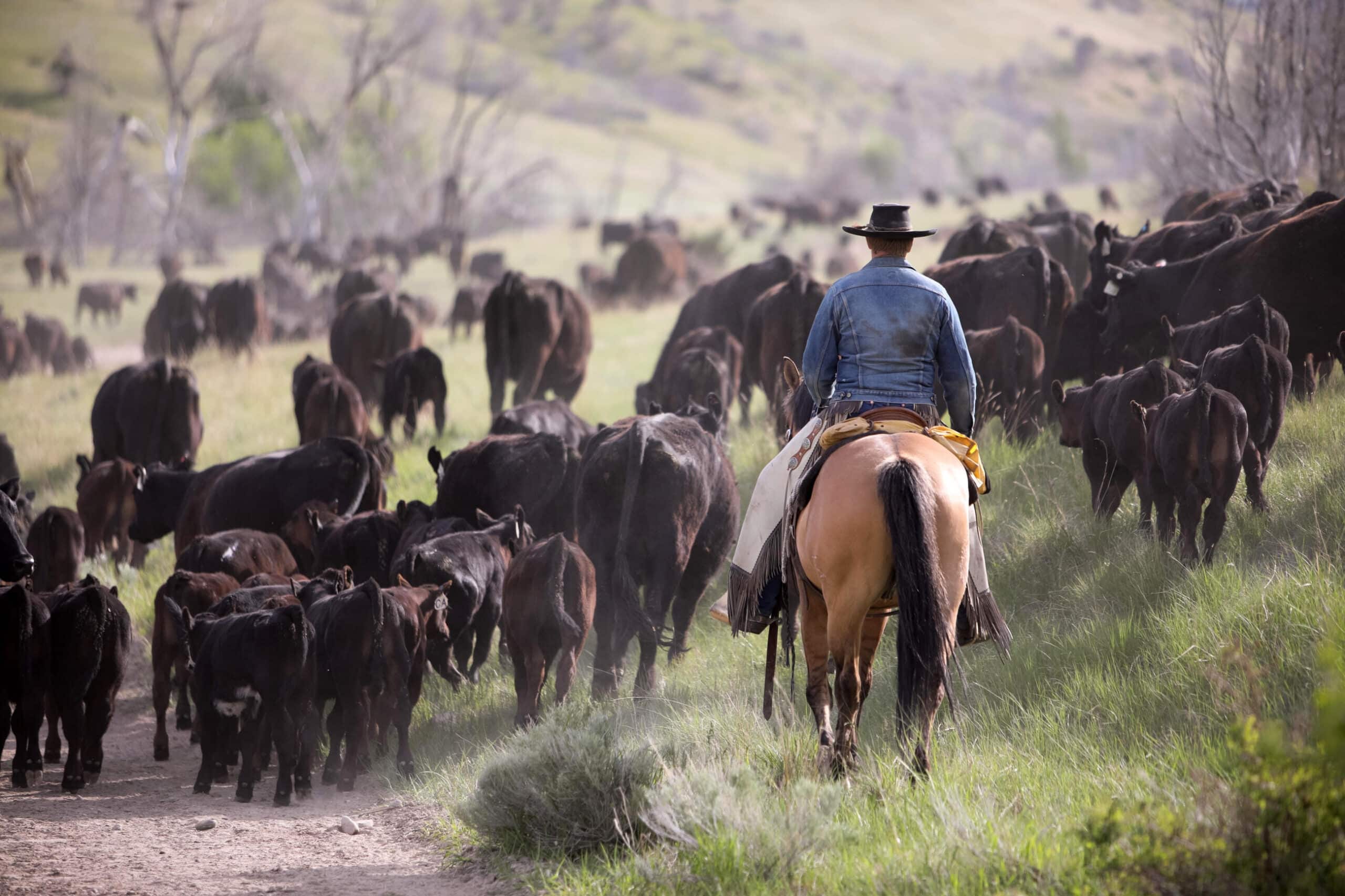
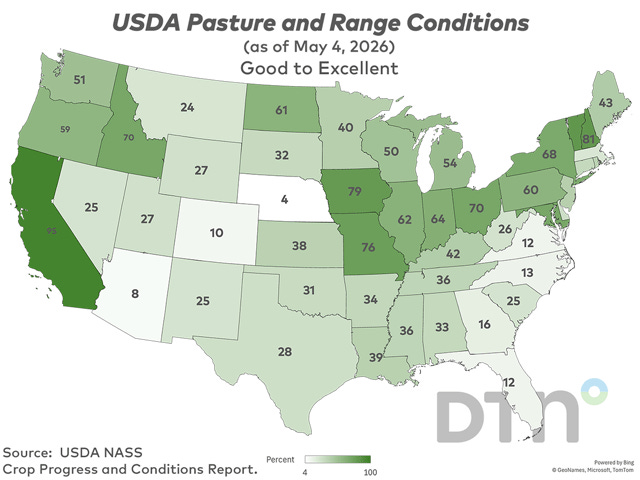
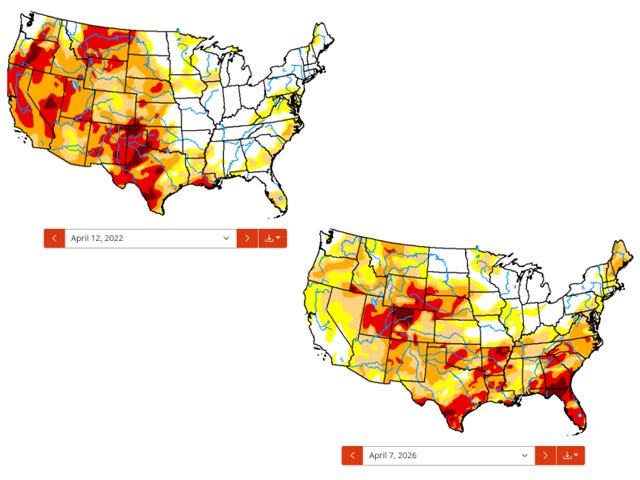
While the announcement is framed as consumer relief ahead of elections, ranch families face extinction-level pressure. The U.S. cattle herd sits at its lowest level since the early 1950s. Severe drought across the Great Plains, elevated feed costs, fuel, land, and labor expenses already constrain retention. Artificially depressed margins remove the incentive and the capital to rebuild.
The structural problem is not abstract nationalism. It is the concentration of packing capacity and the repeated use of import levers that transfer risk onto independent producers while political messaging claims to defend them. Drought and input costs are material constraints. Policy that accelerates liquidation without addressing market power or production costs simply speeds the exit of family operations.
The structural problem is not abstract nationalism. It is the concentration of packing capacity and the repeated use of import levers that transfer risk onto independent producers while political messaging claims to defend them. Drought and input costs are material constraints. Policy that accelerates liquidation without addressing market power or production costs simply speeds the exit of family operations.
Essential Video Coverage
Rancher REVEALS what must happen before beef prices finally fall:
The Real Reason Beef Prices Are So Expensive:
Rising beef prices affect ranchers and restaurants:


