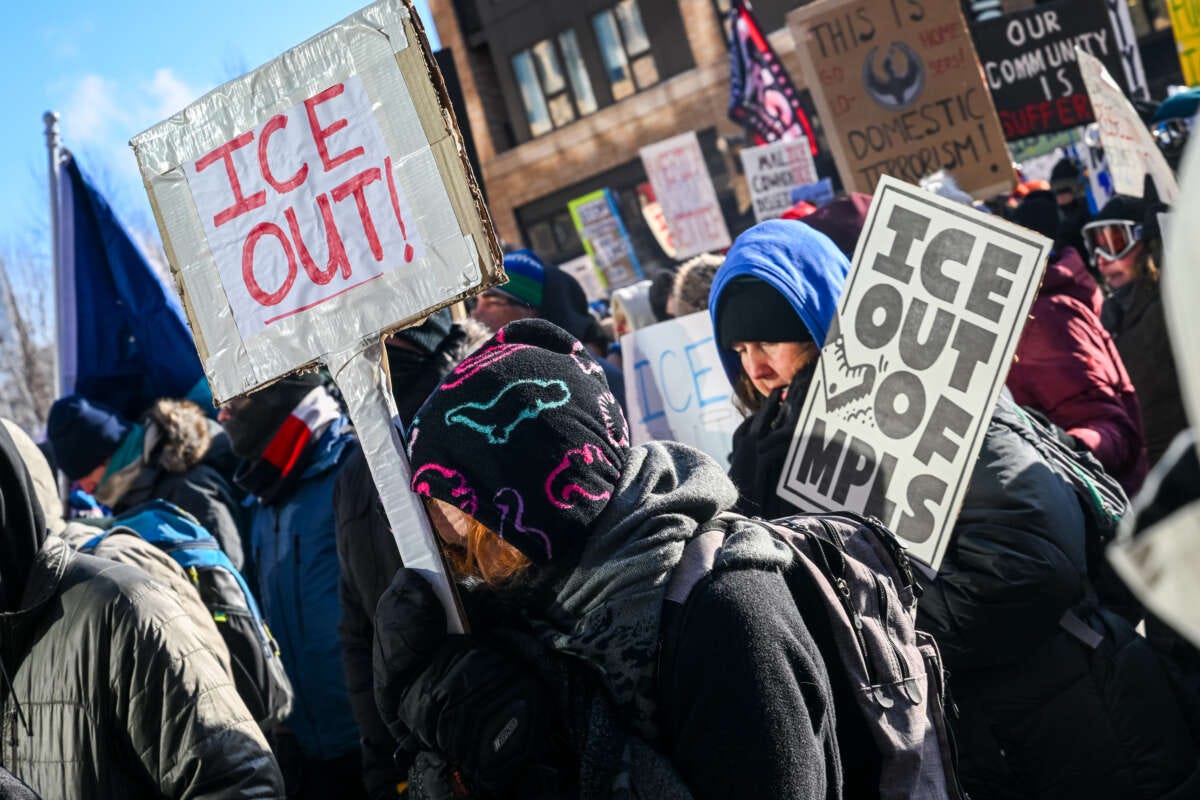
For many immigrant families living in the United States, a trip to the clinic is a calculated risk. The persistent threat of aggressive immigration enforcement has transformed places of healing into zones of profound anxiety. The severity of this crisis is thoroughly documented, with recent surveys revealing that nearly half of undocumented adults have postponed or skipped necessary medical care since January 2025 due to concerns about their immigration status.
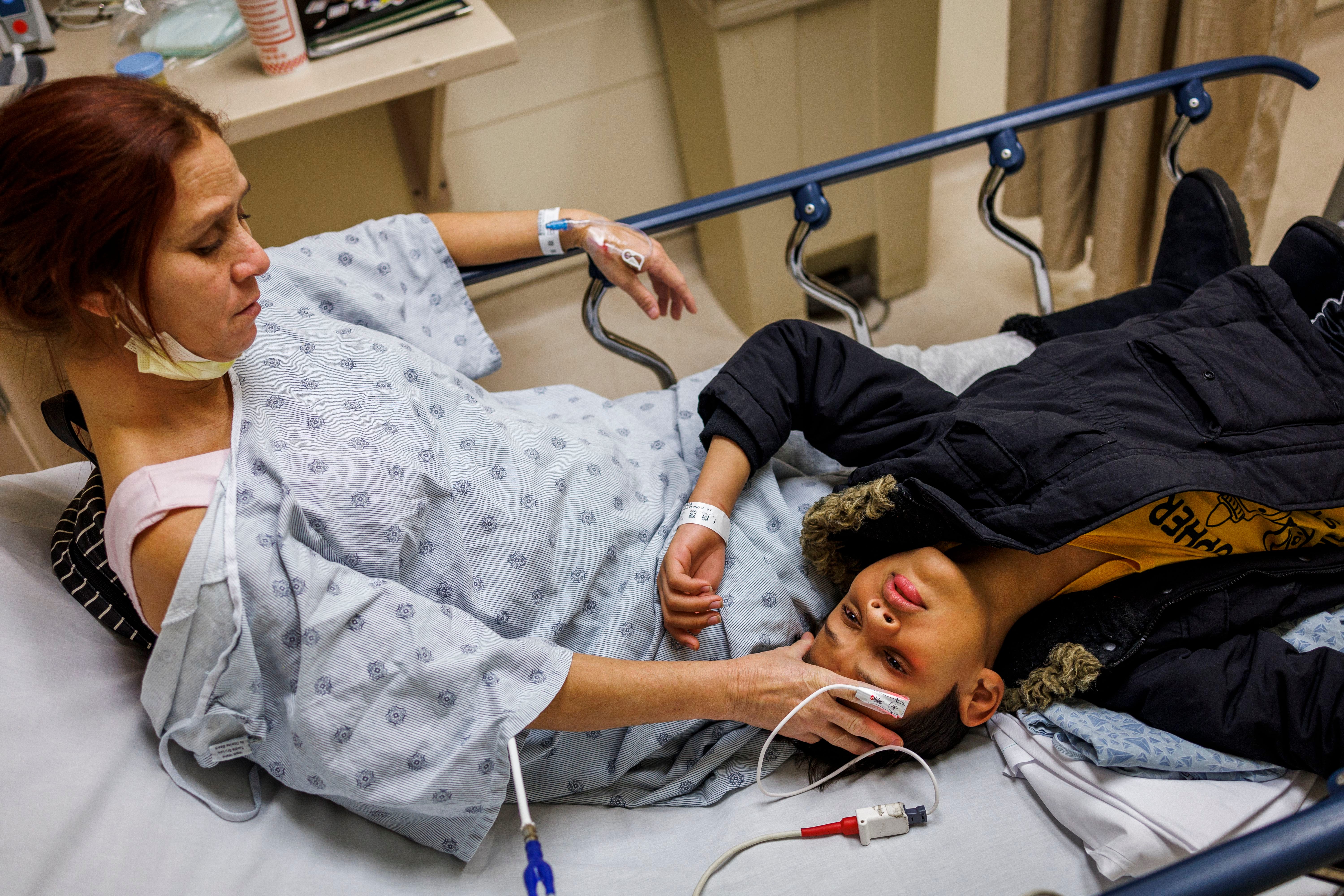
Fear of family separation prevents vulnerable individuals from receiving routine checkups, emergency interventions, and ongoing treatments. When the risk of visibility outweighs the basic human need for health, entire communities suffer preventable physical and psychological trauma.
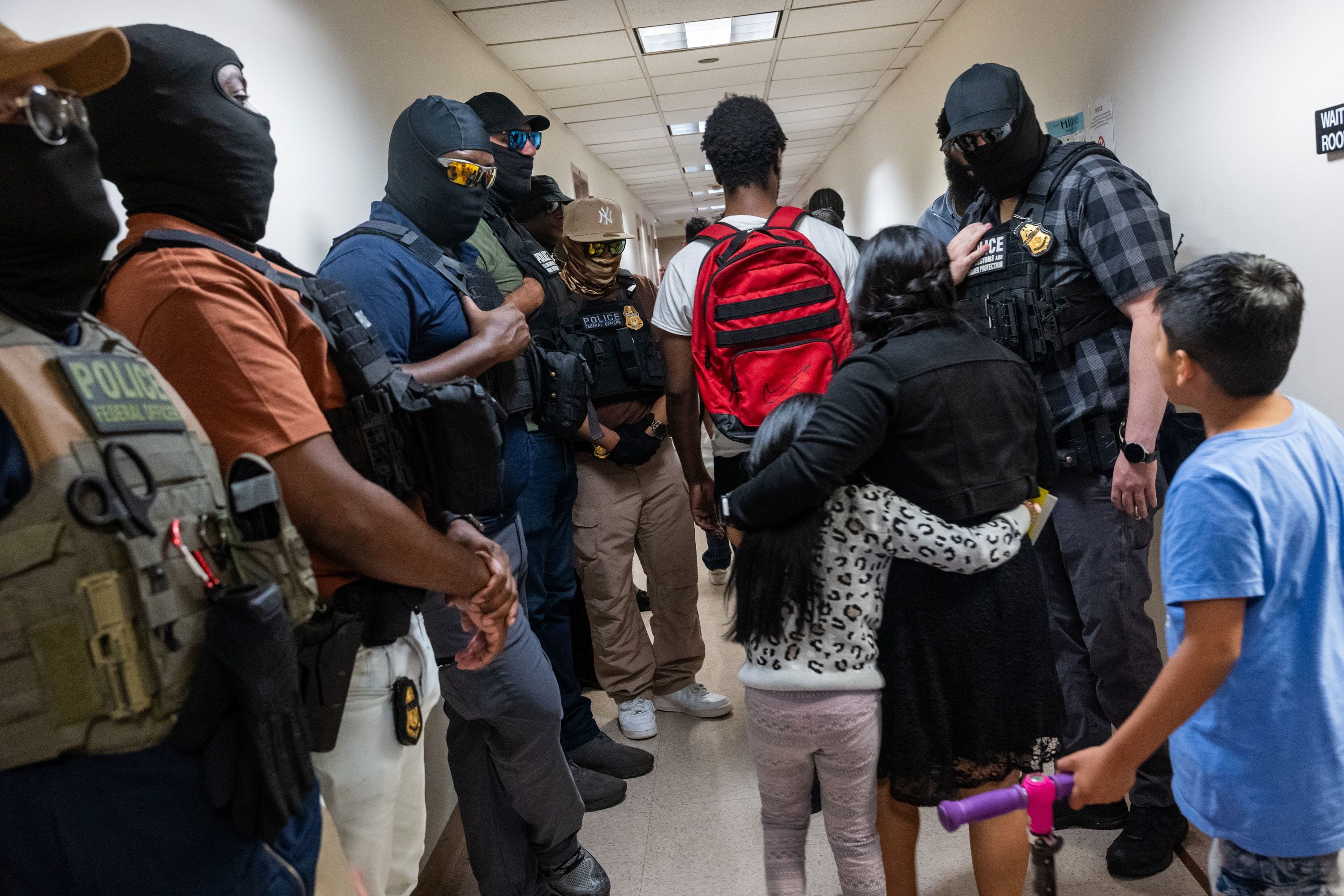
The Legal Mechanism Driving the Fear
The anxieties keeping families out of clinics are grounded in very real shifts in deportation policy. The recent video analysis details how the executive branch is actively deploying a specific statutory mechanism to deter border arrivals. Under 8 USC 1231, individuals subject to removal are classified into categories that dictate deportation procedures.
For those classified as arriving aliens, the government exercises broad discretion over the removal destination. The statute permits deportation to an alternative nation if returning the individual to their country of citizenship is deemed impracticable, impossible, or inadvisable.
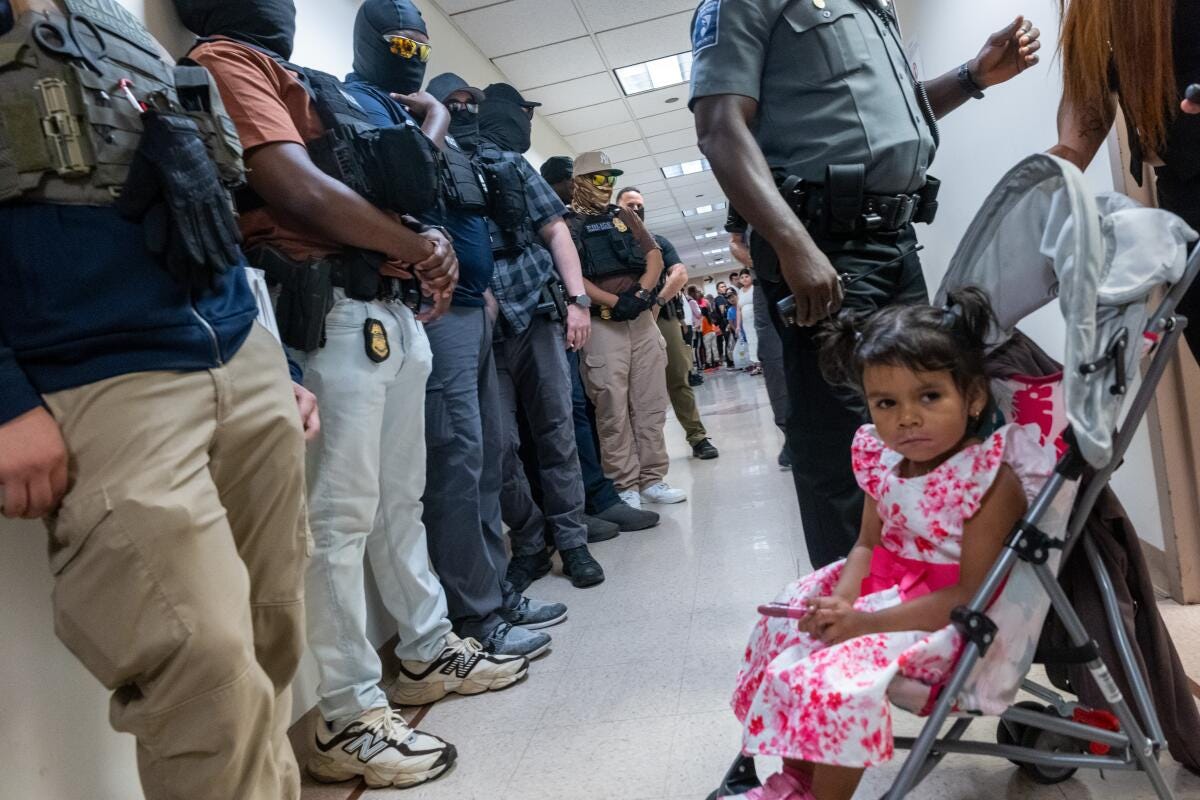
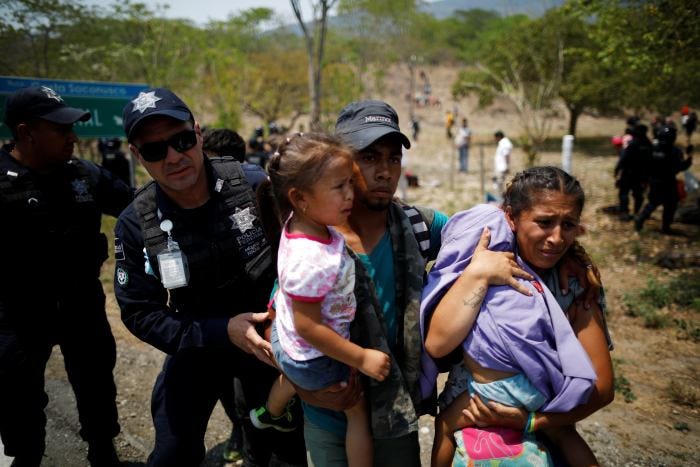
Lawyers fear 1,000 children from Central America, dozens in California, are at risk of being deported - Los Angeles Times
Third Country Removals as Deterrence
Administrators are heavily exploiting the term “inadvisable” within this statute. By claiming that standard repatriation is inadvisable, officials legally bypass normal deportation routes in favor of punitive deterrence.
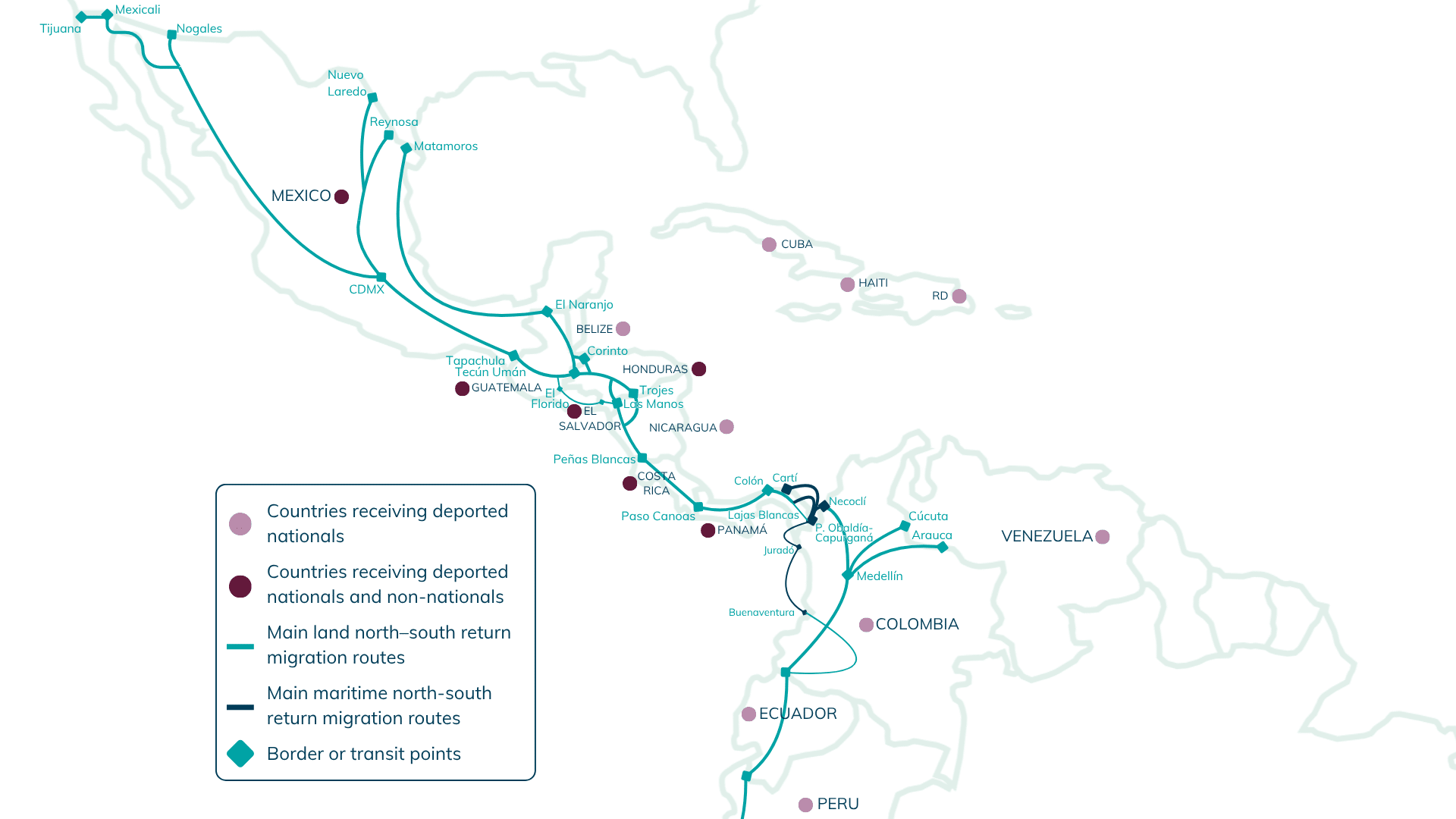
Mexican nationals arriving at the border are intentionally being routed to Central American nations like Honduras and Guatemala.
This strategy occurs despite the Mexican government being fully willing to accept the return of its own citizens.
Reports confirm that regular forced transfers of Mexican nationals to Guatemala began in spring 2026 without public agreements detailing these specific transfers.
The primary goal is to send a chilling message to anyone considering crossing the border, utilizing the threat of banishment to a distant, unfamiliar country.
This aggressive enforcement framework directly fuels the panic seen in hospital waiting rooms. The fear of encountering an immigration official or having private medical data weaponized keeps parents from taking sick children to the doctor.
Healthcare workers have begun organizing against the intrusion of enforcement into care settings, recognizing that turning clinics into enforcement zones produces predictable, preventable harm.