

On the morning of August 11, 2026, José Mejía Hernández, 45, left his home in the Arlington area to catch a bus to work. He has lived in the United States for 18 years. He has no criminal record beyond a 2020 public intoxication conviction. He was carrying an umbrella in the rain.
Two trucks pulled up. Men got out. Mejía ran. He felt a Taser strike his back. He lost consciousness. Hours later he woke up in a Washington hospital with ICE agents at his bedside.
His face was destroyed. Bilateral black eyes. Deep facial bruising and cuts. Seven stitches in his lip. Hospital staff diagnosed a traumatic brain injury with brain hemorrhage. He has no memory of the blows that produced the facial trauma after the Taser deployment.

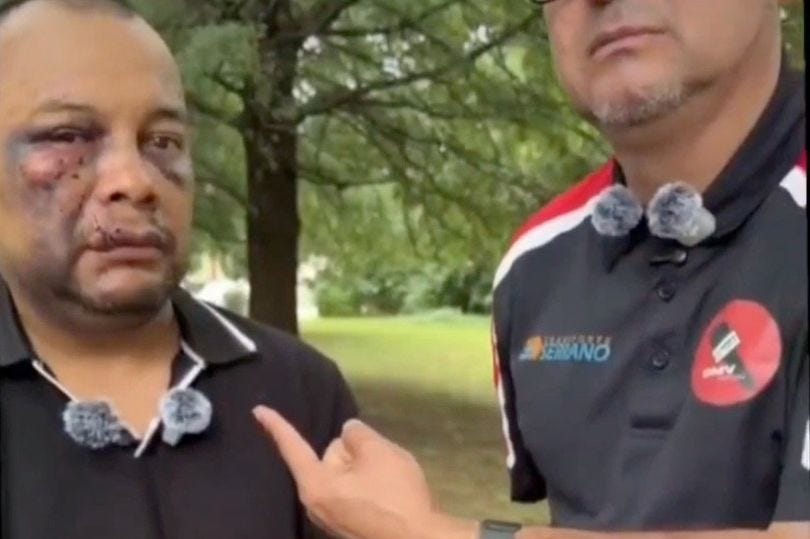
Mejía spent three days in the hospital. Agents remained present. His family was not notified. He was released under GPS ankle monitoring and given a Notice to Appear. Within days his symptoms worsened. He returned to the hospital. Doctors again confirmed the brain bleed and ordered an MRI to measure the swelling and residual hemorrhage.
MRI machines use powerful magnets. The electronic ankle monitor cannot stay on the body during the scan. ICE refused to remove it. Officials demanded a confirmed appointment date and time before they would even consider temporary removal. Mejía was forced to travel repeatedly between the hospital and the immigration office in Annandale while still symptomatic, dizzy, and in pain.
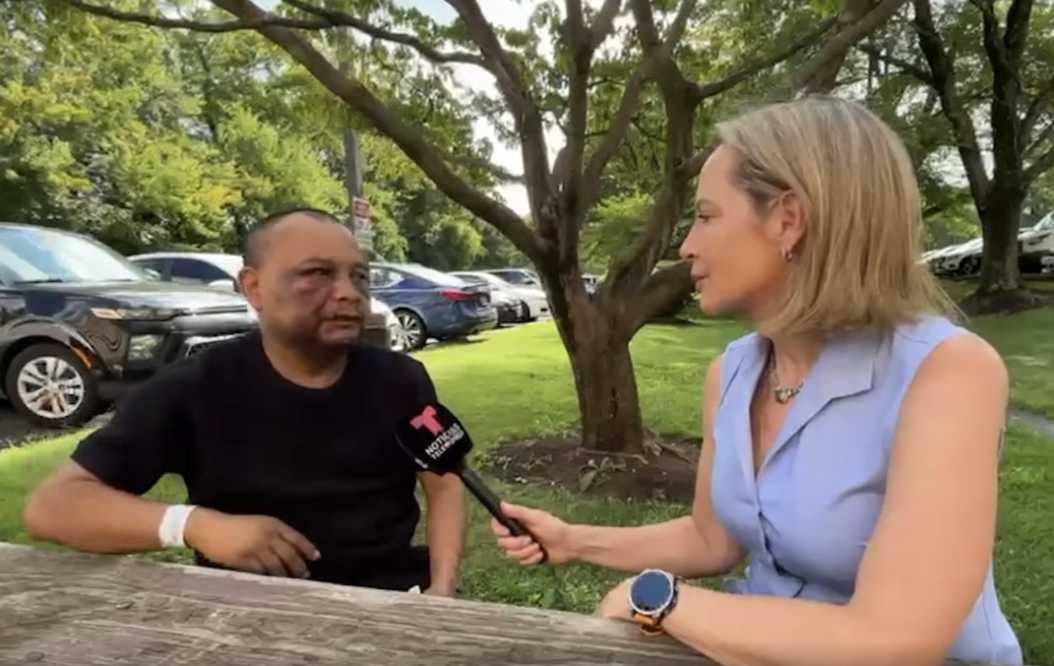
ICE agents reportedly injure man in Arlington, prompting outcry from officials | ARLnow.com
On August 18, after public pressure, the presence of the Mexican consul, and media coverage, ICE finally removed the monitor long enough for the imaging. His attorney, Carlos Jurado, has stated that the facial injuries are inconsistent with a simple fall after a Taser and that the agency’s handling of medical access was obstructive.
DHS responded by labeling Mejía a “criminal illegal alien,” stating he fled and that agents used “necessary force,” and denying that he lost consciousness. The agency claims officers rendered aid and that he was responsive. It also asserts that monitors can be removed for medical procedures when proper documentation is provided. The gap between that claim and the actual multi-day obstruction remains unexplained.
Mejía has said the same thing in every interview: he does not know why the agents attacked him with that level of force, and the injuries to his face and head do not match a controlled takedown. The visible record on his face, the hospital diagnoses, the delayed imaging, and the bureaucratic loop forced on a man with a documented brain hemorrhage form the material facts of the case.


