

Congresswoman Maxine Dexter recently conducted an unannounced inspection of the Northwest ICE Processing Center on a Saturday. The visit was mobilized after advocacy groups, including La Resistencia, and social media networks reported an ongoing 140-person hunger strike at the facility.

Because the state of Oregon sends a majority of its detained individuals to this specific initial processing center, the situation demanded immediate oversight. The inspection was purposefully unannounced to ensure facility administrators could not clean up the units or alter operational conditions prior to the delegation’s arrival.
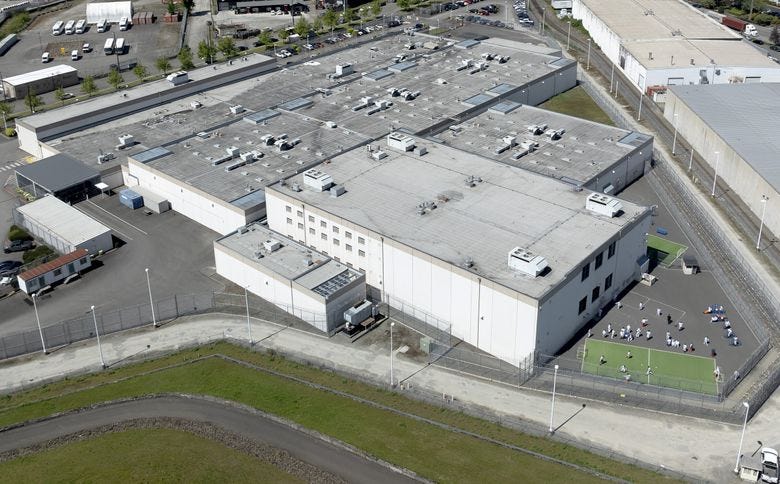
Despite her congressional authority and mandate for oversight, Dexter’s access to the facility was severely and deliberately restricted. Congressional representatives were explicitly denied access to the medical wing and medical staff. The delegation had arrived with the explicit intent to meet with the participating individuals to understand their grievances and evaluate any changes the facility had made in response to the strike. Instead, facility administrators obfuscated the situation and only showed paperwork for areas of the center not participating in the strike. Ultimately, with an attorney assisting to secure privacy releases, the delegation was only able to meet with one detained individual out of the two who were waiting to speak with them.
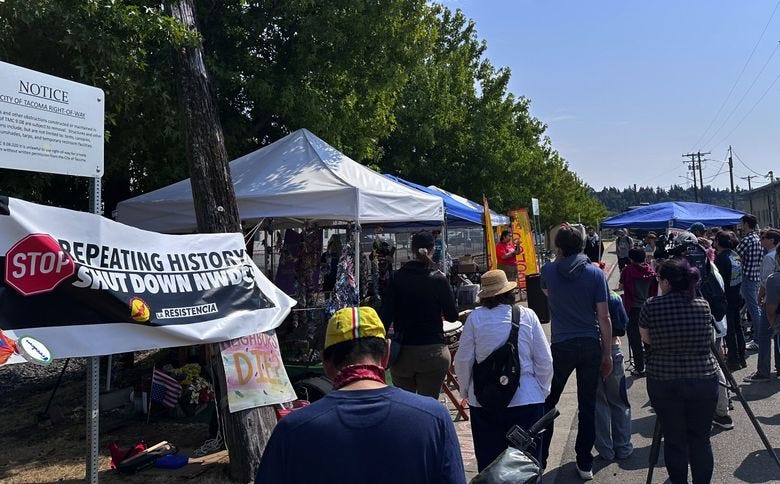
Troubled by new hunger strike, congresswomen inspect Tacoma ICE center | The Seattle Times
The testimony gathered from that single interaction exposed catastrophic institutional failures regarding basic human rights and access to care. Dexter spoke with a detained individual named Omar, who has paraplegia and is actively seeking required medical care and physical therapy.
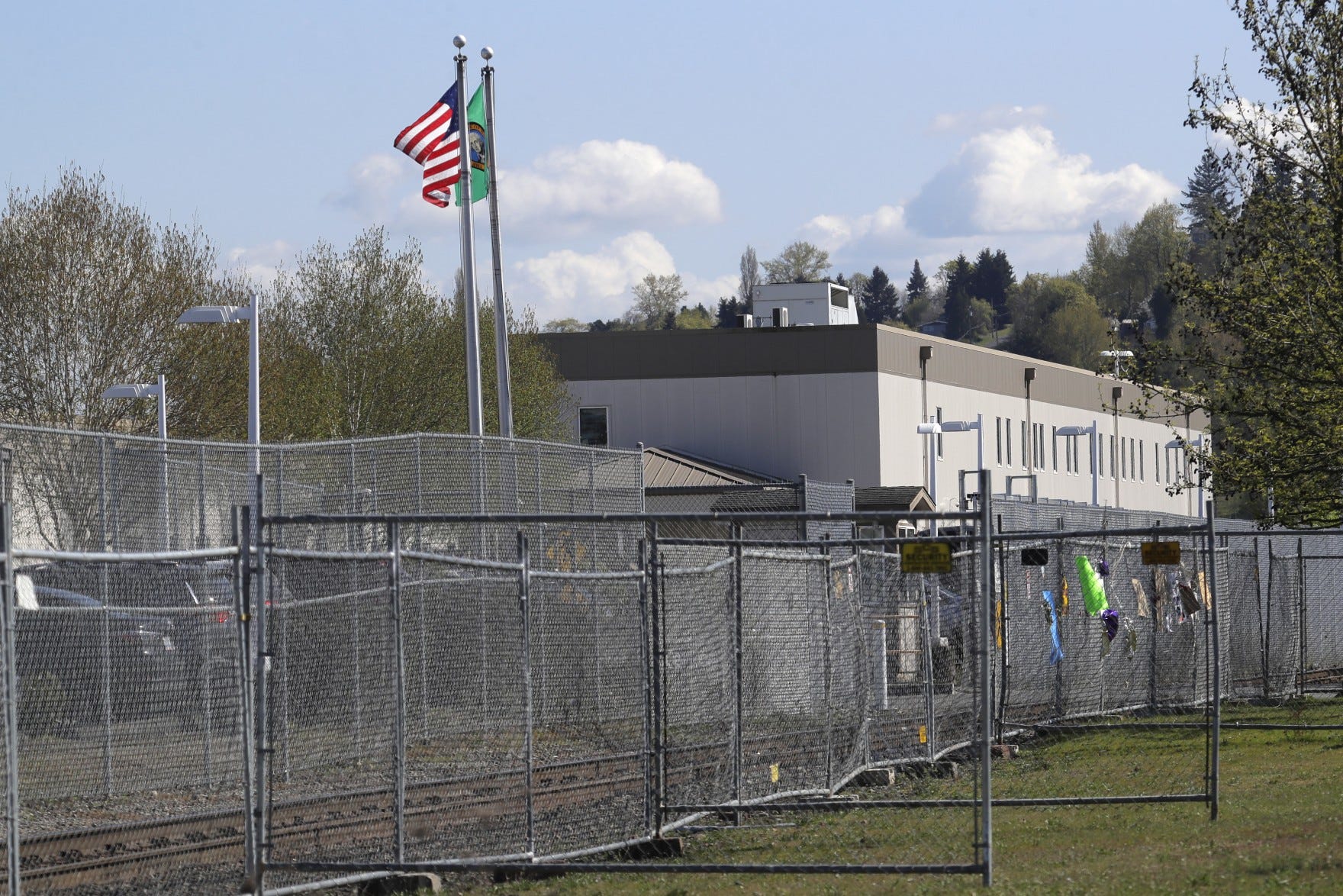
Dexter discovered that the facility’s internal system makes accessing this necessary care virtually impossible. To receive a short-term medical evaluation, detained individuals are forced to sign up and then must be awake between the narrow window of 5:00 AM and 6:00 AM. If a person is not awake during this exact hour when medical staff arrive, they completely miss their opportunity to be seen.
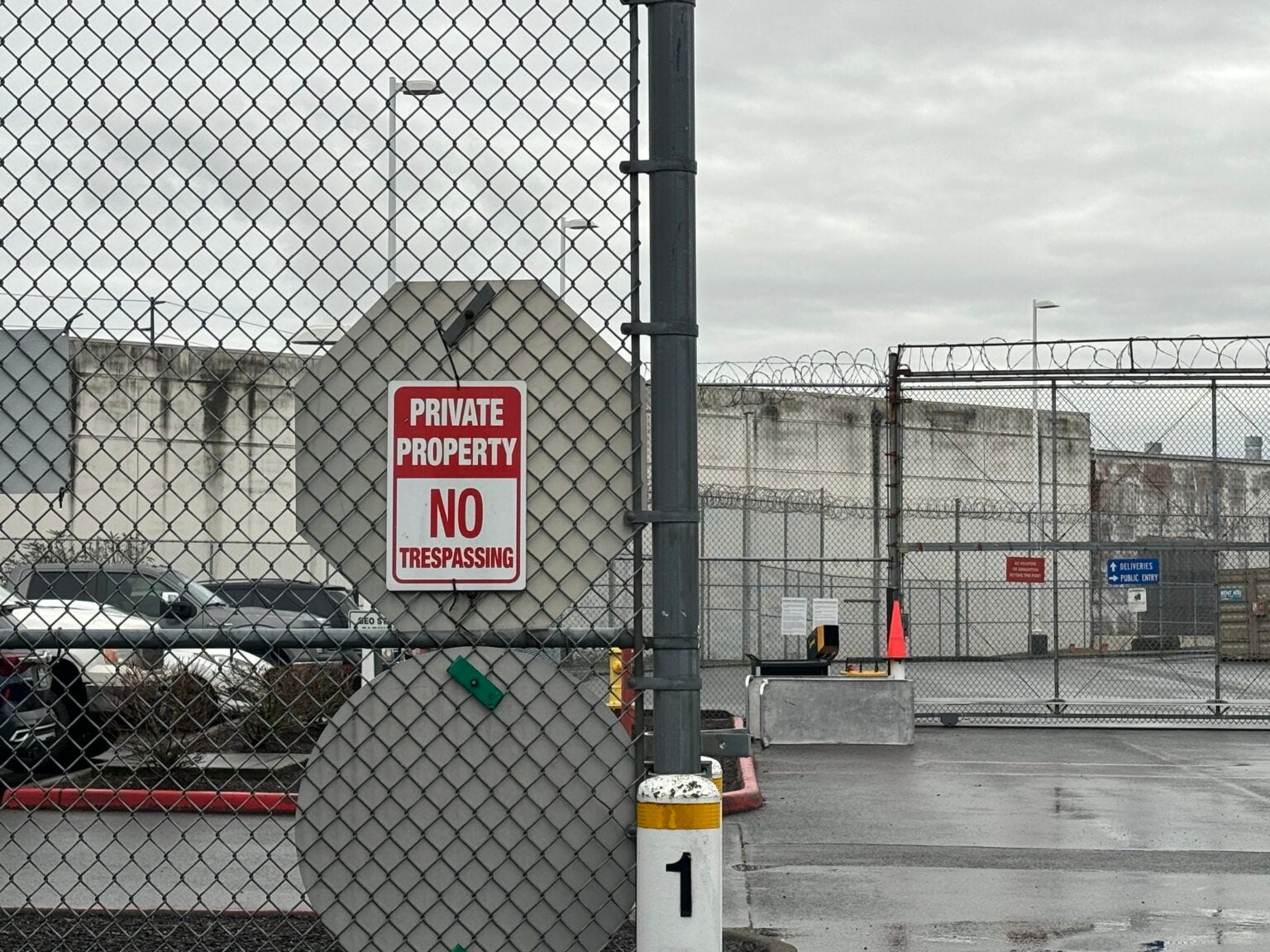
This is not bureaucratic friction. It is a designed bottleneck that converts medical need into administrative denial. The Northwest ICE Processing Center is operated by the GEO Group, a private prison corporation that extracts profit from indefinite federal detention contracts. When oversight is blocked, when medical wings are sealed off, and when people with paralysis must gamble their only chance at care on a one-hour window before dawn, the facility is not “failing standards.” It is fulfilling its material function: warehousing human beings under conditions that degrade them while the contractor collects public money.
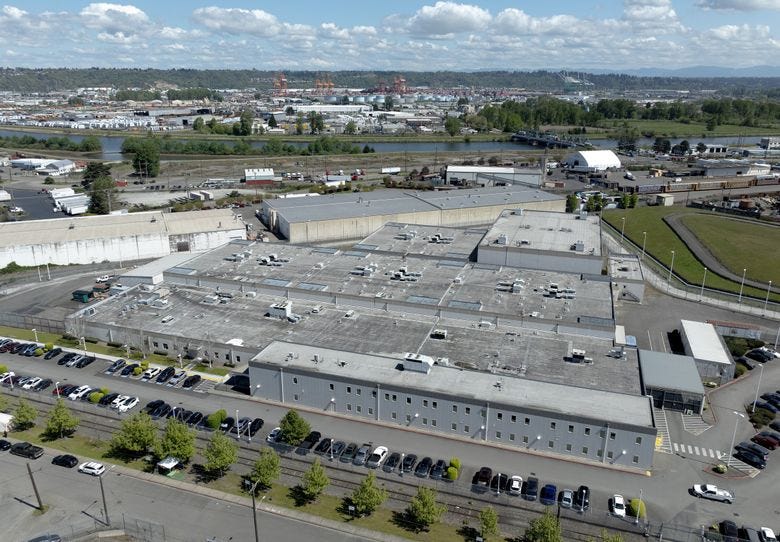
Following the restricted inspection, Congresswoman Dexter stated that the government is fundamentally obliged to provide standards of care, nutritional access, and human safety when holding people in custody against their will. Her final assessment of the Northwest ICE Processing Center was clear: the facility is not simply failing to meet basic operational needs, but is actively doing harm to the people trapped inside.
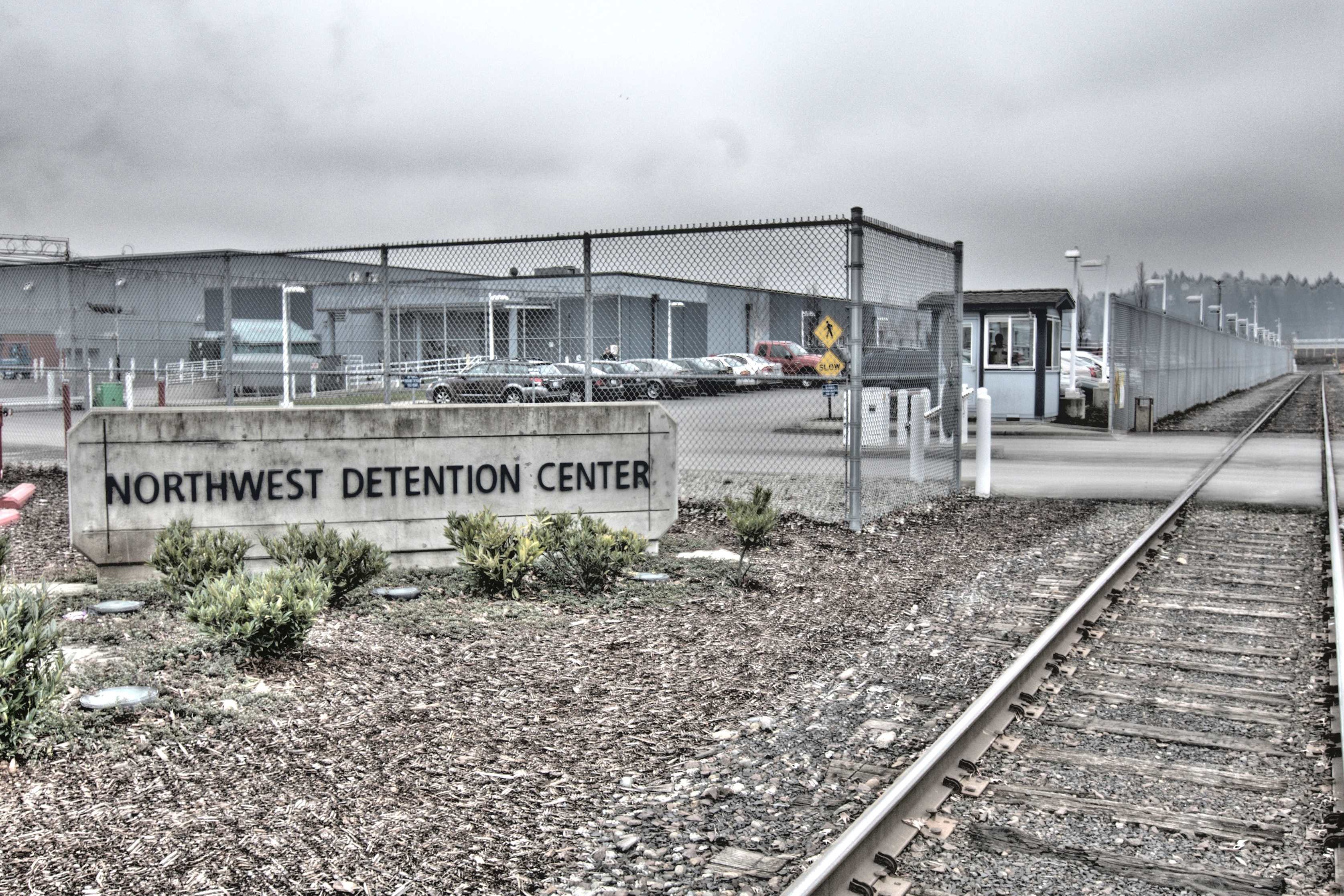
The pattern is consistent. Hunger strikes recur because other levers of accountability have been systematically sealed. State health inspectors have been turned away for years. Congressional access is narrowed to controlled tours and selective paperwork. Medical neglect is rendered invisible by protocol. The result is a privately run node in the deportation apparatus that operates with minimal external scrutiny and maximum extractive capacity.


