

A dangerous public health conflict is unfolding in Aurora, Colorado. On August 13, 2026, the Colorado Department of Public Health and Environment (CDPHE) escalated a months-long dispute with private prison giant The GEO Group by issuing Public Health Order 26-02. The directive demands complete medical records, contact-tracing data, and exposure logs related to a confirmed active case of tuberculosis (TB) inside the Aurora ICE Processing Center.
While state and local officials struggle to verify the extent of the outbreak, GEO Group’s refusal to grant access has transformed a routine disease investigation into a high-stakes legal and constitutional battle over private prison oversight.
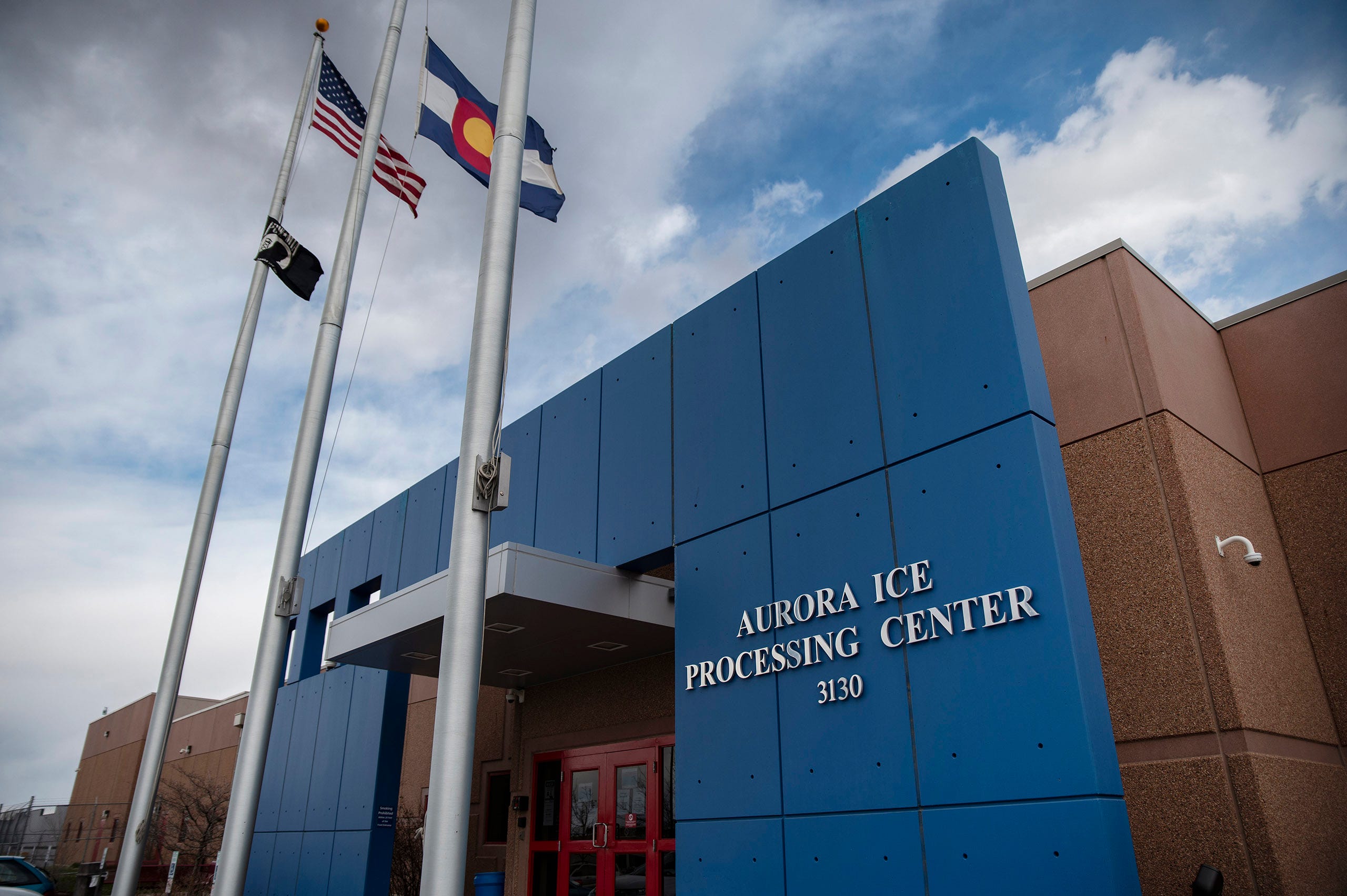
Colorado issues new order over tuberculosis at ICE detention center
An Outbreak in the Dark
The conflict began on June 22, 2026, when a laboratory confirmed a case of active pulmonary tuberculosis in a detainee at the Aurora facility. Three days later, on June 25, the Adams County Health Department issued a public health order requiring immediate access to the facility, patient medical histories, and contact-tracing records.
GEO Group—the Florida-based private corporation operating the facility under contract with Immigration and Customs Enforcement (ICE)—effectively stonewalled local authorities. The company provided only vague, generalized assurances, claiming the infected individual was isolated, treated, and eventually deported, and asserting that “no active cases remain.”
However, standard epidemiological protocol requires public health professionals to independently verify underlying clinical data, air circulation systems, and post-exposure testing. Because GEO Group blocked inspectors, state health officials note they cannot verify whether staff, contractors, or as many as 61 potentially exposed detainees were properly screened or treated.
Community advocates and former detainees have raised further concerns, citing testimonies of unmonitored symptoms inside cramped dormitories and inadequate medical follow-up.


Months of Warnings, Zero Answers
The state’s August 13 public health order follows weeks of unanswered demands across multiple levels of government:
June 25, 2026: Adams County Health Department issues an explicit public health order demanding entry and health records.
July 14, 2026: CDPHE Executive Director Jill Hunsaker Ryan sends GEO Group a formal demand for clinical details.
July 17 & 20, 2026: Colorado Governor Jared Polis’s office follows up with two direct requests for exposure logs.
“The time for cooperation is long-since overdue.”
— Adams County Health Department
With GEO Group facing an August 17, 2026 deadline to hand over data to CDPHE and the Denver Health Tuberculosis Clinic, Colorado Attorney General Phil Weiser has made clear his office is preparing to enforce the order in court.
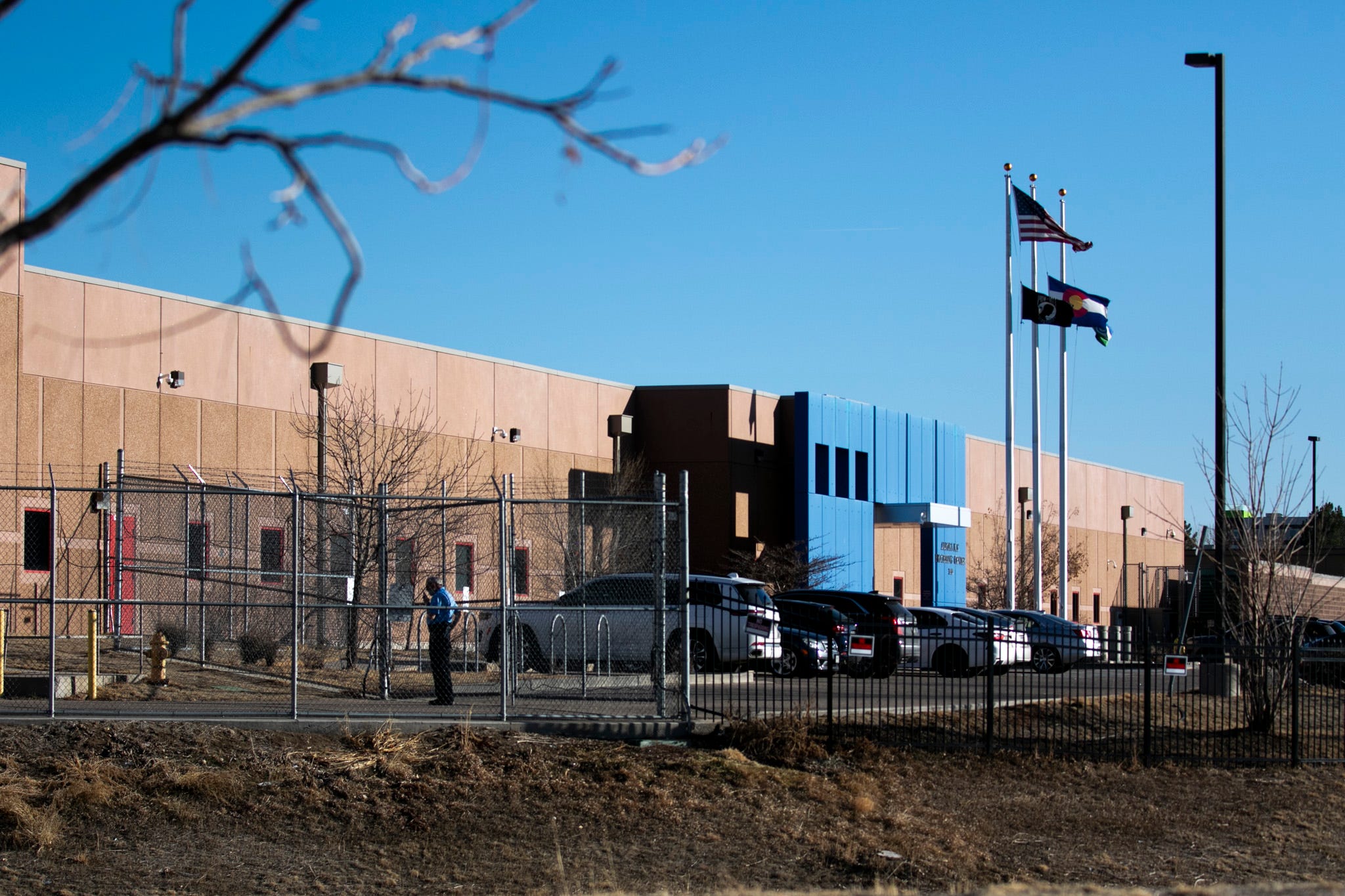
June 10, 2026: GEO Group fights ICE facility inspections; the impossible math of paying childcare workers; a former World Cup player looks back | Colorado Public Radio
Digging Deeper: The Preemption War and HB 26-1276
To understand why GEO Group is digging in its heels, one must look at the broader legislative and legal fight occurring behind the scenes in Colorado.
1. HB 26-1276
Earlier this year, Colorado lawmakers passed House Bill 26-1276, a state law designed to break down the secrecy surrounding private detention centers. The law grants state and local health agencies the statutory authority to conduct unannounced health and safety inspections at civil immigration processing facilities at least once every three months, backed by civil penalties for non-compliance.
2. GEO Group’s Federal Lawsuit
In response, GEO Group filed a federal lawsuit against Colorado and Adams County officials. GEO Group argues that the state law is unconstitutional under the Supremacy Clause, asserting that:
A state government lacks the legal authority to regulate or inspect a facility operated under contract for federal law enforcement (ICE).
The state law “discriminates” against private immigration facilities by subjecting them to distinct inspection standards compared to standard state facilities.
3. The Jurisdictional Loophole
To avoid getting tied up in GEO’s federal challenge against HB 26-1276, CDPHE and Adams County crafted their tuberculosis orders using longstanding, disease-specific public health statutes governing communicable contagions. However, legal experts note that if GEO Group refuses to comply by August 17, any enforcement action brought by Attorney General Phil Weiser will likely be dragged into federal court anyway, potentially stalling disease tracing indefinitely while judges weigh federal preemption against state police powers.
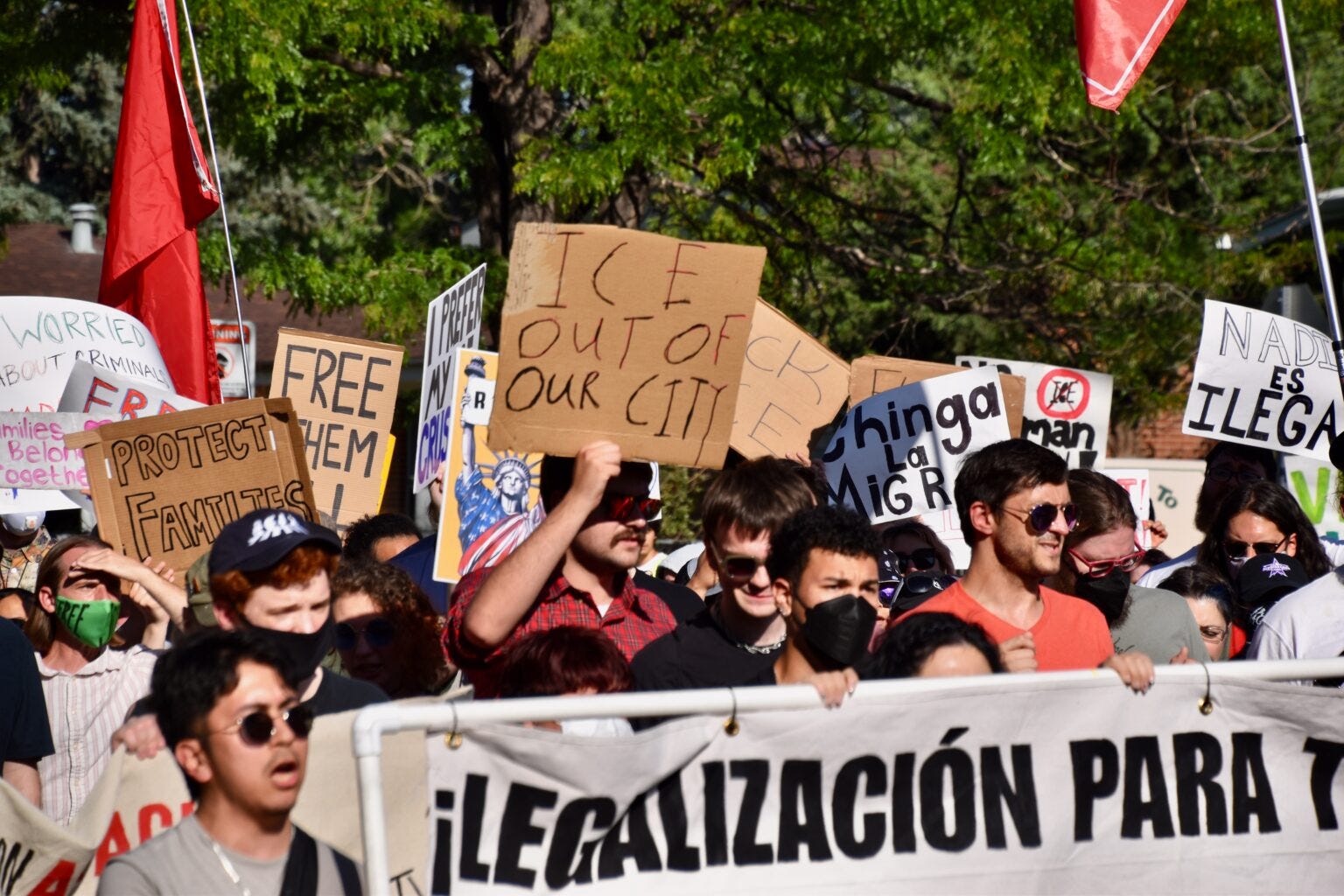
Coloradans march to Aurora ICE facility to show solidarity with L.A. protests | Colorado Newsline
When Corporate Secrecy Becomes a Public Threat
The standoff at the Aurora ICE Processing Center highlights a critical structural flaw in privatized federal detention: the accountability gap.
When private corporations manage civil detention facilities under federal contracts, they frequently utilize federal immunity arguments to shield themselves from state environmental, labor, and public health standards. However, airborne contagions like tuberculosis do not respect federal or state legal boundaries. Staff members, guards, and contractors leave the facility every day to return to their local communities.
By placing corporate secrecy and federal jurisdictional shields above standard epidemiological transparency, the detention model endangers not only the vulnerable individuals inside, but the surrounding public health infrastructure.

Protesters gather outside Aurora ICE detention center following shooting involving GEO employee
The material reality is straightforward: a for-profit operator is treating a confirmed airborne pathogen as a proprietary matter. Public health authority is being subordinated to contract language and preemption claims. That is the core contradiction.


