

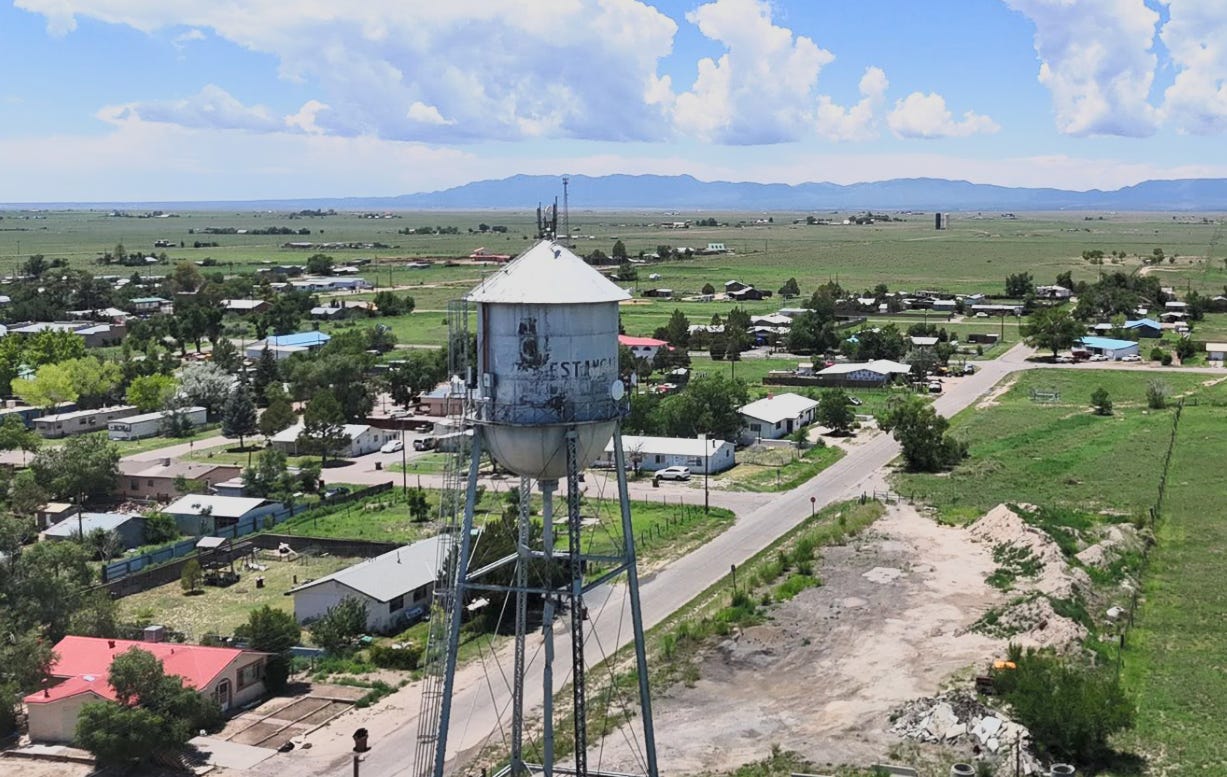
Estancia, a small working-class town of about 1,400 in Torrance County, New Mexico, has declared a water emergency amid years of drought and aquifer collapse. Local wells are failing, forcing officials to truck in water to keep basic service flowing. At the heart of this manufactured crisis stands the town’s largest commercial water guzzler: the Torrance County Detention Facility, a for-profit ICE prison operated by CoreCivic.
This is not a neutral “shortage.” It is a stark material contradiction: private prison capital extracts resources from a fragile desert aquifer while residents face scarcity. CoreCivic profits from federal contracts detaining immigrants under conditions of state violence, all while the public infrastructure and environment bear the cost. Taxpayer-funded systems and local labor subsidize this extraction.
The Strain Imposed by the Torrance County Detention Facility
The facility, run by CoreCivic, has capacity for up to 800 detained individuals—more than half the town’s population. While Estancia reduced water sales to the prison, forcing it to truck in supplies, officials lack transparent data on exact consumption. Over 80% of the town’s water goes to commercial users, with CoreCivic as the dominant player. This opacity is typical of privatized carceral operations shielding profit motives behind “security” rhetoric.
Aquifer Depletion: Systemic Environmental Extraction
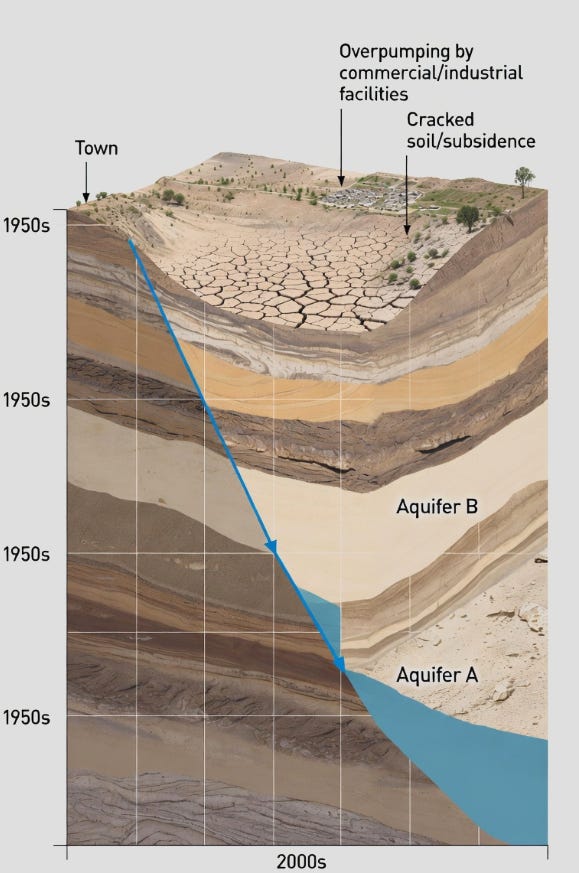
Long-term overpumping by industrial and commercial interests has gutted the Estancia Basin aquifer. The New Mexico Groundwater Alliance and state data show significant declines, prompting closure to new water rights—yet legacy users like the prison continue straining the system. Climate realities and historical agricultural depletion compound this, but the immediate flashpoint is prioritizing detention beds over community survival.
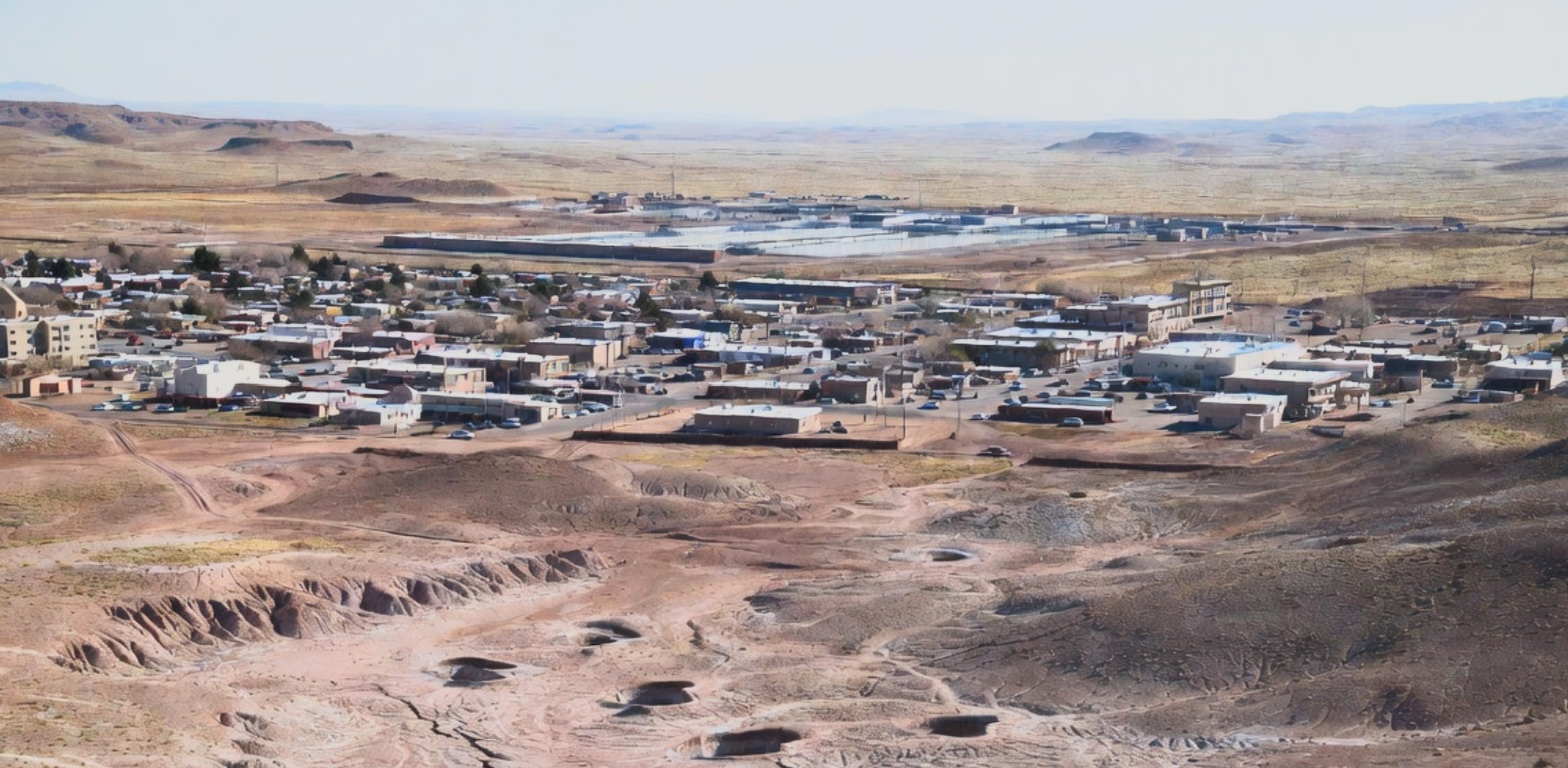
Local Government Turmoil Reflects Class Frustrations
Dozens of residents packed recent Board of Trustees meetings to demand accountability. Mayor Runnel Riley took leave amid the chaos; trustees issued a “no confidence” vote. The state is funding a new well and emergency measures, but these are bandaids on a system where corporate extraction precedes public need.
CoreCivic’s Corporate Response: PR Spin Over Accountability
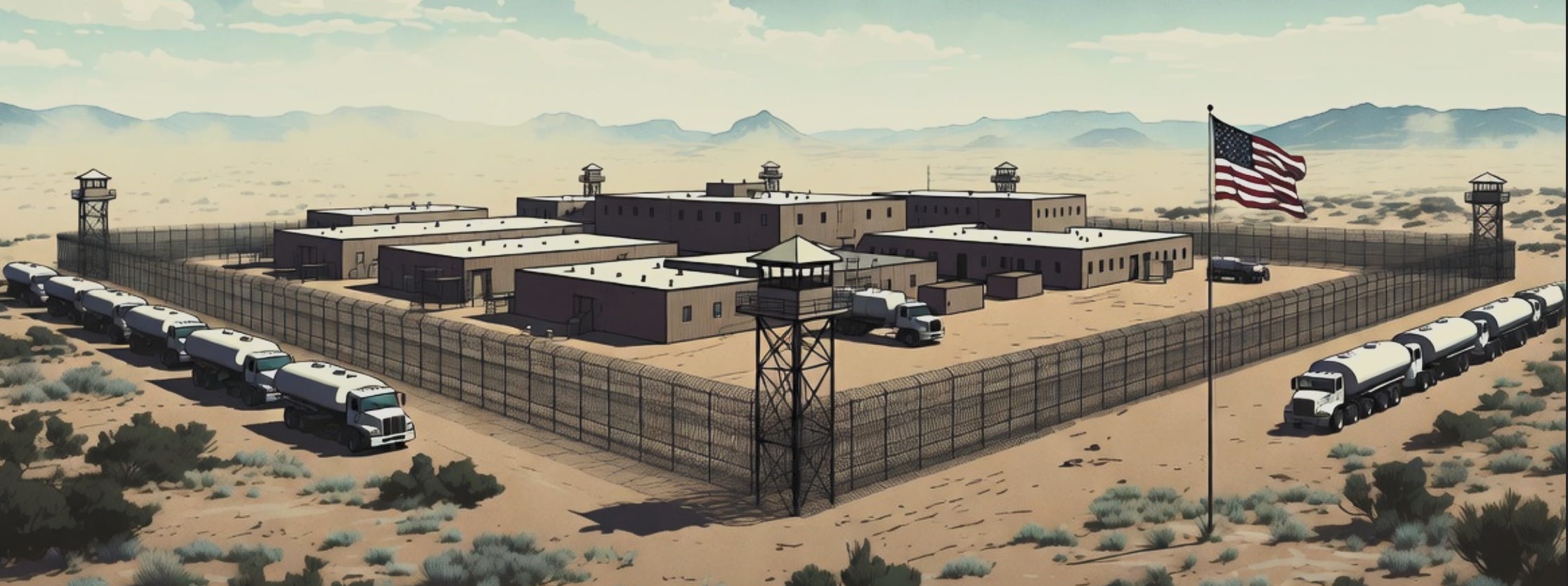
CoreCivic claims operations are “unhindered” via contingency trucking and bottled water. This is standard grift from a company with a documented history of infrastructure failures. A 2022 DHS OIG report exposed unsanitary conditions: clogged toilets, broken sinks, leaks, and mold—hallmarks of cost-cutting for profit in facilities treating detained people as disposable. Recent reports continue to highlight sewage backups and water access denials inside the facility.
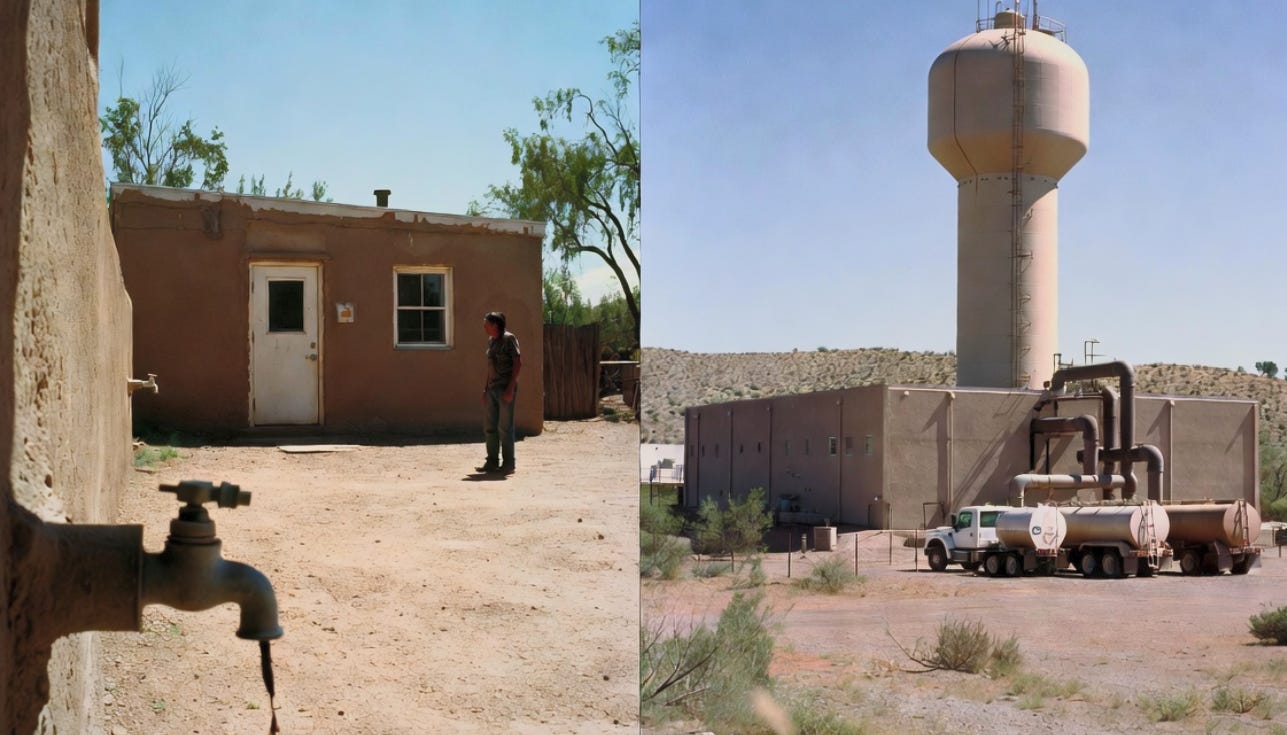
The bone dry reality: For-profit detention like CoreCivic’s is subsidized by public funds and infrastructure while externalizing costs onto communities and the environment. It exemplifies how immigration enforcement as state violence intersects with resource privatization, fracturing solidarity and prioritizing oligarchic contracts over human dignity and ecological limits. Residents hauling water while a corporate prison secures its supply reveals the power imbalance: life-sustaining resources monopolized for enforcement and profit, not collective well-being.
New wells and short-term aid do not resolve the systemic extraction. Prioritizing community water rights over expanded detention capacity is the baseline demand grounded in material conditions.


