
U.S. Federal Courts Clear the Way to End TPS for South Sudan and Myanmar Nationals, Opening the Door to Deportations

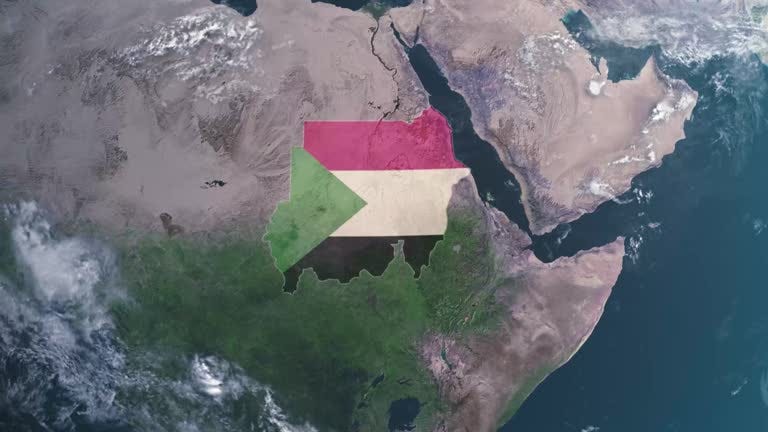
Federal judges reject renewed challenges to the Department of Homeland Security’s termination of Temporary Protected Status (TPS), citing a landmark Supreme Court ruling that severely limits judicial intervention.
U.S. federal courts have cleared the way for the Department of Homeland Security (DHS) to terminate Temporary Protected Status (TPS) for nationals of South Sudan and Myanmar (Burma). This removes legal protections that have shielded thousands from deportation to countries facing active conflict and severe humanitarian crises.
The rulings follow the U.S. Supreme Court’s decision in Mullin v. Doe, which significantly limited lower federal courts’ authority to review or block DHS decisions regarding TPS terminations. With judicial roadblocks cleared, affected nationals from both countries face the loss of work authorization and imminent exposure to removal proceedings.
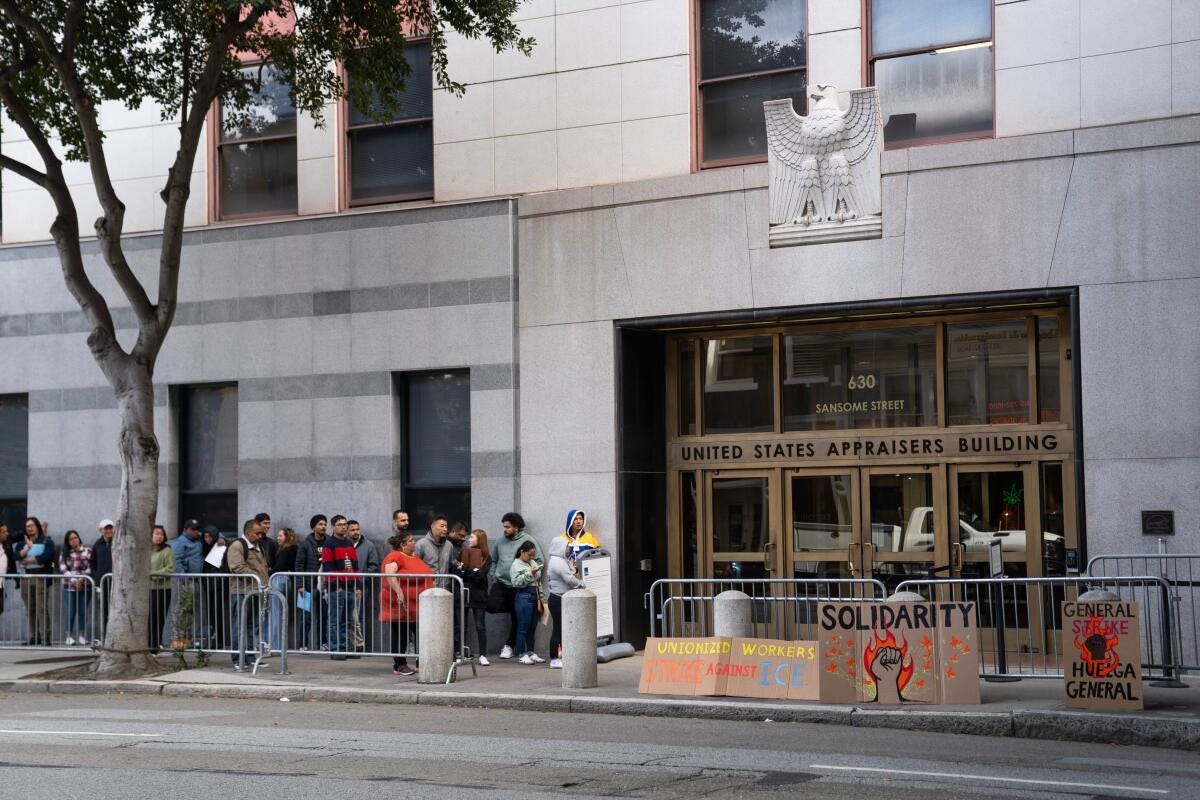
New federal rule sends asylum cases to immigration courts, pushing migrants toward deportation - Los Angeles Times
People gather outside a U.S. federal building during immigration-related proceedings.
How the Court Battle Unfolded
For months, the termination of TPS designations for several crisis-affected nations, including South Sudan, Myanmar, Ethiopia, Somalia, Syria, and Yemen, had been in legal limbo.
The Initial Postponements: When DHS initially moved to terminate TPS for South Sudan and Myanmar, immigration advocates sued in federal court. Early on, the U.S. District Court for the District of Massachusetts temporarily halted implementation of the terminations, finding that plaintiffs were likely to succeed on claims that DHS had violated the Administrative Procedure Act (APA).
The Supreme Court’s Mullin v. Doe Ruling: The legal landscape shifted after the U.S. Supreme Court issued its Mullin v. Doe ruling. The Court held that federal immigration statutes severely limit judicial review of executive determinations to end a country’s TPS designation.
The First Circuit Reversal: Relying on the Supreme Court’s new standard, the First Circuit Court of Appeals overturned the lower court’s preliminary injunctions and sent the cases back for further review.
What the Latest Rulings Decided
In the Massachusetts district court, plaintiffs tried to revive their challenge with new arguments, including:
Statutory Authority: Claiming that only the U.S. Attorney General, not the DHS Secretary, held the legal authority to terminate a country’s TPS designation.
Procedural Due Process: Arguing that DHS violated constitutional due process rights in how it carried out the termination notices.
Judge Patti Saris rejected both claims as unlikely to succeed under the Mullin v. Doe framework. She denied requests to amend the complaint or reinstate temporary stays.
Key Takeaway: The courts have signaled that judicial interference in DHS’s TPS terminations will no longer be routinely granted. Unless Congress intervenes or DHS reverses course, termination orders will proceed as scheduled.
Humanitarian Concerns: Conditions on the Ground
Human rights organizations and immigration advocates have warned that deporting people to South Sudan and Myanmar raises serious non-refoulement concerns given the extreme instability in both nations.
South Sudan: The country remains plagued by ongoing civil conflict, deep political instability, and widespread famine. The U.S. State Department considers South Sudan unsafe for travel and has previously evacuated non-essential personnel. Returning nationals face severe risks of arbitrary detention, physical violence, and a near-total lack of basic infrastructure or legal protections.
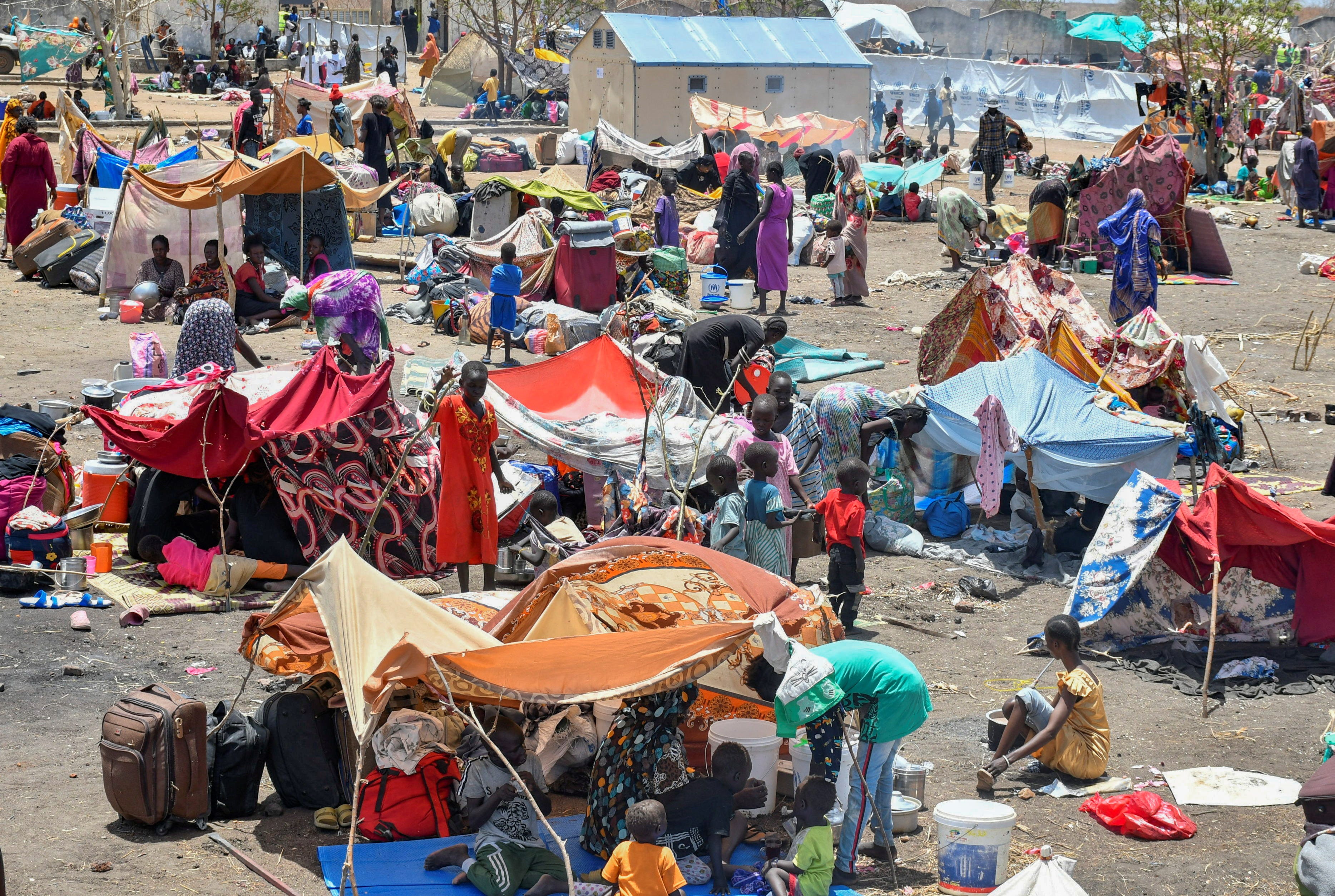
Unhappy return: Sudan crisis forces South Sudanese refugees back to troubled home | Reuters
Displaced families in a South Sudanese refugee camp.
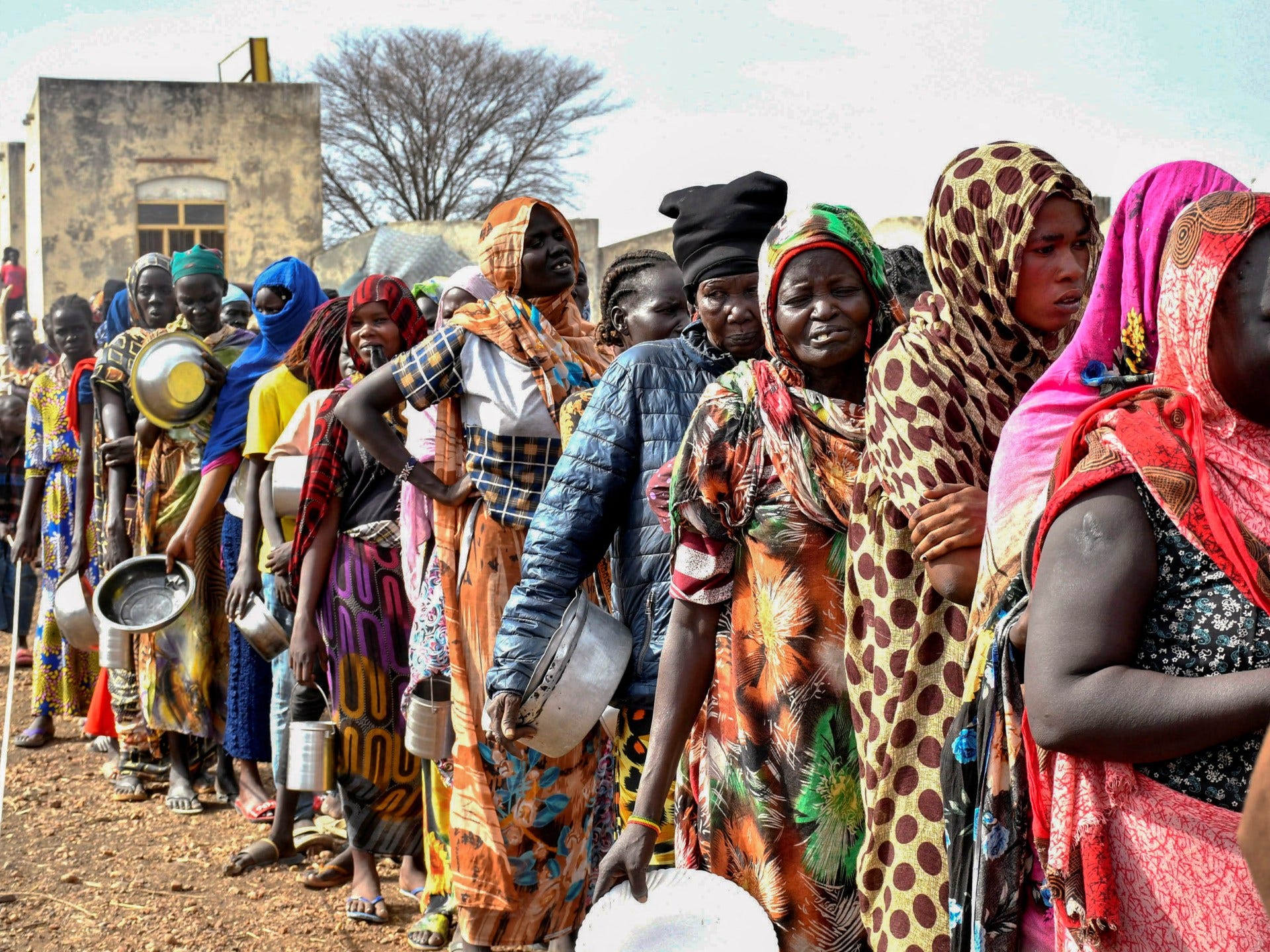
Photos: South Sudanese refugees return to their troubled home | Gallery News | Al Jazeera
South Sudanese women and children waiting in line for basic aid.
Myanmar (Burma): Since the military junta’s coup, the country has been engulfed in intense armed conflict and widespread crackdowns targeting civilians and political dissidents. People forced to return face an exceptionally high risk of political persecution, arbitrary imprisonment, and severe human rights abuses.
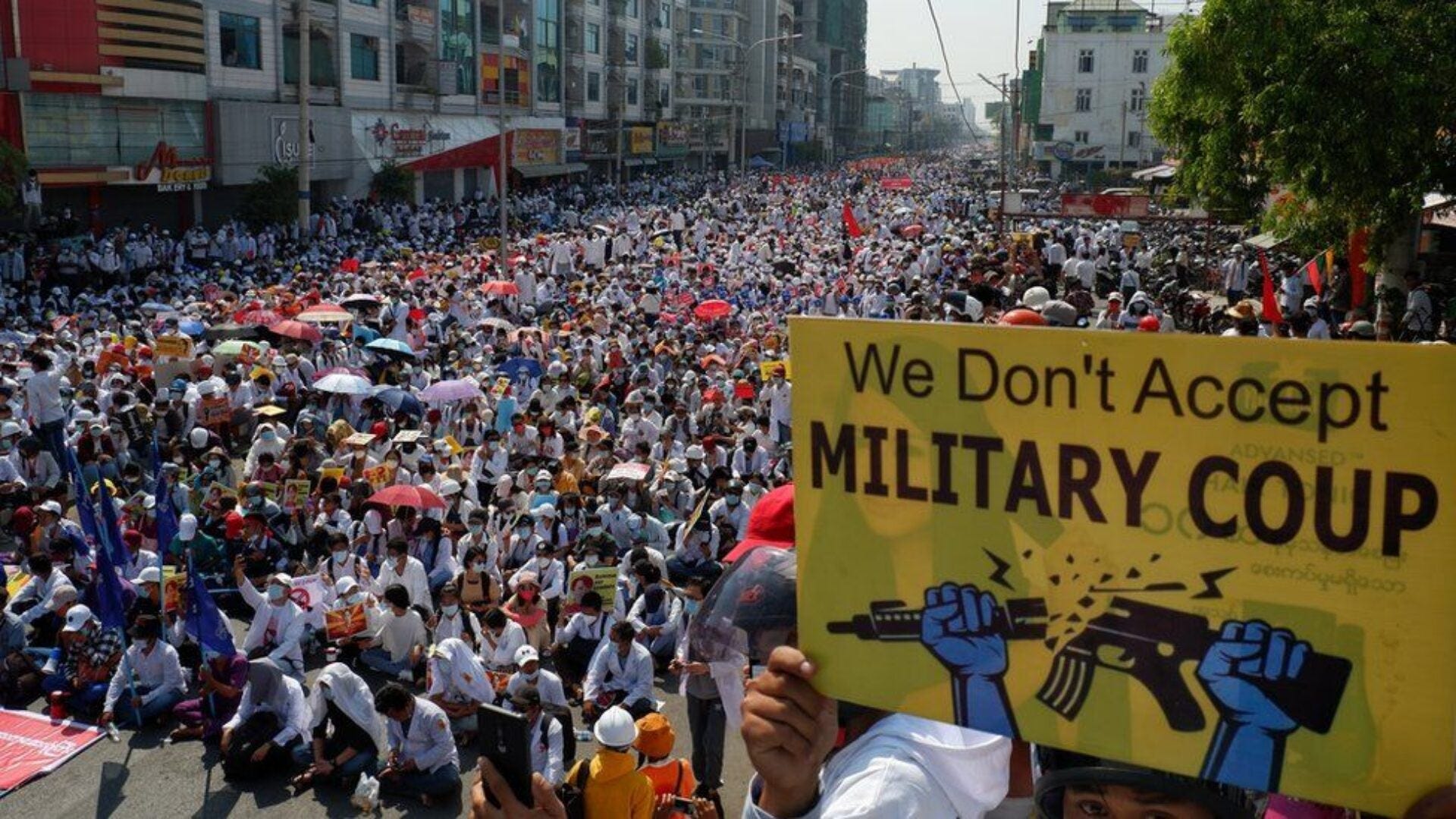
Two Years After the Attempted Coup: Recommendations for Burma - Georgetown Institute for Women, Peace and Security
Mass protests against Myanmar’s military junta following the coup.
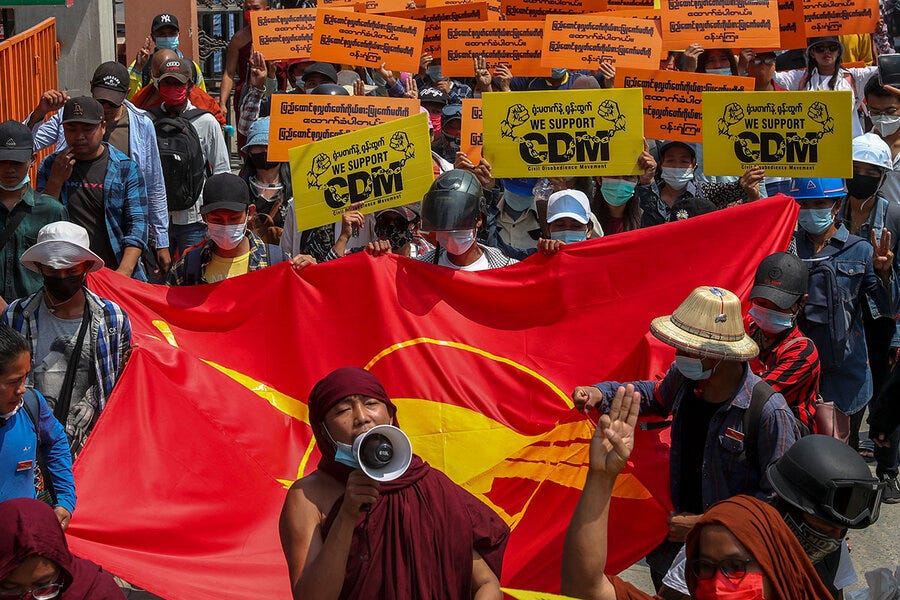
Buddhist monks, Muslims, and Christians protest Myanmar military coup - CSMonitor.com
Demonstrators in Myanmar calling for an end to military rule.
What Happens Next for TPS Holders?
Loss of Employment Authorization: As compliance deadlines expire, employers will no longer be allowed to extend Form I-9 work authorization for affected individuals without another form of legal status.
Removal Proceedings: People without another lawful basis to remain in the United States (such as pending asylum claims) will become subject to expedited removal or standard deportation proceedings.
Impact on Other TPS-Designated Nations: Legal analysts note that the dismissal of these lawsuits creates a strong precedent that will likely clear the way for DHS to finalize TPS terminations for other designated countries still in litigation.
Well then the white south Africa immigrants need to be sent back also. They are here claiming the same thing as somlas