

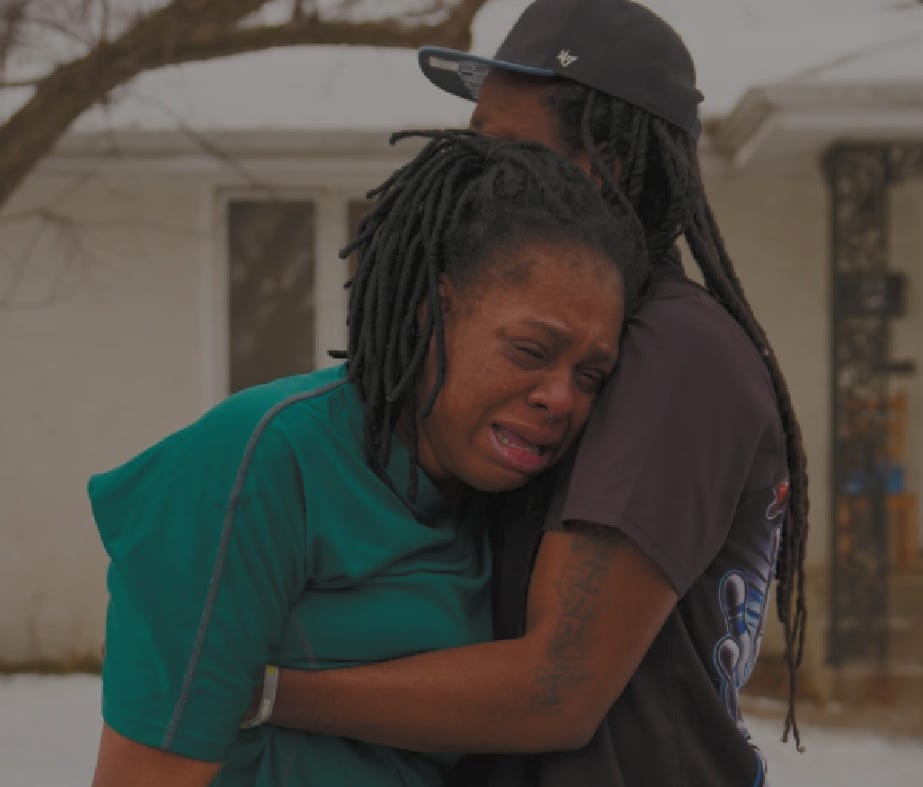
It sounds like a scene from a dark satire, but for Teyana Brown, standing in her North Minneapolis living room, it was a terrifying reality.
Her husband, Garrison Gibson, had just been taken away by ICE agents who smashed through their front door with a battering ram. The house was still reeling from the raid when Teyana’s phone rang. It was an ICE agent—not from the enforcement team that had just left, but from the supervision unit responsible for monitoring Garrison’s ankle bracelet.
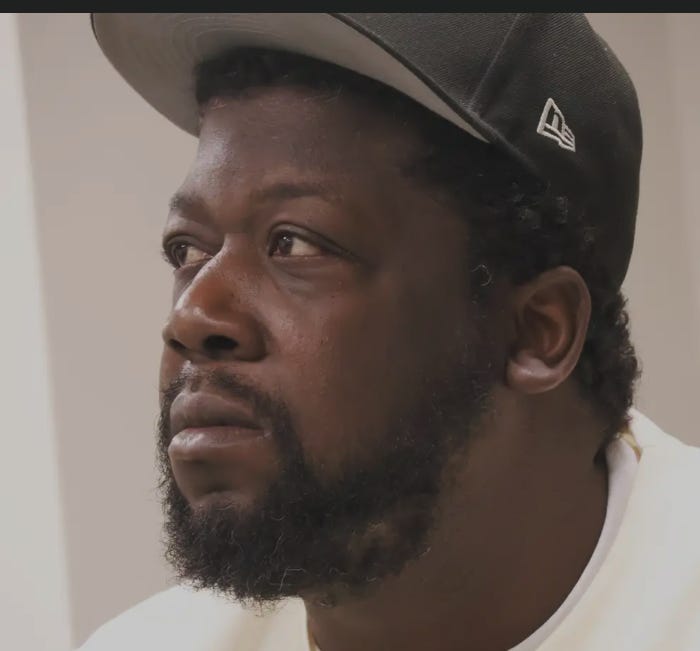
“Where is Garrison?” the agent asked.
“Huh?” Teyana replied, confused.
“He doesn’t have his ankle monitor on. Where is he?”
“You took him,” Teyana said.
“I’m not even in Minnesota,” the agent responded.
This phone call encapsulates the terrifying absurdity of the week Garrison Gibson endured in January 2026. It revea fractured immigration system where one department breaks down doors to detain a man, while the department responsible for monitoring him has no idea he’s even gone.
Here is the full timeline of the chaotic, and legally questionable, events that unfolded.
The Background: 17 Years of Compliance
Garrison Gibson fled the Liberian civil war as a child and has lived in the U.S. for decades. In 2009, he received a deportation order based on a minor marijuana conviction—a charge that was later expunged. Because of the conditions in Liberia and his clean record since, he was placed under an Order of Supervision.
For 17 years, Gibson did exactly what he was told. He wore an ankle monitor. He checked in with ICE regularly. His last check-in was on December 29, 2025, just two weeks before the raid. He was told everything was fine.
The Raid: January 11, 2026
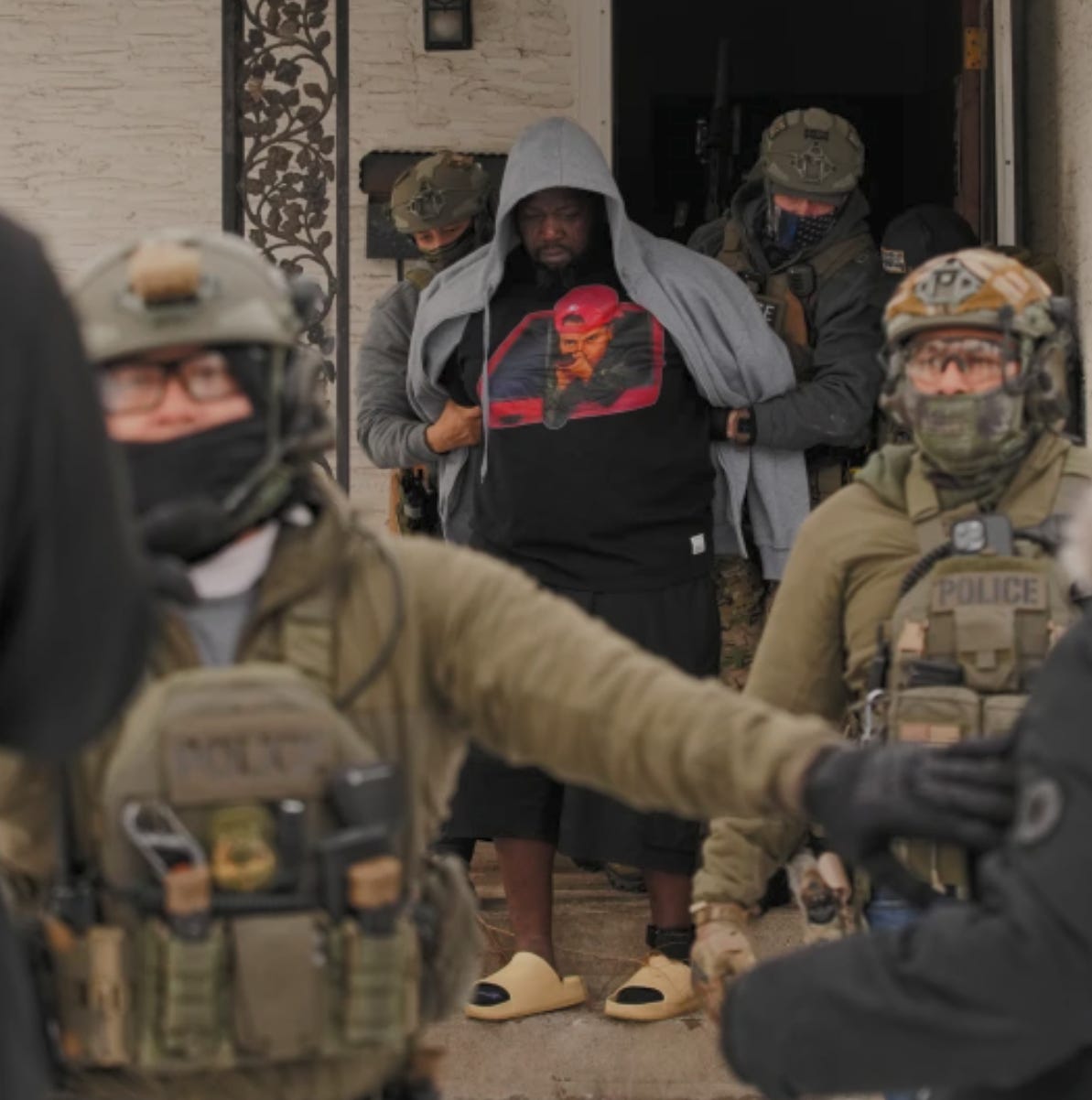
On a freezing Sunday morning, Gibson’s home was surrounded by 10 to 15 ICE agents and armored vehicles.
According to video footage and testimony from Gibson and his attorney, Mark Prokosch, agents demanded Gibson come out. When Gibson—who had just checked in weeks prior—asked for a warrant, agents admitted they didn’t have one.
“Okay, go come back with a warrant and I’ll let you in,” Gibson told them.
Instead of returning with a warrant signed by a judge, agents returned with a battering ram. They smashed open the door while Gibson’s wife and daughter screamed inside.
The Warrant Issue:
This is the crux of the legal controversy. The agents possessed only an administrative warrant (signed by a DHS supervisor), not a judicial warrant (signed by a judge/court). Under the Fourth Amendment, an administrative warrant generally does not grant authority to enter a private home without consent.
The Detention: “Trophy Photos”
Gibson was taken to the Whipple Federal Building at Fort Snelling. It was here, Gibson alleges, that the humiliation became ritualistic.
In a press conference following his release, Gibson detailed how agents used their personal cell phones to take pictures with him as if he were a prize catch.
“One stood by me on the right side of me, one stood on the left side of me. And they went like thumbs up and took pictures with their personal phones. And I wasn’t the only one they did that to.” — Garrison Gibson
The Flight and the Violation: January 12, 2026
The chaos escalated the next day. On January 12, U.S. District Judge Jeffrey Bryan issued an emergency order blocking ICE from removing Gibson from Minnesota.
Despite this federal court order, ICE put Gibson on a plane later that same day. He was flown to a detention center in El Paso, Texas.
When his attorney, Mark Prokosch, confronted ICE about the violation of the judge’s order, the agency acknowledged the “error.” In a rare reversal, ICE was forced to fly Gibson back to Minnesota, where he was held in the Freeborn County Jail.
The Release and Re-Arrest: January 15-16, 2026
On Thursday, January 15, Judge Bryan ruled Gibson’s arrest unlawful due to the lack of a judicial warrant and ordered his release. Gibson returned home, just in time for his daughter’s birthday.
The relief was short-lived. The very next morning, Gibson went to the Whipple Building to complete routine check-in paperwork for his release.
In a final display of bureaucratic incompetence, agents at the building—apparently unaware of the judge’s ruling or the previous day’s release—detained him again.
“We were there for a check-in... and then there was a lot of chaos,” Prokosch told CBS News. “About five officers came out and said, ‘We’re going to be taking him back into custody.’ I was like, ‘Really, you want to do this again?’”
He was held for several hours before the error was realized and he was released for the second time.
“There Are No Systems Here”
The Gibson case has become a flashpoint not because he is a fugitive, but because he was compliant. He was a man in the system, following the rules, who was subjected to a military-style raid that ignored the Constitution, a deportation flight that ignored a judge, and a re-arrest that ignored reality.
As his attorney Mark Prokosch noted in the press conference:
“It just seems that there’s no systems here. Somebody said, ‘We have to make a symbol of Mr. Gibson’... There was no systematic order of how things normally happen.”
Gibson is currently back home on supervision, but the psychological toll of the “trophy photos” and the battering ram remains. It is a stark reminder that in 2026, compliance is no guarantee of safety when the left hand of the law doesn’t know what the right hand is doing.


