


Ray-Ban Meta (Gen 2): Price, specs, styles, and everything you need to know | Android Central
We are witnessing the real-time collision of unregulated corporate surveillance and the militarized state apparatus. The video footage you are looking at is not a dystopian concept. It is here, it is cheap, and it is entirely legal.
When you combine consumer-grade hardware like Meta’s Ray-Ban smart glasses with public facial recognition software and data brokers, the result is a walking, real-time doxing machine. This is a massive escalation in the threat landscape for anyone doing on-the-ground observation, mutual aid, or simply existing in public spaces.
Here is the tactical breakdown for the Starve The Beast field guide on how this system operates, how the state is weaponizing it, and how we blind the cameras.
The Corporate Threat: I-XRAY and the “Creepiness Factor”
The project highlighted in the video, dubbed “I-XRAY,” was created by Harvard students AnhPhu Nguyen and Caine Ardayfio to demonstrate the terrifying capabilities of everyday technology. The system is built on a few specific pillars:
The Hardware: They used Meta Ray-Ban Smart Glasses, specifically chosen because they look like completely normal eyewear, removing the visual warning signs of being recorded.
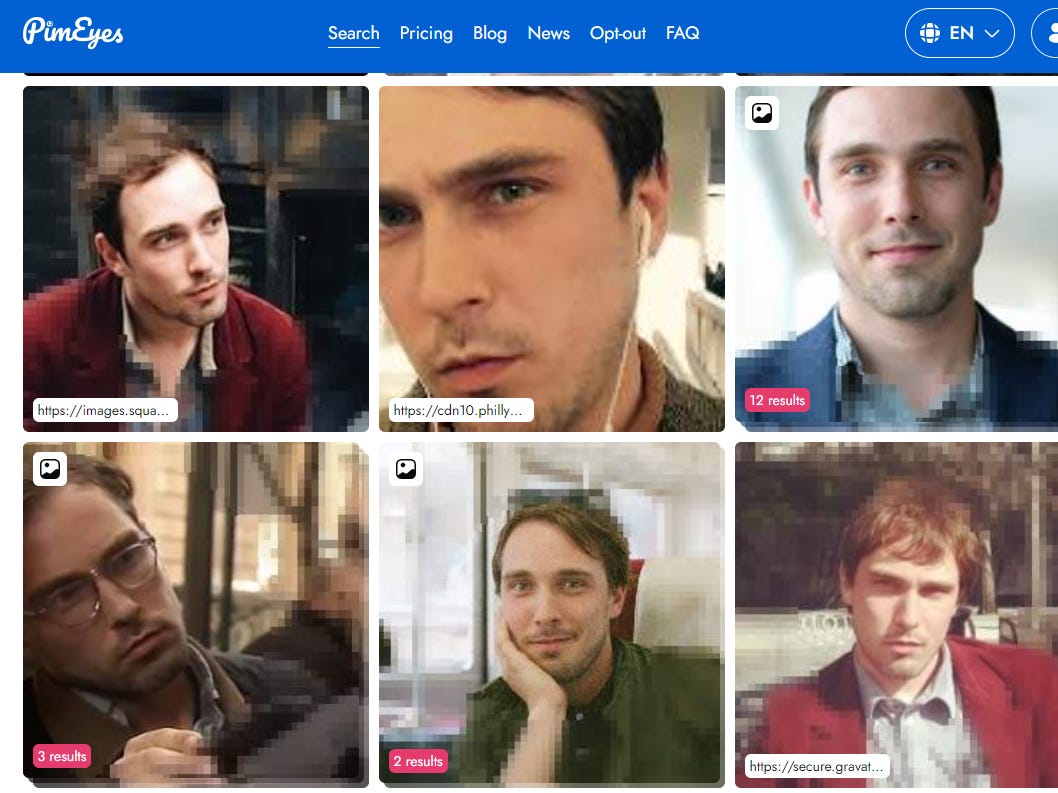
Too dangerous:’ Why even Google was afraid to release this technology - OPB
The Software: The glasses snap a photo and run the face through PimEyes, a massive, publicly accessible facial recognition search engine.
The Data Brokers: Once an identity is matched, the system scrapes data brokers like FastPeopleSearch to instantly pull the target’s home address, phone number, and relatives.
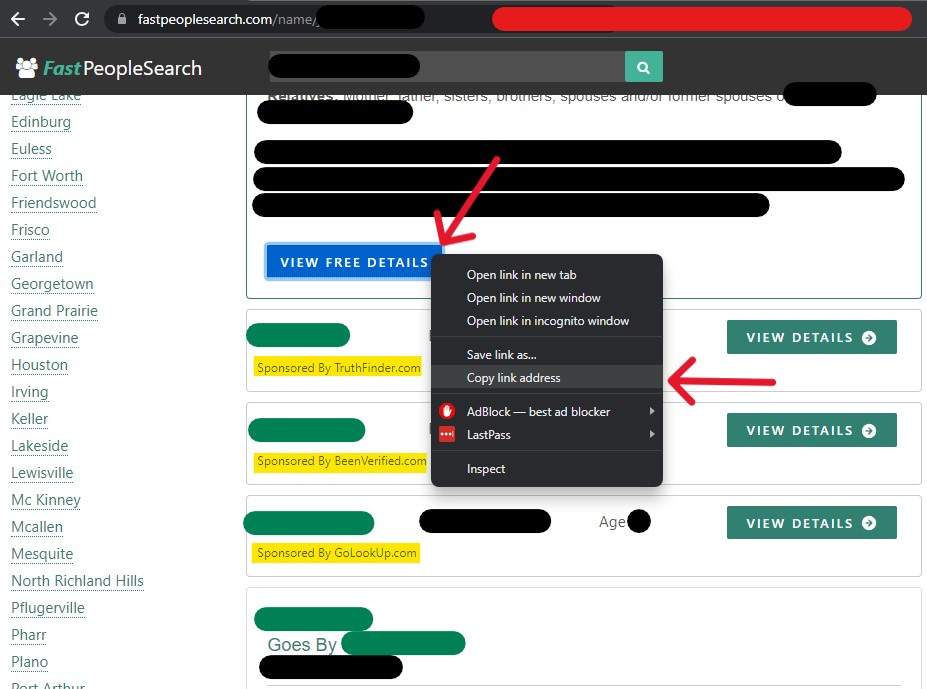
Opt out of FastPeopleSearch: Remove Personal Information
Even worse, the privacy invasion extends beyond the algorithm. Investigations have revealed that sensitive, personal footage captured by Meta’s smart glasses, including people in their homes or bathrooms, is routinely reviewed by third-party human contractors at a Kenya-based company called Sama to train the AI.
The State Weaponization: ICE, CBP, and the 4th Amendment
If college students can build this in a dorm room, imagine what a rogue agency with a multi-billion dollar budget is doing. The deportation machine is already merging these capabilities with its nightmarish street-level enforcement.
Mobile Fortify: ICE and Border Patrol agents are actively using an application called “Mobile Fortify” to run facial recognition scans on individua street encounters. The agency does not provide people with the opportunity to consent to or decline these biometric collections.
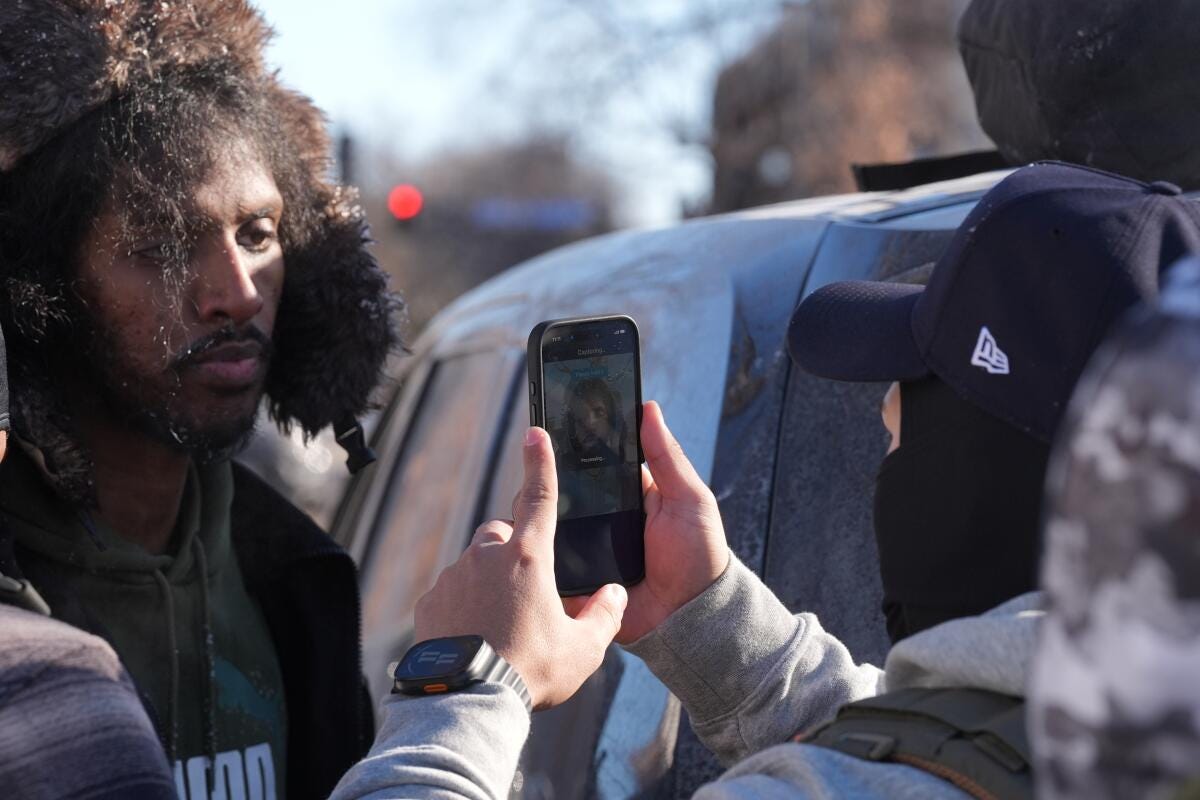
Homeland Security ramps up surveillance in immigration raids, sweeping in citizens - Los Angeles Times
4th Amendment Violations: Compelling individua of a crime to submit to facial recognition scanning is a massive erosion of the Fourth Amendment right to be secure against unreasonable searches. Legal scholars argue that this type of face identification constitutes a Fourth Amendment “search” because it reveals “privacies of life” without probable cause. The Danger of “Definitive” Matches: ICE agents are given the discretion to use facial recognition matches as a “definitive determination” of a person’s immigration status. Given the documented inaccuracies and racial biases inherent in these algorithms, this inevitably leads to wrongful detentions and escalates the immediate threat of violence for marginalized communities and the observers attempting to protect them.
Analog and Digital Counter-Surveillance
The goal of this machine is total exposure. We counter it by poisoning the data well and altering the physical landscape.
Digital Scrubbing (Starve the Data Brokers) The I-XRAY system relies on public data brokers to connect your face to your home address. You must systematically remove your information from these nodes.
Submit an opt-out request directly to PimEyes to have your images removed from their facial recognition search engine.
Aggressively utilize the opt-out forms provided by data brokers like FastPeopleSearch, Whitepages, and Spokeo.
Adversarial Fashion and Makeup Computer vision algorithms look for specific contrasts between light and dark areas on a face. You can disrupt this by utilizing analog modifications:
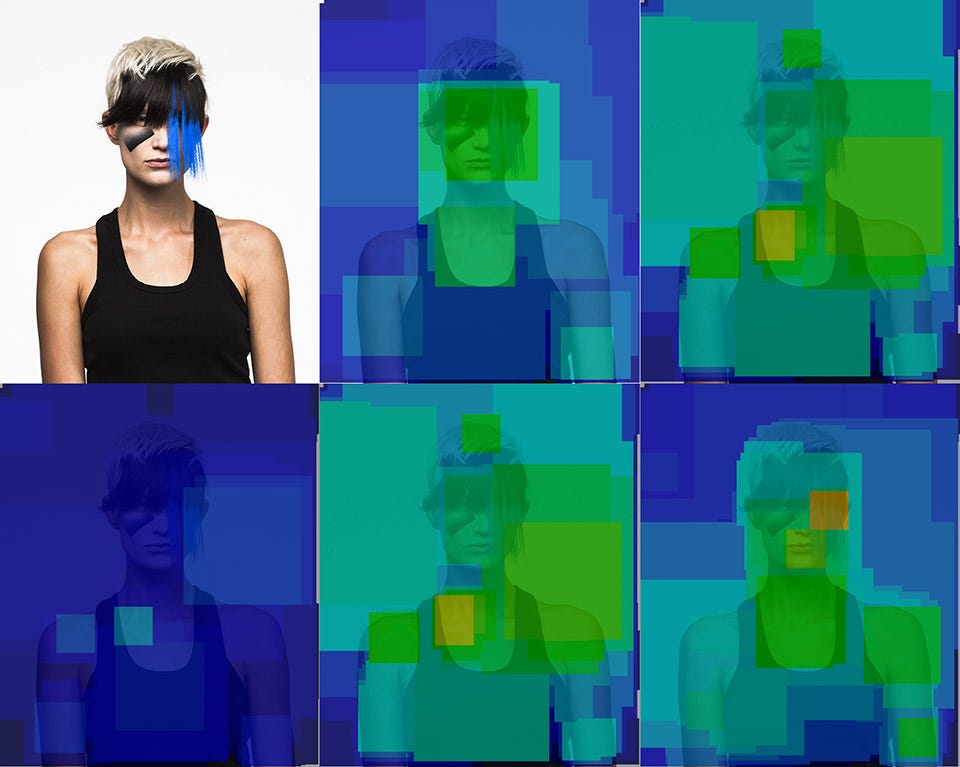
CV Dazzle - Adam Harvey
CV Dazzle: This is an open-source methodology that uses asymmetrical hairstyles and bold makeup to camouflage the face from algorithms.
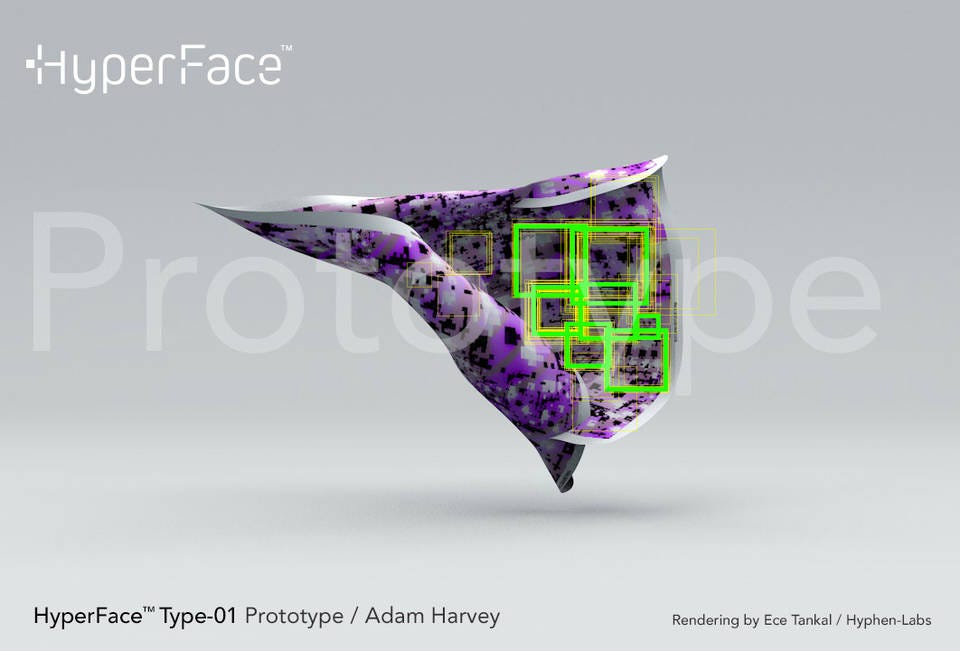
HyperFace - Adam Harvey
Adversarial Clothing: Projects like Hyperface and REALFACE Glamoflauge print patterns on clothing that look like thousands of distorted faces. This overwhelms the algorithm with false hits, preventing it from locking onto your actual face.
Open-Source Sabotage (GitHub Tools) If you have the technical bandwidth, the open-source community is actively developing too corrupt facial recognition mode the inside out.
MakeupAttack: A GitHub project demonstrating a “Feature Space Black-box Backdoor Attack” that uses makeup transfer to poison face recognition systems.
DiffAM: A diffusion-based adversarial makeup transfer tool designed to protect facial privacy by generating images with adversarial makeup that breaks facial recognition models.
Repositories: Keep an eye on the Bellingcat GitHub. While they primarily build too citizen journalists to verify state violence, their open-source research networks are invaluable for tracking how these surveillance systems are deployed.
The regime and its corporate partners rely on the illusion of omniscience to maintain control. By securing our digital footprints and actively disrupting their physical tracking systems, we break that illusion.
Startup makes clothes that help you dodge facial recognition software
This brief segment covers a fashion startup creating adversarial clothing specifically designed to confuse and blind the exact type of facial recognition algorithms powering these new surveillance tools.
Citations
Here are the actual links and detailed information for the projects and documents you requested:
[1] I-XRAY Project (Harvard University)
Context: Developed by students AnhPhu Nguyen and Caine Ardayfio, this project demonstrated how Ray-Ban Meta glasses could be paired with facial recognition (like PimEyes) and LLMs to instantly doxx strangers.
Project Overview: Harvard Library Innovation Lab - I-XRAY
Technical Breakdown & Guide: I-XRAY Official Document / Privacy Guide
Video Demo: I-XRAY Demonstration (YouTube)
[2] Meta Ray-Ban Privacy Investigations
Context: Civil liberties groups (like EPIC) and investigative outlets have targeted the “covert” nature of these glasses and Meta’s plans to integrate AI features.
EPIC Investigation/Letters: EPIC Urges FTC to Block Meta’s Facial Recognition Plan
The Intercept Reference: The Intercept - Privacy & Surveillance Coverage
[3] ICE Mobile Fortify Program (FOIA)
Context: A mobile application used by ICE for real-time facial recognition and “contactless fingerprinting” in the field.
Document/Program Report: The Marshall Project - AI Surveillance at the Border
Legislative Response (FOIA Context): MeriTalk - House Proposal Targets ICE Mobile Biometrics
[4] Facial Recognition as a Fourth Amendment Search
Context: Legal scholarship analyzing the “Mosaic Theory” and whether ambient scanning constitutes an unconstitutional search.
Georgetown Law Publication: A Forensic Without the Science (Georgetown Privacy & Technology)
Related Legal Paper: IJFMR - Facial Recognition and Constitutional Limits (2025)
[5] CV Dazzle & Hyperface (Adam Harvey)
Context: Ongoing research into camouflage that confuses computer vision by breaking facial symmetry or providing “false faces.”
CV Dazzle Project: Adam Harvey - CV Dazzle
Hyperface Documentation: Adam Harvey - Hyperface
[6] MakeupAttack & DiffAM Tools
Context: Adversarial Machine Learning tools that use Diffusion models to apply “natural” makeup to photos that prevent facial recognition systems from matching the identity.
DiffAM GitHub Repository: HansSunY / DiffAM
Technical Whitepaper: CVF Open Access - DiffAM: Diffusion-based Adversarial Makeup Transfer
[7] REALFACE / Glamoflauge Research
Context: Emerging “Adversarial Fashion” and whitepapers focusing on wearable tech that suppresses biometric triggers.
Technical Background: Adversarial Fashion & Counter-Surveillance Resources (General repository for this specific product line style).


