

Funded by the military, ARGUS was terrifying. It used a massive sensor to record a 15 square mile area in real time. It could watch an entire city from a high altitude drone. It tracked every moving car and person, storing massive amounts of data so analysts could rewind time to trace movements backward.

DARPA’s New ARGUS Camera - Business Insider
The birth of ARGUS signaled the arrival of omnipresent, persistent surveillance. But flying massive drones over American cities caused public outrage. The state did not give up on watching everyone. They just changed the architecture. They realized they did not need a multimillion dollar drone if they could convince the public to build a fragmented, ground level version of it themselves.
The Rise of the Ground Mesh
Today, the ARGUS drone has been largely replaced by something far more pervasive: a privatized mesh network of local surveillance. Instead of one giant camera looking down, there are millions of small cameras looking across.
The Privatized Panopticon (Smart Cameras): Millions of people pay to install high definition cameras on their front doors. Through data sharing portals, law enforcement gained real time access to residential neighborhoods without installing a single municipal camera.
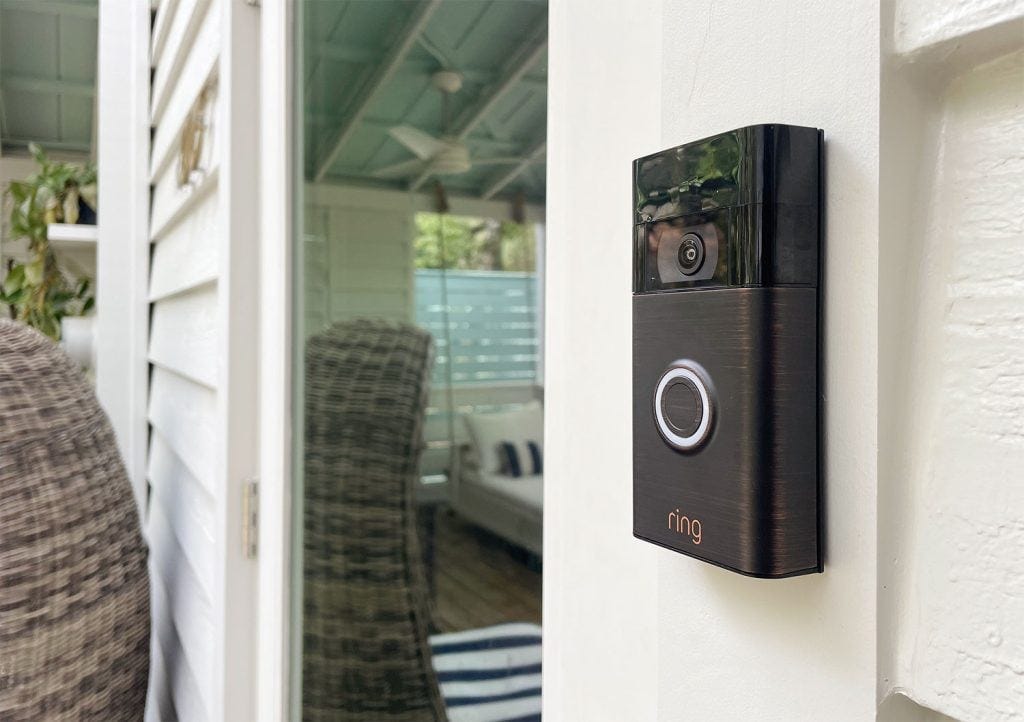
How To Install A Ring Doorbell In 5 Easy Steps | Young House Love
The Movement Tracker (Flock Safety ALPRs): Automated License Plate Readers used to be bulky devices on police cruisers. Now, companies like Flock Safety sell sleek, solar powered cameras to Homeowners Associations and local police. They capture billions of plate scans per month, creating a searchable, nationwide database of civilian movement.
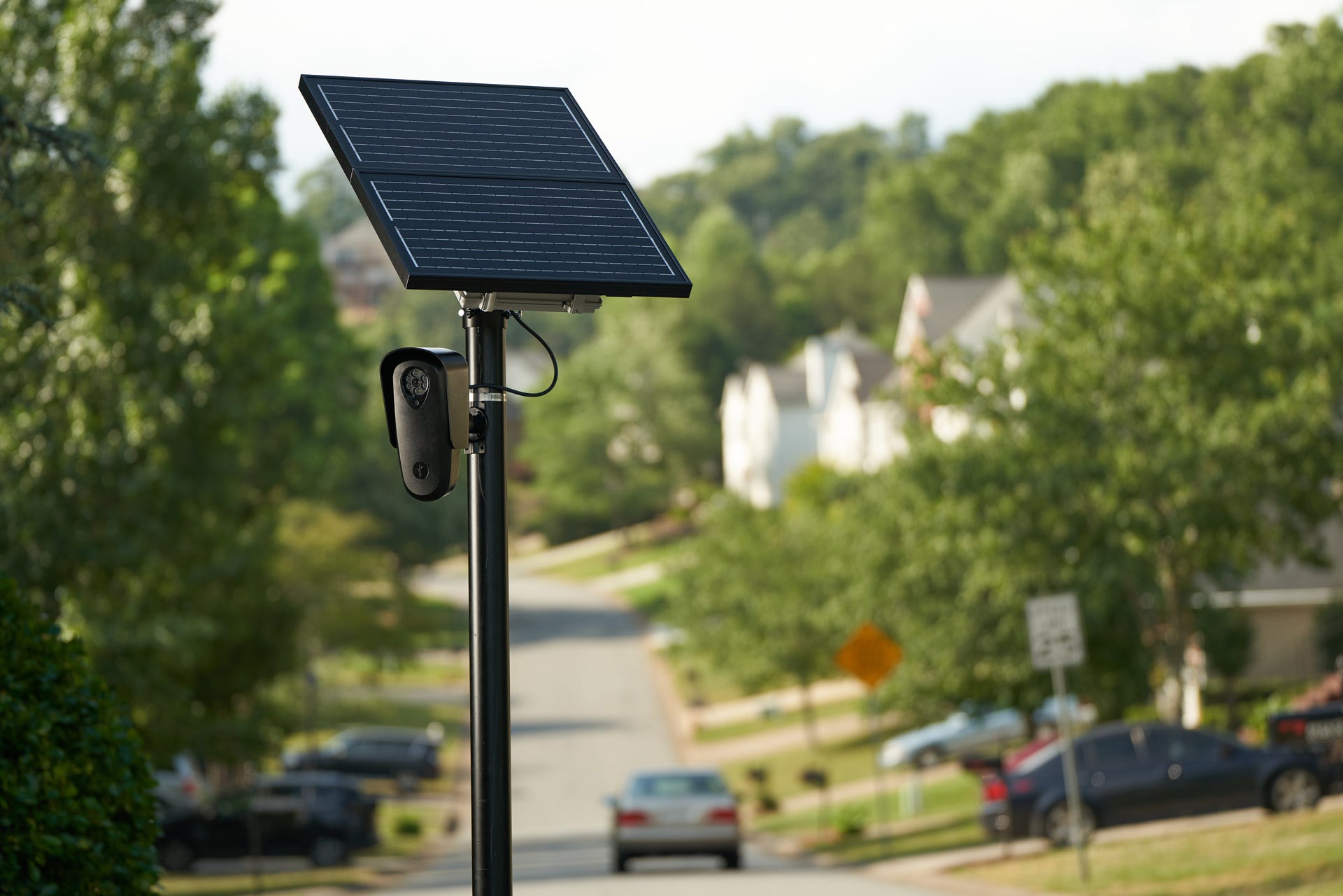
Understanding Flock Automatic License Plate Readers and Public Safety - LkldNow
The Acoustic Net (ShotSpotter): Installed heavily in marginalized neighborhoods, these acoustic sensors establish a persistent environmental monitoring network. They dictate police deployment and normalize the presence of hidden recording devices on street corners.

Gunshot Detection
Corporate Collaborators and the Legal Loophole
The most concerning shift from ARGUS to the modern ground mesh is how it bypasses the Fourth Amendment. If a federal agency wants to track a citizen around the clock, they generally need a warrant. But if a private corporation collects that data through consumer contracts, law enforcement can simply buy access to it. Data brokers and surveillance tech companies act as willing corporate collaborators. They absorb the legal friction of mass data collection and feed the results directly to fusion centers, local police, and federal immigration enforcement.
Starve The Beast: A Resistance Manual
The eye in the sky shattered, and we mounted the pieces on our own front doors. But a decentralized network has a major weakness: it exists on the ground, right in our communities. For investigators building resources on corporate collaborators and nonviolent resistance, here are practical methods to map, expose, and fight back against the mesh.
1. Map the Beast (OSINT Strategies)
You cannot fight a network you cannot see. Use your OSINT skills to map local surveillance nodes.
The EFF Atlas of Surveillance: The Electronic Frontier Foundation runs the largest searchable database of police tech in the US. You can search by county to see exactly which agencies are using Flock ALPRs, drones, and acoustic sensors.
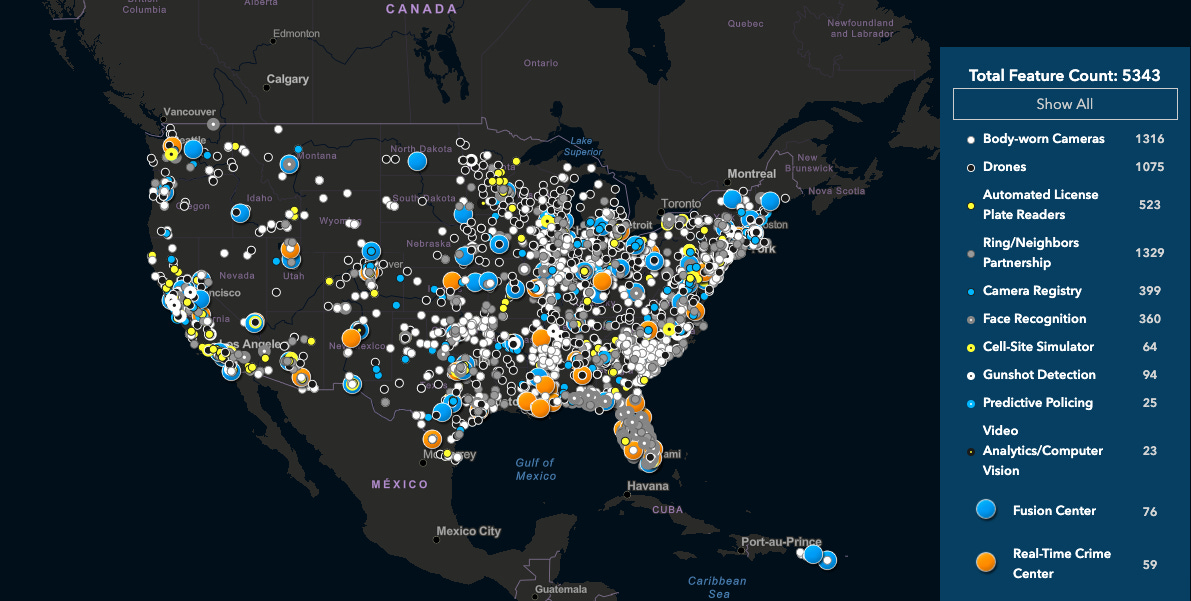
Atlas of Surveillance’ now provides searchable, interactive database of police surveillance | VentureBeat
Overpass Turbo (OpenStreetMap): This is a powerful OSINT tool. You can run custom queries on OpenStreetMap to locate man made surveillance cameras in your specific area and export the data to build your own custom maps.
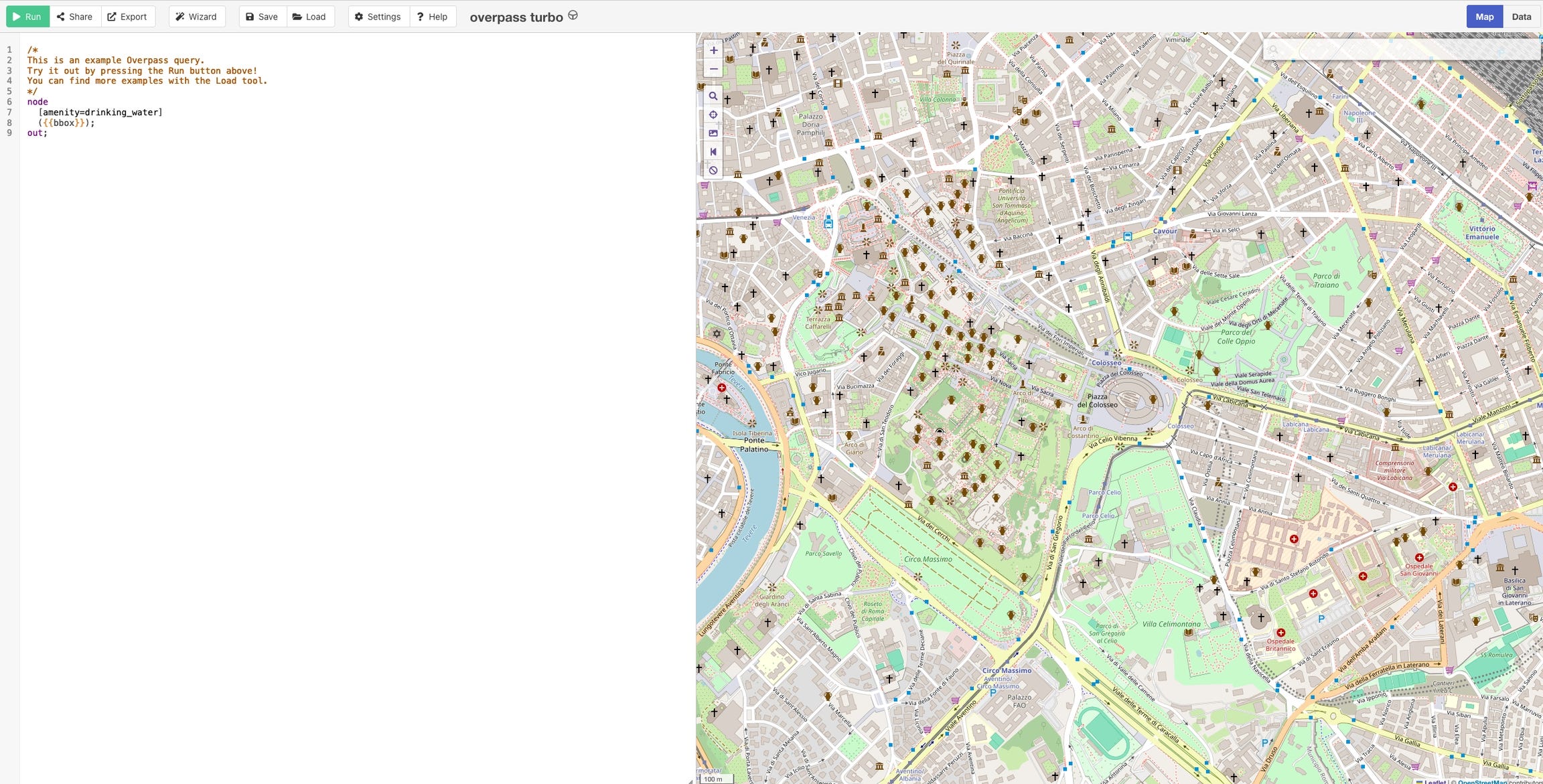
Overpass Turbo | Bellingcat’s Online Investigation Toolkit
Bellingcat OSM Search Tool: Another excellent mapping tool to find geolocation leads for exposed surveillance infrastructure.
2. Identify the Hardware
Train your community to spot the tech in the wild.
Flock Cameras: Look for small, black, rectangular cameras mounted on black poles, almost always paired with a small solar panel. They are usually placed at the entrances of neighborhoods, trailer parks, and busy intersections.
Acoustic Sensors: These often look like grey boxes or microphones mounted high up on telephone poles or streetlights in residential areas.
3. Starve the Data Feed
The mesh relies on voluntary data sharing. You can choke the supply.
Audit Your Network: Ensure your own high end routers and security cameras are locked down with strong firewalls and separated on guest networks. Never opt into police data sharing portals.
Opt-Out Campaigns: Organize local campaigns to pressure property managers to cancel their Flock contracts. Many communities sign these contracts without realizing the data is fed to federal agencies.
Physical Evasion: When doing sensitive investigative work, use physical camouflage. Wear hats and infrared blocking sunglasses to defeat facial recognition, and leave your primary phone in a Faraday bag to prevent location tracking.
The mesh is only as strong as the voluntary nodes we allow. Map it, expose it, and starve it—locally, persistently, and together.


