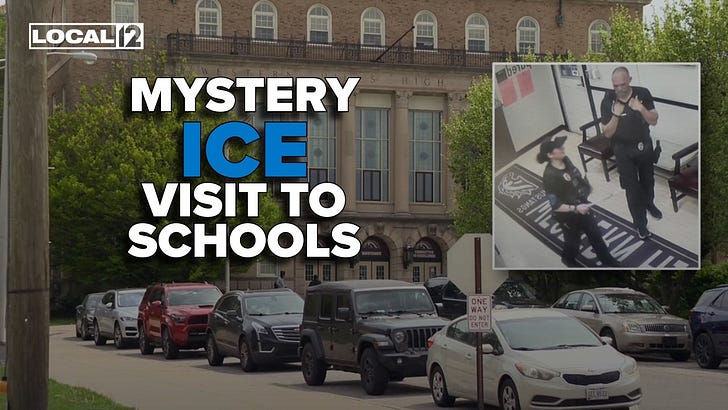
There is a ledger. It is a record that cannot be buried.
It is a document of abuses that must be held to the light again and again until it catches fire.
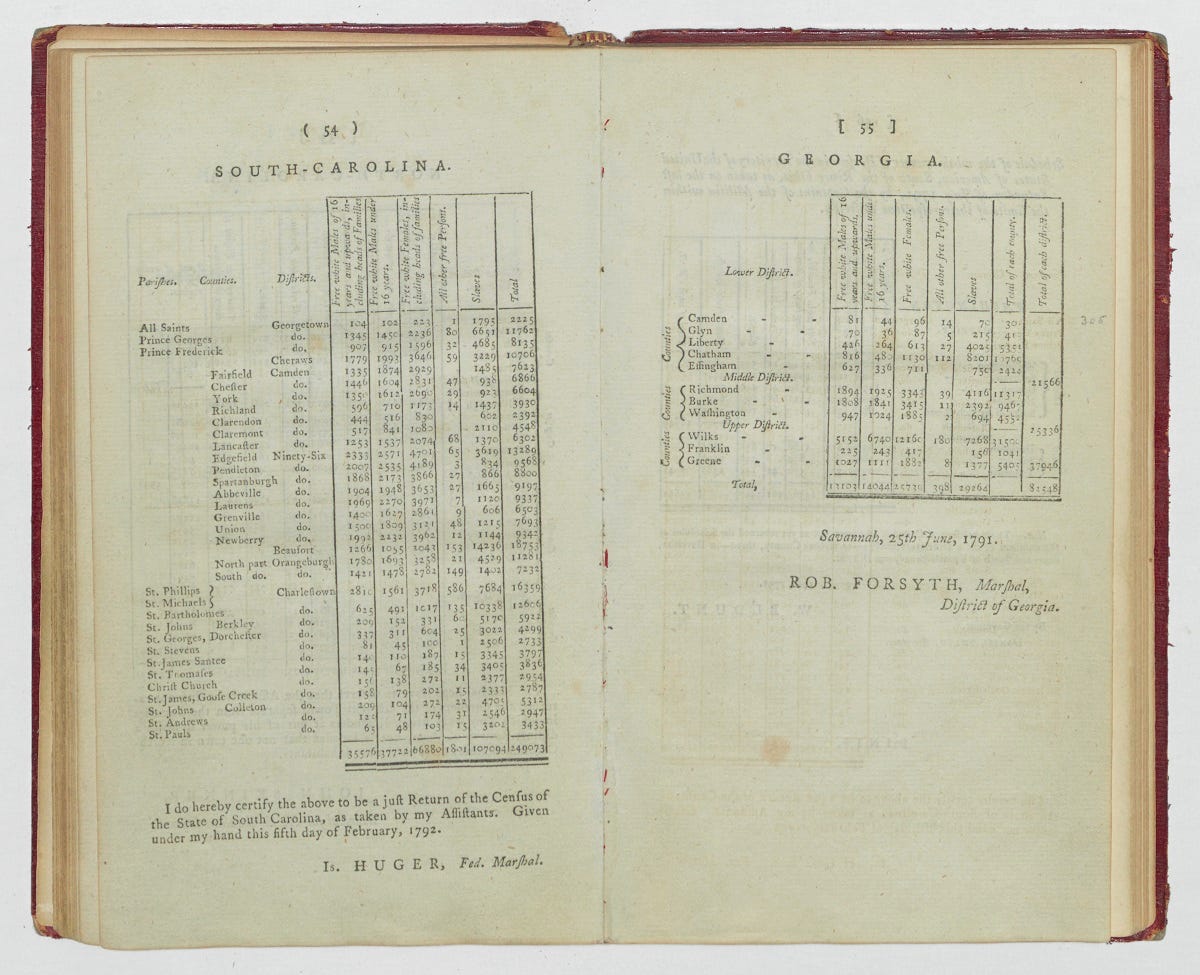
Civilian Records relating to Slavery | National Archives
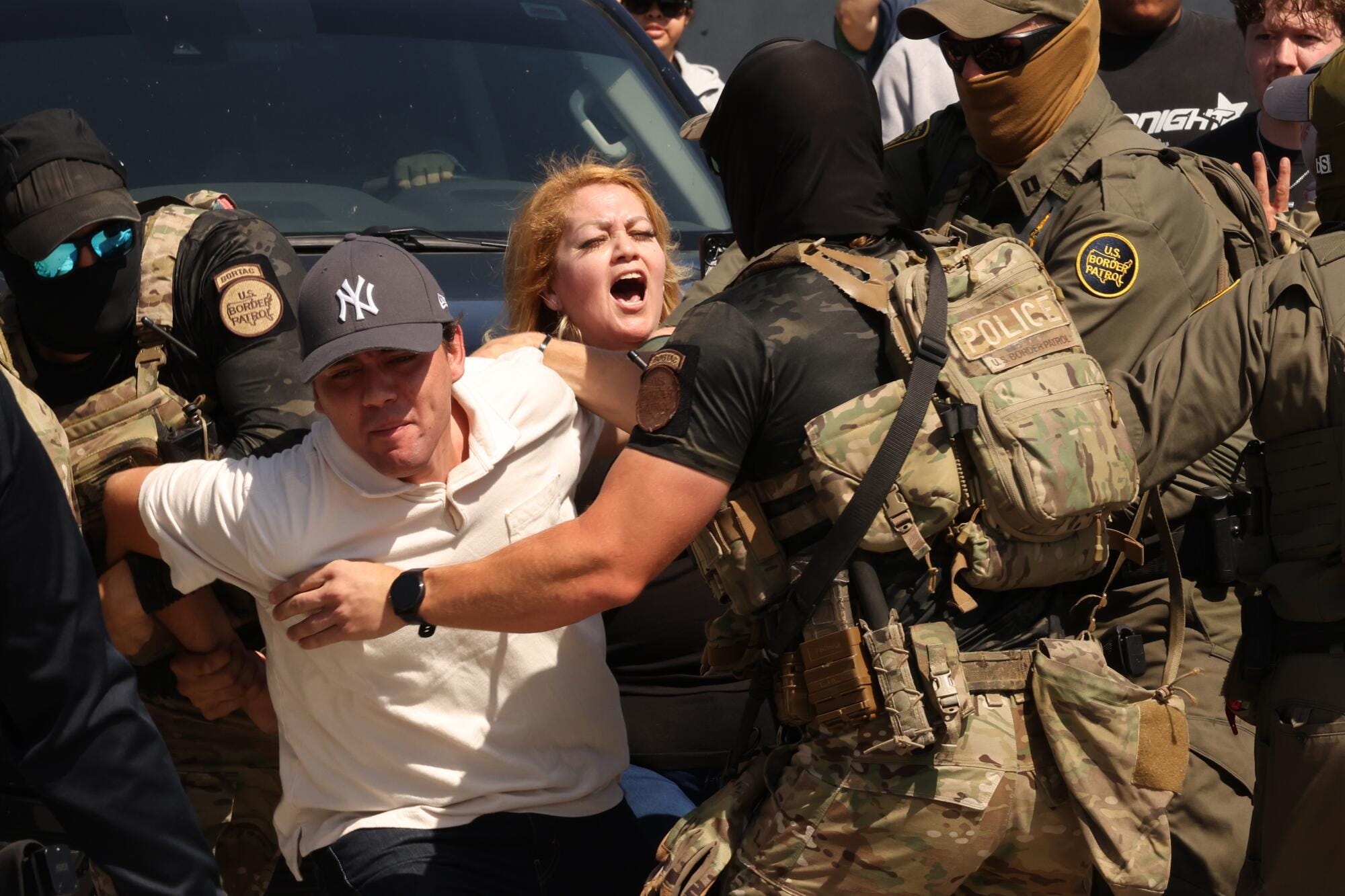
When the state deploys armed, militarized units into civilian spaces to inflict physical violence, tear apart families, and instill widespread, paralyzing fear based on race or perceived immigration status, we lack the vocabulary to call it anything other than what it is: state-sponsored terror.
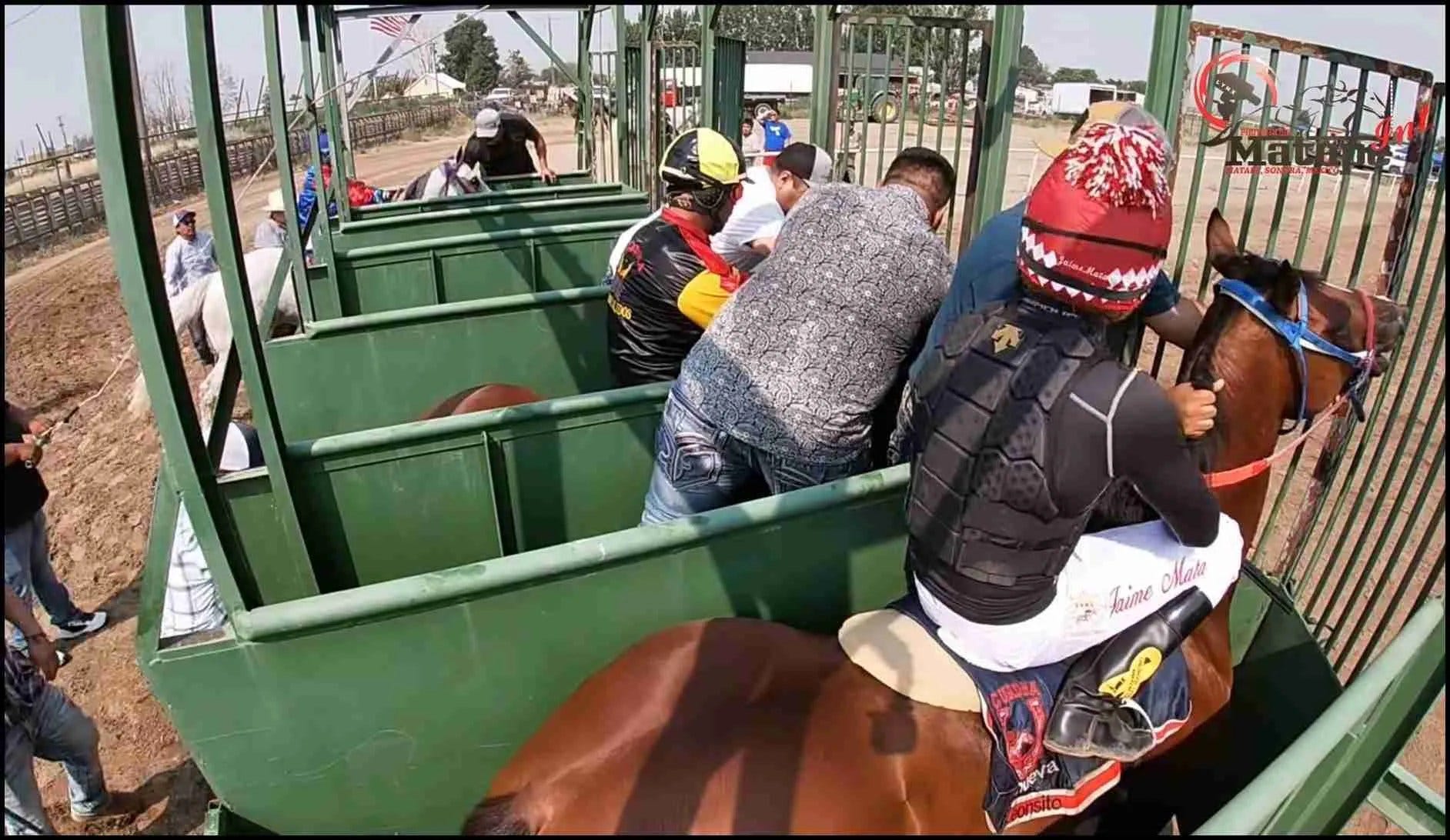
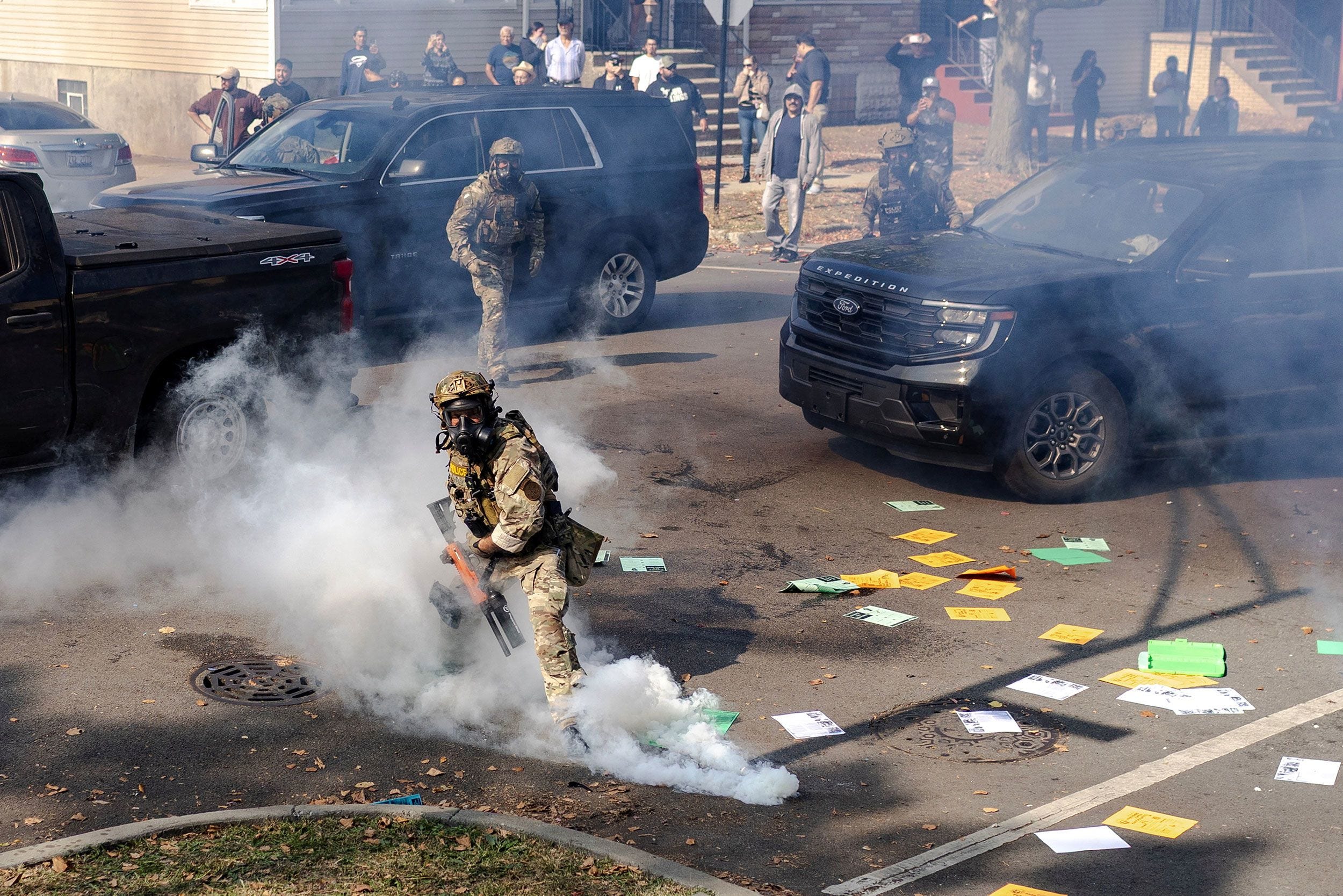
The events of October 19, 2025, at La Catedral Arena in Wilder, Idaho, are a searing addition to this ledger. What was supposed to be a Sunday gathering of Latino families enjoying horse races and traditional food was shattered when over 200 local, state, and federal agents—including ICE and the FBI—descended on the venue with armored trucks, helicopters, flashbang grenades, and rubber bullets.
These are the exact words of the victims who survived it.
Anabel Romero: “They kicked me, they punched me, they stepped on me”
Anabel Romero, a U.S. citizen, attended the family-friendly event with her three children. When a black military-style helicopter swooped in low over the field, pandemonium erupted. “All of a sudden I just see people running and screaming,” she recalled.
Seeking shelter, Romero hid in a horse stall. When armed men in tactical gear barged in, she demanded answers. “All I’m asking is for clarification, who are you and why am I being detained,” she asked. The agent’s response was a death threat: “I’m gonna [expletive] blow your head off.”
Romero was thrown to the ground. “They kicked me, they punched me, they stepped on me,” she stated. Zip-tied and shoved into the dirt, she was helpless as agents separated her from her children. “My parents, they came over here [from Mexico] to give us a better life,” Romero said. “That day, I felt like our freedom was taken away from us.” (Watch and read more about Romero’s testimony via CBS News)
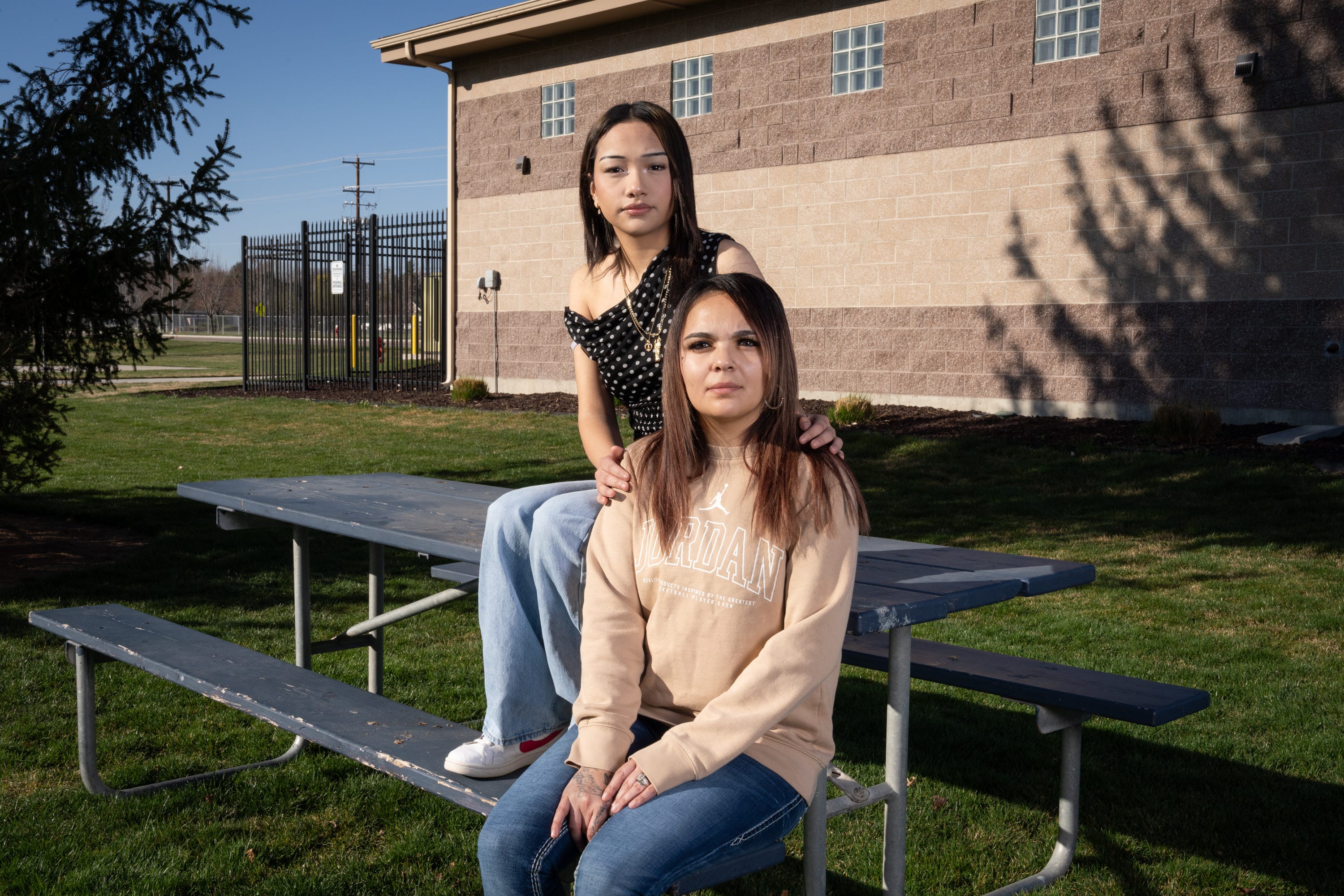
Democrats Investigating ICE Detentions of American Kids — ProPublica
SueHey: “I’m struggling to breathe”
Romero’s 14-year-old daughter, SueHey, also a U.S. citizen, was tending to her 6- and 8-year-old siblings in the family truck when heavily armed men dragged her out. Despite her mother’s desperate pleas—”I can’t hold her because you guys won’t let me go. I’m like, she’s only 14”—the agents forced the teenager’s hands behind her back and zip-tied her.
The terror of that moment is indelibly marked on her. “I’m just like there crying, like I’m struggling to breathe,” SueHey testified. “I can’t even get the words out.” Deep bruises were left on the child’s wrists, a physical testament to the state’s excessive and indiscriminate force.
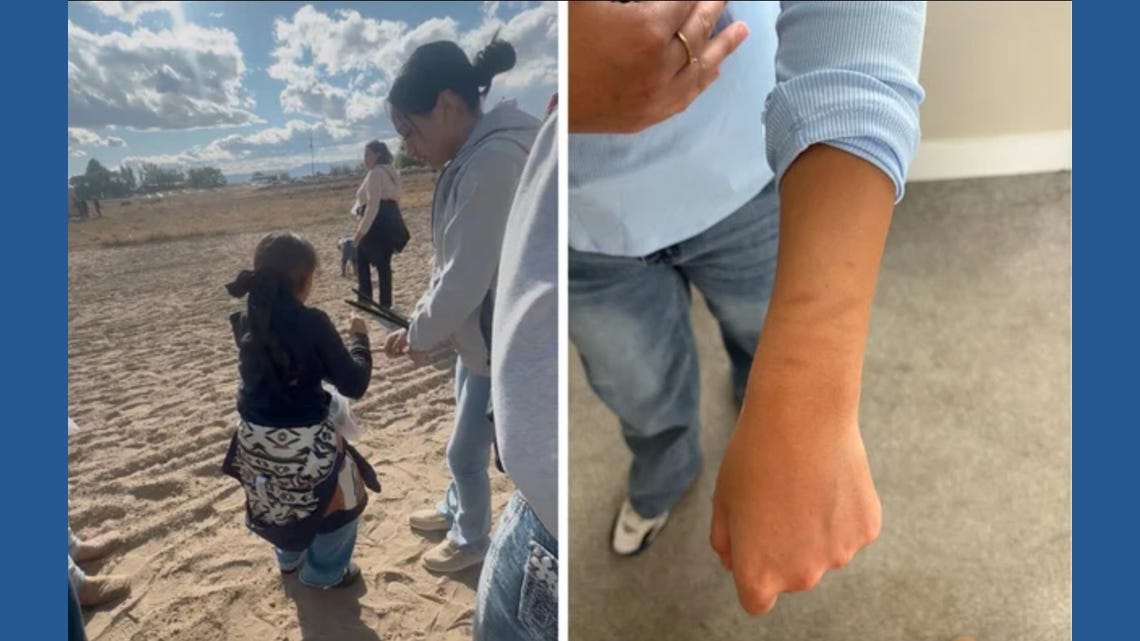
Feds zip-tied a 14-year-old girl during Idaho raid, sparking fresh questions about ICE tactics
Juana Rodriguez: “My toddler was forced to witness an incredible amount of violence”
Juana Rodriguez and her 3-year-old son—both U.S. citizens—were trapped in the crowd. Agents forced Rodriguez’s hands into zip-ties and left her bound for several hours. In a horrific display of psychological abuse, police instructed her 3-year-old boy to hold onto his mother’s pocket, which they had turned inside out.
“On October 19, I took my 3-year-old to a family-friendly event where we could eat, play, and enjoy horse races together,” Rodriguez stated. “What happened turned our outing into a nightmare. My toddler was forced to witness an incredible amount of violence against people he loves and hear racial slurs about Latinos, experiences that no child should ever be exposed to. I’ll never forget hearing his little voice pleading with me to give him food and water for hours on end.”
She added, “As a parent, nothing is more heartbreaking than hearing your child cry out in fear and being told you cannot hold or comfort them. I am a proud U.S. citizen, and I didn’t do anything wrong. While nothing will ever undo the harm of that day, I joined this lawsuit because I know what happened to me was wrong and because no family should be treated this way again.” (Read Rodriguez’s full statement in the ACLU’s official press release)
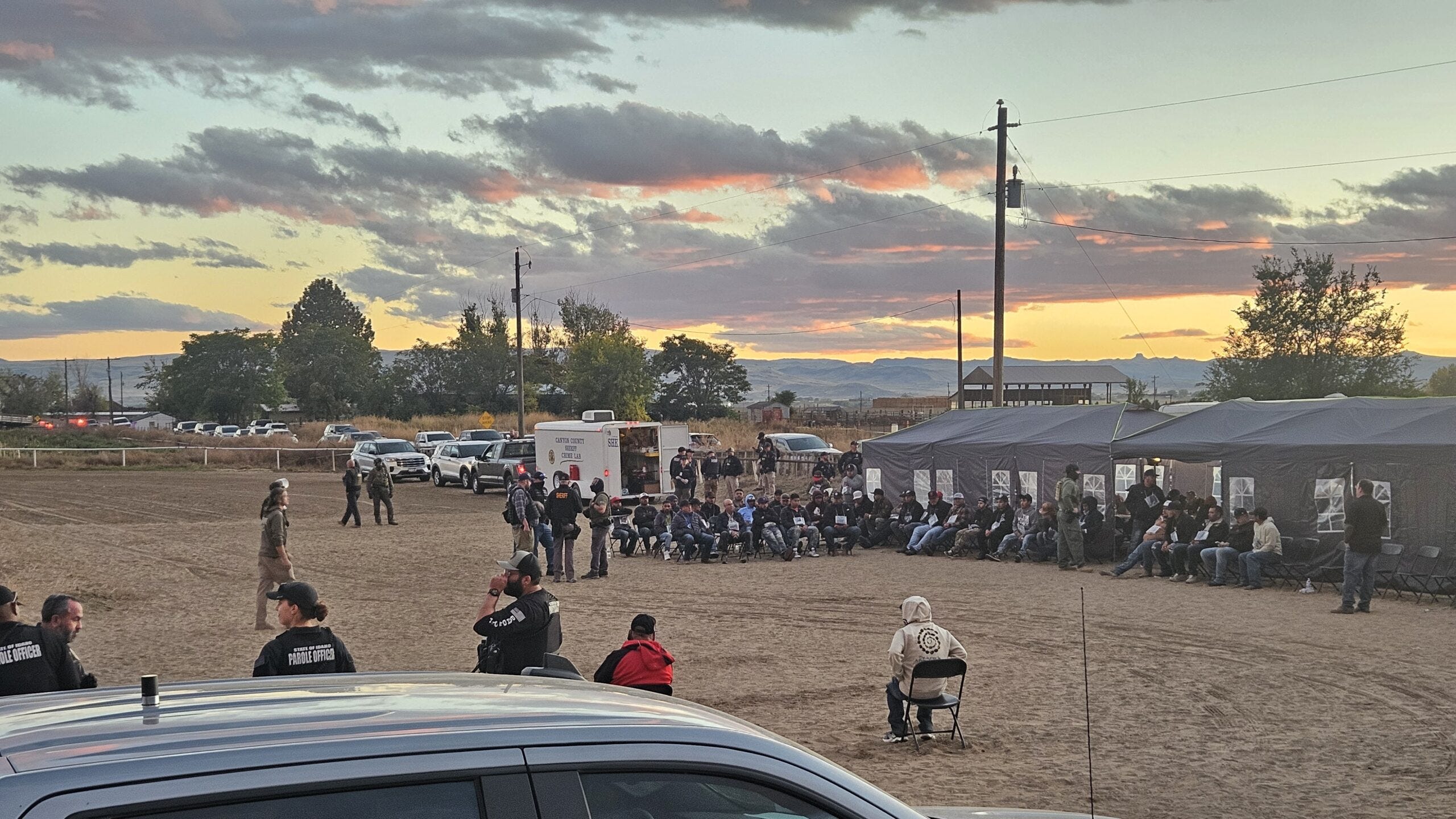
It Is Not a Pattern. It Is Procedure.
When we examine the ledger—the BORTAC units deployed to interior cities, the Mississippi poultry plant raids, the unmarked vans in Portland, and now the flashbangs and zip-tied children in Idaho—the media and politicians often call this a “disturbing pattern.”
We need to be very clear: This is not a pattern. It is procedure.

A pattern implies a recurring accident, a series of unfortunate coincidences, or a breakdown in protocol. But throwing a mother to the ground, threatening to blow her head off, dragging a 14-year-old girl and bruising her wrists with zip-ties, and forcing a 3-year-old to cling to his bound mother’s pocket while denying him water is not a breakdown of the system. It is the system.
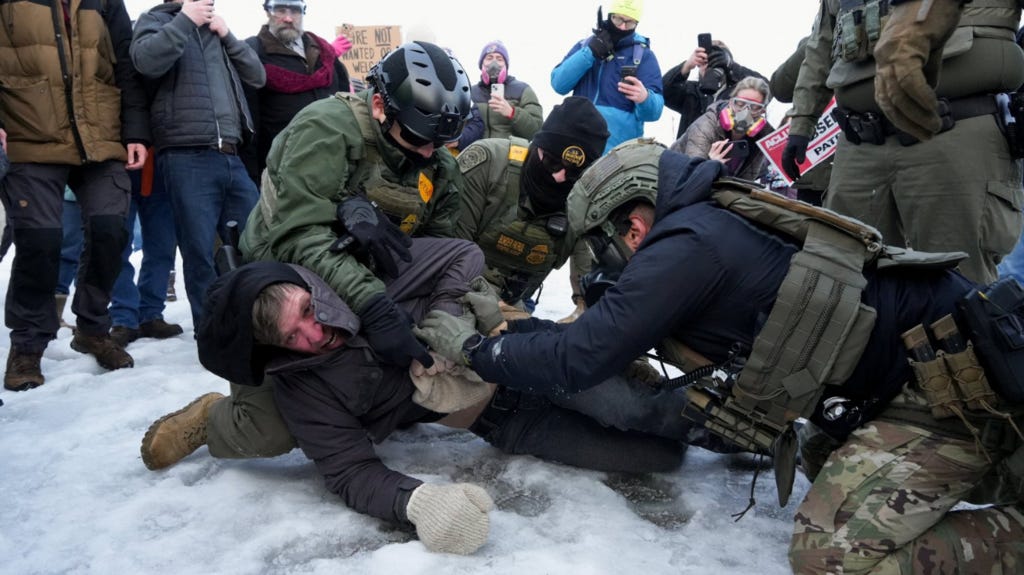
The cruelty is not collateral damage; it is the primary objective. The overwhelming use of military force against civilians is designed specifically to terrorize, to break communities, and to establish a hierarchy of fear. It is the calculated machinery of an occupying force.
We cannot look away.
Please, share what you have learned from this ledger. Send this article to your networks, read it aloud, and put these facts into the hands of your community. When everyone has the tools, the knowledge, and the unvarnished truth, we gain the collective power to dismantle the machine that is the regime.
The Ledger Does Not Exist To Relive Trauma.
It Exists To Ensure Justice Prevails, It Exists To Hold The Benefactors Of Suffering Accountable.
If you or someone in your community has experienced or witnessed physical violence, illegal searches, racial profiling, or other civil rights violations by ICE or Border Patrol, your account matters. Documenting these abuses builds the foundation for litigation and international intervention.
Here is where you can report what happened:
1. The United Nations Human Rights Office
When domestic avenues are compromised, gross human rights violations can be escalated to the international level. The UN Office of the High Commissioner for Human Rights (OHCHR) maintains secure portals to report abuses, including arbitrary detention, state-sponsored violence, and violations of the rights of migrants and children.
Submit a Formal Complaint to the UN: * Portal: OHCHR Human Rights Council Complaint Procedure
What it is: This portal is used to report consistent patterns of gross human rights violations to the Human Rights Council or to file individual complaints under specific human rights treaties.
Report to UN Special Procedures:
What it is: This form alerts independent human rights experts (Special Rapporteurs) to specific, urgent incidents or ongoing abuses so they can intervene, demand answers from the U.S. government, and include the violations in global reports.
2. State-Level Legal Intakes & Defense Networks
Local organizations and state chapters of the American Civil Liberties Union (ACLU) are often the first line of defense. They use these intake forms to identify patterns of abuse and find plaintiffs for civil rights lawsuits against ICE and local cooperating police (such as those in the 287(g) program).
ACLU State Affiliates: Every state has an ACLU chapter, and almost all of them have a “Legal Intake” or “Get Help” form on their website.
To find yours: Go to the ACLU Affiliates Directory to find the specific legal intake portal for your state.
Regional Immigrant Rights Coalitions: Organizations embedded in local communities often run rapid-response hotlines and abuse intake systems. Examples include:
CASA: Operates primarily in the Mid-Atlantic region and runs rapid response networks and legal defense programs for immigrants facing ICE enforcement.
Mijente: A national, digital, and grassroots hub for Latinx and Chicanx organizing that frequently coordinates legal defense, data privacy campaigns against tech brokers, and advocacy against ICE raids.
Adelante Alabama Worker Center: Based in the South, they unite low-wage and immigrant workers to defend rights and frequently provide pro bono representation to individuals seeking freedom from immigration detention.
3. Joining Class Action Lawsuits
Civil rights organizations frequently file class-action lawsuits against ICE, the DHS, and private prison contractors (like CoreCivic or GEO Group) for mass abuses, unlawful raids, and inhumane detention conditions.
National Immigration Law Center (NILC): An organization dedicated to defending and advancing the rights of immigrants, frequently taking on major, systemic class-action litigation against federal agencies.
National Immigration Project of the National Lawyers Guild (NIPNLG): They provide legal and technical support for immigrant communities fighting deportation, ICE abuse, and government overreach.
If you are a victim of a specific publicized raid (like the Idaho La Catedral Arena raid or the Mississippi plant raids): You should contact the ACLU affiliate of that specific state immediately, as they are likely already serving as the lead counsel for the ongoing class action and are actively seeking to add impacted individuals to the legal filings.