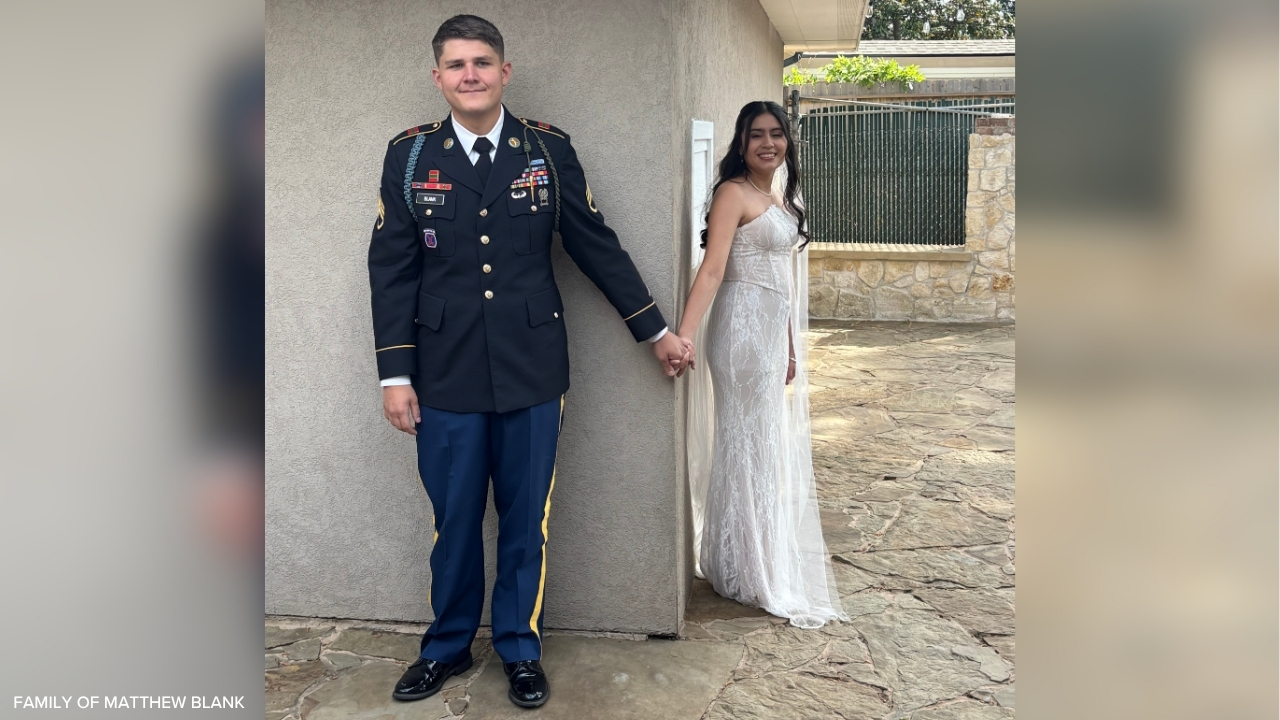
Annie Ramos, 22 Did Everything The Right Way
She was Brought from Honduras at 22 months old, she has no memory of any other life. She applied for DACA at 16. She is months from completing a biochemistry degree at Arizona State University.

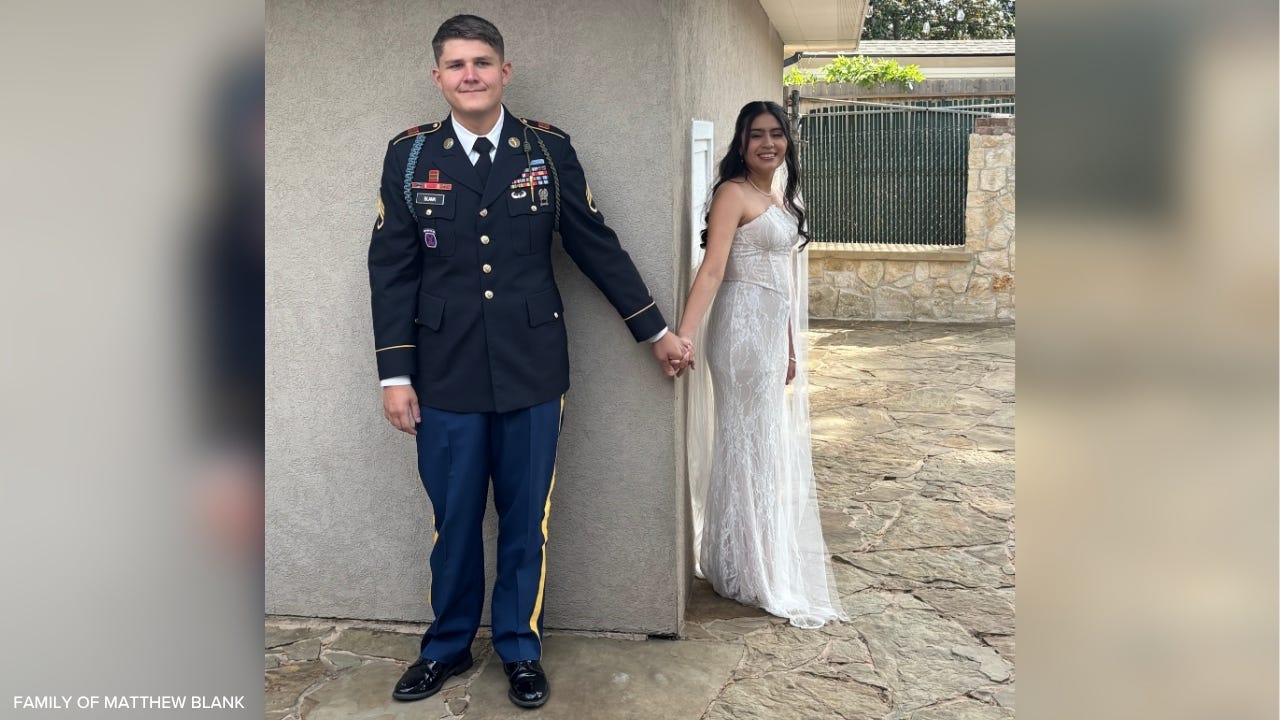
Annie married Staff Sergeant Matthew Blank, 23, a five-year Army veteran preparing for deployment. On legal counsel, the couple arrived at Fort Polk, Louisiana, with full documentation—Honduran passport, birth certificate, marriage license, military ID—to register as spouses and access base housing.
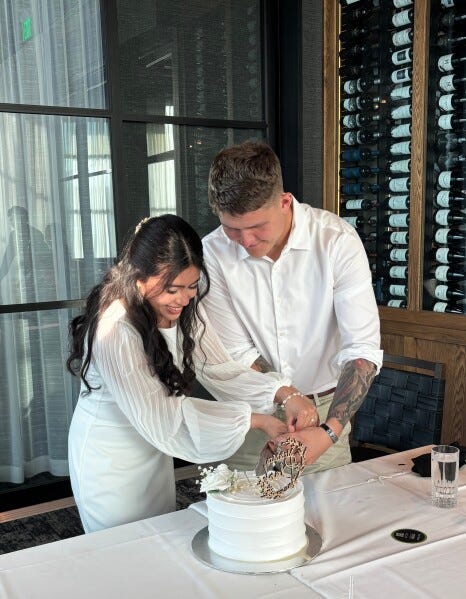
She is a Sunday school teacher and near-graduate in a taxpayer-supported STEM program; he is an active-duty soldier. Their open presentation of documents triggered immediate ICE intervention.
ICE agents entered the base
Handcuffed Ramos in front of her husband and in-laws, and removed her in a military police vehicle. She was transferred to the South Louisiana ICE Processing Center in Basile. DHS spun the detention as “attempting to enter a military base.”
Guards blocked Blank and his mother from delivering completed green-card paperwork during a visit. A 2005 in-absentia removal order—issued when Ramos was an infant—was revived to justify the action.
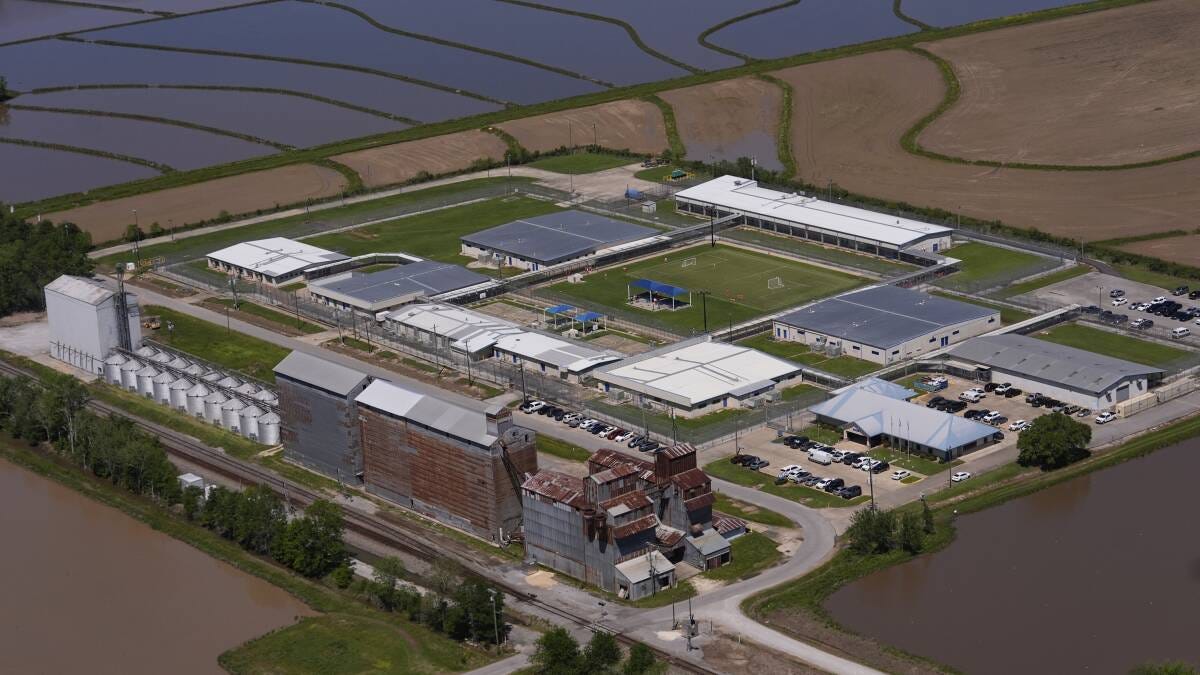
Aerial and exterior view
South Louisiana ICE Processing Center in Basile, Louisiana—the for-profit GEO Group facility holding Ramos. These centers function as warehouses for removal quotas, operated under private contracts that profit from human warehousing.
This is design not failure
It is the system operating exactly as structured under the current mass-deportation agenda: generate spectacle, hit numerical targets, and fracture solidarity between working-class military families and immigrant communities. Ramos assimilated completely. She pursued public university education in a field critical to the U.S. economy. She married a soldier.
She hired an attorney and presented herself transparently to federal authorities. The machinery crushed her anyway because the policy prioritizes donor-class signaling and base mobilization over material contributions, family unity, or military readiness.
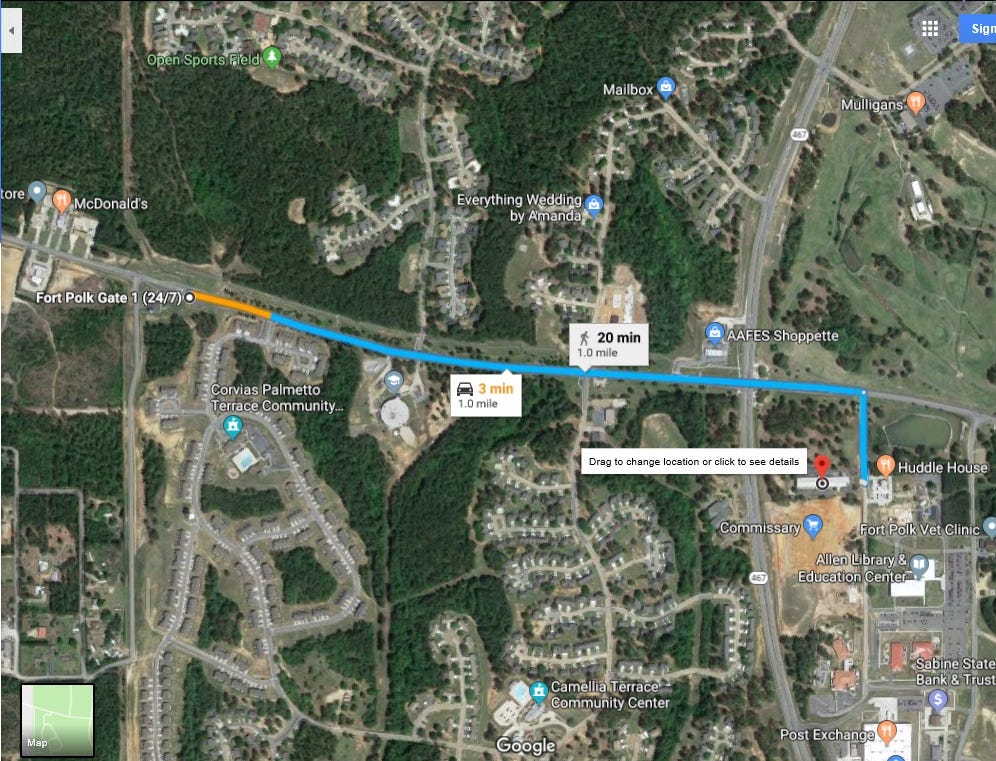
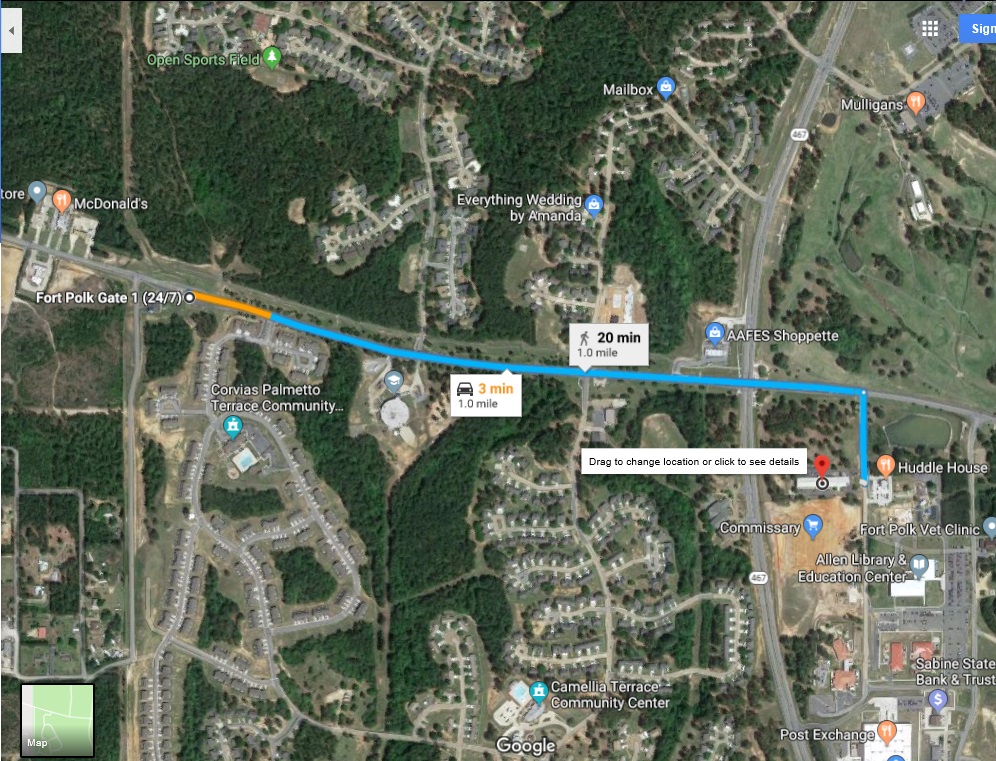
Satellite and entrance views of Fort Polk, Louisiana. The couple arrived here for routine military spouse registration; DHS enforcement overrode family and military needs.
Arizona State University Tempe campus and science buildings—site of Ramos’s near-complete biochemistry studies, built on public funding and infrastructure that have already benefited from her tuition and future labor contributions.
Additional visuals for the published piece:
Blank and his mother outside the Basile detention center, underscoring the human cost to military families.
Houston wedding reception images showing the couple surrounded by community support just days before the detention.
Broader Fort Polk gate and base context to ground the geography of state power overriding military family protocols.
The “right way” is a dangerous illusion maintained to keep immigrant labor vulnerable and divided from native-born workers. This case weakens U.S. military families, diverts resources from genuine security, and reveals “law and order” as code for militarized family separation serving oligarchic interests—tax cuts for the wealthy, union-busting, and spectacle enforcement to mask class contradictions.
Detention centers like Basile are de-facto concentration facilities in a for-profit system that treats humans as removal statistics. The outrage is material: a biochemistry student and soldier’s wife in shackles because the regime demands bodies to fill its quotas. Publish with the expanded image set above to drive the contradiction home without liberal padding.