
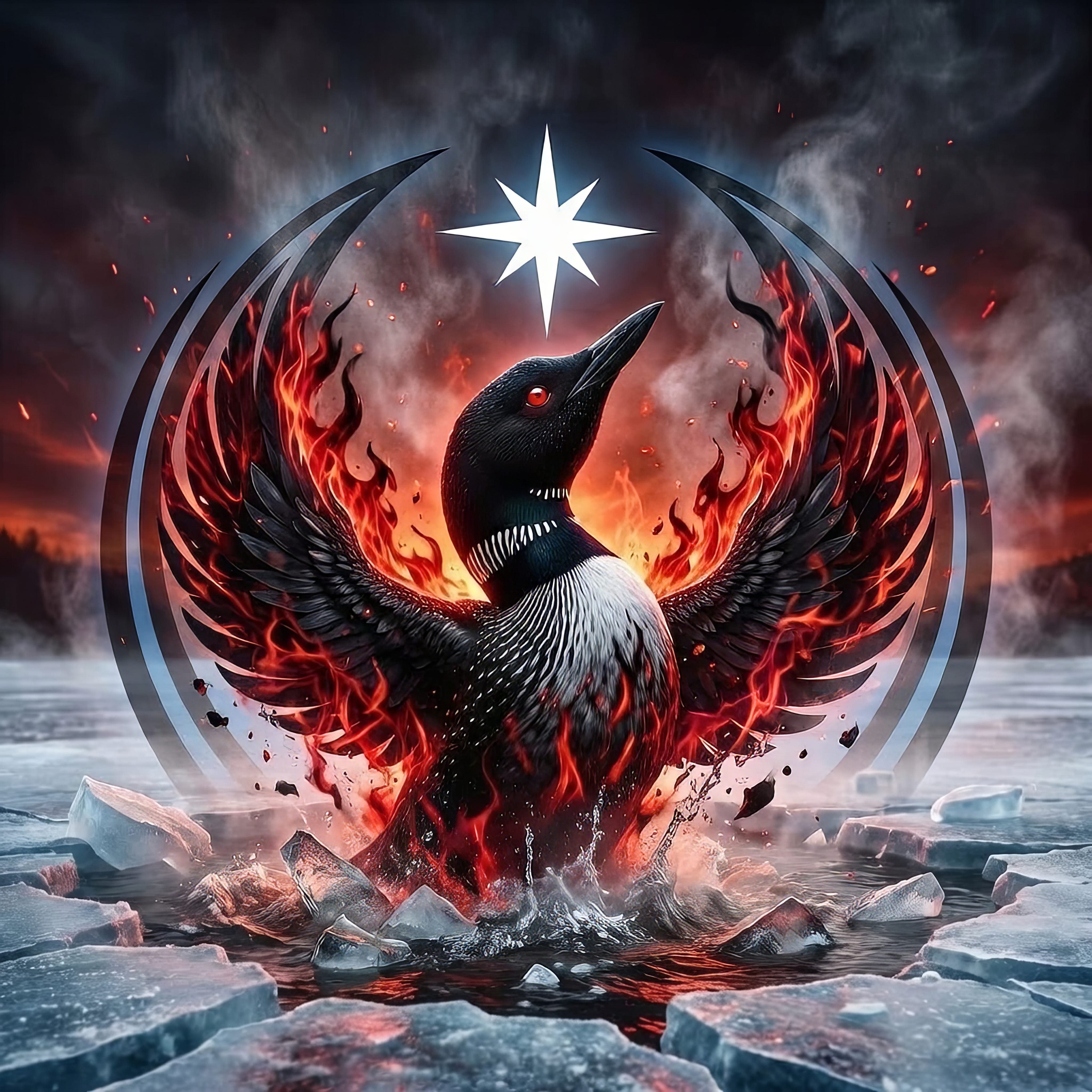
The loon never lost its spiritual vision. It has a love for life, its environment and its creator. Its education was from Mother Earth for the heart, for it to become creative and to know how to live
The Strength of Minnesota

Angayuqaq Oscar Kawagley (1934–2011)
Who he was:
Angayuqaq Oscar Kawagley was a renowned Yupiaq scholar, anthropologist, and educator from Bethel, Alaska. He was a groundbreaking figure in the field of indigenous education, becoming the first Yupiaq to earn a PhD.
His Philosophy & Work:
Kawagley spent his career bridging the gap between Western science and “Native ways of knowing”. He believed that indigenous knowledge systems (such as forecasting weather or understanding animal behavior) were not “folk tales,” but a sophisticated form of science rooted in thousands of years of observation.
He served as an associate professor at the University of Alaska Fairbanks, where he co-directed the Alaska Native Knowledge Network. His work focused on “indigenous methodology”—teaching students to tap into their cultural heritage and internal strength to solve modern problems, rather than relying solely on outside experts or technology.
Context of the Quote:
The quote you selected comes from his essay “The Cry of the Loon,” published in the newsletter Sharing Our Pathways (1999). In the piece, he uses the loon (tunutellek) as a metaphor for a creature that retains its “spiritual vision” and connection to the earth, contrasting it with modern humans who have become disconnected by noise and technology.
Source Link
Read: “The Cry of the Loon: Mysterious, Mournful, Remembering Place”
(Source: University of Alaska Fairbanks / Alaska Native Knowledge Network)