What’s at Stake?
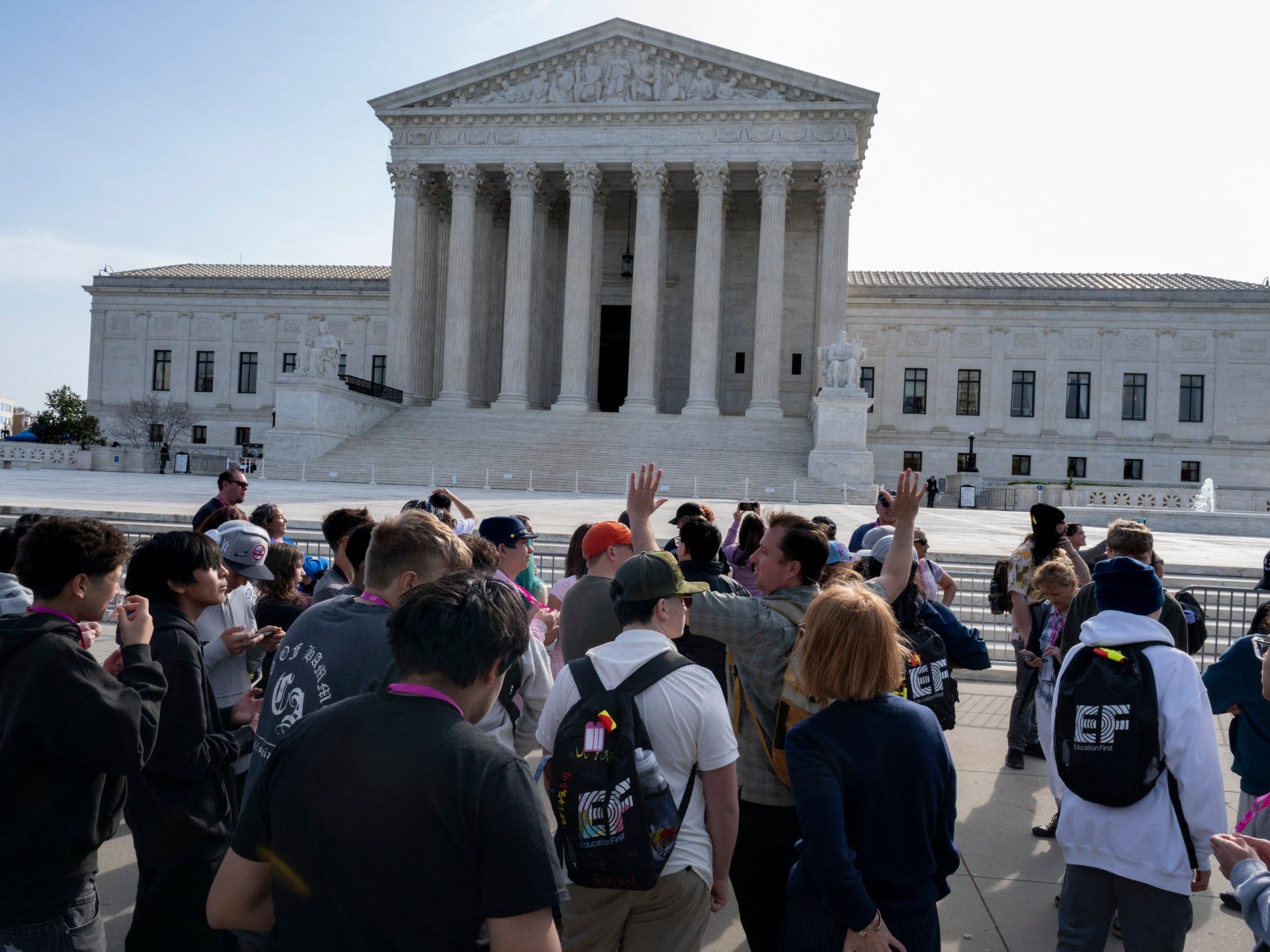
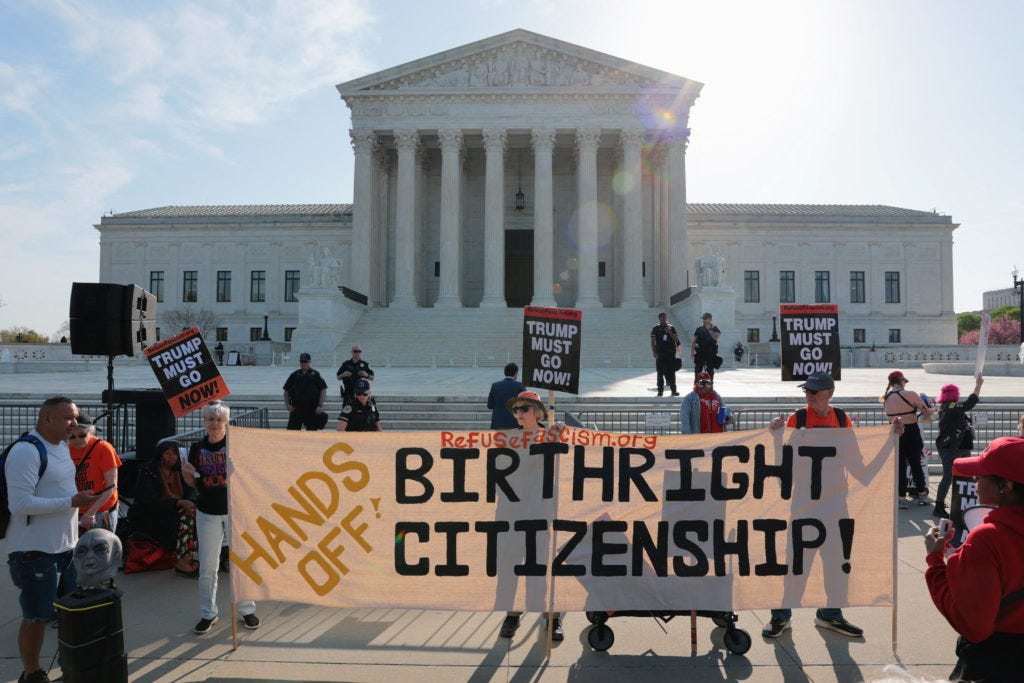
Today, the Supreme Court hears oral arguments in a case that could fundamentally alter the fabric of American society: Trump v. Barbara. At the heart of this legal battle is the question of birthright citizenship, a constitutional guarantee that has stood for over a century and a half.
www.aljazeera.com/wp-content/uploads/2026/03/afp_6...
Executive Order No. 14,160
issued by the Trump administration. This order directly challenges the long-held interpretation of the citizenship clause of the 14th Amendment, aiming to end the practice of granting automatic citizenship to children born on U.S. soil to non-citizen parents. If the Supreme Court upholds this order, the ramifications will be profound, widespread, and potentially retroactive.
The Core of the Dispute
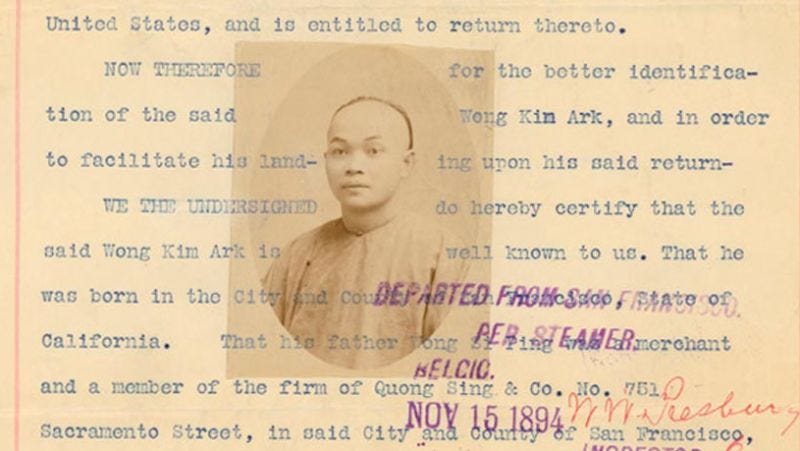
The 14th Amendment plainly states that “All persons born or naturalized in the United States, and subject to the jurisdiction thereof, are citizens of the United States and of the State wherein they reside.” For generations, this has been understood to mean that anyone born within the borders of the U.S. is an American citizen, regardless of their parents’ immigration status.
Birth Right Optics
However, the current administration, supported by the Justice Department, is urging the court to adopt a “new” interpretation of this old concept. They argue that the executive order simply “purports to interpret what the citizenship clause has always meant” and that it is “restoring the original citizenship clause... since 1868”. The administration’s stance is that children born to undocumented immigrants, or even those on temporary visas, should not automatically receive citizenship.
Critics, however, view this not as a restoration, but as a radical reinterpretation. During a recent Senate hearing, legal experts sounded the alarm. Senator Mazie Hirono pointed out the retroactive implications, noting that there is “nothing that would say that this kind of reinterpretation cannot be applied retroactively”. This means that the ruling might not just apply to babies born after the order goes into effect, but could potentially strip citizenship from individuals who have lived their entire lives as Americans.
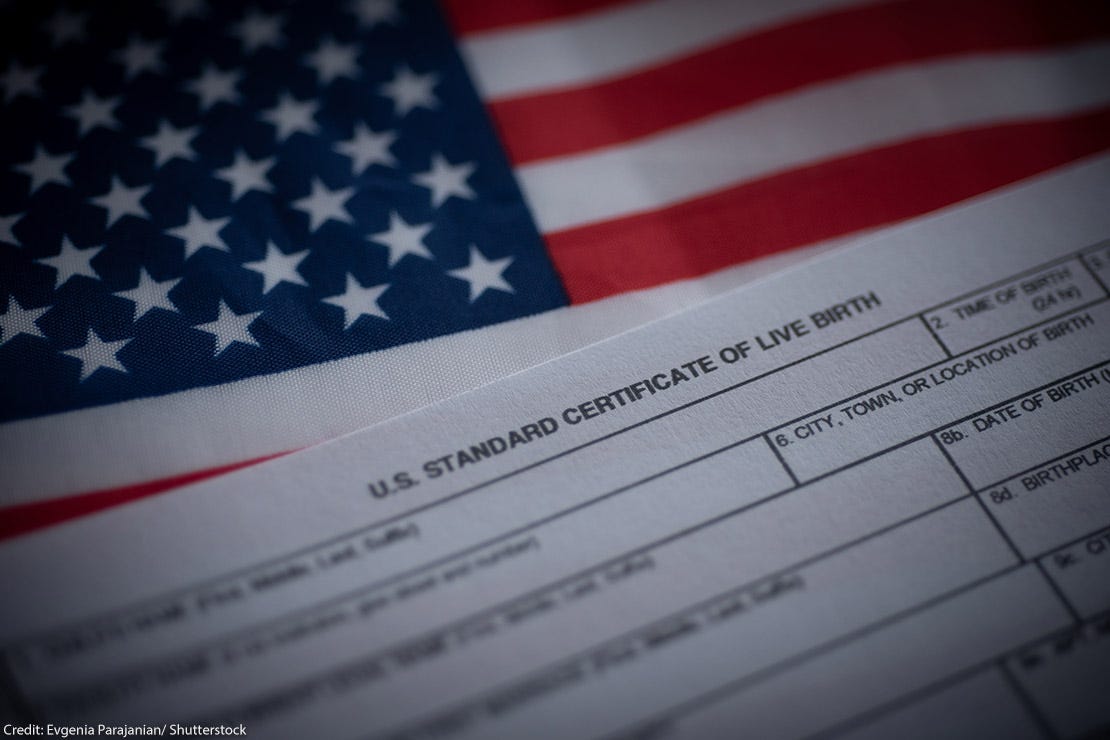
Trump’s Executive Order on Birthright Citizenship, Explained | American Civil Liberties Union
The Fallout
The potential impact of overturning birthright citizenship cannot be overstated. If the Supreme Court sides with the administration, millions of people currently recognized as U.S. citizens could face denaturalization. This isn’t just about newborn babies; it’s about adults who have established lives, families, and careers in the country they’ve always called home.
Legal scholars testifying before the Senate confirmed these fears. When asked if millions could be affected, Amanda Frost, a law professor at the University of Virginia, stated, “That’s correct. In fact, the Trump administration executive order just says, this is the interpretation... and if the regime gets its way with the SAVE Act... millions of people in our country who are citizens by virtue of being born in this country would be denied the right to vote”.
Beyond voting rights
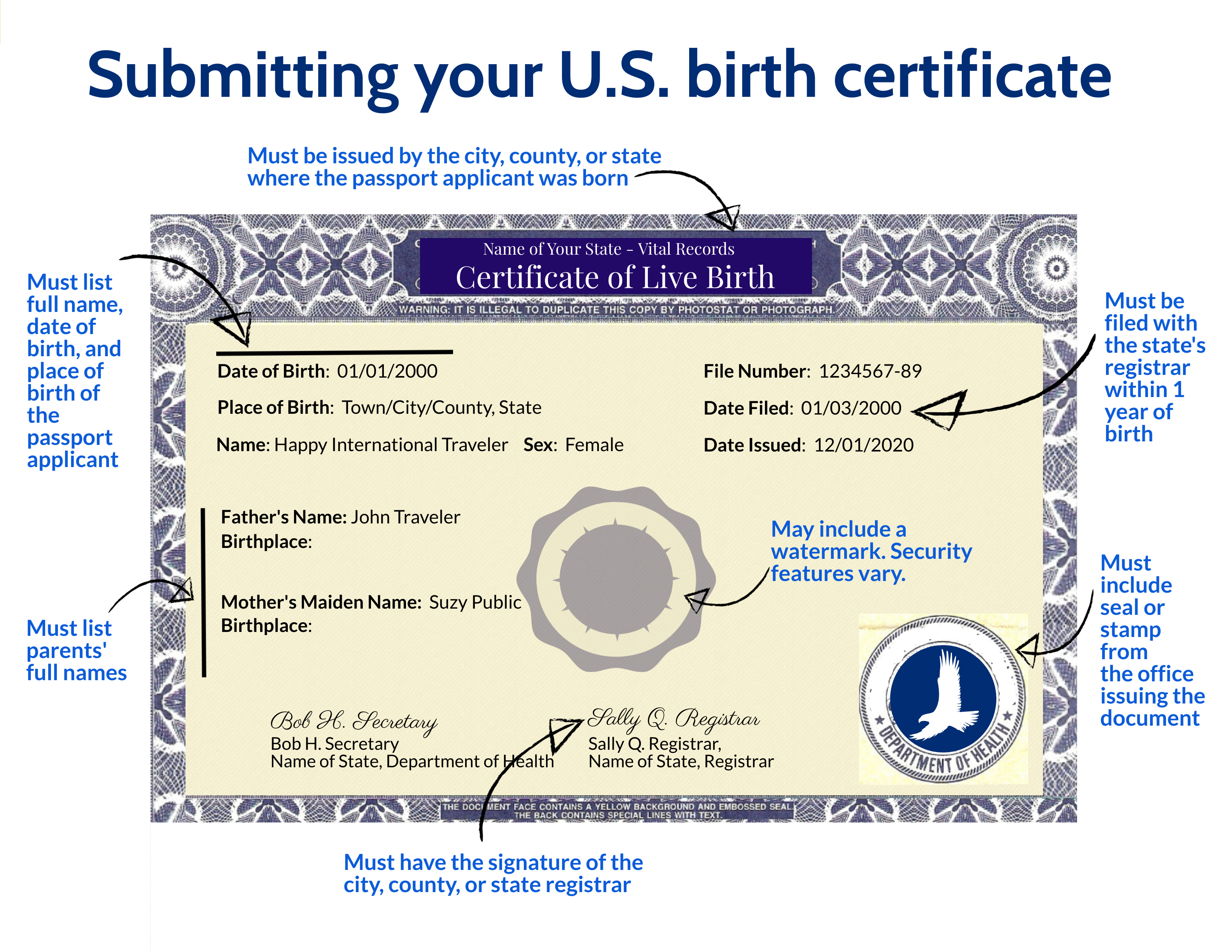
Stripping individuals of their citizenship would mean losing the ability to run for public office, serve on a jury, and access a myriad of rights and protections afforded to Americans. Furthermore, the burden of proof would shift dramatically. As one commentator noted, individuals would “have to prove [their] citizenship in order to receive a citizenship, which means in order to vote, you’ll have to have a birth certificate” and under the new rules, “your birth certificate will not be enough”.
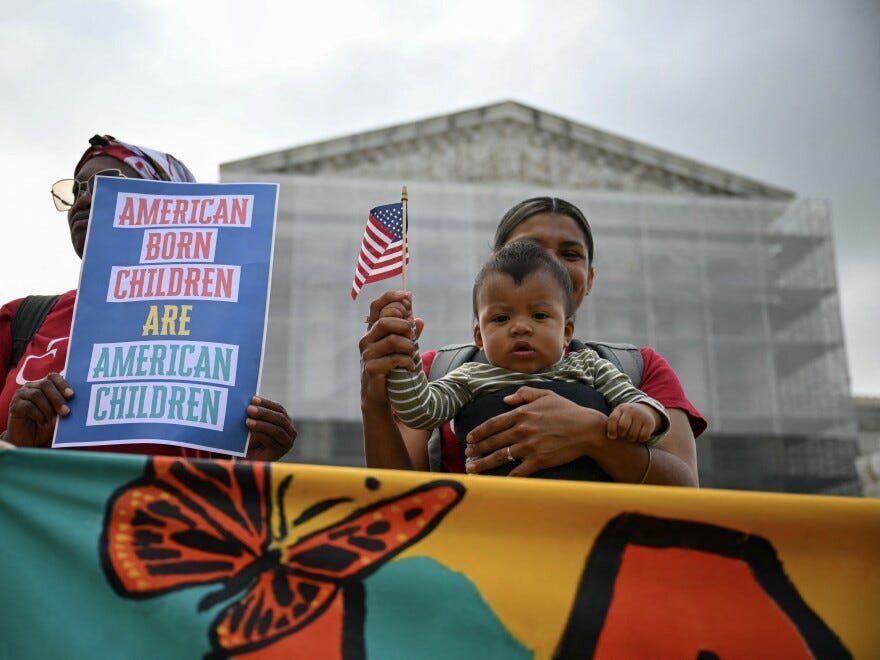
Babies are an afterthought in the birthright citizenship case, advocates say | WLRN
A Legal and Societal Earthquake
The anxiety surrounding this case is palpable. The administration’s executive order implies a presumption that anyone born in the U.S. to non-citizens is not a citizen themselves, unless their parents can prove otherwise. This creates an environment of intense scrutiny, where even current citizens might find their status questioned and their rights threatened.
The Trump v. Barbara case represents a critical juncture in American legal history.
The Outcome
The impact will not only define the limits of executive power but will also determine the very definition of who gets to be an American. As the Justices hear the arguments today, the nation watches, aware that the outcome will shape the lives of millions and redefine the concept of citizenship for generations to come.