

It took a full year.
A year of locked doors, a 72-hour hospital stay in shackles after a seizure, and endless, exhausting legal battles. But yesterday, 33-year-old Leqaa Kordia finally walked out of the Prairieland Detention Center in Texas.
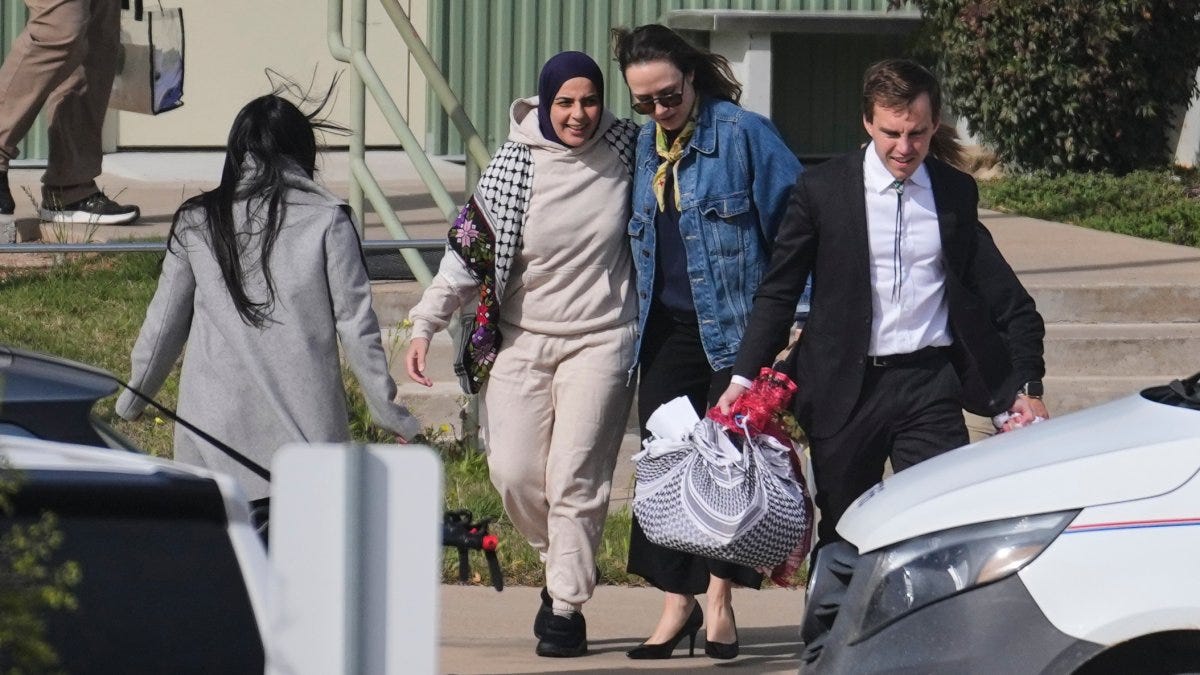
Leqaa Kordia emerges from the Prairieland Detention Center in Alvarado, Texas, on March 16, 2026, after more than a year in custody.
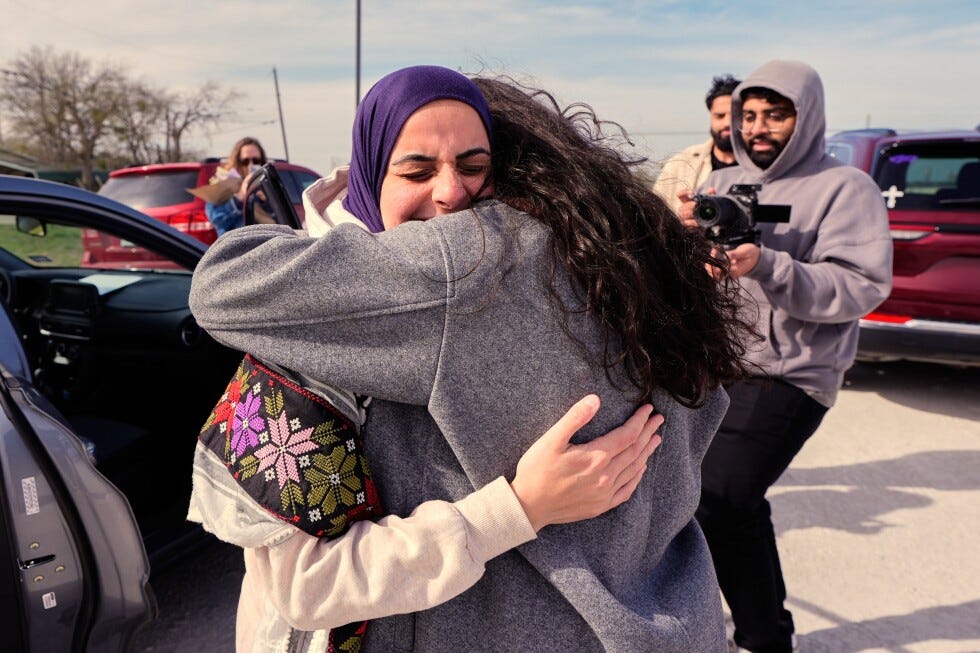
She was the last person still locked up from the administration’s sweeping 2025 crackdown on pro-Palestinian campus protests. Her story is not just an isolated incident of bureaucratic overreach. It is a terrifying masterclass in how government agencies can be entirely weaponized to crush dissent and punish those who refuse to stay silent.
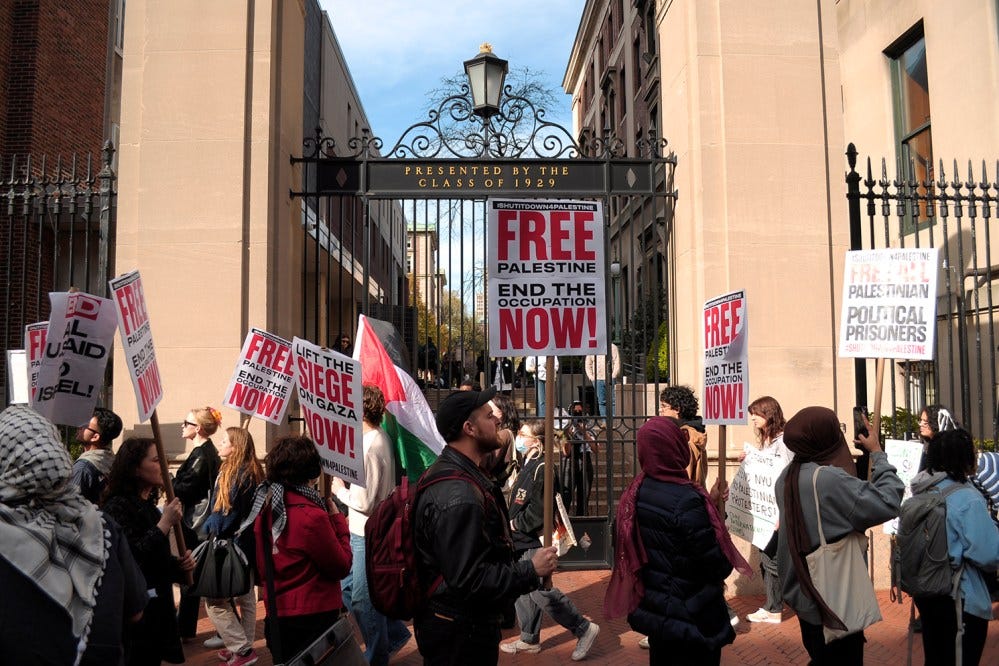
Kordia, originally from the West Bank, was arrested in April 2024 at a protest outside Columbia University. The local charges were dropped and sealed. In a functioning system, that would be the end of it. But the NYPD handed her information over to the federal government anyway, turning local policing into a direct extension of federal immigration enforcement.
Fast forward to March 2025. Kordia shows up for what she thinks is a routine check-in with ICE in New Jersey. Instead, she is slapped in cuffs, shipped thousands of miles away to a privately run detention center in Texas, and thrown into a deliberate legal black hole.
The official administration line attempted to mask political retaliation as standard procedure. They claimed she overstayed a student visa and tried to spin a $1,000 lifeline she sent to her starving family in Gaza as something sinister. But an immigration judge saw right through the charade, finding “overwhelming evidence” that she was telling the truth. The judge eventually called the government’s desperate attempts to keep her locked up “disingenuous.”
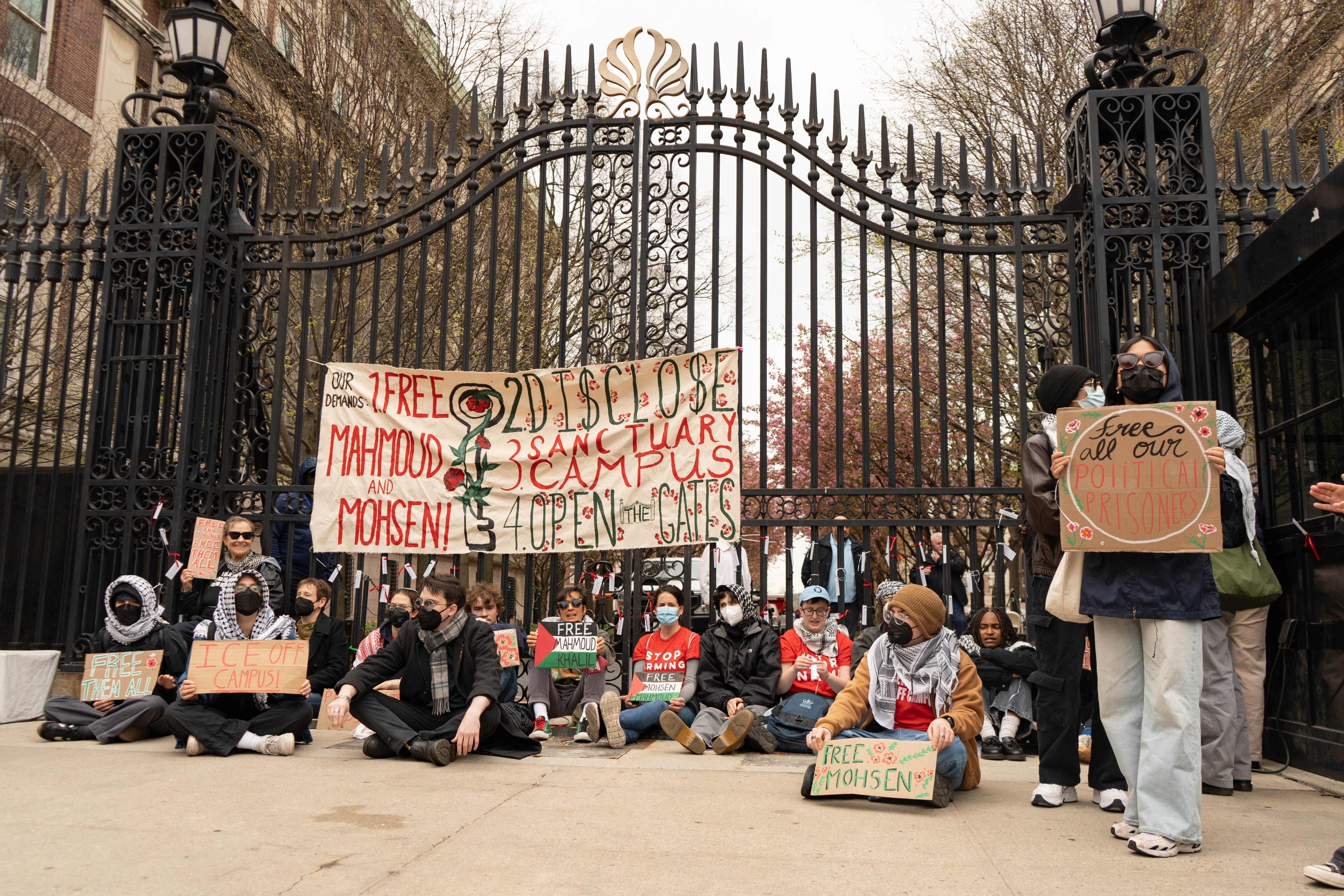
When a government arrests people for their speech, ignores multiple judicial orders to release them on bond, and holds them in conditions designed to physically break them down, all while openly promising to deport “sympathizers” and “agitators,” critics argue it fundamentally stops being about immigration enforcement. That is the exact definition of taking political prisoners.
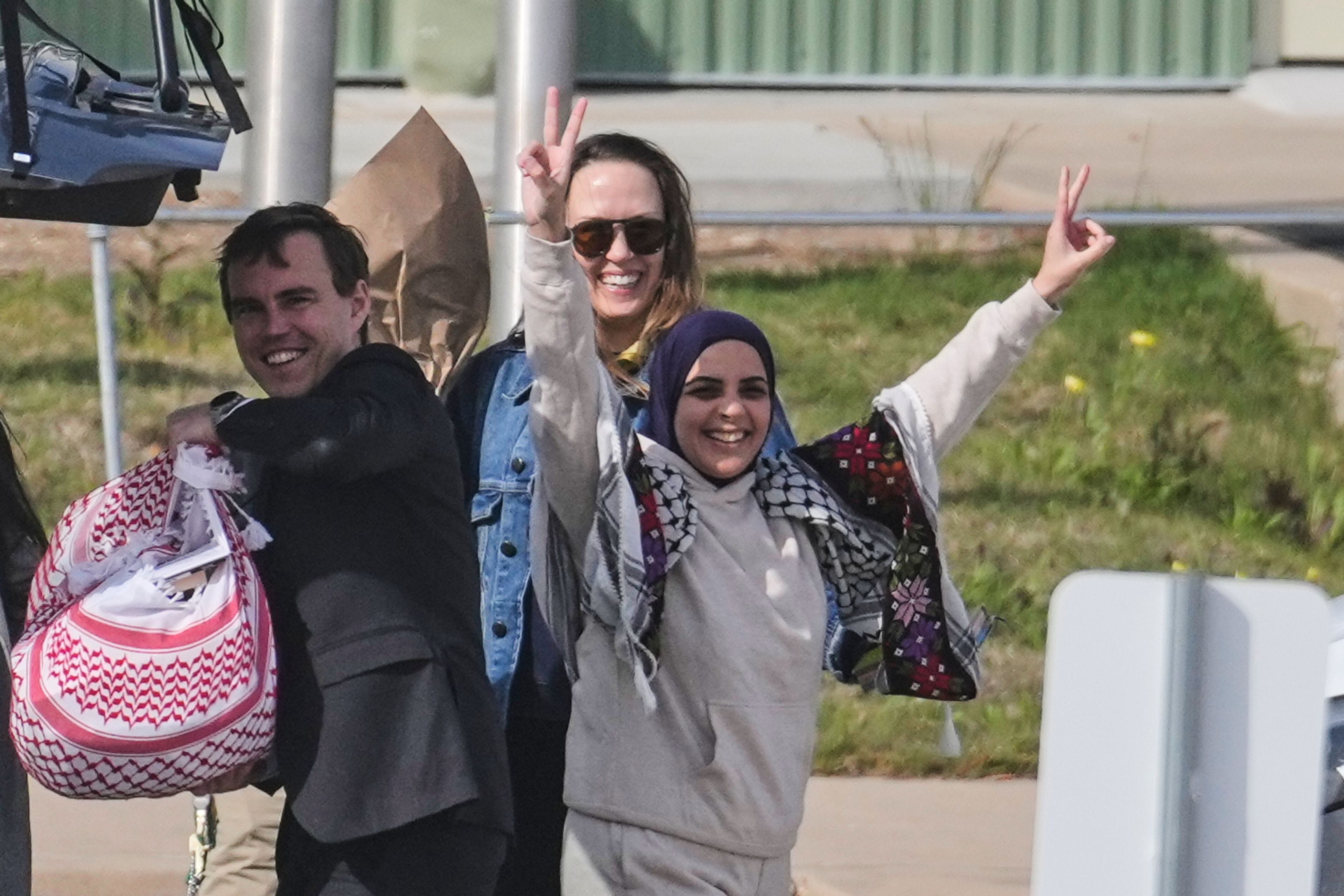
For observers monitoring this crackdown, Kordia was never an actual threat to national security. She was a threat to a carefully constructed political narrative. Advocates point to the intentional cruelty she faced — from deliberate isolation to being chained to a hospital bed during a medical emergency — as proof that the process itself is the punishment.
But as Kordia said herself when she finally walked free yesterday, “ICE detention facilities are built to break people and destroy their health and hope.” She made it abundantly clear that she isn’t backing down, promising to “continue speaking up for the basic rights and freedom of all people.”
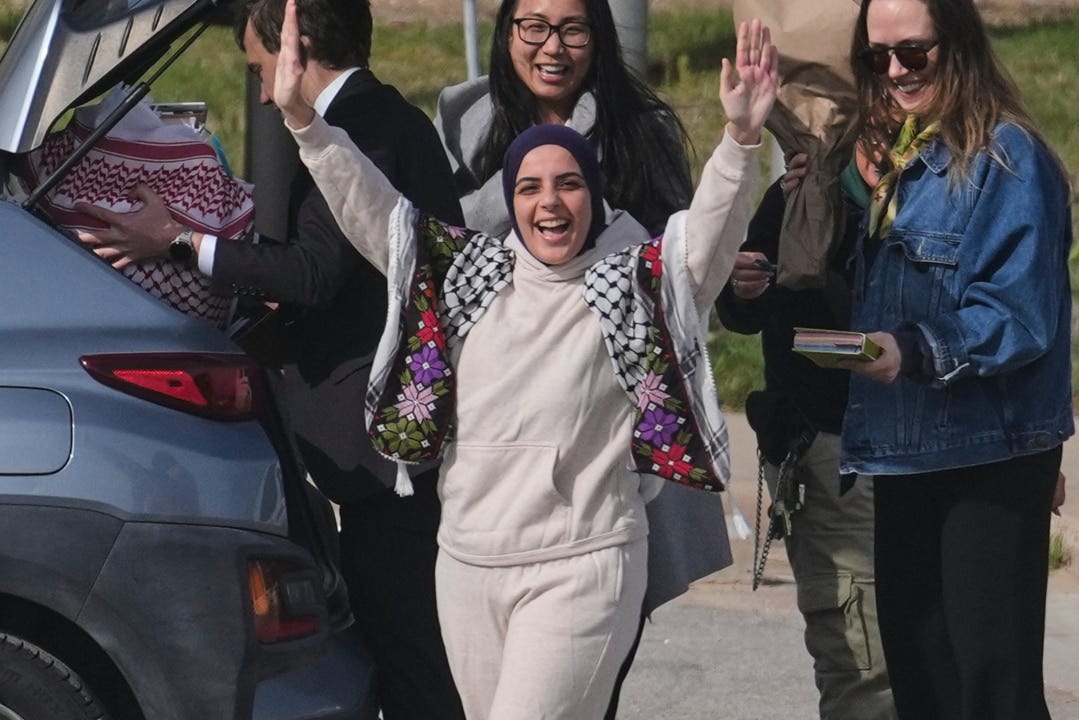
The cage didn’t work.
The warning failed. And the right to dissent, however uncomfortable it makes the people in power, survives another day.
As we watch these agencies turn their vast resources against students and organizers, we are left with a critical question: If the government can successfully weaponize the immigration system to cage someone for their speech today, what mechanisms will they use to silence the rest of us tomorrow?


