The Trump administration is terminating Temporary Protected Status for roughly 350,000 Haitians this week. Work authorizations tied to the designation have been extended only through July 27, 2026 under successive short court orders. Once they lapse, these people lose legal presence and employment authorization. ICE enforcement follows.
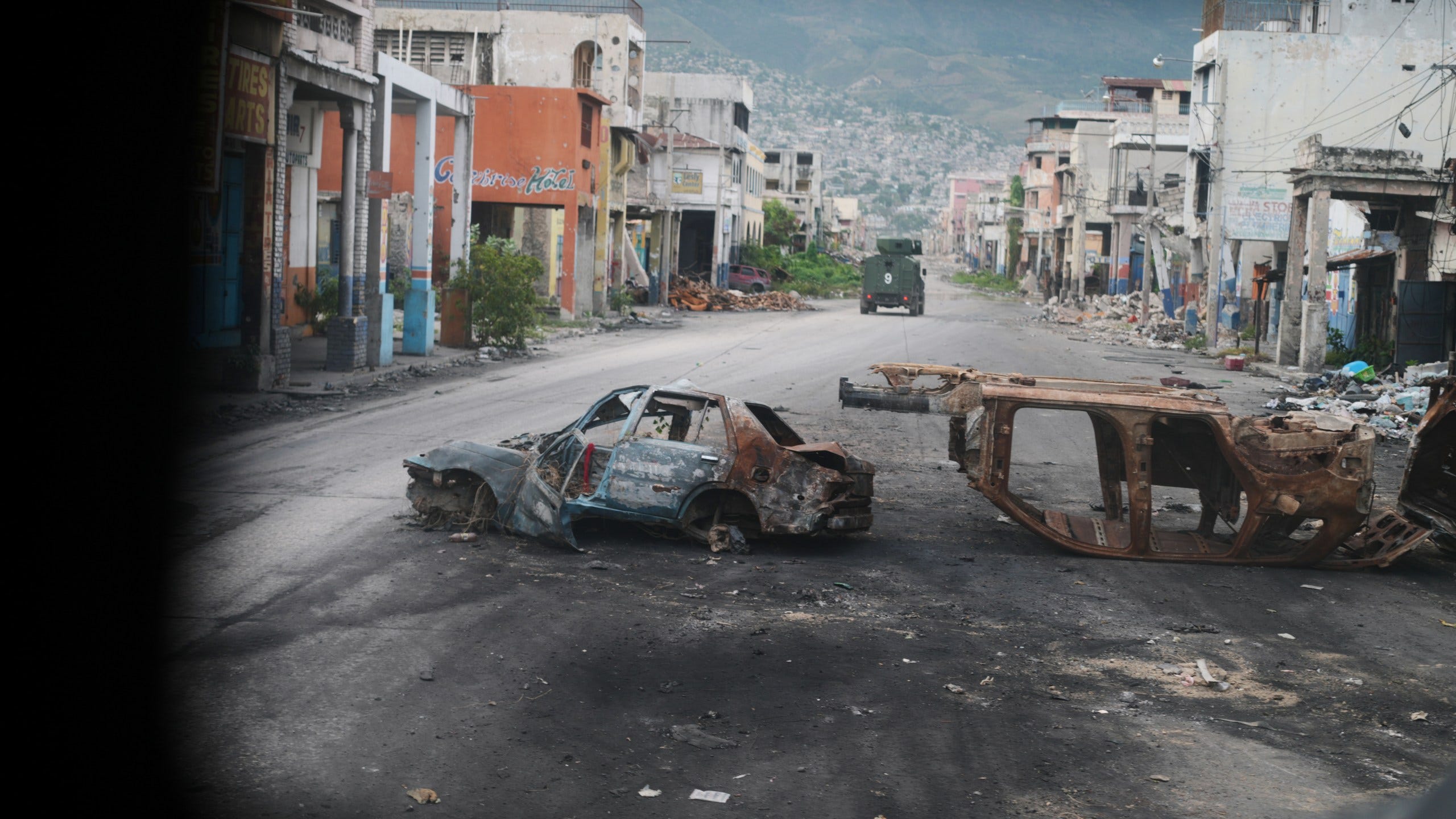
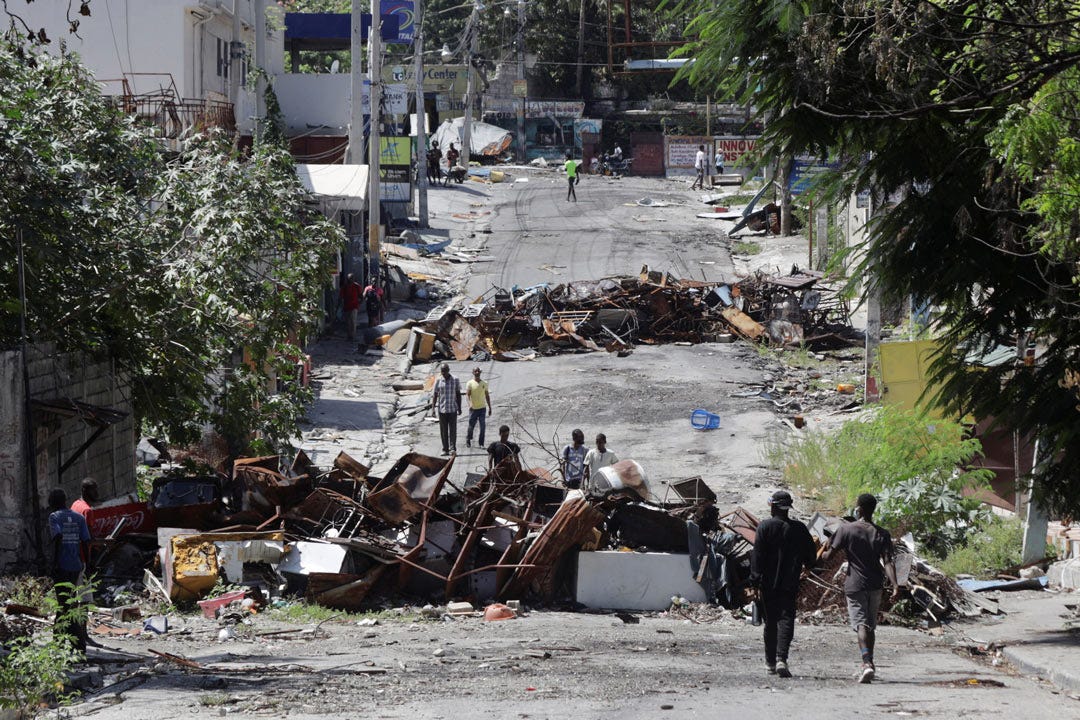
This is not an abstract policy adjustment. It is the state deciding that people who have lived, worked, and raised children here for years must now be returned to a territory where armed gangs control approximately 90 percent of Port-au-Prince and surrounding areas, where kidnapping is routine, and where the U.S. State Department itself maintains a Level 4 “Do Not Travel” advisory citing crime, terrorism, kidnapping, civil unrest, and the near-total collapse of basic services.
The Approaching Deadline and the Communities in the Crosshairs
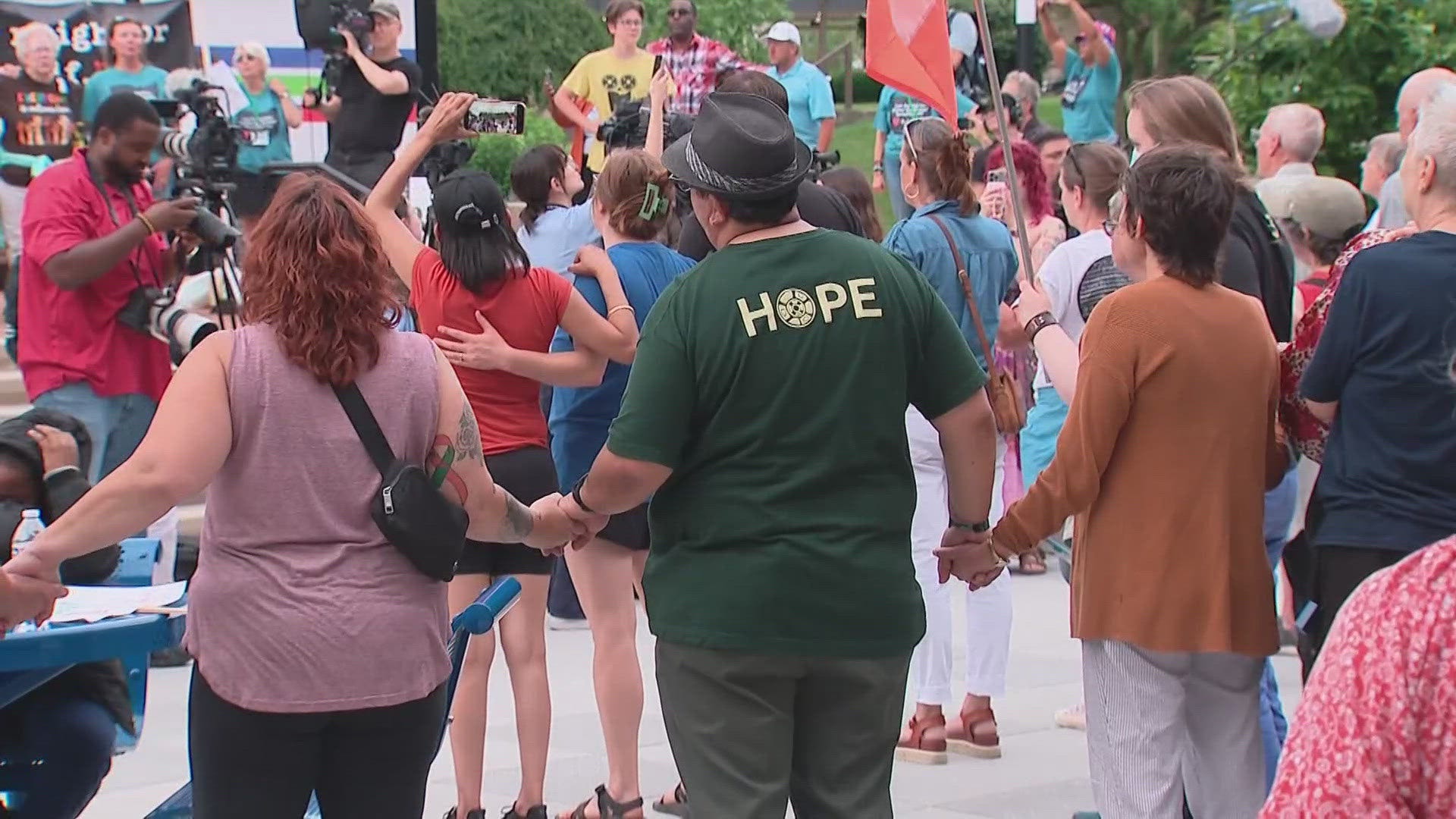
In Springfield, Ohio alone, an estimated 12,000 to 15,000 Haitians live under or adjacent to TPS. The Haitian Support Center has been flooded with people seeking clarity on work permits, asylum pathways, and the immediate risk of removal. James Fleurjean and Viles Dorsainvil of the Center have described the same pattern: parents who have been working legally, paying taxes, and integrating into local labor markets now face the sudden threat of family separation and forced return.
Syrians under TPS face a parallel timeline. The same Supreme Court decision that cleared the path for Haiti’s termination, Mullin v. Doe (June 25, 2026), applies to them as well. The machinery is the same: administrative termination, limited judicial review after the Court held that non-constitutional challenges to TPS decisions are largely unreviewable, and short administrative extensions of employment authorization while the lower courts implement the ruling.
Why the Protections Existed
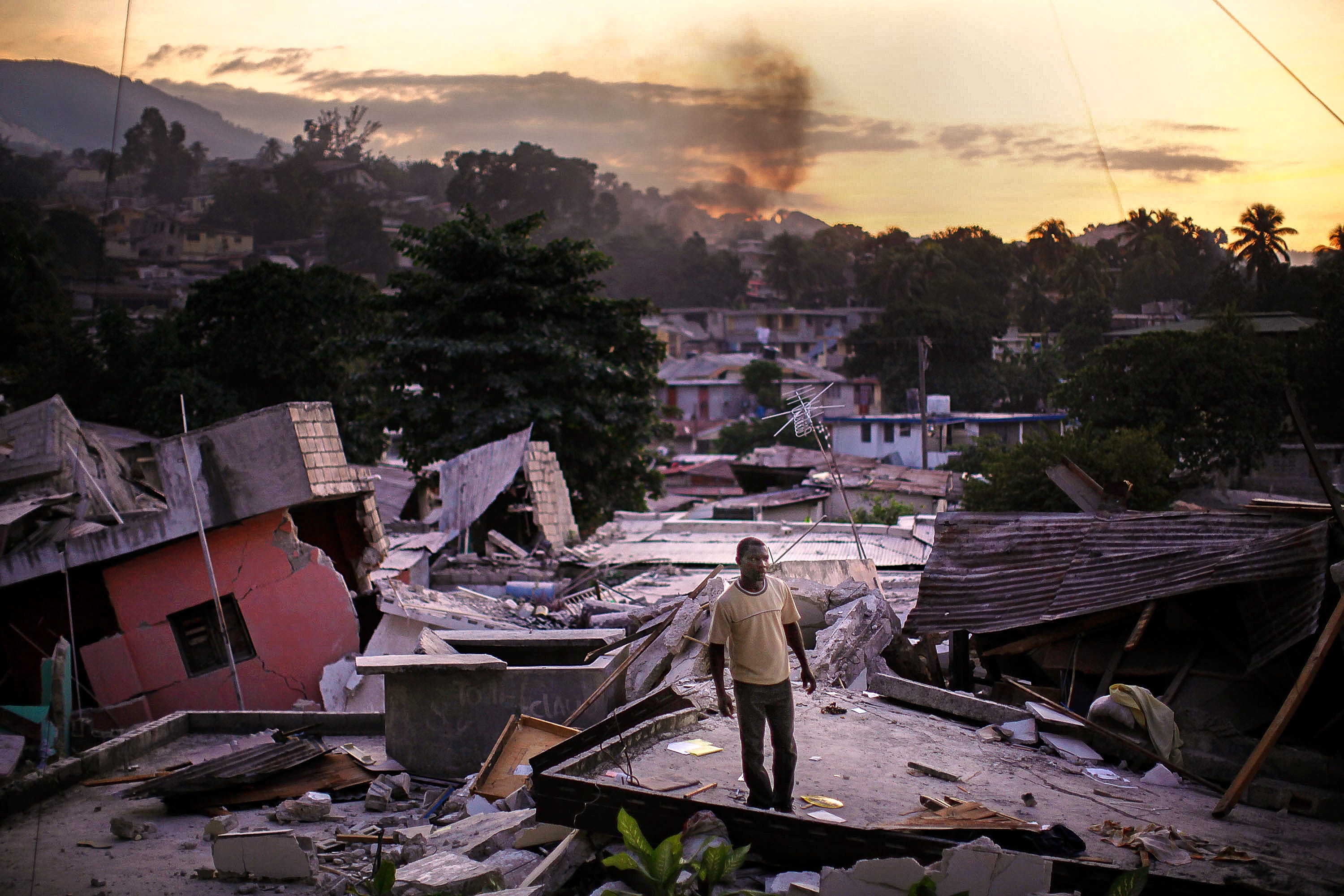
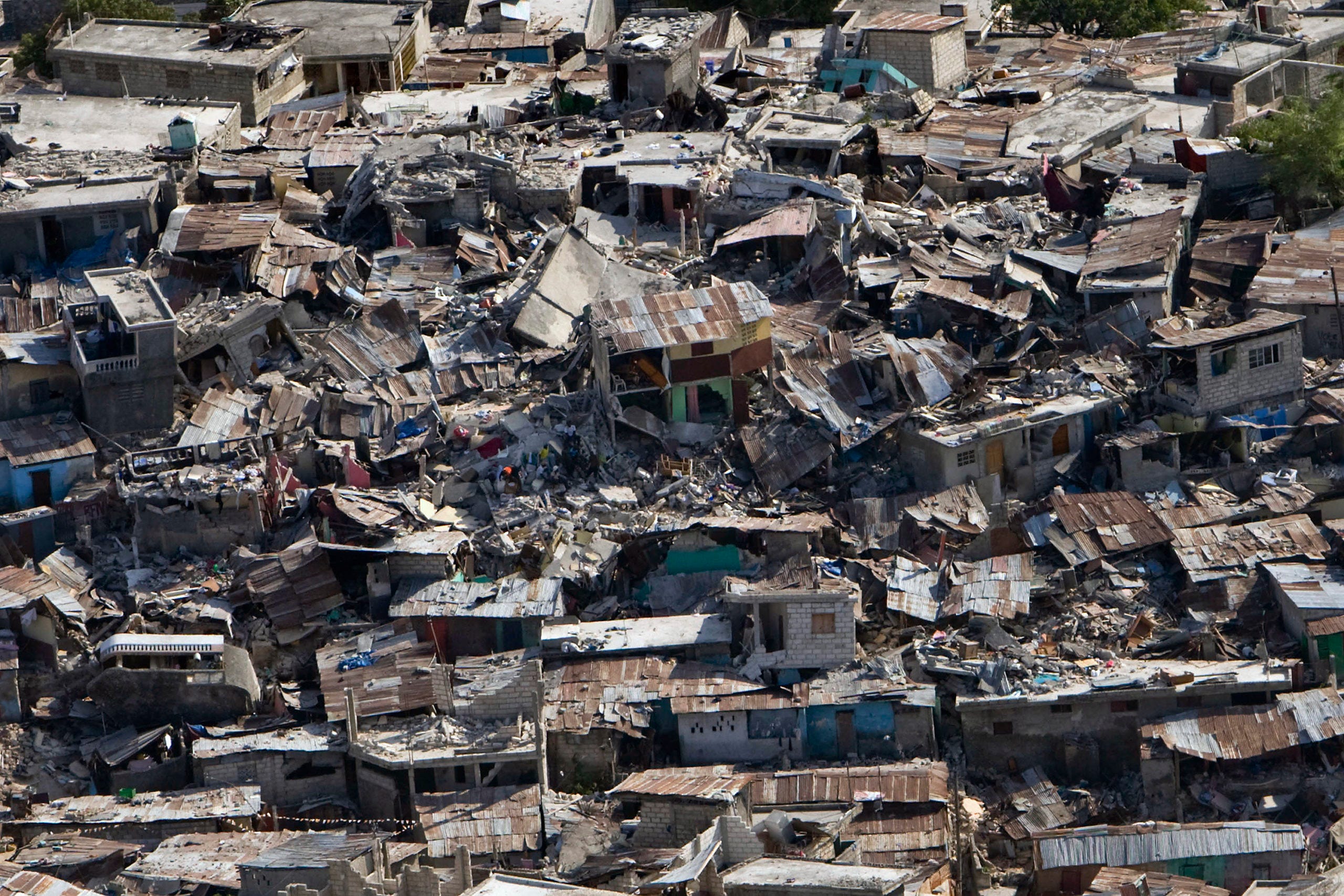
TPS for Haiti began after the January 2010 earthquake that killed more than 200,000 people and destroyed the capital’s infrastructure. Successive administrations redesignated and extended the status because the underlying conditions (state collapse, institutional failure, and escalating armed group control) never resolved. The designation was never a favor. It was a recognition that return would expose people to conditions that meet the statutory threshold for temporary protection.
The Material Reality on the Ground
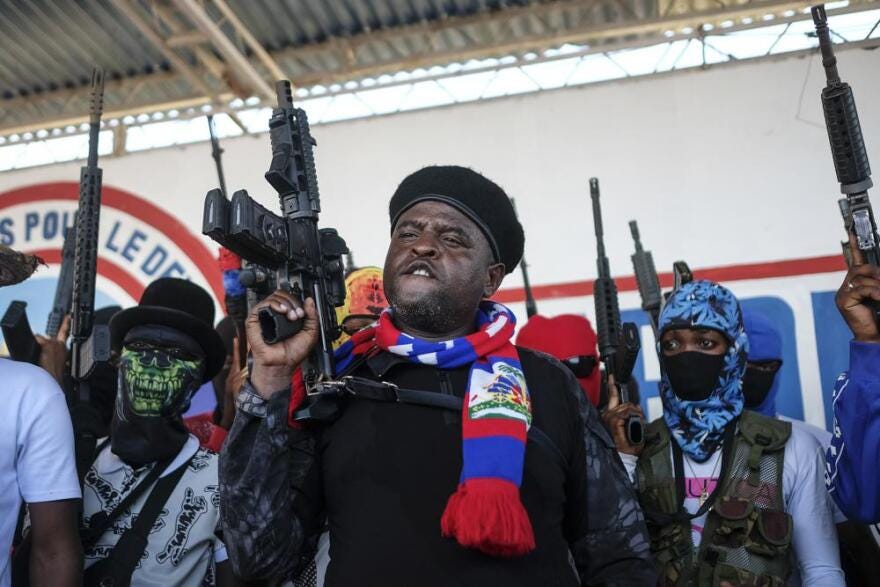
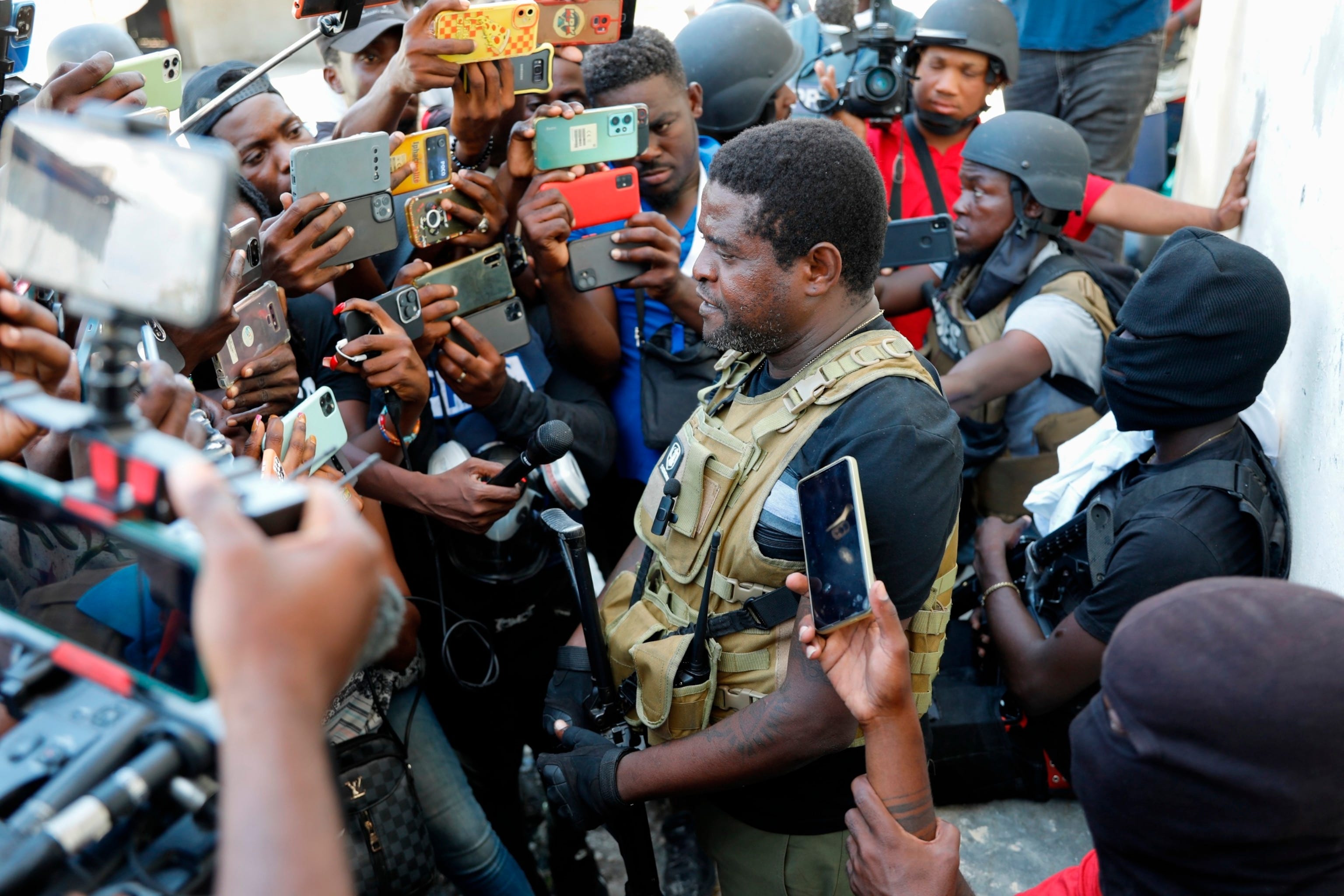
Viv Ansanm, the gang coalition headed by former police officer Jimmy “Barbecue” Chérizier, effectively governs most of the capital. The group and its affiliates control major roads, ports of entry for goods, and neighborhoods through massacres, systematic kidnapping for ransom, extortion, and the deliberate blockade of food and medical distribution. UN and human-rights reporting consistently place gang control of metropolitan Port-au-Prince in the 85 to 90 percent range as of 2025-2026, with expansion into additional departments.
Viral claims that Chérizier’s fighters engage in cannibalism were debunked years ago. The nickname “Barbecue” traces to his mother’s street-food stall or earlier arson allegations. The documented record (mass killings, sexual violence as a tool of control, and the near-total erosion of state authority) requires no exaggeration.

The State Department’s Own Assessment
The U.S. Department of State renewed its Level 4 “Do Not Travel” advisory for Haiti on July 10, 2026. It cites rampant gang violence, high risk of kidnapping, terrorism, civil unrest, and severe shortages of necessities. U.S. government personnel are restricted from non-essential travel outside the embassy compound. The same government that issues this warning is preparing to force people who have lived under U.S. protection for years back into that environment.
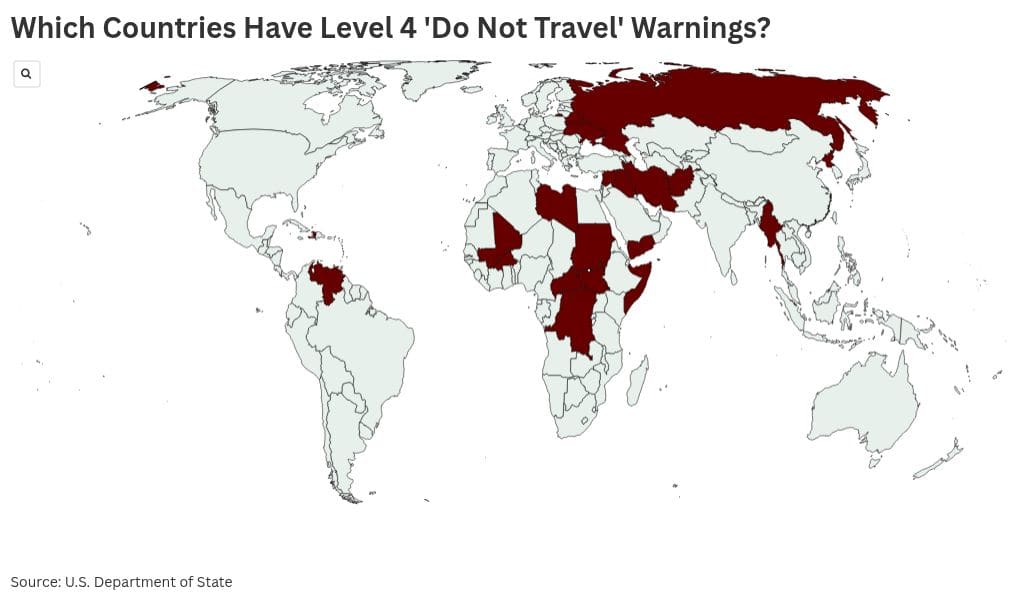
Map Shows Countries Where Americans Advised Not To Travel - Newsweek
The Political Logic of Termination
The formal termination was ordered by DHS Secretary Kristi Noem in late 2025. After lower-court stays, the Supreme Court removed the principal legal obstacle. Figures such as Ohio Senator Bernie Moreno have framed the issue as simple temporal hygiene: “temporary means temporary.” The argument deliberately erases the material conditions that made the designation necessary and that still exist. It also erases the labor these workers have performed in meatpacking, logistics, and service industries in places like Springfield.
This is not rule-of-law purity. It is the selective withdrawal of protection from a racialized population at the exact moment the state’s own security assessment says return is dangerous. The precedent is clear: temporary status can be revoked regardless of conditions on the ground when political incentives demand it. The people being removed become the demonstration.
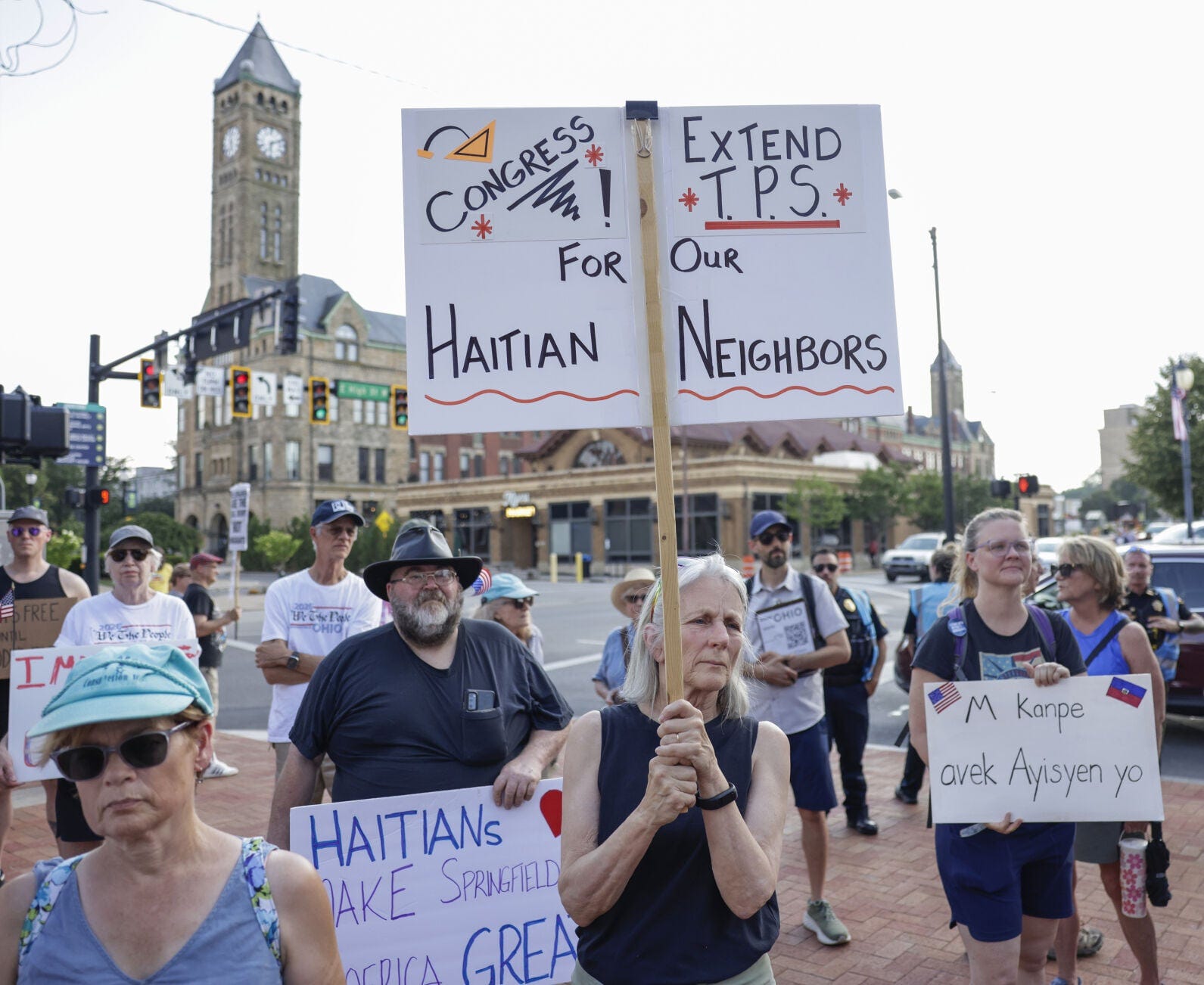
Forcing people back into a territory governed by armed coalitions that operate with near-total impunity is not immigration enforcement in any neutral sense. It is the conversion of administrative status into a mechanism of exposure to lethal risk. The U.S. government has documented the risk in its own travel advisory. It is proceeding anyway. That is the precedent being set.
It is truly shameful that United States geopolitical meddling has repeatedly created power vacuums that leave countries unstable across the world. The citizens of those countries continue to pay the direct price for those failures, and the people now stripped of TPS are among the ones forced to absorb the consequences.