

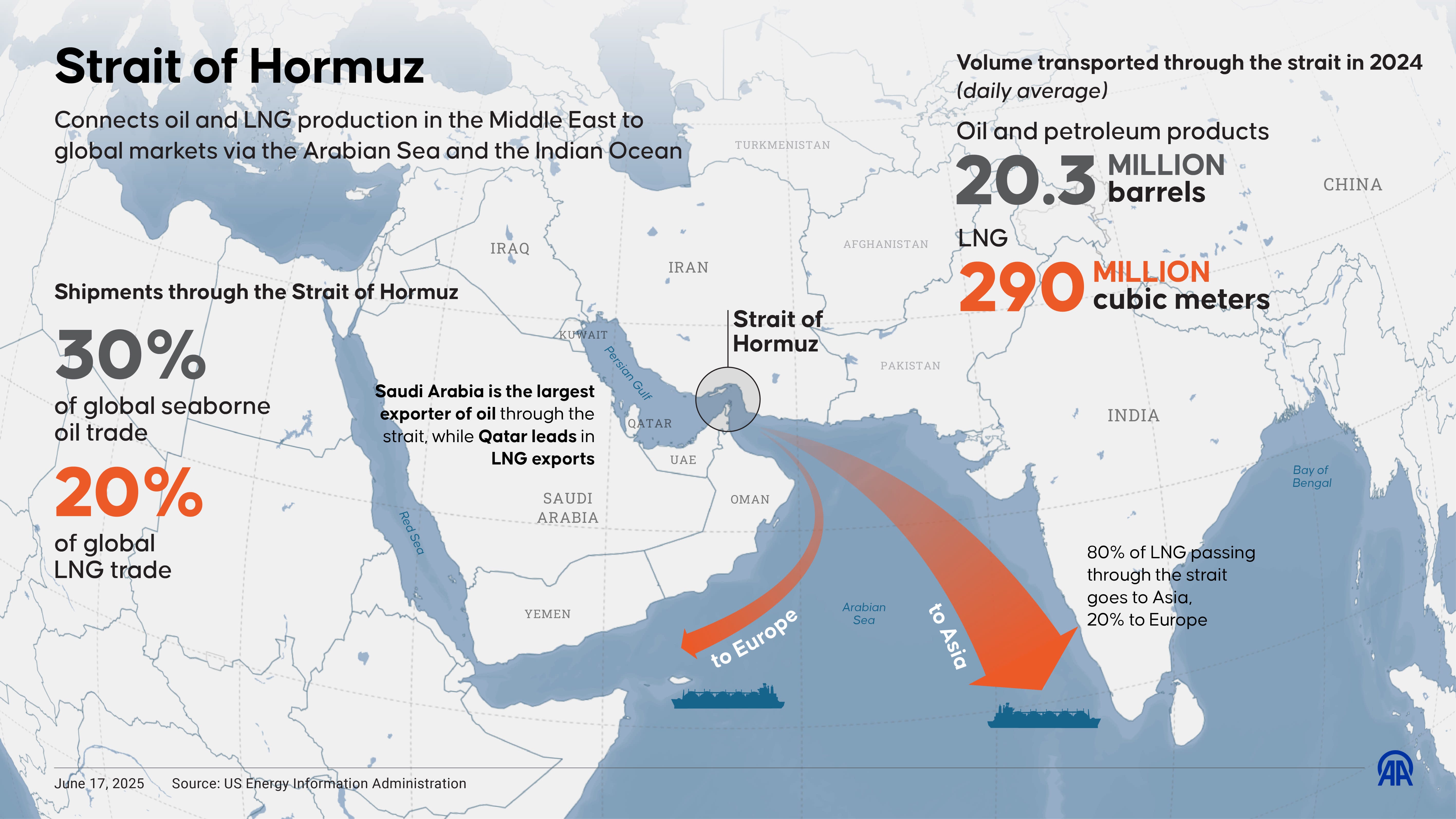
Strait of Hormuz crisis explained: What it means for global shipping
While the world’s attention remains fixated on fluctuating crude oil prices, a much more insidious and far-reaching catastrophe is quietly dismantling the pillars of modern civilization. The recent escalation in the Middle East—specifically the ongoing conflict in Iran and the crippling blockade of the Strait of Hormuz—has severed the arteries of global industry.
The crisis extends far beyond the gas pump. The sudden restriction of critical resources and chemical feedstocks moving through the region is triggering a domino effect that threatens the global tech sector, the transition to green energy, and the fundamental stability of the world’s food supply.
The Chokepoint: Taiwan, LNG, and the TSMC Bottleneck
The immediate vulnerability of the global tech infrastructure has been brutally exposed by the disruption of liquefied natural gas (LNG) shipments. Following the devastation of Qatar’s LNG capacity, Taiwan—a nation fundamentally reliant on imported energy—has been pushed to the brink.
Current estimates indicate Taiwan is operating on roughly 11 days of LNG reserves. This scarcity poses a catastrophic threat to the Taiwan Semiconductor Manufacturing Company (TSMC). TSMC consumes approximately 9% of Taiwan’s total electricity and is responsible for producing an estimated 90% of the world’s advanced semiconductors. These chips are the essential building blocks for artificial intelligence, military hardware, electric vehicles, and consumer electronics. Without the LNG shipments passing through the Strait of Hormuz, the power grid fails; without power, TSMC halts; without TSMC, the global technology sector grinds to a devastating halt.
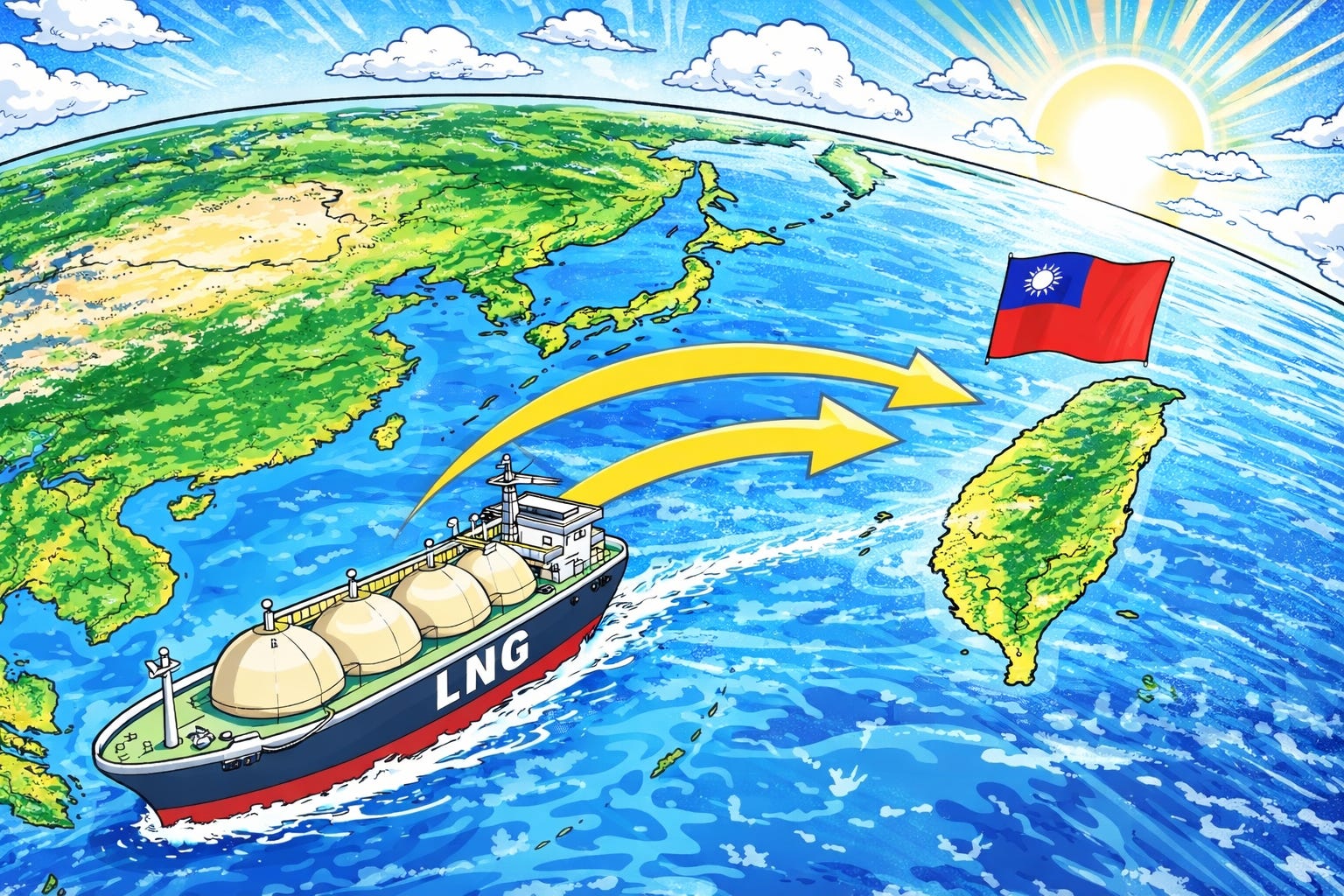
tspasemiconductor.substack.com
From Middle East War to Taiwan’s Semiconductor Fabs: Why a Regional Conflict Could Shake the Entire World
The Chemical Catalyst: Sulfur, Sulfuric Acid, and Green Tech
The global supply chain is tethered to a single, often-overlooked chemical reality: over 90% of the world’s elemental sulfur is a byproduct of oil and gas refining. This “recovered sulfur” is the primary ingredient in sulfuric acid, the single most produced industrial chemical on Earth.
Sulfuric acid is the critical leaching agent required to extract transition metals like copper, cobalt, and nickel from raw ore. A sudden drop in global oil refinement doesn’t just impact fuel; it strangles the production of sulfuric acid. Without it, the mining sector cannot extract the metals required to manufacture electrical transformers, data center infrastructure, and the high-capacity batteries driving the electric vehicle market. The green energy transition is effectively paralyzed without the chemical byproducts of the fossil fuel industry.
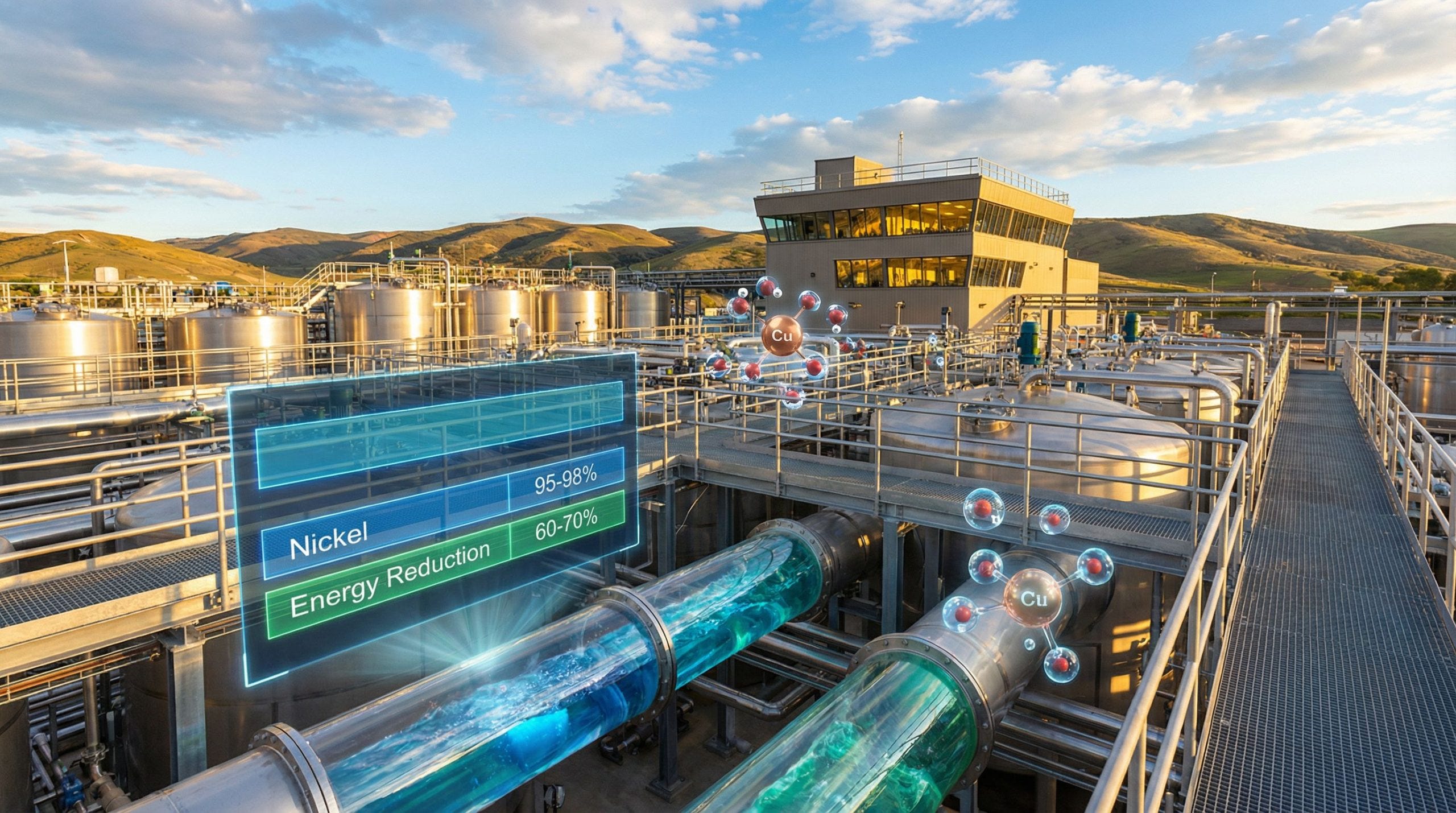
Hydromet Technology in Mining: Efficient Metal Extraction
The Looming Food Crisis: Nitrogen Fertilizer
Perhaps the most immediate existential threat stemming from the Hormuz blockade is the impending agricultural collapse. The Strait of Hormuz is the central artery for global agricultural inputs, with roughly 30% of globally traded ammonia-based nitrogen fertilizer, and 20% of the LNG used to manufacture it, transiting through this narrow chokepoint.
Synthetic nitrogen is arguably the single most important factor in modern global food production, responsible for sustaining a massive percentage of the global population. The severing of these supply lines, particularly ahead of crucial planting seasons, has prompted organizations like the Kiel Institute for the World Economy to issue dire warnings regarding imminent global food inflation, localized famines, and collapsing agricultural output.
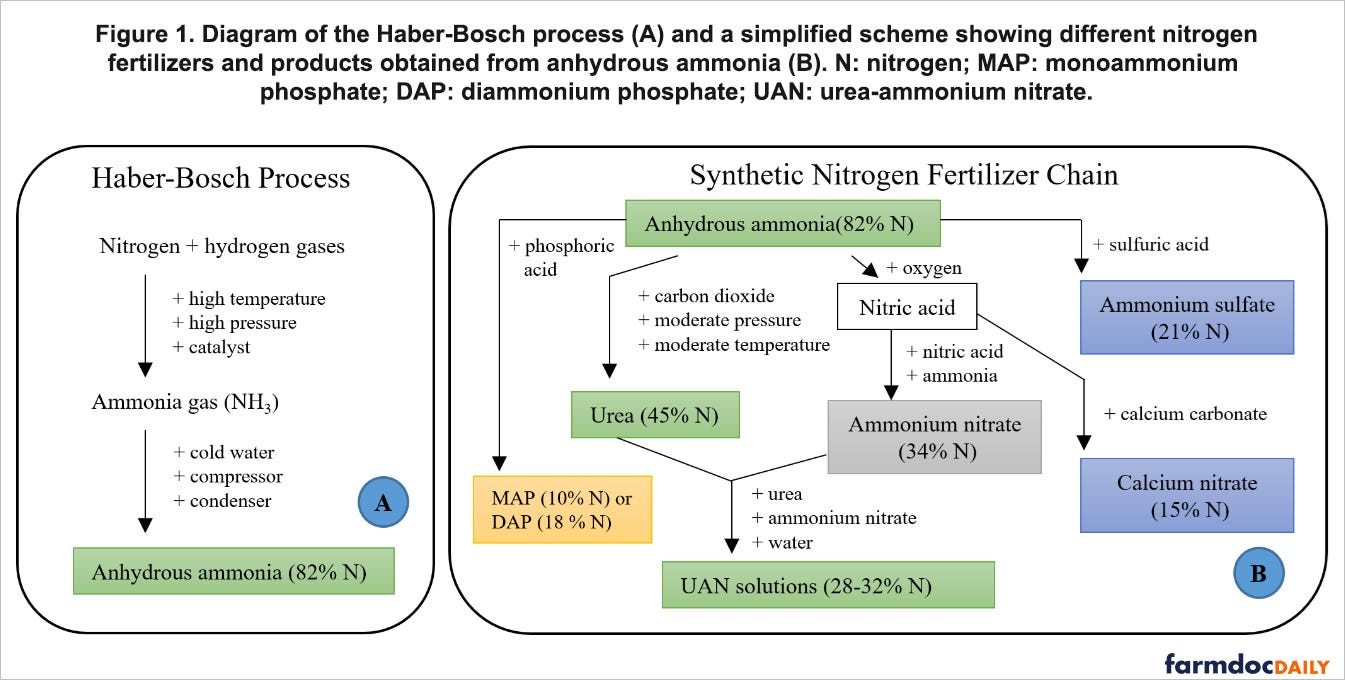
Synthetic Nitrogen Fertilizer in the U.S. - farmdoc daily
The Ecological and Human Toll: “Black Rain” in Tehran
The physical consequences of the conflict have manifested in an escalating environmental and public health crisis within Iran. Following the heavy airstrikes on Iranian fuel depots and refineries during “Operation Epic Fury” in early March, a massive cloud of toxic smoke engulfed Tehran.
The destruction of these facilities released immense quantities of sulfur dioxide and carcinogenic hydrocarbons into the atmosphere. The resulting precipitation—widely documented by journalists on the ground as toxic “black rain”—has blanketed the city of 15 million people. This highly acidic fallout is severely damaging local infrastructure and poses catastrophic short- and long-term health risks to the civilian population, creating a humanitarian disaster completely independent of the kinetic military strikes.
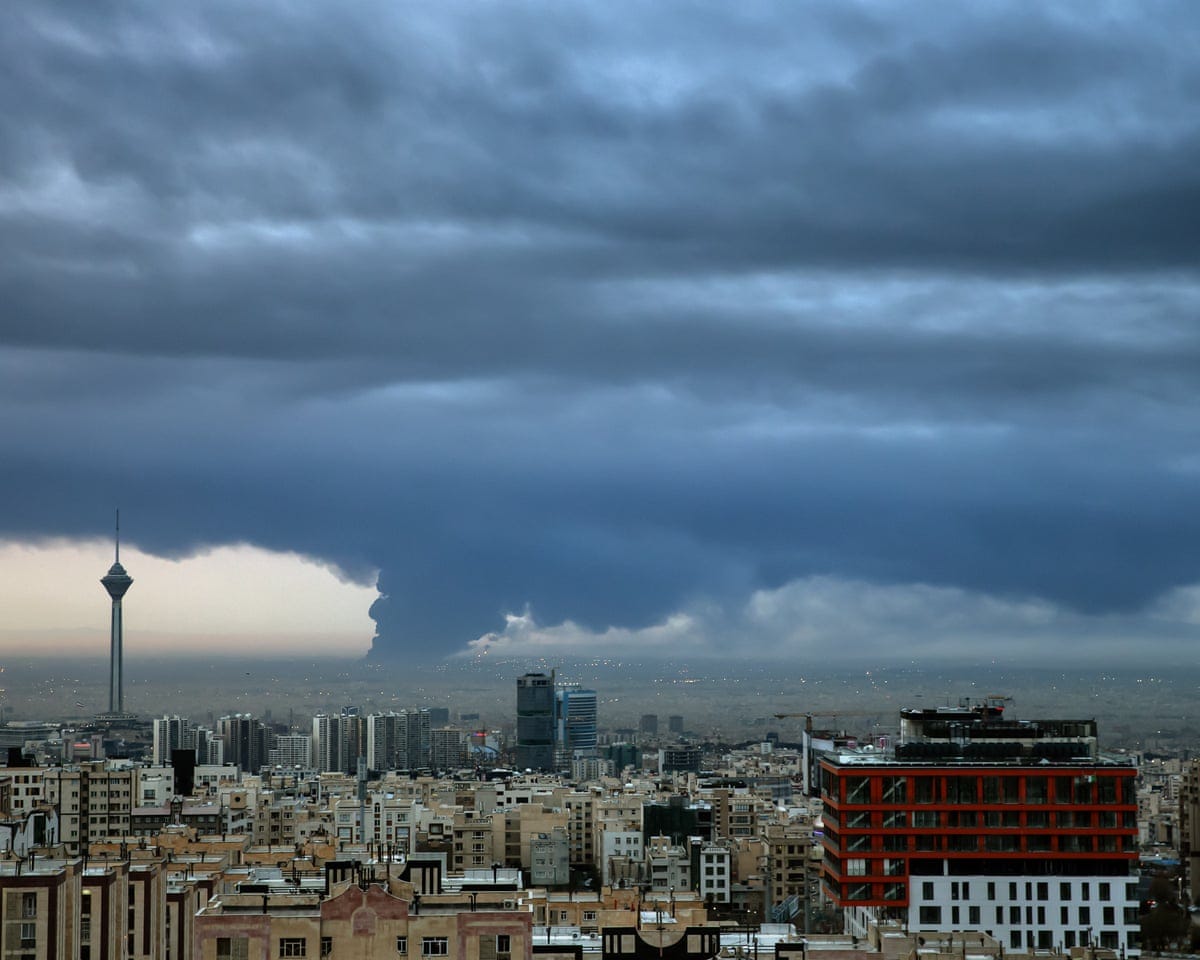
Tehran’s toxic cloud: satellite images show oily fires burned for days | Iran | The Guardian
Leadership, Retaliation, and the Ongoing Blockade
The geopolitical landscape driving this crisis remains highly volatile. The opening strikes of the conflict resulted in the assassination of Supreme Leader Ayatollah Ali Khamenei. However, the anticipated decapitation of the regime’s command structure did not materialize.
His son, Ayatollah Mojtaba Khamenei, survived the strikes and swiftly assumed leadership. Instead of capitulating, the new leadership has entrenched its position, issuing direct orders to the Islamic Revolutionary Guard Corps (IRGC) Navy to maintain the absolute closure of the Strait of Hormuz. With the leadership’s bloodline intact and their resolve hardened, the blockade—and the cascading global supply chain failures it causes—shows no signs of abating.
References
Bloomberg, Energy & Commodities Market Data
TrendForce, Semiconductor and Tech Industry Research
The Fertilizer Institute, Global Fertilizer Trade Data
Kiel Institute for the World Economy, Geopolitical Trade Impacts
UN Environment Programme, Environmental Impact of Conflict
Center for Strategic and International Studies, Strait of Hormuz Security Analysis


