Everyone is panicking about the creepy new hardware.
You see the viral videos... tech bros walking into coffee shops wearing smart glasses... instantly pulling up the name, address, and occupation of a complete stranger just by looking at them. It is terrifying. It is invasive.

We are living under a massive, AI-assisted surveillance system...
and it was not built by a couple of Silicon Valley startups. It was built by the Department of Homeland Security and ICE through billions of dollars in ghost contracts. They are bypassing the Fourth Amendment entirely by simply purchasing our lives from private data brokers.
Here is what is actually in the ledger. Here are the contractors operating in the dark... and exactly what they are doing with your data.
The Backend Monolith: LexisNexis and Babel Street
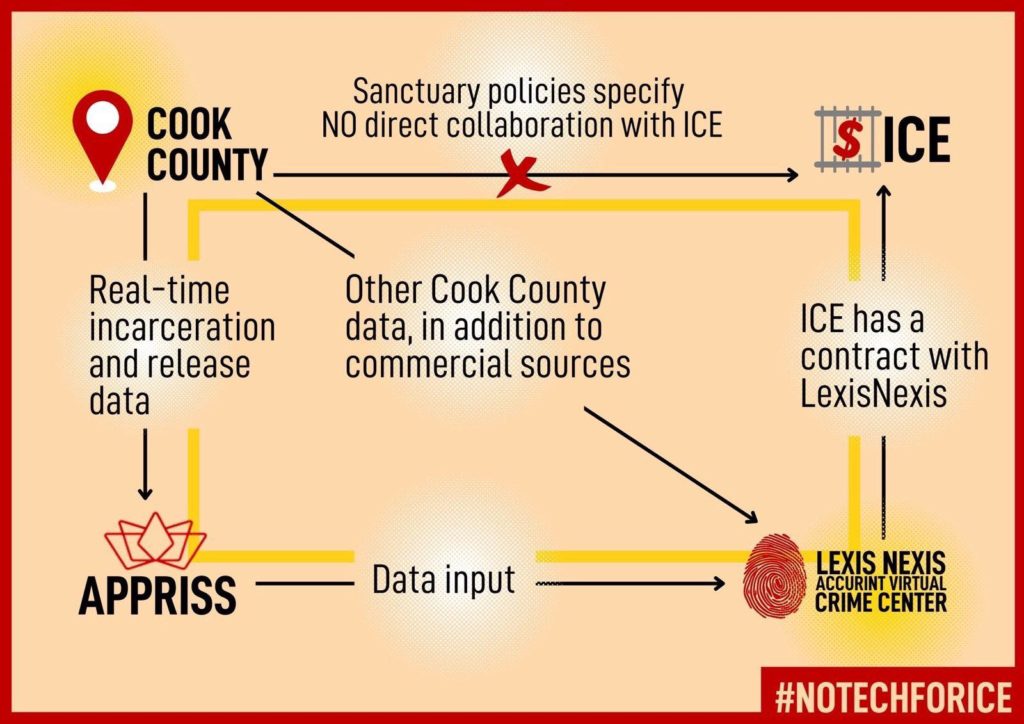
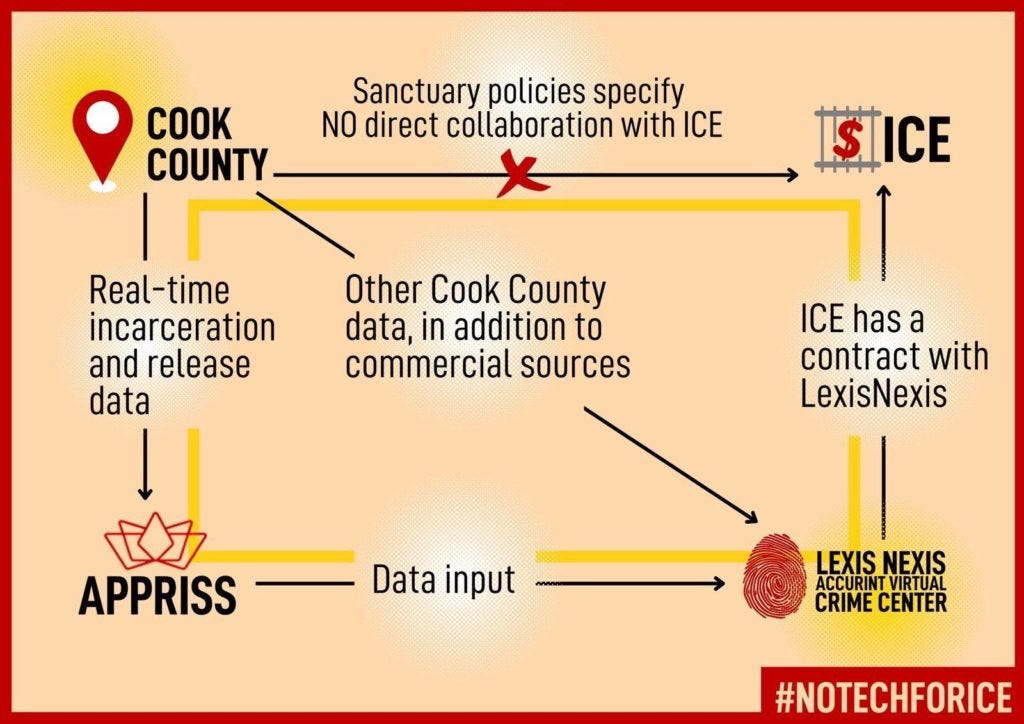
When ICE wants to bypass local sanctuary city laws... they do not send agents to kick down doors right away. They just open their wallets.
Take LexisNexis Risk Solutions. Most people think of them as a legal research database. In reality... they hold a $22.1 million contract with ICE to act as their personal precogs. They sell the agency unprecedented, bulk access to granular personal data, utility bills, credit checks, address histories. When a local municipality refuses to share police records with federal immigration enforcement... ICE just buys that exact same data through LexisNexis.
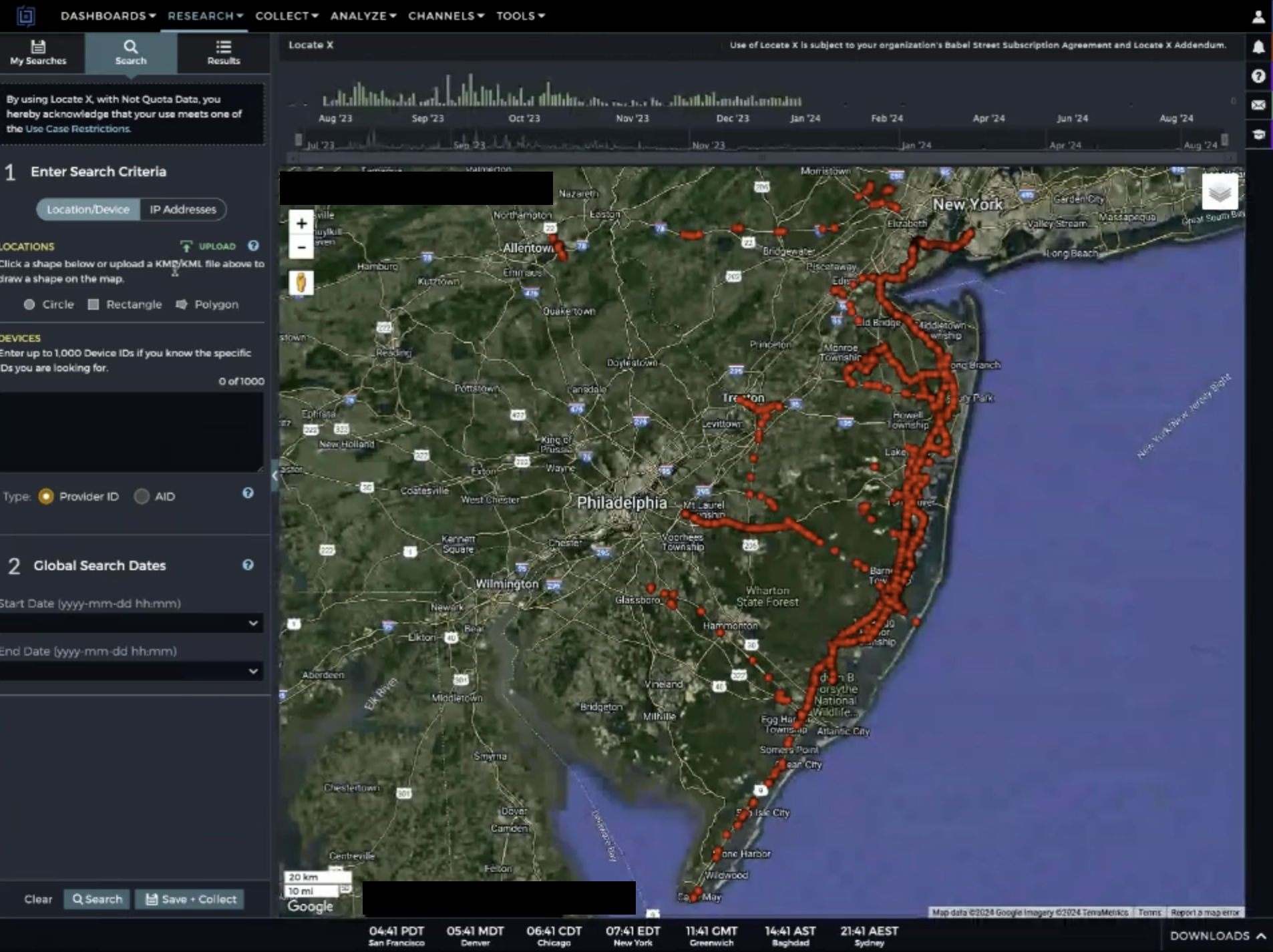
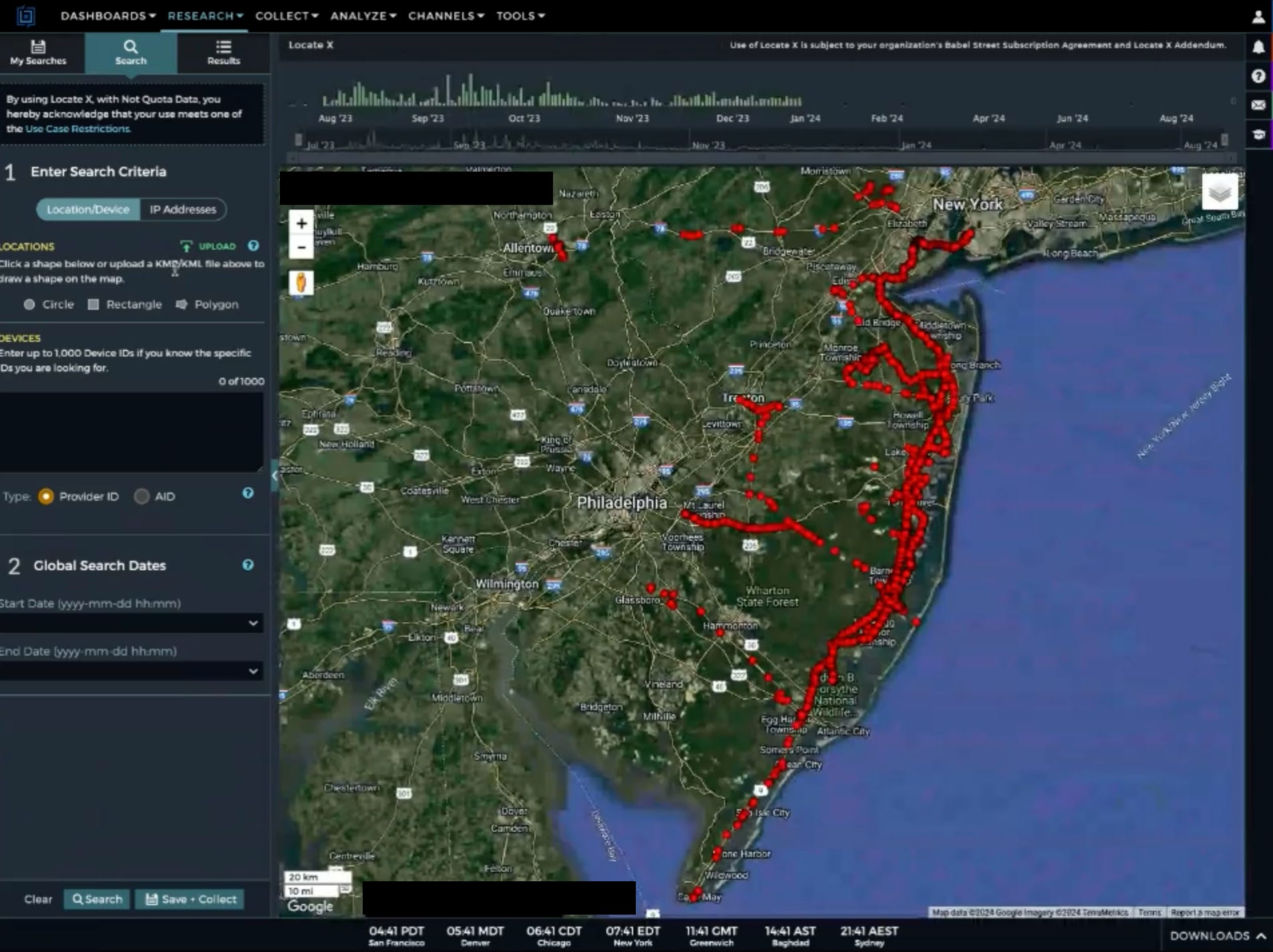
Then you have Babel Street and their Locate X software.
ICE has funneled millions into Babel Street to purchase mobile application location data. Whenever you download a weather app or a flashlight app that quietly tracks your GPS... data brokers harvest that movement and sell it. Locate X allows ICE to draw a digital fence around a specific location, like a protest, a church, or a community center, and identify every single cell phone that crossed through it. They know where you were before you arrived... and they track where you sleep after you leave. All without a single warrant.
SocialNet and the ELITE App
The goal of the monolith is not just to identify you on the street. The goal is to map your entire existence.
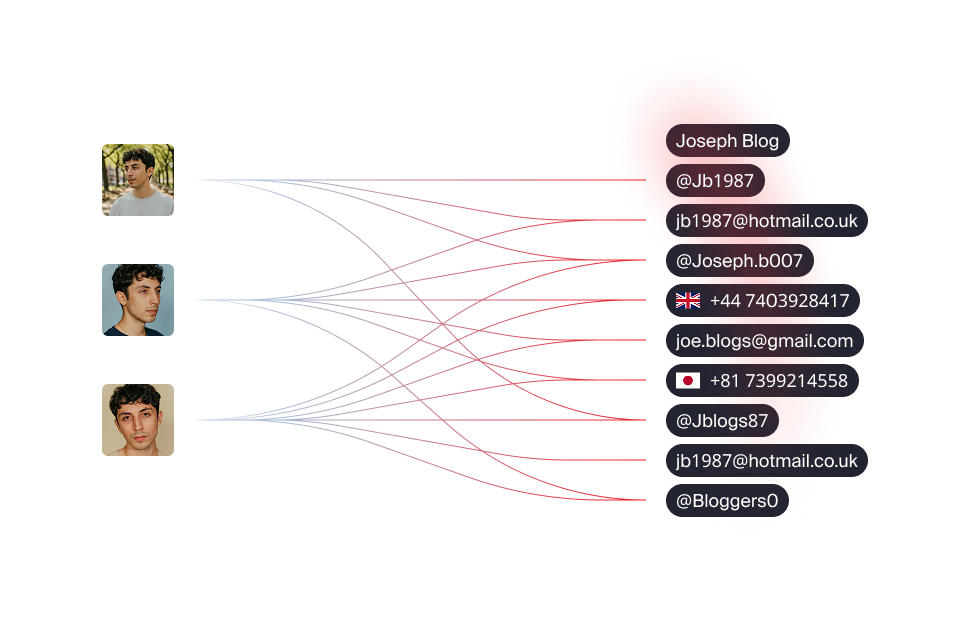
Enter a company called ShadowDragon and their software, SocialNet. ICE has spent nearly $900,000 on this tool alone. SocialNet scrapes social media platforms, public forums, and online networks to create devastatingly detailed profiles of targeted individuals. It maps out your lifestyle... your political affiliations... and your personal relationships.
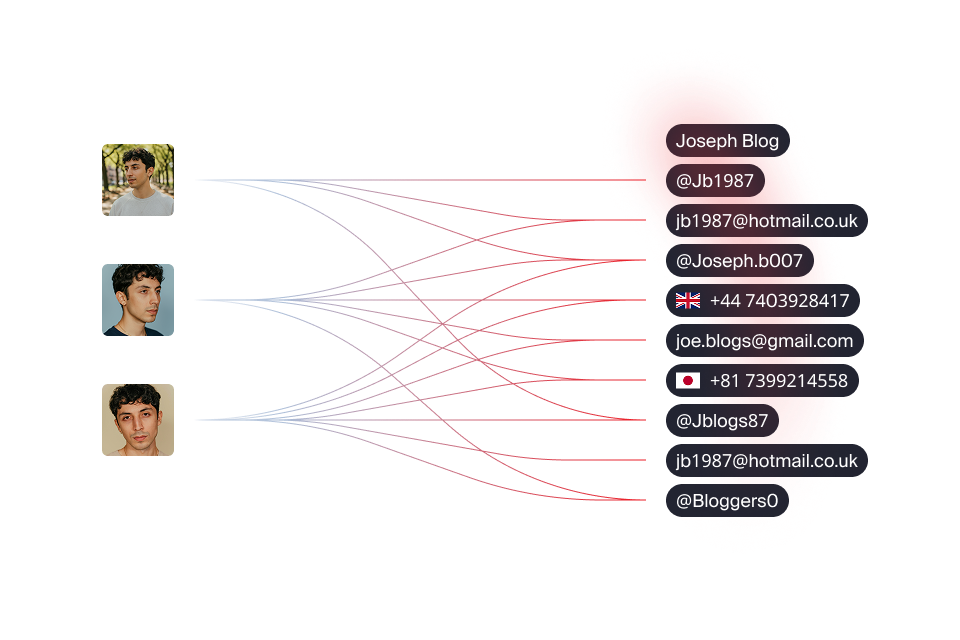
Once that data is scraped, it gets fed into the machine.
Palantir, the massive defense contractor, built an app for ICE called ELITE. This app populates a map with potential deportation targets, brings up the dossiers compiled from social media, and literally provides a confidence score on a person’s current address. In recent federal lawsuits... ICE agents have testified under oath to using the ELITE app to identify neighborhoods and geographical areas to target.
The AI Bounty Hunters
If the data brokers are the brains... these contractors are the muscle.
Just months ago, in late 2025, ICE awarded open-ended contracts that could total $1.2 billion to 13 private companies to act as AI bounty hunters. This is called skip tracing. Companies like Bluehawk LLC, SOS International, and Gravitas Investigations, firms that traditionally handle military intelligence and corporate espionage, are now being unleashed on our neighborhoods.
ICE hands them up to 50,000 names a month. These contractors use artificial intelligence to cross-reference the data brokers’ files... locate individuals... verify addresses... and take time-stamped photos of homes and workplaces. And here is the sickest part: the contracts include a bonus structure. These private companies get paid extra if they can hunt down and verify a target’s location within 7 to 14 days. They are incentivizing the rapid, AI-driven stalking of over a million people.
Facial Recognition and Cell-Site Simulators
We cannot forget the direct hardware being deployed on the ground.
While everyone is distracted by smart glasses... ICE just signed a $3.75 million contract with Clearview AI, their largest purchase of facial recognition tech to date. This system scrapes billions of images from the internet without consent. We are already seeing agents using apps like Mobile Fortify on the streets of Minnesota... pointing cameras at teenagers without IDs to run their faces against FBI, State Department, and DHS databases.

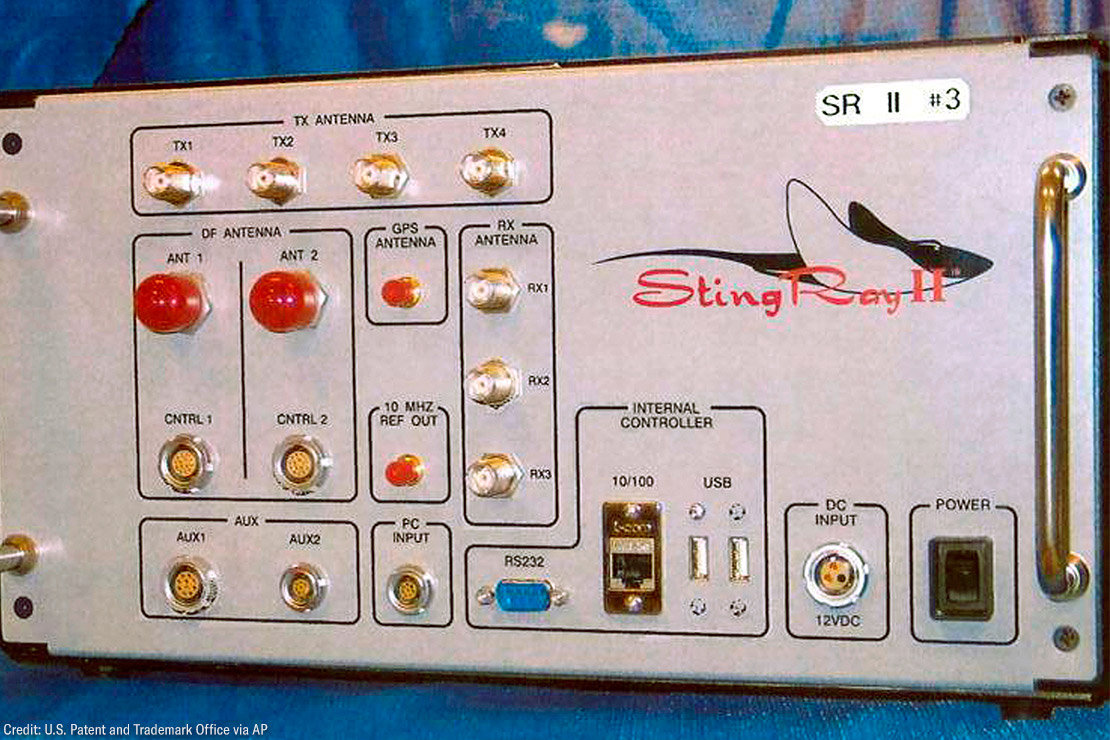
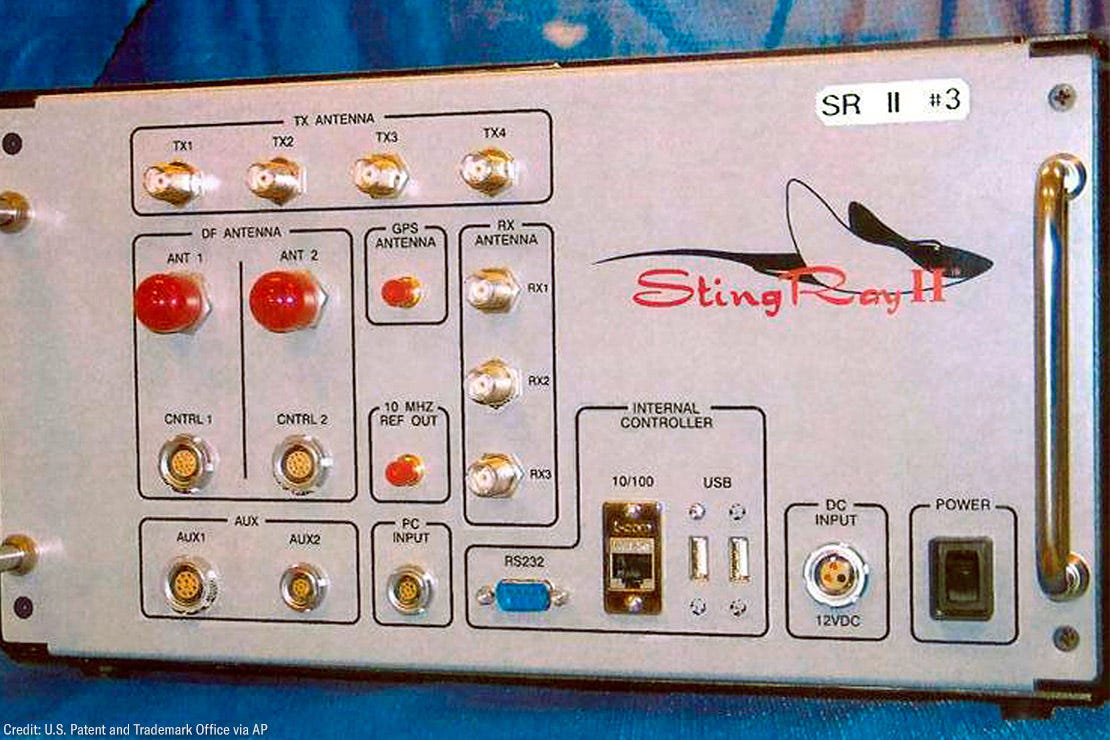
Combine that with stingray tech from L3Harris and cellphone surveillance built by Paragon Solutions... and you have a digital dragnet that sweeps up everyone in its radius. Their Graphite spyware allows them to bypass encryption on apps like WhatsApp and Signal, ensuring that no conversation is truly private.
The Reality of the Ledger
This is why the glasses are a distraction. The monolith does not need you to wear a camera... because they have already bought your shadow.
They use administrative subpoenas to unmask online critics... they use Palantir to aggregate your life... and they use Bluehawk to photograph your front door. They justify it as immigration enforcement... but as we saw with the execution of Alex Preddy in Minnesota... these tools are explicitly used to track citizens who protest ICE’s presence. It is the ultimate administrative tool for malevolent indifference.
So how do we fight back? You do not fight the glasses. You cut off the data supply.
1. Operating Systems: GrapheneOS
Stock operating systems are built to bleed your data to brokers. This stops that.
What it does: It is a privacy-hardened, de-Googled open-source operating system for mobile devices. It fundamentally breaks the background location-tracking and telemetry pipelines that feed into software like Locate X.
What NOT to do: Do not install GrapheneOS and then immediately log back into all your native Google accounts, Chrome, and mainstream social media apps. If you bring the surveillance architecture back into the clean house, you defeat the entire purpose.
2. Network Obfuscation: Mullvad & ProtonVPN
Your local Internet Service Provider is legally allowed to sell your browsing history.
What it does: These are zero-log Virtual Private Networks (VPNs). They encrypt your daily traffic, blind your local ISP to your browsing habits, and prevent interceptors from seeing what sites you visit.
What NOT to do: Do not rely on a VPN for absolute, state-level anonymity. A VPN just shifts your trust from your ISP to the VPN provider. It is a shield for daily driving, not an invisibility cloak.
3. Deep Anonymity: The Tor Browser
When you are digging into government contracts or researching sensitive OSINT, you cannot use a standard browser.
What it does: Tor routes your web traffic through multiple encrypted nodes across the globe, making it nearly impossible to trace the connection back to your physical IP address. It is the gold standard for anonymous research.
What NOT to do: Do not log into your personal social media, banking, or email accounts while using Tor. The second you authenticate a personal account, you have permanently tied your real identity to that session, burning your anonymity instantly.
4. Metadata Scrubbing: ExifCleaner / Metadata2Go
Every photo, PDF, and audio file you share contains a hidden ledger: GPS coordinates, device models, and exact timestamps.
What it does: These tools ruthlessly strip all hidden metadata from your files before you upload or share them, ensuring you aren’t accidentally broadcasting your home address via a photo’s hidden EXIF data.
What NOT to do: Do not trust social media platforms to strip this data for you. While some do, many retain the original file on their backend servers—which can then be subpoenaed or purchased by data brokers. Always scrub locally before uploading.
5. Localized Data Storage: VeraCrypt
The documents, ledgers, and research you compile cannot sit in plain text on your hard drive or in a corporate cloud.
What it does: VeraCrypt creates heavily encrypted, password-protected local volumes on your hardware. It secures your sensitive investigative files. If your hardware is ever seized or stolen, they get nothing but encrypted static.
What NOT to do: Do not forget your passphrase (there is no “forgot password” recovery option), and do not step away from your computer while the volume is mounted and unlocked.
6. Offline Intelligence: LM Studio
Cloud-based AI tools ingest your prompts and behavioral data to train models that are inevitably sold back to the state.
What it does: Allows you to run Large Language Models locally on your own hardware. You can draft scripts, analyze data, and summarize research strictly on your own machine. No cloud, no corporate middleman.
What NOT to do: Do not use cloud-based AI to analyze highly sensitive, unreleased research or personal data if you want to keep it strictly out of corporate training datasets.
7. OSINT Tracking: USAspending.gov & OpenCorporates
They are watching us. We watch them back. We turn the digital archivist mindset into a weapon of exposure.
What it does: These databases allow you to map the beast. You can track federal ghost contracts, unmask corporate shell games, and follow the exact dollar amounts flowing from ICE to private surveillance contractors.
What NOT to do: Do not get lost in the noise. These databases are massive. Use them specifically to follow the money of targeted entities (like LexisNexis, Babel Street, or Bluehawk LLC) rather than browsing aimlessly.
We share the air... and we find asymmetrical ways to resist. Keep your eyes on the backend, not the distraction. Document it all.
Open hearts... open minds.