Segment 1: Background and The Plaintiffs
The class action lawsuit, D.N.N. et al. v. Vernon Liggins et al. (Civil No. 1:25-cv-01613-JRR), was filed in the U.S. District Court for the District of Maryland by two long term U.S. residents: D.N.N., a national of Guatemala, and V.R.G., a national of El Salvador. Both women had lived lawfully in the United States for over a decade under Orders of Supervision following grants of withholding of removal. They had never missed a check in and fully complied with all conditions imposed by ICE.
On May 7 to 8, 2025, both were detained during what they expected to be routine supervision check ins at the Baltimore Field Office. Instead of being released or promptly transferred, they were held for 48 to 72 hours in the Baltimore Hold Rooms. During that time they were placed in a small cell with up to seven other women, denied access to their daily medications (D.N.N. for Type 2 diabetes; V.R.G. for a thyroid condition), and prevented from contacting their attorneys. The plaintiffs filed suit on behalf of a class defined as: “All persons who are now, or will be, detained at the Baltimore Hold Rooms.”

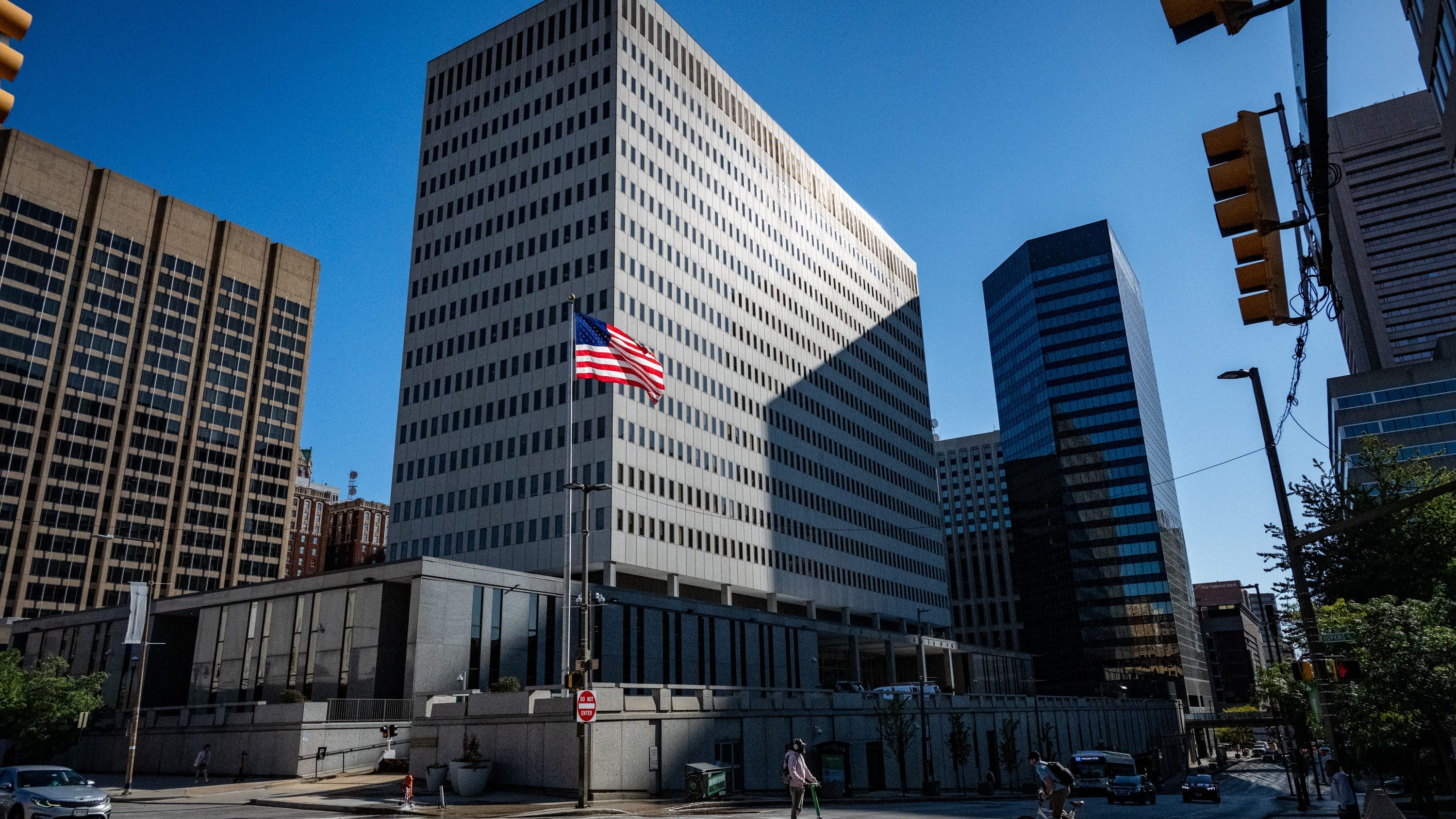
(The Baltimore Hold Rooms are located on the sixth floor of the George H. Fallon Federal Building, 31 Hopkins Plaza, downtown Baltimore - the exterior of the federal building housing the ICE Baltimore Field Office is shown above.)
Segment 2: The Policy Shift (The Waiver)
ICE Directive 11087.2 (issued January 31, 2024) explicitly states that hold rooms are intended only for “short term confinement” not to exceed 12 hours absent exceptional circumstances. The directive requires facilities to be safe, clean, adequately lit, and monitored for medical needs, with detainees provided food, water, hygiene items, and prompt access to medication.
In February 2025, citing new executive orders and a nationwide shortage of detention beds, then Acting Field Office Director Francine Bowie requested - and received - a local waiver extending the limit to 48 hours in Baltimore. On June 24, 2025, ICE Assistant Director Monica S. Burke issued a nationwide waiver raising the maximum to 72 hours. Court data later showed that over 95 percent of detainees were still held longer than the original 12 hour policy, and 27 percent exceeded even the new 72 hour limit, with some individuals detained up to five days.
Segment 3: Inside the Hold Rooms (The Conditions)
The Baltimore Hold Rooms have a documented maximum capacity of 56 people across five cells. Internal records and video evidence, however, showed daily populations routinely exceeding 100 and peaking at 123. In the largest 559 square foot cell, up to 56 people were crammed in at once - leaving each detainee with roughly 10 square feet of space (approximately the size of a baby crib mattress).
Conditions were dire: windowless, freezing cold cells with lights kept on 24 hours a day; detainees forced to sleep sitting up or on bare concrete floors using only thin aluminum (mylar) blankets; a single open toilet per cell with only a mid height privacy wall; chronic filth, lack of toilet paper, and no access to soap, toothbrushes, toothpaste, or feminine hygiene products. Showers were unavailable.
Viral footage from early 2026 captured dozens of detainees lying on the floor wrapped in silver blankets, exactly as described in the lawsuit.

(The image above is a still from widely circulated video showing overcrowding inside a Baltimore ICE hold room, with detainees on the floor under emergency mylar blankets.)
Segment 4: The Medical Crisis
The facility has zero onsite medical or mental health professionals. No formal intake physicals or vital sign checks are performed. Detainees with chronic conditions - including HIV, leukemia, diabetes, and hypertension - were routinely denied their prescribed medications for days.
One documented incident involved a diabetic man found unresponsive on the floor before staff responded. In February 2025, Acting Field Office Director Francine Bowie sent an urgent internal memo warning superiors that the lack of medical staffing amid surging detainee numbers “could potentially lead to… fatalities.” Between February and September 2025 alone, the hold rooms processed 3,250 people and generated 25 hospital transports - many directly linked to medication denial or untreated conditions.
Segment 5: The Legal Standard and Court’s Ruling
On March 6, 2026, U.S. District Judge Julie R. Rubin issued a 67 page Memorandum Opinion granting both class certification under Federal Rule of Civil Procedure 23 and a preliminary injunction. The court held that civil immigration detainees are protected by the Due Process Clause of the Fifth Amendment and cannot be subjected to punitive or inhumane conditions. Basic human needs - reasonable safety, sanitation, hygiene, sleep, food/water, and adequate medical care - must be met.
Judge Rubin found the plaintiffs demonstrated a clear likelihood of success on their constitutional claims. The injunction immediately restores many standards before February 2025 and orders ICE to:
Ensure no detainee is held in less than 31 square feet of space per person (exclusive of the area within 8 feet of any toilet)
Clean hold rooms daily and provide adequate hygiene supplies
Conduct a medical screening by a qualified professional within 12 hours of arrival
Guarantee timely access to prescription medications and special diets
Prohibit retaliation against detainees who complain
The ruling applies to the entire class and remains in effect pending final resolution of the case.
Full Memorandum Opinion (67 pages): https://www2.mdd.uscourts.gov/Opinions/Opinions/D.N.N.,%20et%20al.%20v.%20Liggins,%20et%20al.%20Memorandum%20Opinion%20(2).pdf
Preliminary Injunction Order: https://htv-prod-media.s3.amazonaws.com/files/ice-detention-center-ruling-69ab4e9b70c51.pdf
This decision is one of the most significant judicial checks on ICE’s short term holding practices in recent years.