When the Department of Homeland Security issued its initial media narrative following the July 7, 2026 killing of Lorenzo Salgado Araujo in East Houston, it deployed the standard, wearisome playbook: a suspect “weaponized” his vehicle, forcing a federal agent to open fire in self-defense.
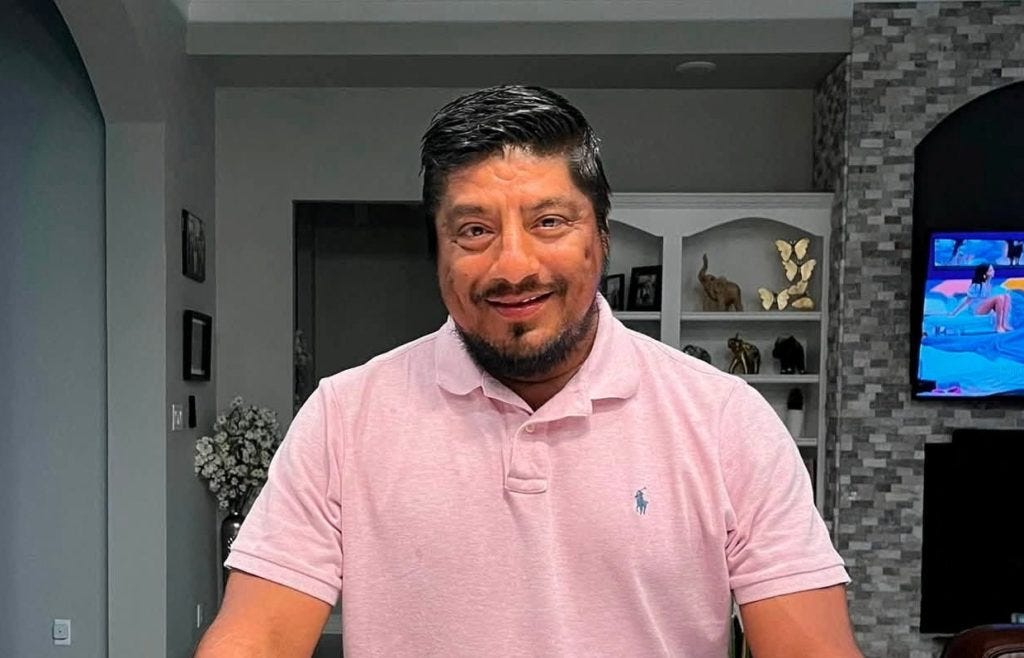
What to know about the fatal shooting of Lorenzo Salgado Araujo by ICE | PBS News
Within 48 hours, that story began to dissolve. DHS admitted Salgado Araujo, a 52-year-old father of three and local construction worker who had lived in Houston for 35 years, was never the target of the operation. There were no body-worn cameras. There was no emergency siren lighting on the unmarked SUVs that boxed his van in on Canal Street.
Now, emergency federal court filings have demolished the government’s narrative entirely, exposing what witness statements describe as a point-blank execution followed by deliberate evidence tampering.
The Second Shot
According to sworn statements filed in federal court (Case Nos. 4:26-cv-5719 and 4:26-cv-5720), the encounter was not a split-second defensive reaction to a charging vehicle. It was an ambush.
When unmarked vehicles suddenly cornered Salgado Araujo’s work van, an initial shot was fired through the vehicle. The passengers (Lorenzo’s brother, Víctor Hugo Salgado Araujo, alongside co-workers José Trinidad Rojas Pliego and Daniel Tirado Pantoja) frantically urged Lorenzo to stop. Lorenzo complied and brought the van to a complete standstill.
It was after the vehicle was fully stopped that an ICE officer raised his weapon and fired the fatal bullet into Salgado Araujo.
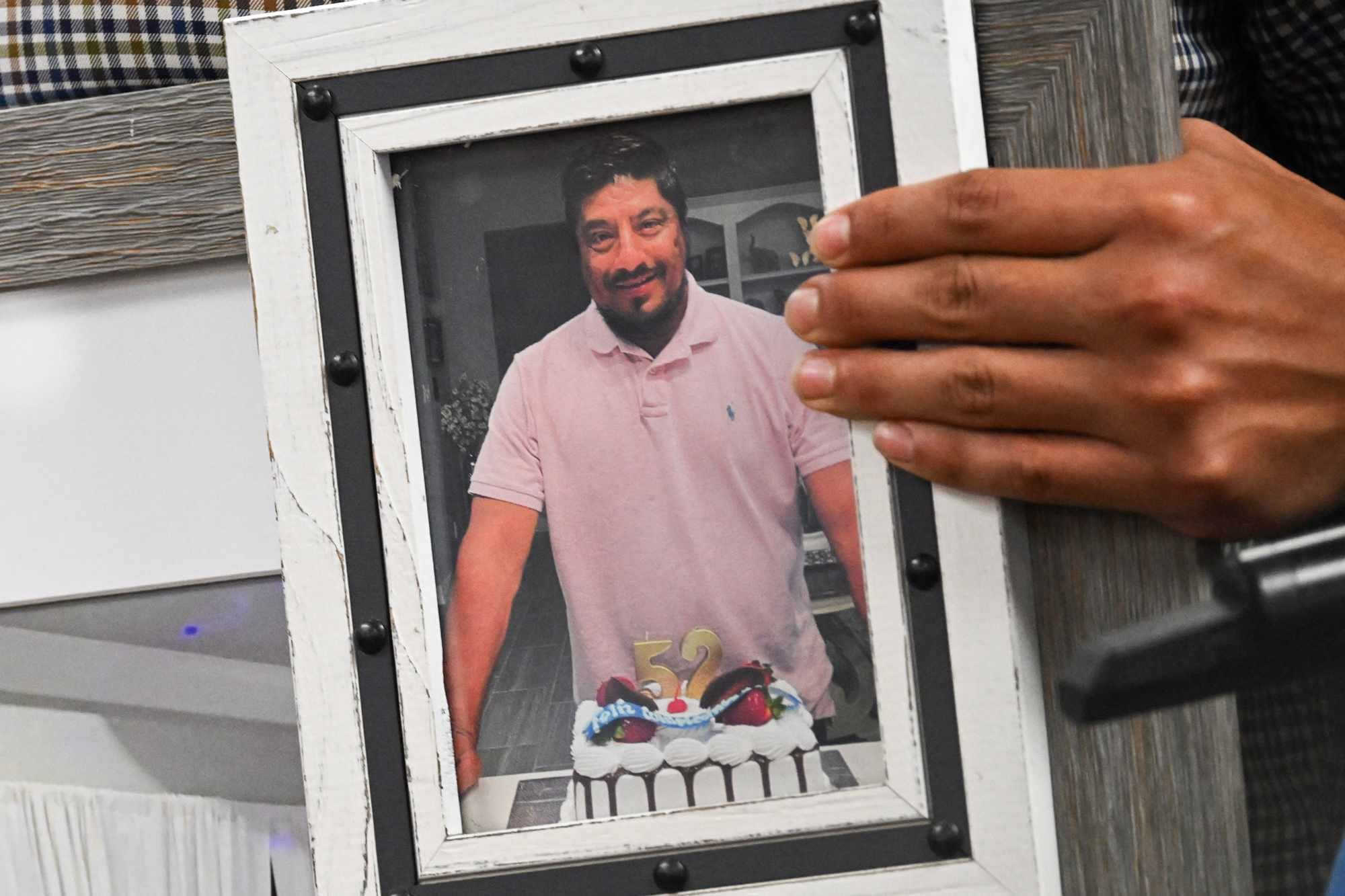
Son of Man Killed by ICE Speaks Out: ‘He Did Not Deserve to Die’
The Harris County District Attorney’s office has since certified U Visa applications for the surviving passengers, explicitly referencing state criminal investigations into Murder, Manslaughter, and Criminally Negligent Homicide under Texas Penal Code §§ 19.02, 19.04, and 19.05.
The Gun Swap: Destruction of Ballistics Integrity
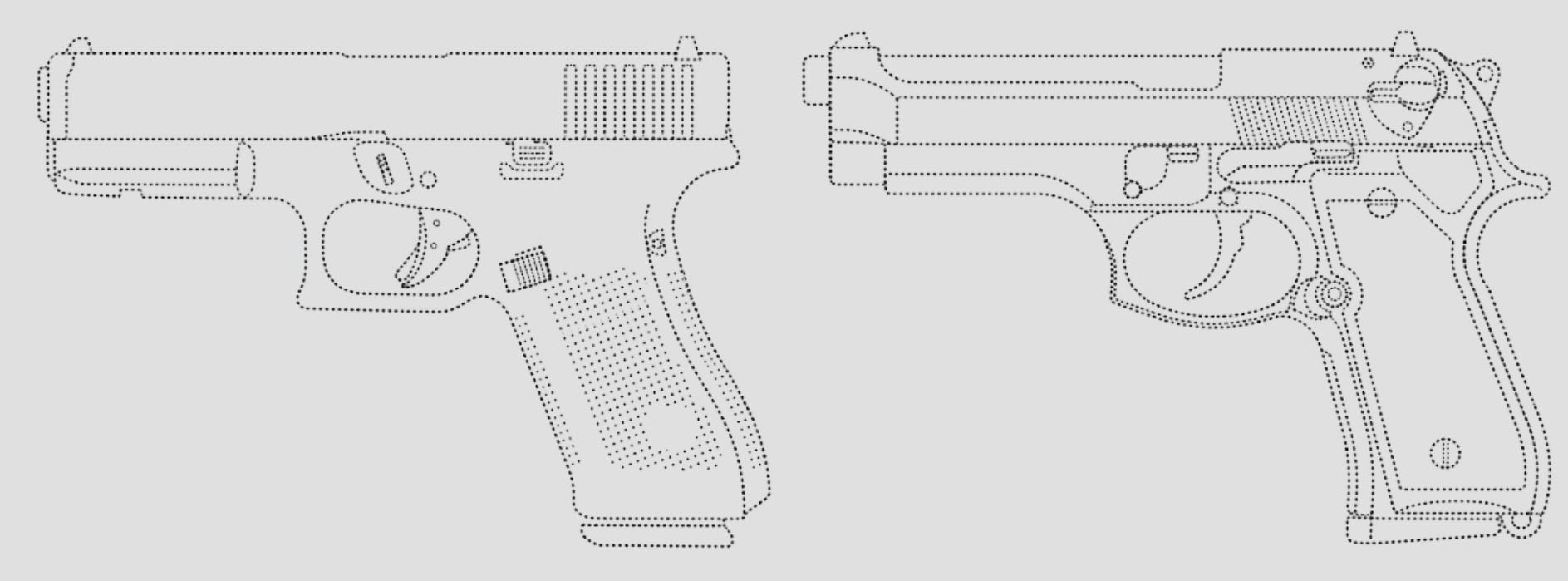
The most alarming detail emerging from the court filings involves what occurred immediately after Salgado Araujo was dragged from the driver’s seat.
Witnesses held in federal custody recount seeing federal agents execute an on-scene firearm swap before local authorities could secure the perimeter:
“After they took Lorenzo, another agent came and switched guns with the agent that fired the shot at Lorenzo.”
In any criminal proceeding, swapping service weapons at a homicide scene is an explosive allegation of felony obstruction and evidence tampering. If ballistics tests are performed on a weapon handed to investigators that does not match the bullet recovered from the victim, the entire chain of custody is poisoned, giving the federal government plausible deniability to shield its agent from criminal homicide charges.
The “Black Hole” Strategy
The primary strategy of federal law enforcement in officer-involved killings is not truth-seeking; it is the weaponization of time.
Immediately following the shooting, ICE snatched all three surviving witnesses (Víctor Hugo, José Trinidad, and Daniel) and locked them inside the Montgomery Processing Center. As civil rights advocates from LULAC (League of United Latin American Citizens) and FIEL Houston revealed, federal agents immediately began pressuring the traumatized men to sign voluntary self-deportation documents.
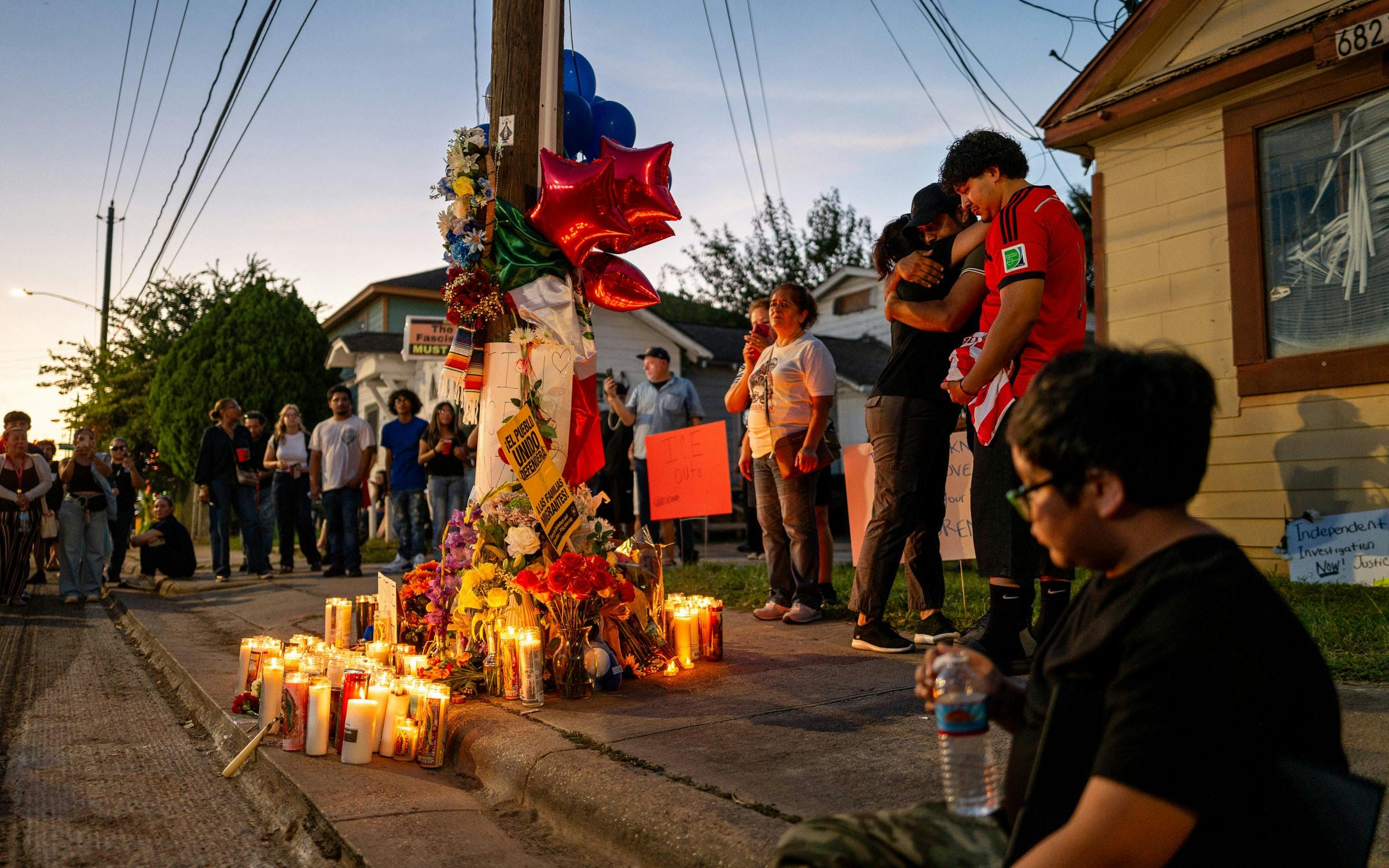
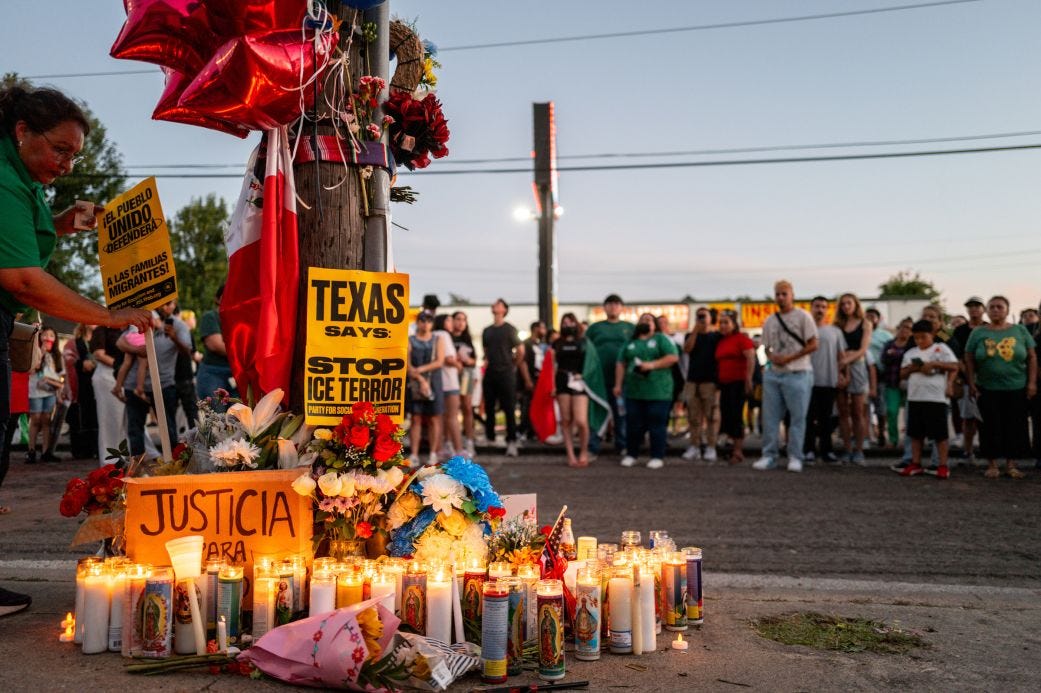
The objective is transparent: deport the only living eyewitnesses before independent ballistics or grand jury subpoenas can be served, bury the witness statements in an administrative black hole, and leverage the federal investigation window until public attention fades.
Civil rights legal teams and advocacy groups like LULAC are mounting an emergency defense, using federal writs of habeas corpus to force the government to produce the witnesses and preserve the physical evidence. But if federal agents successfully substituted the primary murder weapon on Canal Street, the fight for accountability will require exposing not just the pull of the trigger, but the cover-up that followed.
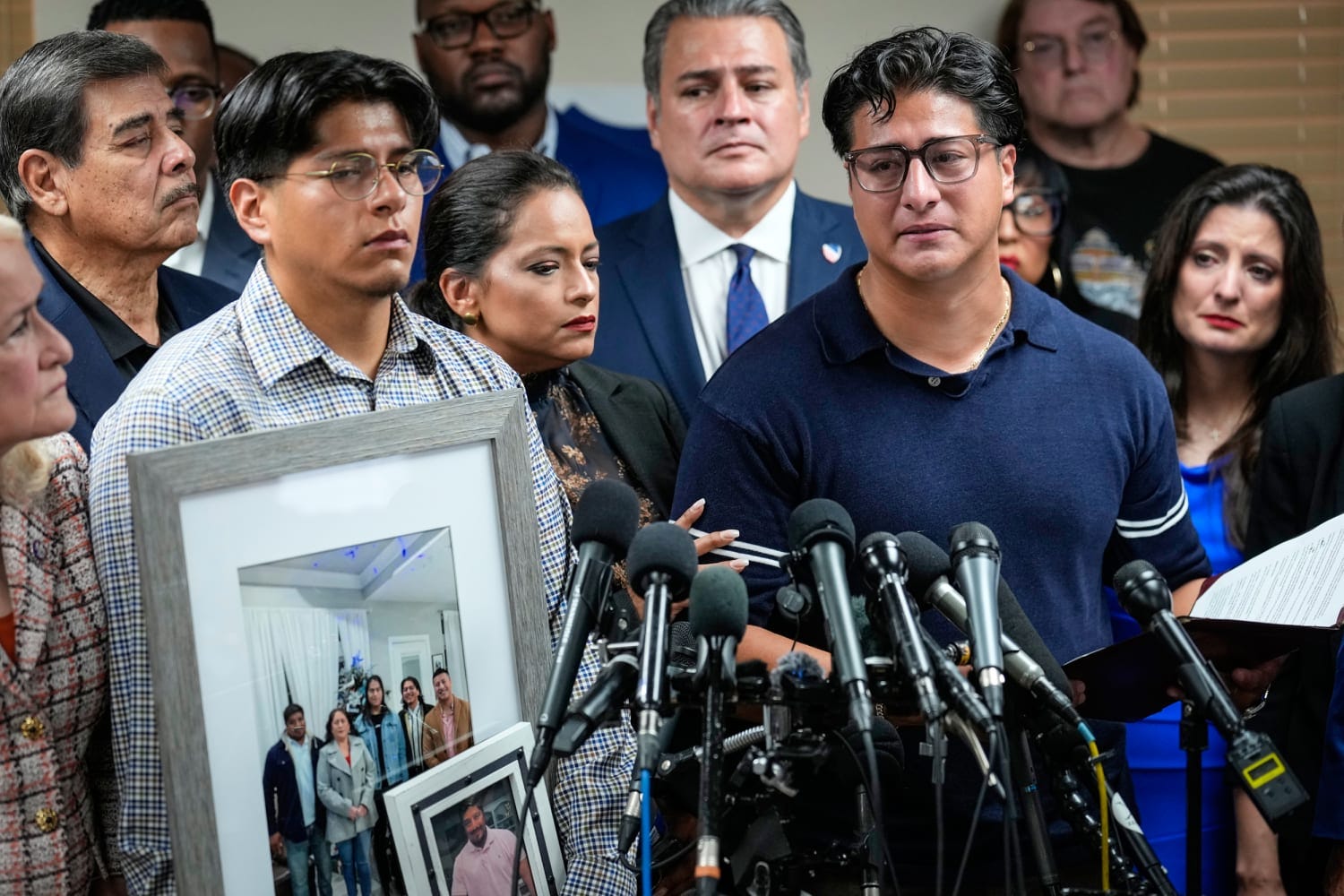
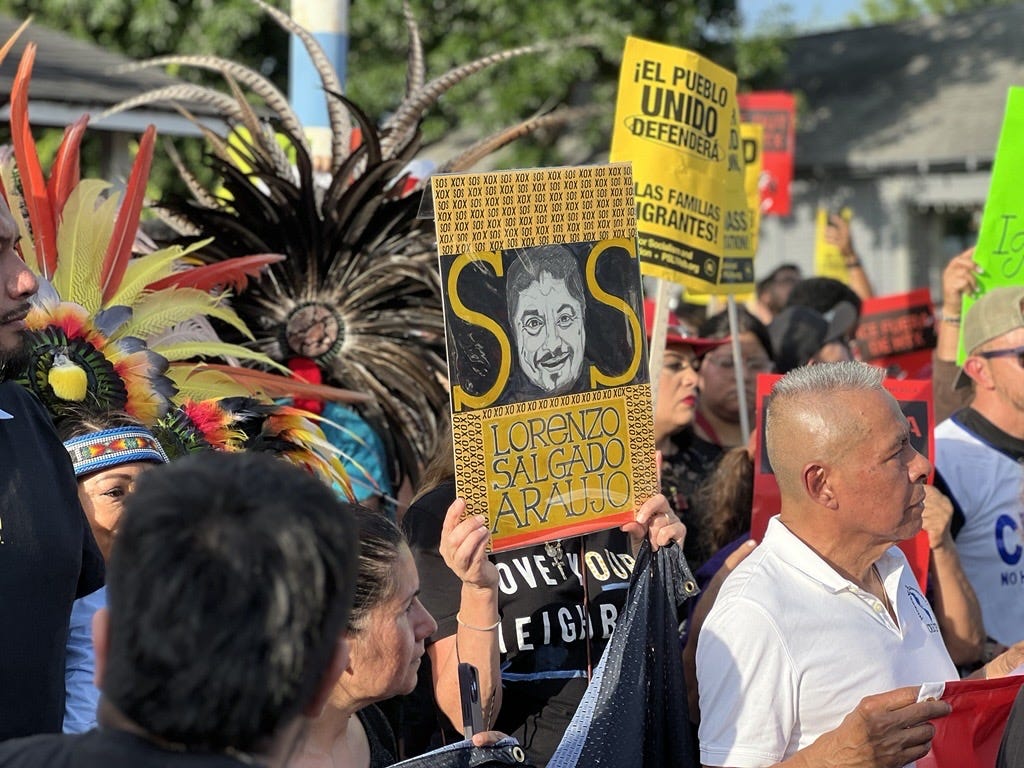
This was not a traffic stop gone wrong. It was the predictable outcome of a deportation machine that treats working-class Mexican families as disposable targets, then moves to erase the only people who saw what actually happened. The state’s first instinct was not investigation. It was containment of the evidence.