

Hunger Strike Escalates at Tacoma ICE Detention Center Over Inhumane Conditions
TACOMA, WA — On August 12, 2026, an urgent plea for help emerged from inside the Northwest Detention Center (NWDC), a privately owned immigration detention facility operated by the GEO Group. Through a smuggled video call, a man from Laos revealed that over 140 people detained inside the facility have initiated a hunger strike in protest of unsanitary conditions, medical neglect, and basic human rights violations.
“We Need Just Food”
The video testimony paints a stark picture of the daily realities inside the Tacoma facility. The caller stated that they are facing extremely poor food conditions and severe medical negligence. “Bad food, there’s no medicine,” the caller stated, noting that he had been suffering from pain in his molars for nearly a month without receiving any medical attention.
The detainees have reported that the facility’s hygiene is severely compromised, including failures to change bedsheets. “Everything is wrong in here,” the caller emphasized.
The primary demand from the hunger strikers is painfully simple. “They don’t feed us properly, man. All we need is just food. We want food! We want food,” the caller stated, noting that some detainees do not have the money required to purchase commissary items and are going hungry.
A Cry for Freedom
The video cuts to a second caller, a man from Iran, who echoes the desperation inside the facility, stating, “People are hungry. Please, somebody help us.”
As the video call threatened to abruptly disconnect, the caller pleaded for their release. “Por favor, saquennos de aquí [Please, get us out of here],” he said, adding that he is separated from a 10-month-old baby who depends on him. “I miss my family!”
A History of Strikes and Retaliation
This action is part of an ongoing, escalating pattern of protests within the NWDC. In just the first couple of months of 2026 alone, there had already been nine recorded hunger strikes. Advocates from the grassroots group La Resistencia note that these actions appear to be spontaneous and uncoordinated, acting as a desperate response to worsening conditions inside the facility. By May of 2026, the number of strikes for the year had reached 15, double the amount seen between 2025 and 2026. Later reporting from advocates put the 2026 total higher still as conditions deteriorated and the detainee population surged toward the facility’s 1,575-bed capacity.
Conditions at the NWDC have a long, documented history of severe negligence. Research from the University of Washington Center for Human Rights (UWCHR) has consistently corroborated the detainees’ claims, documenting long-standing conditions of medical neglect, unsanitary food (including reports of maggots, hair, plastic, and rat feces), and physical abuse by guards. State records and detainee complaints detail raw or rotten meat, insects in food, contaminated water that staff refuse to drink, unwashed bedding after illness, black mold, and medical emergencies ignored.
Retaliation against those who speak out is a major concern. Detainees who organize, file complaints, or initiate hunger strikes are frequently placed in prolonged solitary confinement—which ICE terms “segregation.” In May 2026, ICE allegedly retaliated against a self-organized strike by transferring the leaders, including a Cuban-born detainee who founded the group Unión de Secuestrados por ICE (Union of those Kidnapped by ICE), to an unknown location. Furthermore, a recent Guardian investigation revealed that Homeland Security officials under the current administration have attempted to subject hunger strikers in ICE detention, including at least one individual at the NWDC, to involuntary and traumatizing medical procedures, including force-feeding. Court records show DHS sought orders for force-feeding, forced hydration, and related procedures against multiple hunger strikers in 2025–2026.
Local Solidarity
In response to the escalating crisis, local advocates continue to organize outside the facility’s walls. La Resistencia and Tsuru for Solidarity have scheduled a “Solidarity Day” for Saturday, August 15, 2026, outside the NWDC to support the detained individuals fighting for their rights and to demand the shutdown of the facility.
The material reality is straightforward: a private prison contractor extracts profit from the confinement of people the state has designated disposable. Food quality, medical access, and basic sanitation are cost centers to be minimized. Hunger strikes are one of the few remaining levers available once legal process, visits, and external oversight are obstructed. The pattern of solitary, transfers, and threatened force-feeding is the system’s predictable response to that resistance.
Citations
La Resistencia documentation of escalating 2026 hunger strikes at NWDC / Northwest ICE Processing Center and retaliation via transfers (May 2026 reporting on Unión de Secuestrados por ICE action and prior strikes).
University of Washington Center for Human Rights research and related reporting on medical neglect, sanitation failures, sexual abuse/assault reports, solitary confinement, and lowered detention standards under recent GEO/ICE contracts.
Washington State Department of Health / Attorney General complaints and litigation over more than 3,500 detainee reports of rotten/contaminated food, unsafe water, hygiene failures, and denied medical care; judicial authorization for state inspections.
The Guardian investigation (August 2026) on DHS/ICE court orders and implementation of force-feeding and involuntary medical procedures against hunger strikers, including cases linked to the Northwest facility.
Additional contemporaneous reporting on population surge, staffing shortages, and repeated spontaneous hunger strikes as responses to conditions (Prism, Truthout, local Washington outlets).
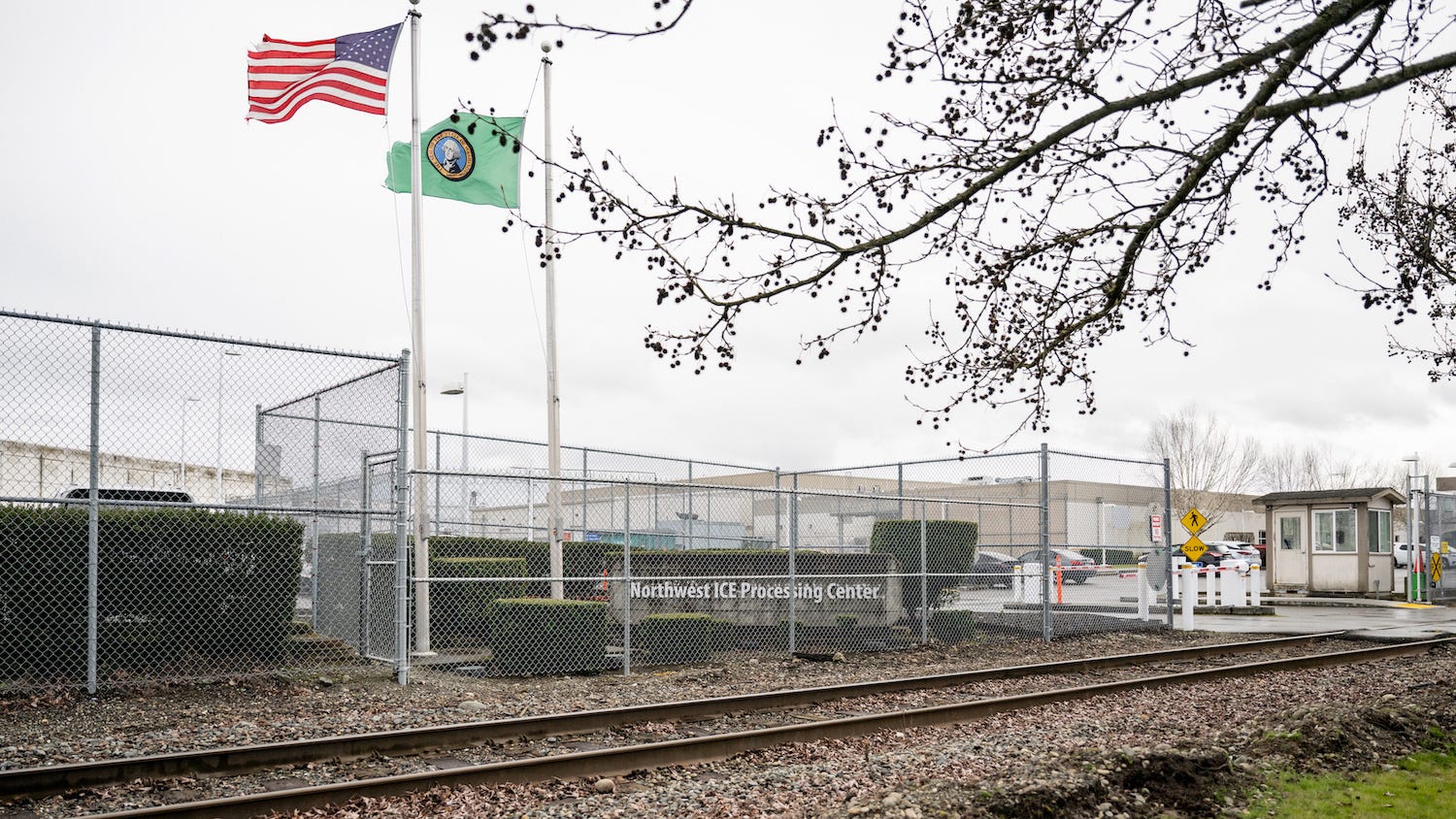
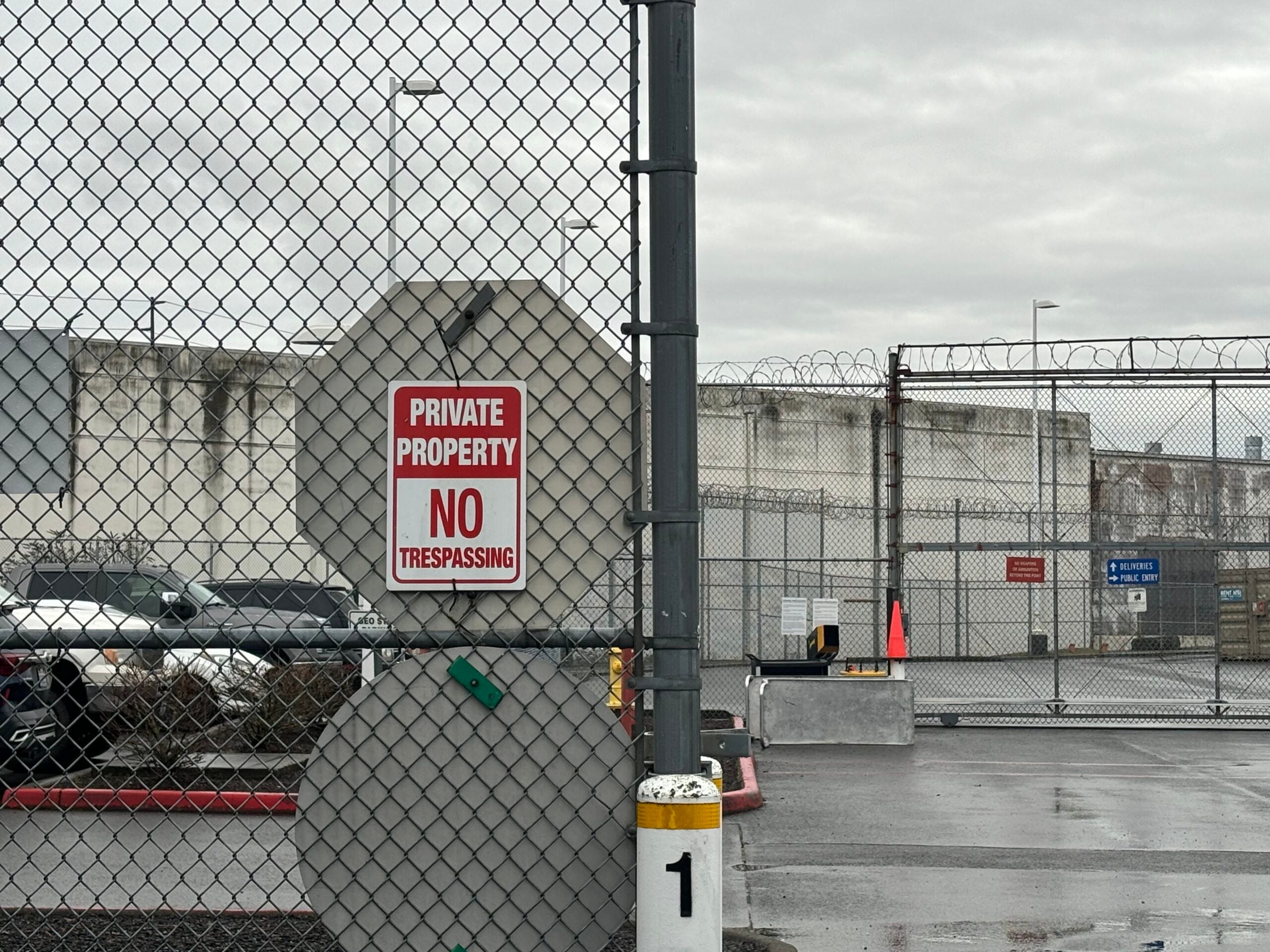
Facility exterior images show the industrial, fenced compound operated by GEO Group under ICE contract in Tacoma’s Tideflats. Outside pressure from La Resistencia (founded in response to the 2014 mass hunger strike of over 1,200 people at the same site) and allied groups remains the primary channel through which inside conditions reach public view.


