

The Delaney Hall operation shows the detention system functioning as a controlled violence apparatus. Three hundred detainees reported worm‑contaminated food, unsafe water, and medical neglect. At 1:35 PM, tactical units entered with batons and chemical agents. Translators were targeted first to prevent communication among non‑English speakers.
Blood was removed with bleach and chlorine before any congressional or health inspection could occur. Ambulances transported people with broken hands, head injuries, abnormal EKGs, and respiratory distress.
This followed months of denied surgeries, Tylenol for cancer pain, ignored miscarriages, and no care for pregnant detainees.
ICE blocked elected officials from the affected units and restricted state health inspectors to a controlled section of the building. Outside, masked agents struck community members and hit Senator Andy Kim while dispersing the protest line.
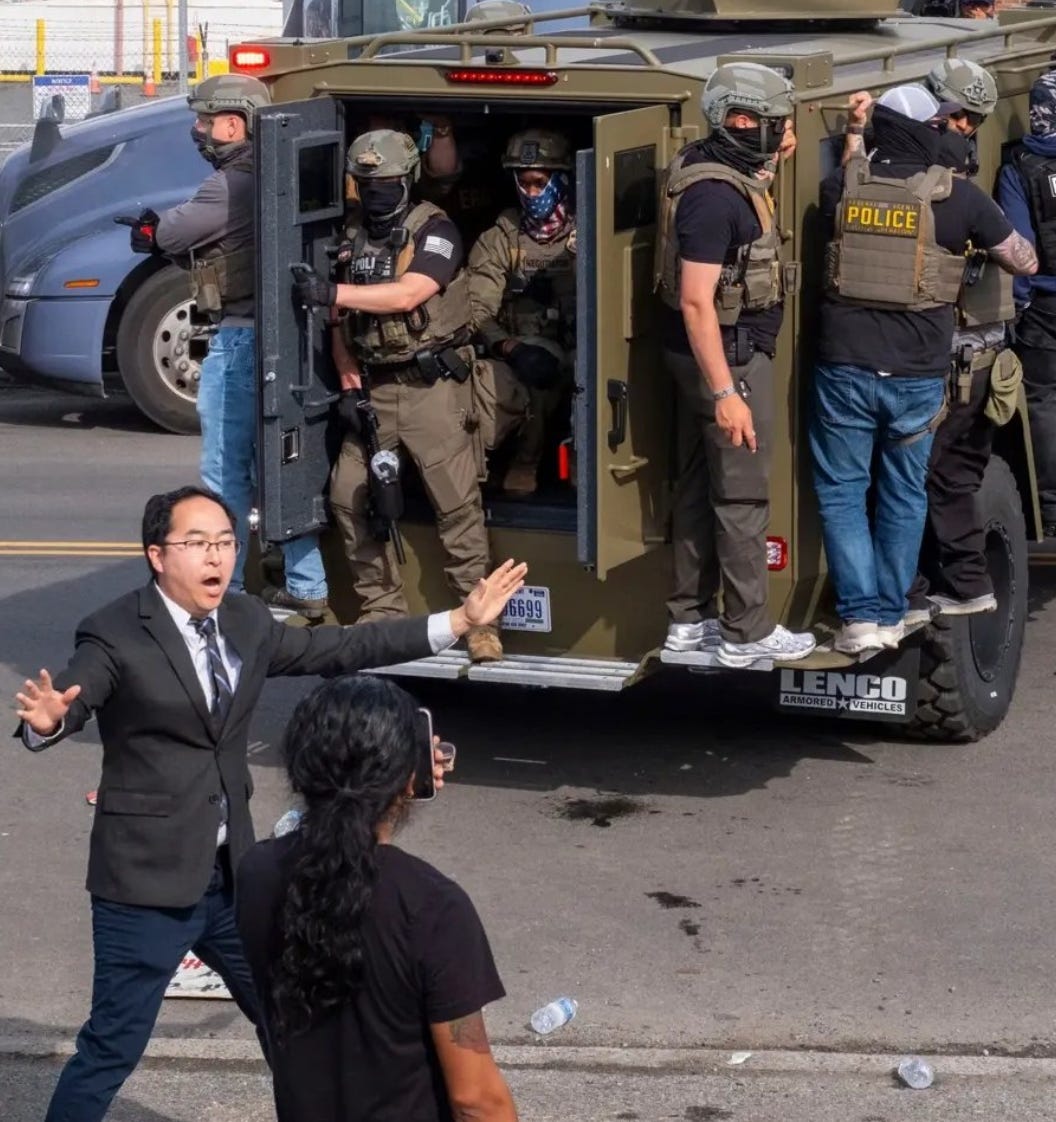
The pattern is consistent across facilities. When conditions become visible, the response is not correction but containment. Information is treated as a threat. Injuries are treated as liabilities. Oversight is treated as an intrusion. The priority is to reassert control over the narrative before any external body can document what happened. This is why medical records disappear, why logs are rewritten, why cameras fail, and why detainees who speak to attorneys are moved without notice.
The system relies on the assumption that the public will accept the official version over the documented one. It relies on the distance between the people harmed and the people watching. It relies on the idea that detainees are interchangeable and forgettable. When that distance collapses, the state escalates. When witnesses appear, the state restricts access. When evidence accumulates, the state denies its existence.
The events at Delaney Hall are not an anomaly. They are a demonstration of how the detention economy maintains itself. Violence is used to suppress refusal. Denial is used to suppress accountability. Sanitization is used to suppress memory. The operation shows the alignment between private profit, federal enforcement, and political insulation. It shows how each component protects the others.
The people inside and the people outside form the only counterweight. Their accounts, recordings, and coordinated pressure create a record that cannot be fully erased. The state can clean the floors and rewrite the reports, but it cannot eliminate the testimony or the injuries. The refusal to accept the official story is the only reason the real one survives.
What we are seeing is a machine that has hummed quietly behind the scenes for years. The apparatus of inhuman actions inflicted upon people by the state exposes the propaganda and the myths that would have people believe the United States is a place of laws, justice, and moral superiority.
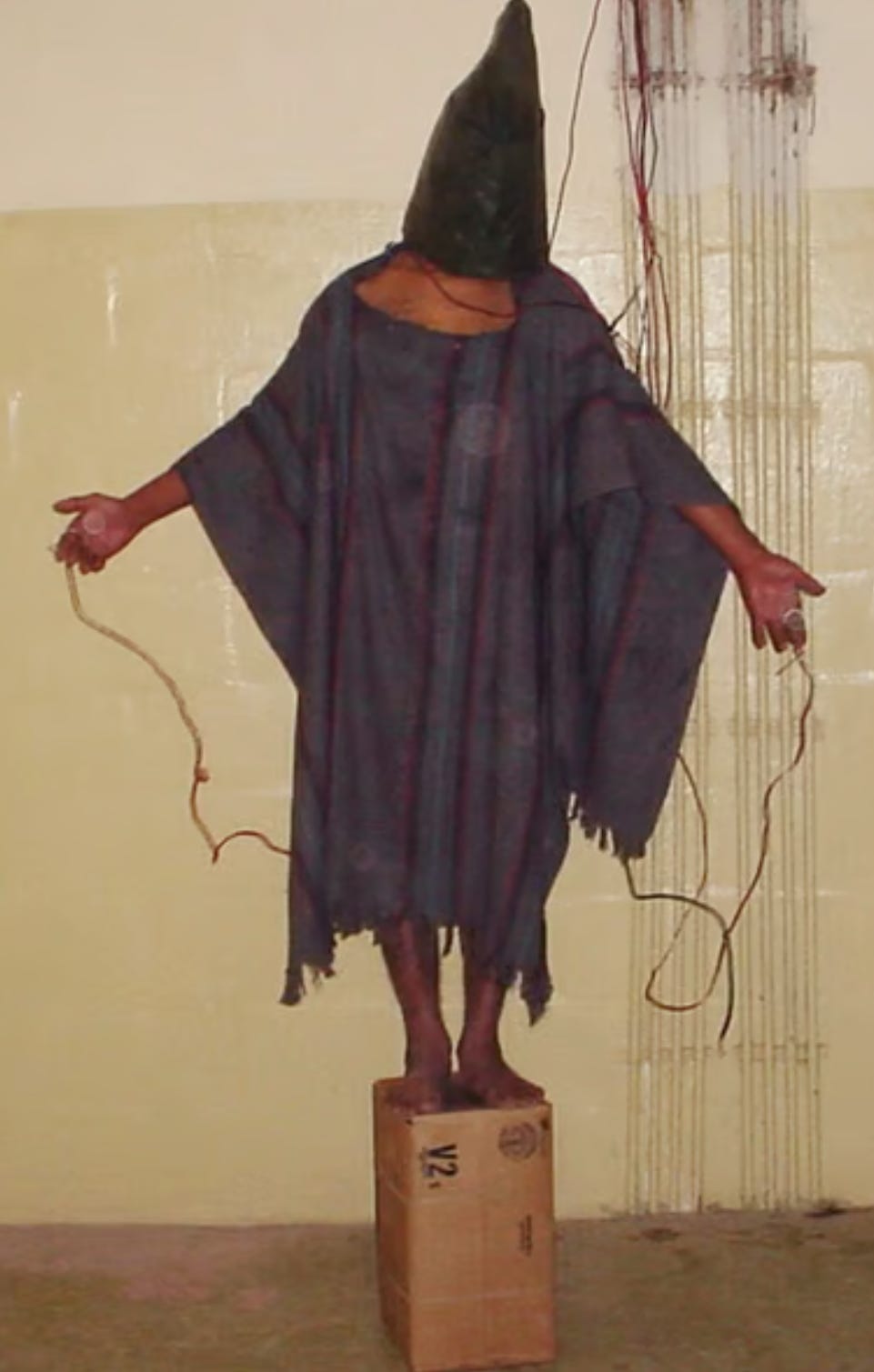
DHS issued the standard reversal. No hunger strike. Minimal force. No injuries. Claims that every detainee was a violent offender. Records show that many were civil detainees with no criminal history. Cleaning the blood becomes both the removal of physical evidence and the reset of the official story. Injuries are reframed as resistance. Deaths are reframed as medical events. Oversight is blocked. Witnesses are pushed back. The narrative is secured before the facts can be documented.
The operation shows how the detention economy functions. Facilities generate revenue and enforce population control over people displaced by US policy. Any organized refusal triggers the full enforcement response because acknowledging conditions would expose the business model and the disposability of the people inside. The ambulances, the testimony, the eyewitness accounts, and the restricted access form a consistent record of state violence. The detainees and the crowd outside form the counterforce that interrupts a system built to operate without scrutiny.
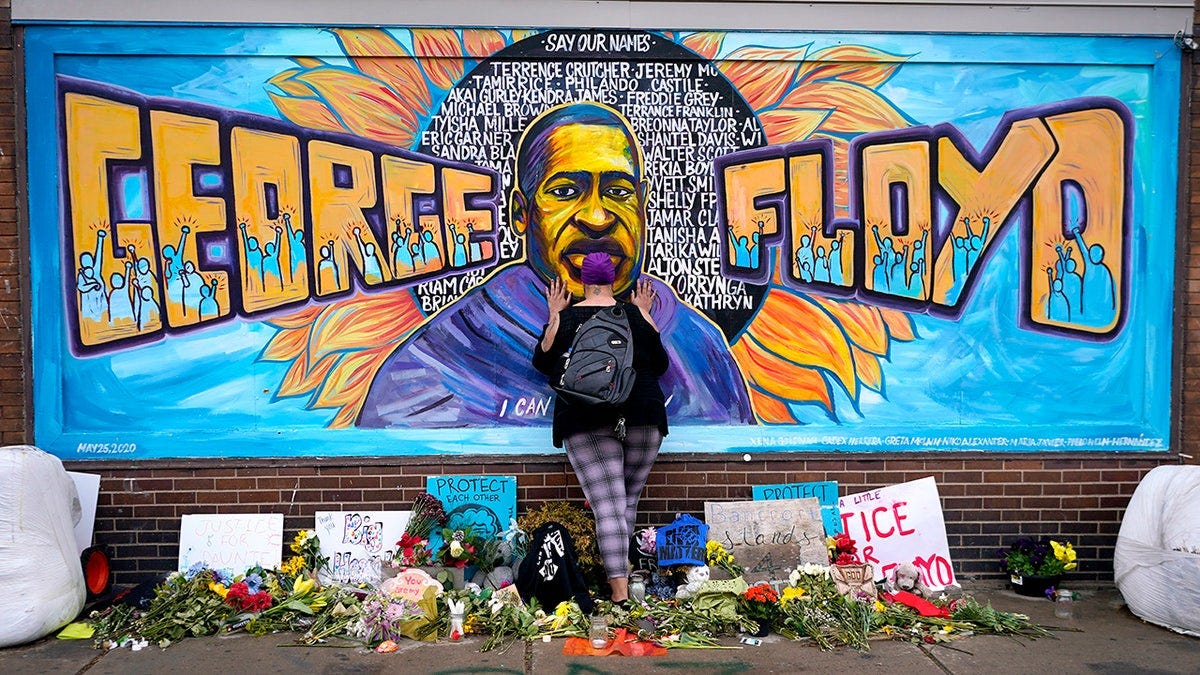
What emerges is not a nation governed by facts, rights, or democratic consent. What emerges is a probabilistic regime. An algorithmic state that acts first and justifies later.
A system where suspicion becomes evidence. A system where risk scores replace human judgment. A system where entire communities are treated as threats to be managed rather than people to be protected.
The lie is that this is exceptional.
The truth is that this is structural.


