

Burlington Massachusetts The Shadow Detention Center In Plain Sight
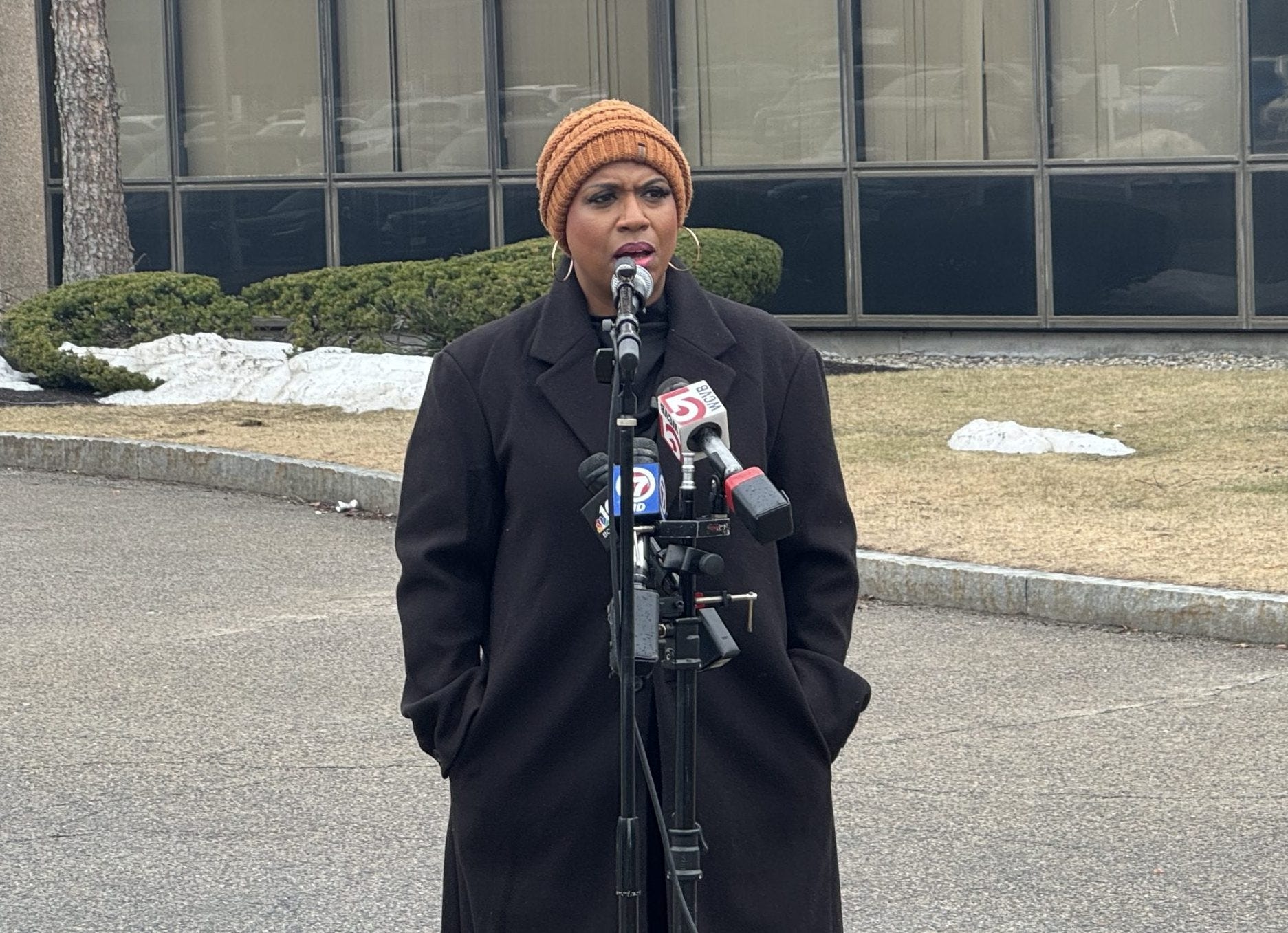
Congresswoman Ayanna Pressley stepped out of the US Immigration and Customs Enforcement Boston Field Office in Burlington and delivered an uncompromising verdict. After conducting real time oversight behind closed doors she stated that she left with her position completely unchanged. We need to defund and abolish ICE.
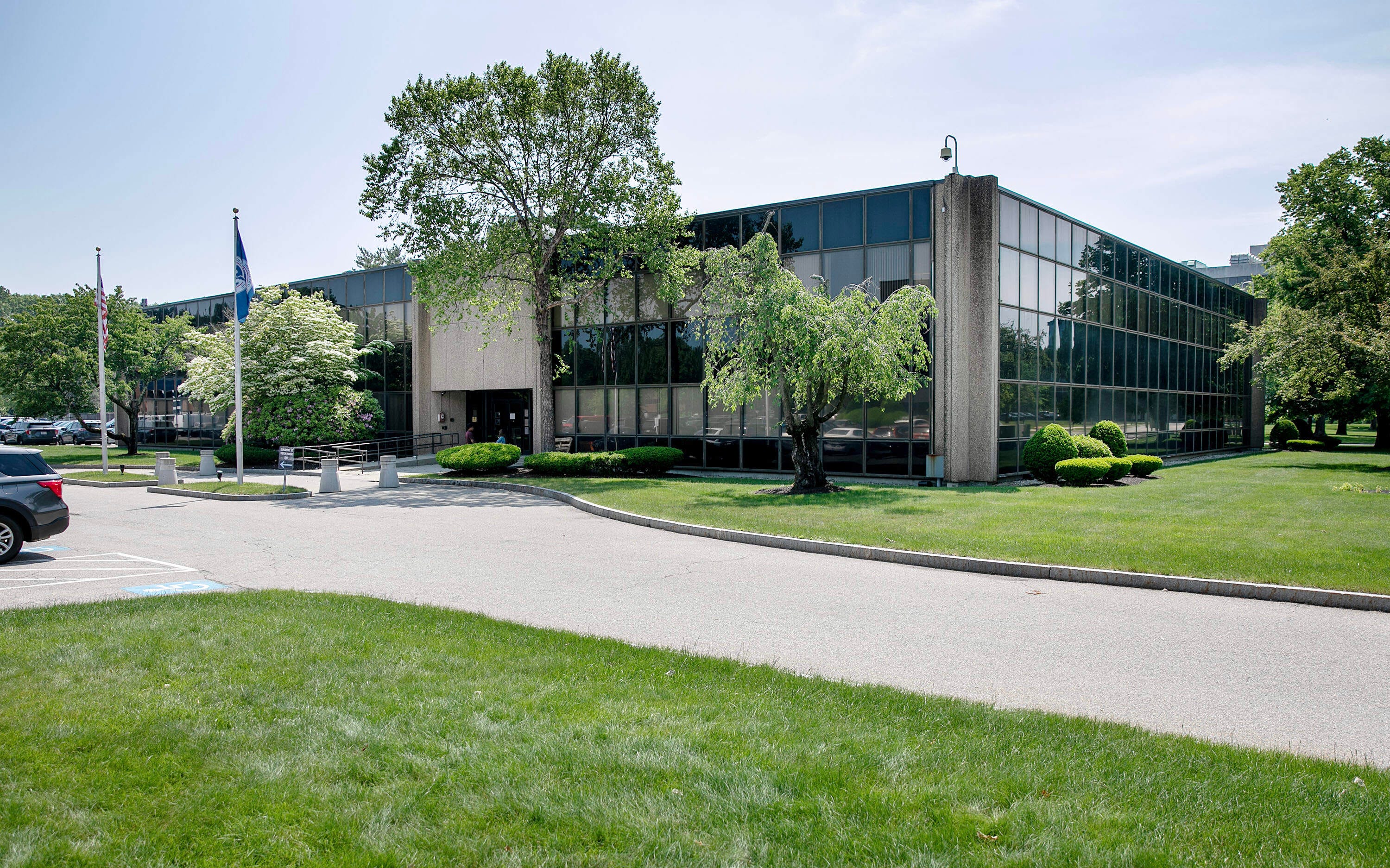
ICE holding immigrants in ‘abysmal’ conditions at Burlington office building, lawyers say | WBUR News
The Reality Of The Burlington Facility
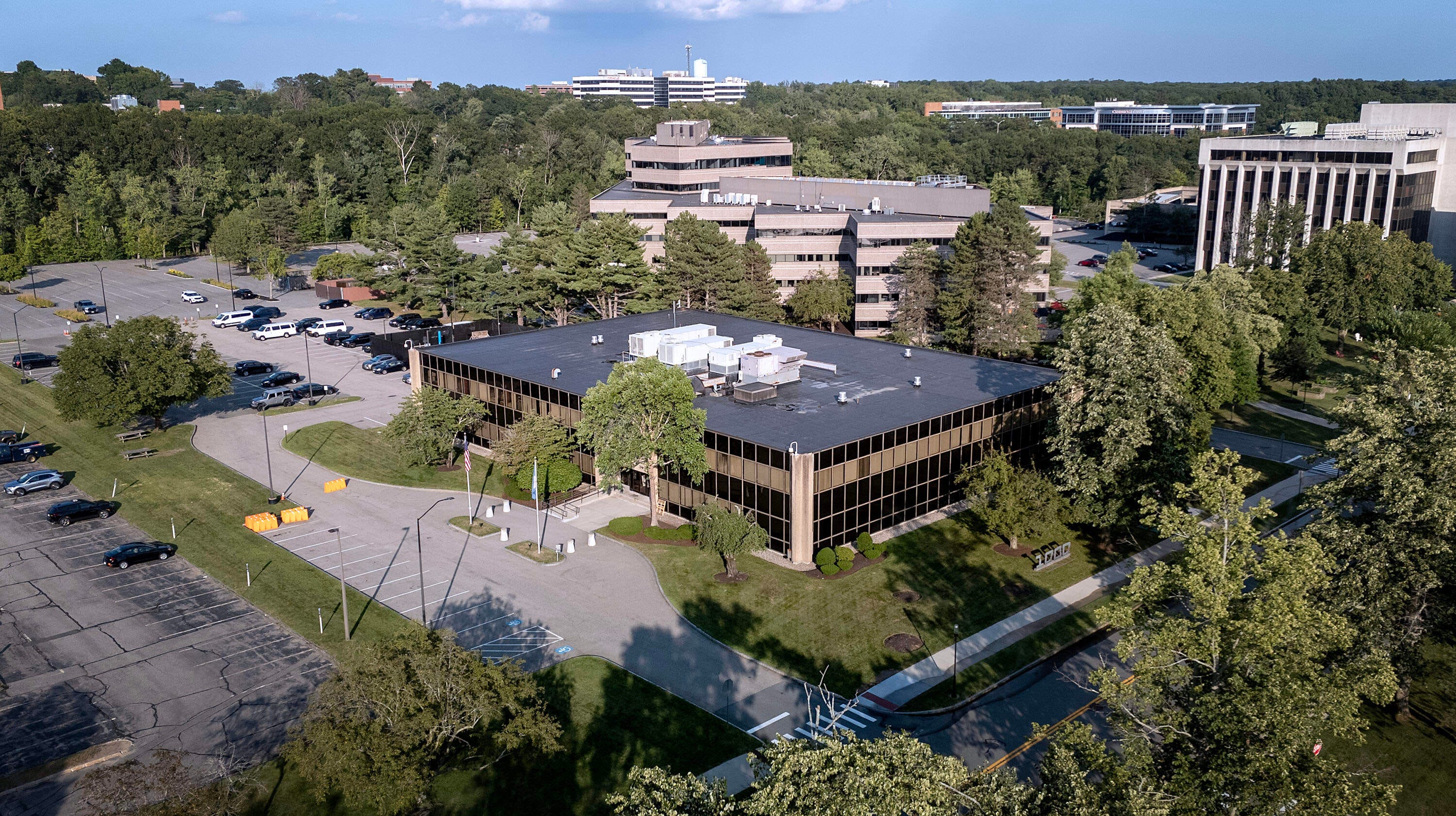
They are hiding their cruelty in the middle of a suburban corporate park. The Burlington location is not a traditional federal prison. It is a standard windowless concrete office building. When ICE originally leased the space they assured the local community it would strictly be used for administrative processing. Their own policies state no one should be held in a field office for more than 12 hours.
They lied.
As the administration aggressively ramps up its deportation dragnets, ICE has quietly converted this office space into a shadow detention center. People are being held for days at a time in spaces never zoned or equipped for overnight stays. The conditions inside are a calculated nightmare. Individuals are forced to sleep on concrete floors or even the damp tiles of office bathrooms. There are no beds. There are no adequate showers. People are crammed into small holding cells while the fluorescent overhead lights are kept on 24 hours a day.
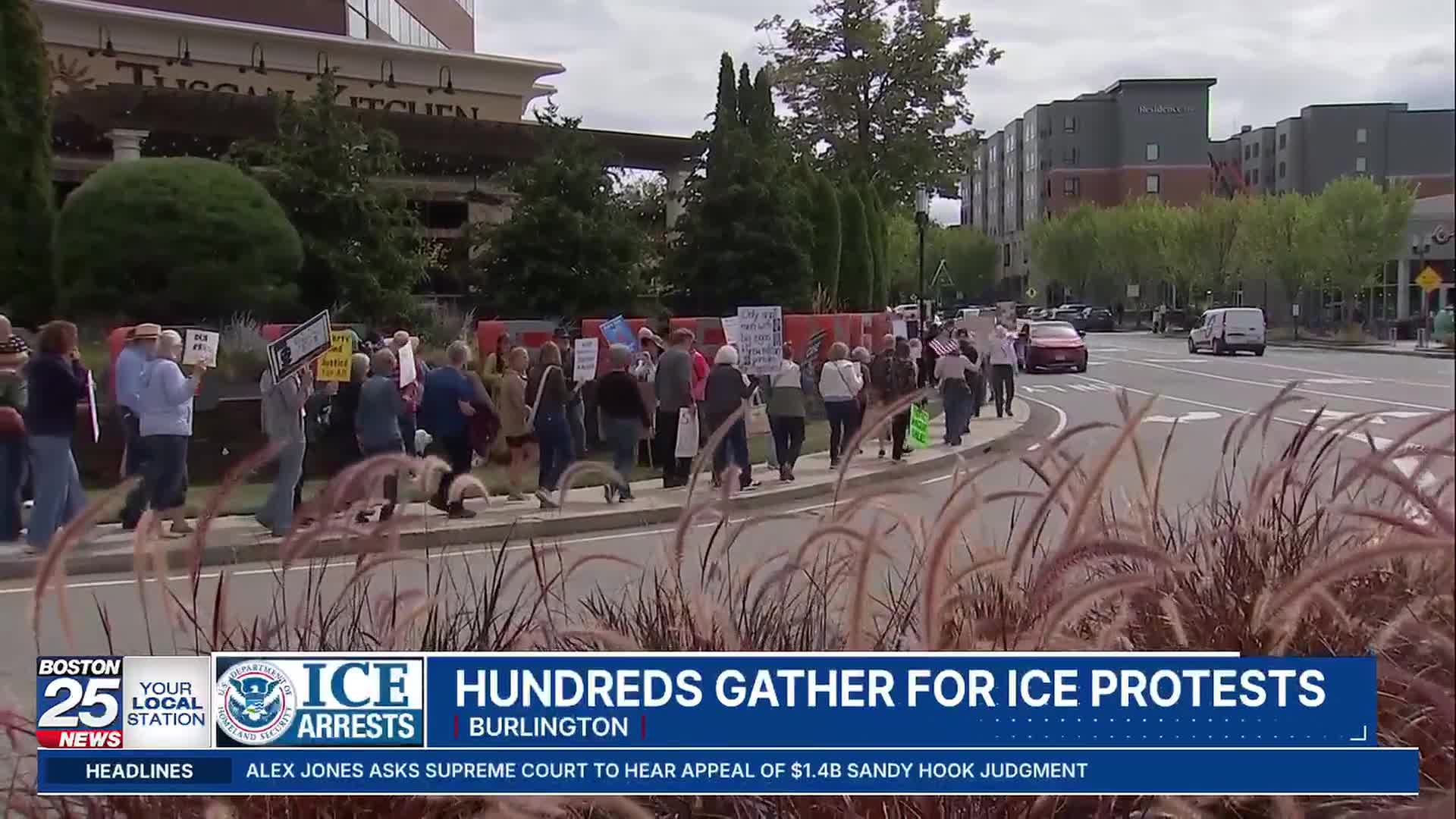
This is a deliberate tactic. By using administrative field offices as de facto jails, the federal government attempts to bypass the basic human rights standards, zoning laws, and public scrutiny required for actual detention centers. When local organizers and attorneys started exposing these conditions, ICE attempted to change their policies to block unannounced congressional visits. They want to operate entirely in the dark.
Here is the streamlined version, CSP, with all em and en dashes removed.
A Call To Action: Defending Our Communities
They can try to subvert, deceive, and hide their efforts, but the whole country has their eyes on ICE. We cannot allow rogue agencies to turn our local office parks into black sites. The resistance requires constant, unyielding vigilance.
Here is exactly how you can help.
1. Expose the Office Parks & Track Local Zoning
Every physical building needs a permit. Before an office becomes a detention center, it must pass through local zoning boards. ICE relies on the banality of commercial real estate to hide their operations behind generic facades and tinted windows.
The Action: Look up suspicious commercial properties to see who holds the deed: often, shell LLCs are used to mask the true buyers. Monitor your local Planning Board and City Council meeting minutes for requests to change a property from “commercial” or “light industrial” to “institutional” or “correctional” use. Look for building permit applications mentioning high-density plumbing, security fencing, or holding areas. Force your city council to enforce their zoning laws and shut the buildings down before the first concrete is poured.
The Expanded Tools:
NETROnline Public Records Directory: Find official tax assessor and property appraiser databases for your specific county.
Municode / eCode360: Read local municipal codes to understand exactly what zoning laws a federal agency or private contractor might be violating.
OpenCorporates: The largest open database of companies in the world. Use this to pierce the veil of generic LLCs buying up local property to find out if private prison companies are the real owners.
Regrid: A comprehensive property parcel database that allows you to look up ownership data, zoning, and land use for specific addresses.
2. Monitor Job Boards, Contracts, & The Money
Shadow facilities cannot operate without staff. Contractors usually start hiring personnel quietly before a facility is officially announced to the public. The money and the jobs always leave a footprint.
The Action: Set up automated email alerts on job sites for your specific county. Look beyond just guards; look for sudden hiring spikes for mass food service, secure transportation, and specialized medical staff in commercial areas. Furthermore, monitor your county procurement portals, as local governments often quietly sign Intergovernmental Service Agreements (IGSAs) to lease bed space or coordinate utilities.
The Expanded Tools:
Google Alerts: Set up targeted alerts using keywords like “Detention Officer,” “Transport Officer,” “Secure Facility,” or the names of major private contractors like GEO Group, CoreCivic, LaSalle Corrections, and Management & Training Corporation (MTC).
SAM.gov (System for Award Management): The official U.S. government website for tracking federal contracts. You can search this database to see if local vendors or national contractors have recently been awarded ICE money in your zip code.
USASpending.gov: Track exactly where federal money is flowing down to the local and county levels.
3. Force Transparency via Public Records Requests
You do not need to be a lawyer to demand transparency. Open records laws allow everyday citizens to request government communications. Local officials often communicate with federal agencies or contractors long before the public finds out.
The Action: Send a brief, formal email to your city or county clerk’s office requesting copies of any correspondence between local elected officials, zoning boards, and federal immigration agencies. Be specific: ask for emails containing keywords like “ICE,” “IGSA,” “bed space,” or the names of private prison contractors. Follow up relentlessly if they delay.
The Expanded Tools:
MuckRock: Easily file, legally format, and track your requests publicly so other journalists and activists can see the responses.
National Freedom of Information Coalition (NFOIC): Find the exact legal phrasing and response-time requirements for your specific state’s open records laws.
FOIA.gov: The central hub for filing federal Freedom of Information Act requests directly with agencies like DHS and ICE.
4. Demand Aggressive Political Oversight
You do not have to guess who holds the power. Every elected official at the local, state, and federal level needs to be bombarded with demands for unannounced inspections of these facilities. Do not accept administrative excuses or claims of “federal jurisdiction”: local fire marshals and health inspectors still have authority over local buildings.
The Action: Find your exact representatives and flood their offices with letters demanding they use their authority to walk into these corporate parks and document the conditions. Target your County Sheriffs and County Commissioners specifically, as they are often the ones quietly signing lucrative contracts. Force them to drag the truth into the light.
The Expanded Tools:
ResistBot: Instantly draft and send letters to your officials right from your phone by texting
RESISTto50409.Common Cause ‘Find Your Representative’: Get the direct office phone numbers, mailing addresses, and emails for everyone from your local city council members up to your US Senators.
Town Hall Project: Track when your representatives are holding public events so you can show up in person and demand answers on the record.
5. Mobilize & Stand With Local Organizers
You do not have to fight this alone. Grassroots advocates have proven that sustained pressure works. Physical presence breaks the isolation of those trapped inside and makes it impossible for the community to ignore what is happening down the street.
The Action: Once you spot a paper trail or a suspicious zoning change, immediately alert established organizations so they can deploy legal resources and media strategy. Show up to local city council meetings during public comment periods to raise hell, and physically show up to ongoing protests to bolster their numbers.
The Expanded Tools (National & Legal Networks):
Detention Watch Network: A national coalition building power to abolish immigration detention.
Freedom for Immigrants: Maps the US detention system, runs visitation programs, and operates a national hotline for detained individuals.
Mijente: A digital and grassroots hub for Latinx and Chicanx organizing, highly active in anti-deportation campaigns.
United We Dream: The largest immigrant youth-led network in the country, deeply involved in local community defense.
National Immigrant Justice Center (NIJC): Provides direct legal services and advocates for policy reform.
National Lawyers Guild (NLG): Provides vital legal support, including “Legal Observers” to protect activists during protests and direct actions.
The Bottom Line: Keep your ears to the ground and your eyes upon the courts. There is always a paper trail. Find it, expose it, and protect your communities from these shadow facilities.


