

The heavy machinery has arrived in the Big Bend. Staging yards fill with steel, contracts worth $1.7 billion (and climbing) have been let to Kiewit subsidiaries, and DHS has waived the National Park Service Organic Act, Endangered Species Act, Clean Water Act, and a dozen other statutes so that vehicle barriers, patrol roads, and surveillance systems can be driven through one of the most intact stretches of Chihuahuan Desert left in the United States. Santa Elena Canyon sits in the crosshairs of that infrastructure.
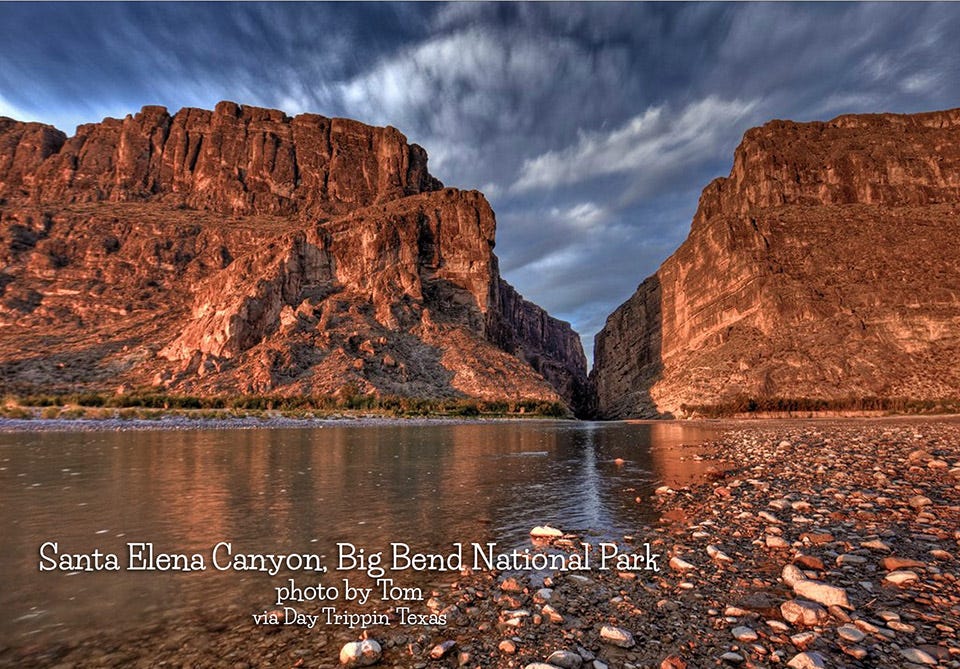
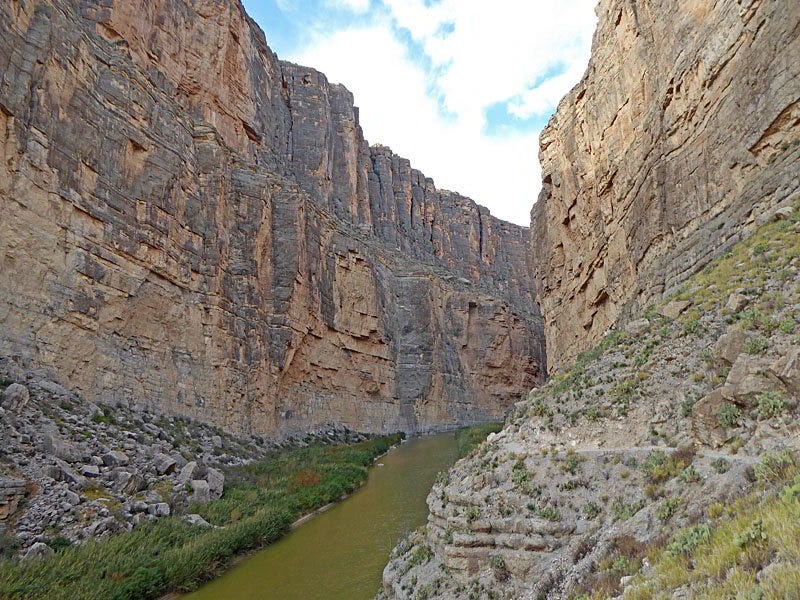
Santa Elena Canyon is not abstract scenery. It is a 1,500-foot limestone defile cut by the Rio Grande over millions of years, a living corridor of rare plants, fossil beds, and the only continuous water source for miles of desert. Heavy equipment does not “alter” this terrain. It permanently destroys the cryptobiotic crusts that take centuries to form, severs root systems that hold the desert together, and rewrites drainage patterns that have shaped the canyon since the Pleistocene. Once compacted and graded, recovery is measured in human lifetimes, not seasons.
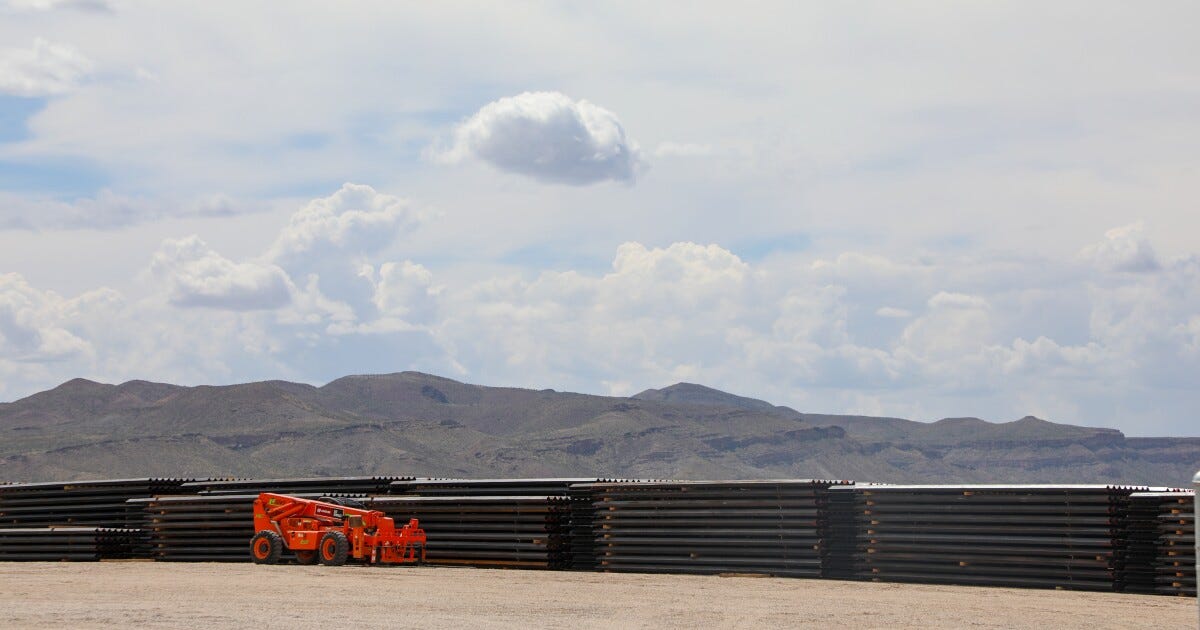
Construction start nears for Big Bend area border wall | Marfa Public Radio, radio for a wide range.
The political language of “vehicle barriers” and “smart wall attributes” is a deliberate softening. Seventeen miles of steel post-and-rail barriers plus more than 200 miles of roads and sensor systems inside and adjacent to the park are not cosmetic. They are industrial fragmentation of a national park. The same corporations that poured concrete for earlier wall segments now receive the largest single border construction awards in U.S. history for work that will scar public land where unauthorized crossings have historically been among the lowest on the entire southern border. This is not security policy calibrated to data. It is the militarized enclosure of a commons for the profit of a narrow contractor class and the political theater of a regime that treats remote wilderness as disposable staging ground.
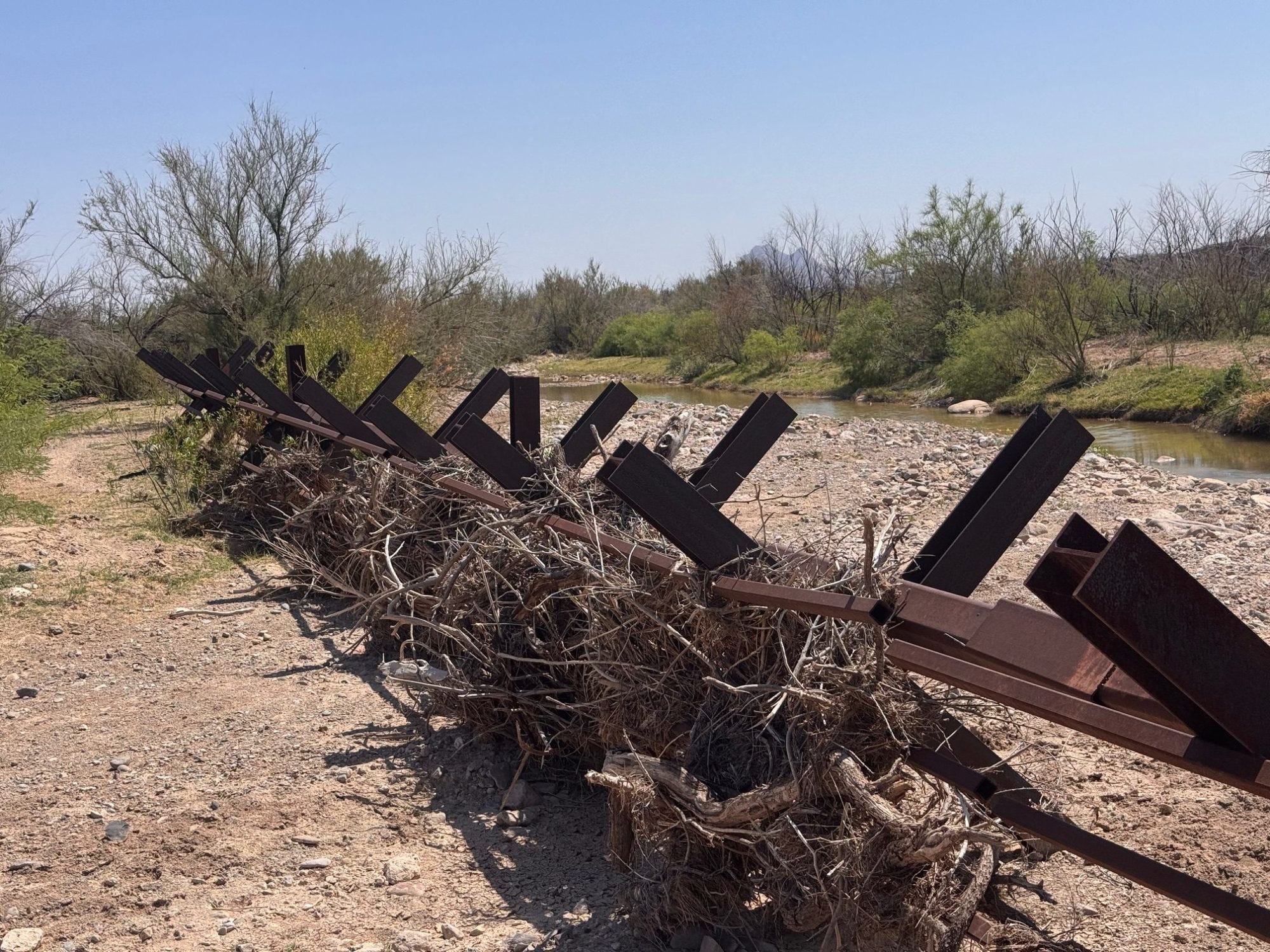
Border wall updates – Big Bend Sentinel
Wildlife does not negotiate political lines. Desert bighorn sheep, javelina, mountain lions, and the black bears that recolonized the Chisos all depend on uninterrupted movement along the river corridor and through the desert washes. Barriers and roads isolate populations, reduce genetic exchange, and cut animals off from water. The biological consequence is measurable decline; the political consequence is the imposition of a human border onto non-human systems that have never recognized it.
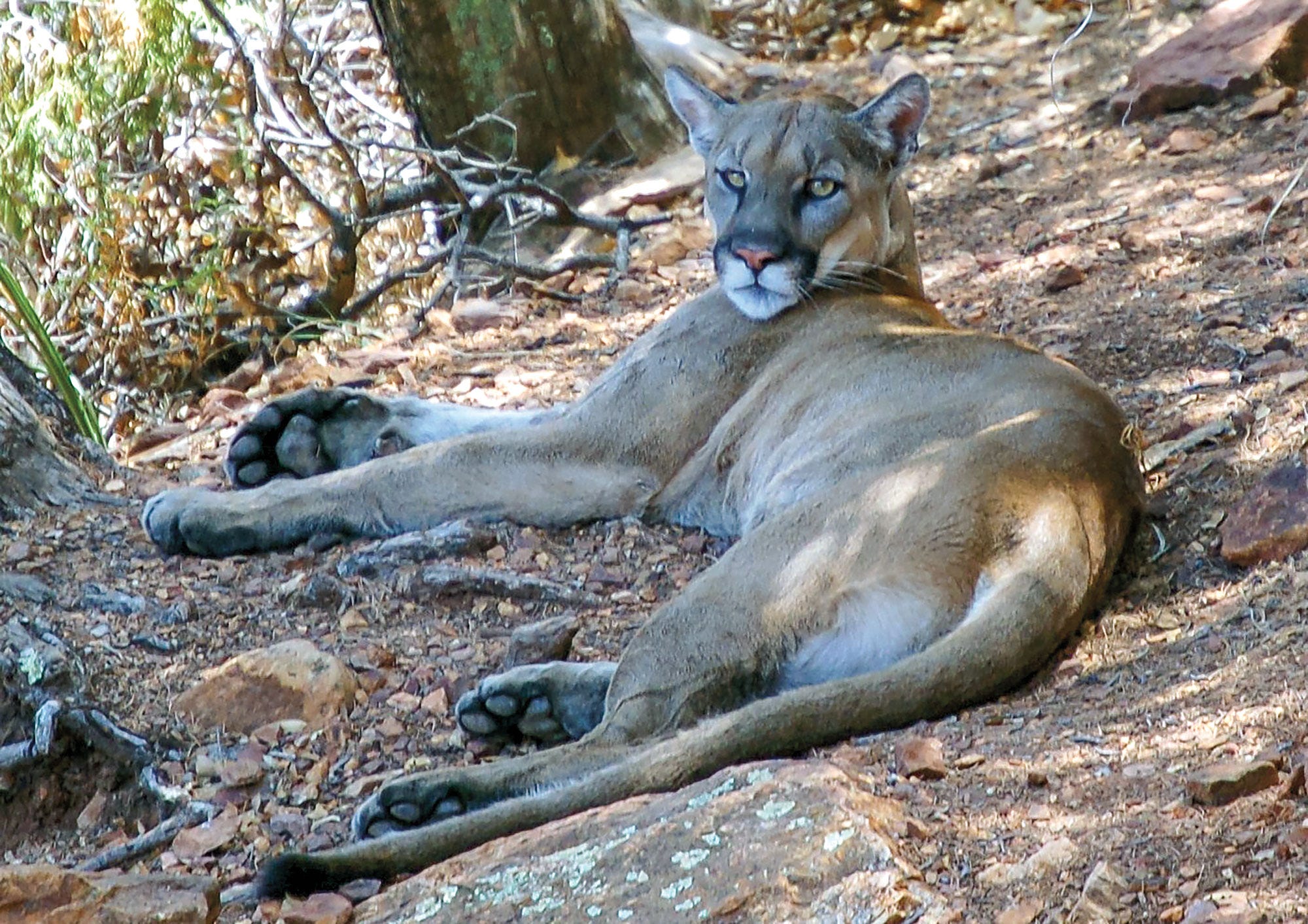
Tracking Elusive Mountain Lions in the Mountains of West Texas
The media silence is not accidental. A project that permanently damages a national park in an area with negligible migration pressure should dominate national coverage. Instead it is treated as a local story or a technical “infrastructure update.” That silence is itself a stress test: how much irreversible harm to public land and shared ecosystems will be absorbed without national outrage when the stated purpose is state control rather than material need.
The lines being cut into Big Bend are not neutral. They convert a landscape of continuous ecological process into segmented, surveilled, and permanently altered ground. The contractors get paid. The park loses integrity. The public is left with the bill and the scar. This is the material reality of the project now underway.


