
A Forensic Reconstruction of the Killing of Alex Pretti
A minute-by-minute timeline of the escalation, the suspects, and the federal operation that turned a Minneapolis street into a killing field.

Eyes ON Ice Note: This report relies on verified primary sources, sworn affidavits, and official agency statements. Links to source material are embedded directly in the text for verification.
In the aftermath of the killing of Alex J. Pretti, the public was told to wait. To be patient. To let the facts “come out.” But the facts that have emerged do not soften the story—they sharpen it. They reveal a straight line of escalation that began days before the first shot was fired.
This is the forensic record of how a “targeted enforcement operation” ended in the death of a U.S. citizen.
Part I: The Timeline of Escalation
The killing of Alex Pretti did not begin on the morning he died. It began with a prior confrontation and a federal surge that placed combat-trained agents in a civilian neighborhood.
January 7 – January 23: The Context
The Surge: The Department of Homeland Security launched Operation Metro Surge, deploying agents from the southern border to inland cities like Minneapolis. These were not local officers; they were federal agents operating under broad immigration authority.
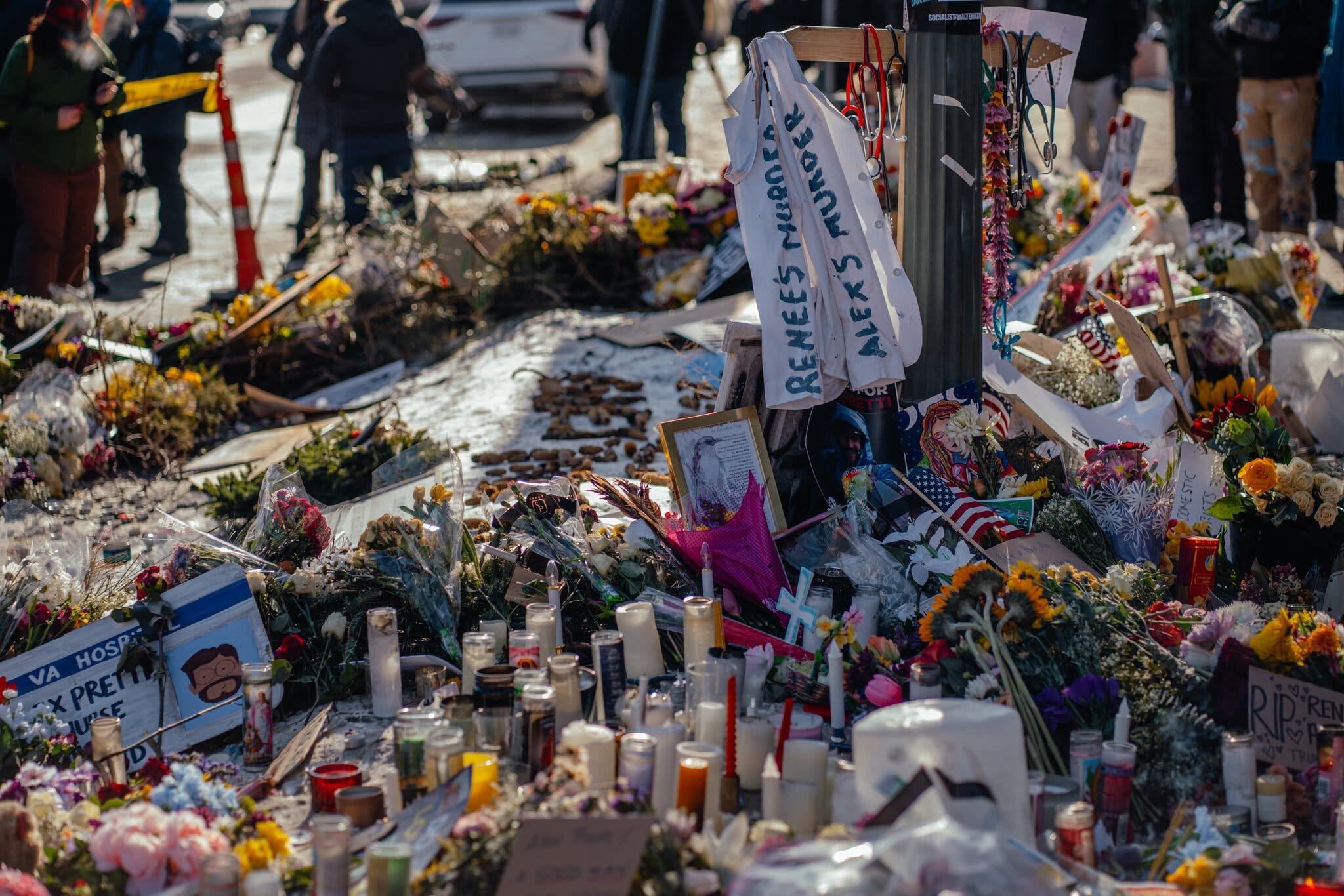
The Precedent: Tensions were already high following the killing of Renee Nicole Good by federal agents just weeks prior. Pretti, a VA nurse, became an active voice in the resulting protests.
January 13: The Inciting Incident
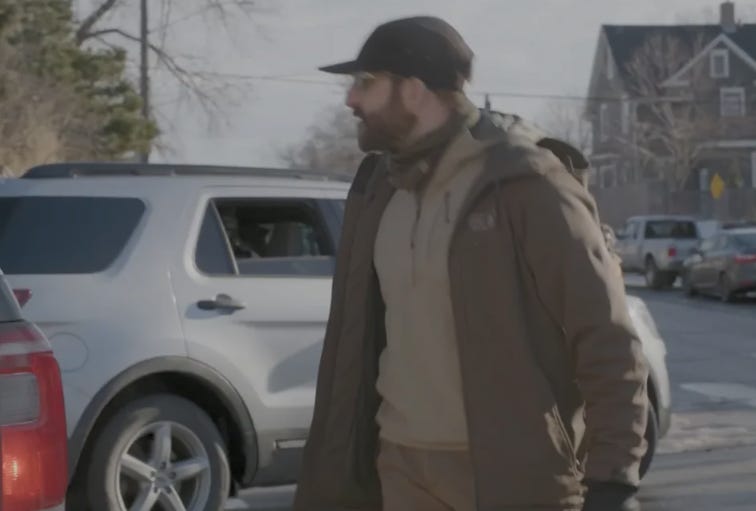
The Taillight: During a protest, Alex Pretti was filmed kicking the taillight of a federal vehicle.
The Contact: Agents tackled and restrained him. He was released without arrest, but the interaction placed him on federal radar. Video of this encounter was later released to contextualize the agency’s familiarity with him.
January 24: The Day of the Killing
8:54 A.M. Activists arrived at Nicollet Avenue. Federal agents were already staged outside Glam Doll Donuts.
8:57 A.M. As the crowd grew, bystander videos show agents preparing pepper spray.
8:58 A.M. Pretti began recording the agents. Video analysis by the New York Times confirms he was holding a phone, not a weapon, at this stage.
9:01 A.M. Agents initiated a “hard stop.” Pretti moved to help a woman who had been shoved. He was pepper-sprayed and tackled.
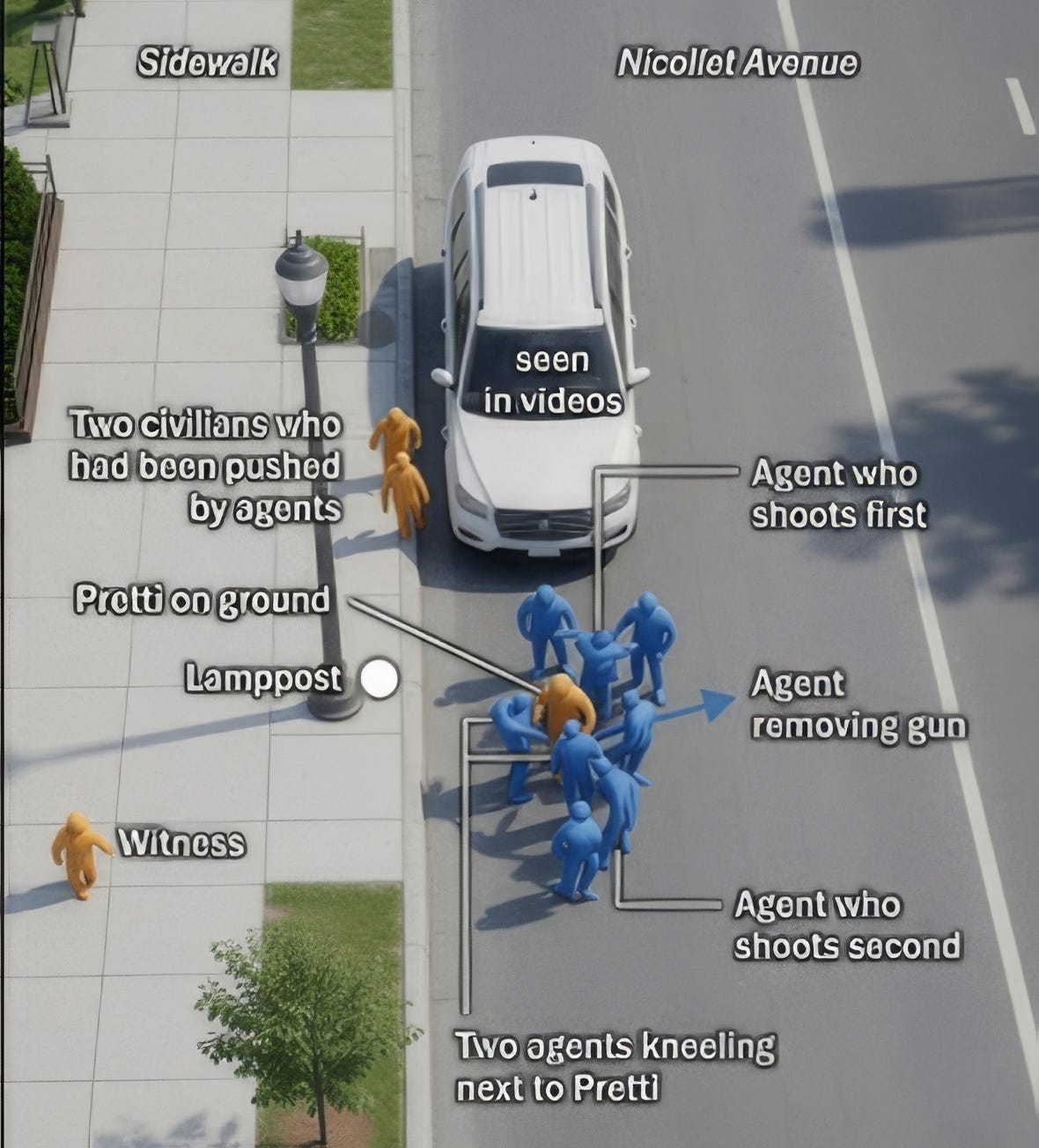
9:01:14 A.M. In the struggle, an agent removed a gun from Pretti’s waistband. Seconds later, while the weapon was secured by federal officers, ten shots were fired.
9:01:45 A.M. Pretti lay dying with wounds to his back, chest, and neck.
Part II: The Subjects (The Federal Agents)
Unlike local police shootings where officer identities are often released quickly, the federal nature of this operation cloaked the shooters in anonymity for days. We now know who they are and where they came from.
The Shooters
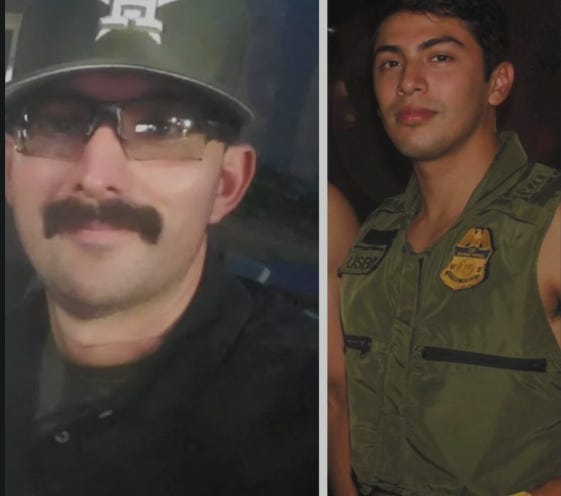
Agent Jesus Ochoa (Border Patrol): Deployed from South Texas.
Officer Raymundo Gutierrez (CBP): Deployed from South Texas.
Status: Both have been identified by ProPublica and placed on administrative leave.
The Unit
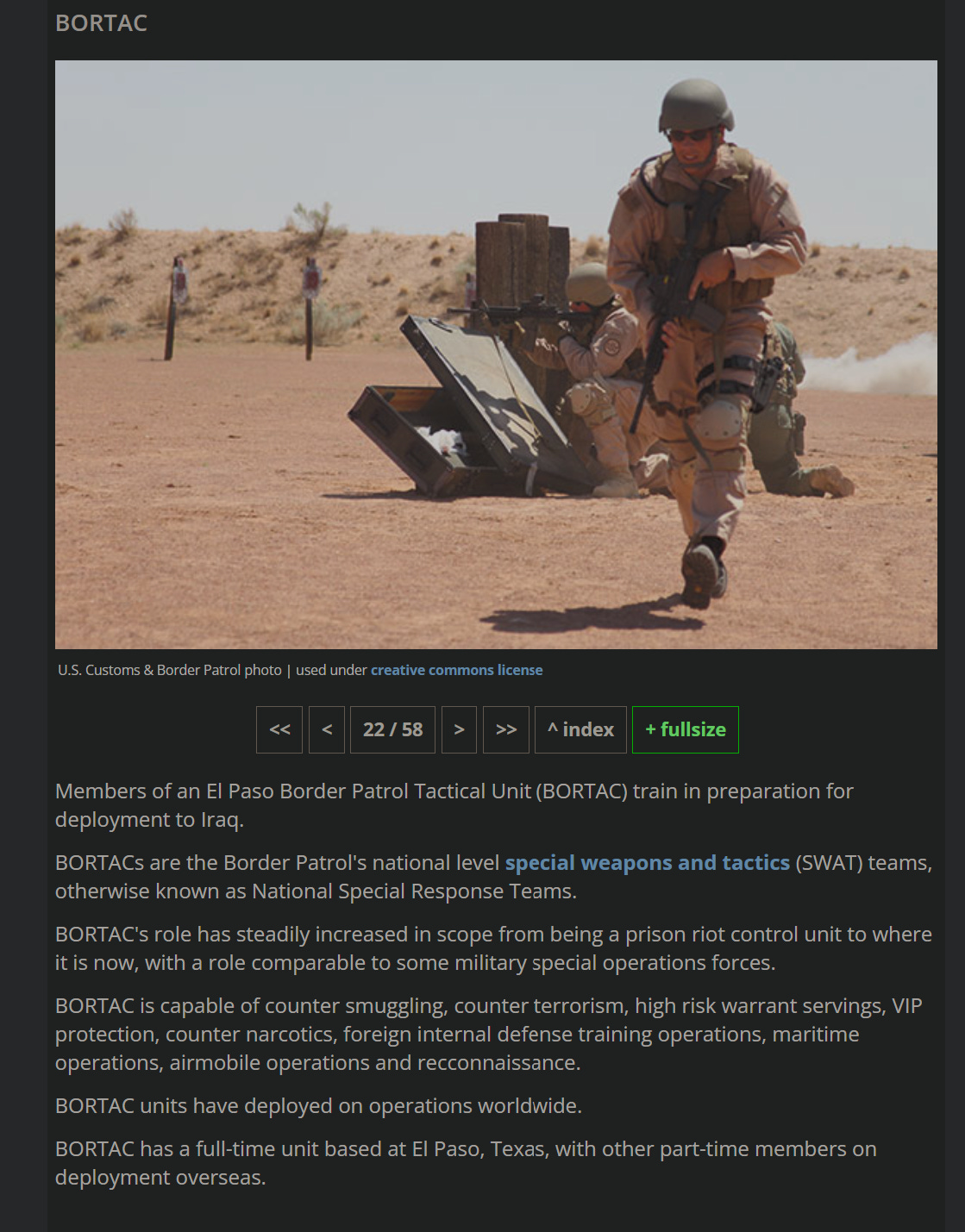
These agents were likely part of or working alongside BORTAC (Border Patrol Tactical Unit), a specialized SWAT-style team. Their training is focused on carte border security, raising questions about their suitability for civilian protest control in Minneapolis.
The “Domestic Assault” Cover
Initial reports suggested the agents were there to serve a warrant for a domestic assault suspect. This narrative has collapsed under scrutiny:
CBP does not enforce local domestic violence laws.
Local authorities could not confirm any warrant existed.
No suspect has ever been named.
Part III: The Forensics (Evidence vs. Narrative)
The official story claimed Pretti “brandished” a weapon. The forensic and video evidence tel different story.
1. The Weapon
Official Claim: Pretti threatened agents with a gun.
The Evidence: Multiple witness affidavits state Pretti never held the gun. Video footage confirms the gun was removed from his waistband by an agent before the fatal shots were fired.
The Phone: Pretti was holding his phone to record. That phone was seized by DHS immediately after the shooting and remains in federal custody.
2. The Injuries
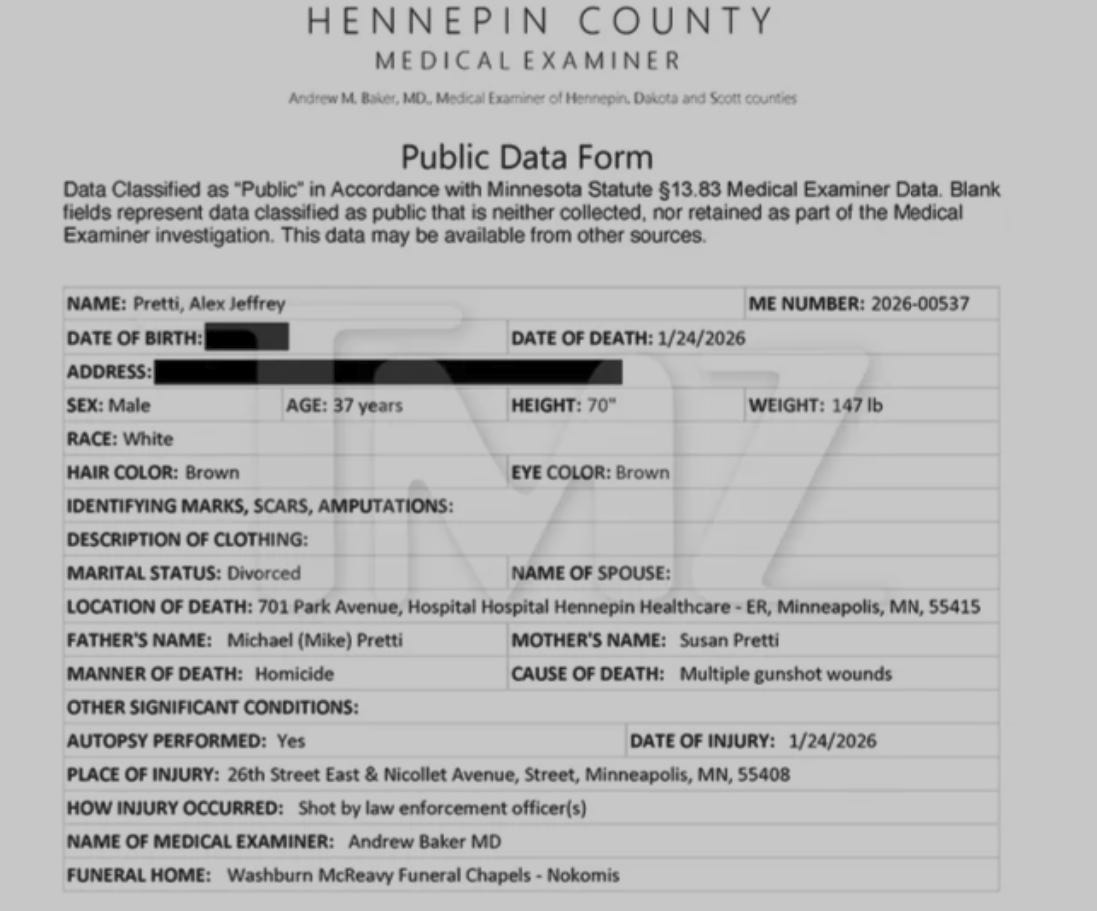
Cause of Death: The Hennepin County Medical Examiner ruled the death a homicide caused by multiple gunshot wounds.
Witness Testimony: Sworn statements describe agents counting the bullet holes rather than rendering immediate aid, a detail that—if verified—suggests a disturbing disregard for life.
3. The Tactic
The maneuver used to engage Pretti resembled a tactical “hard stop,” a military-style rapid dominance technique. Experts have questioned why such lethal tactics were applied to a man known to them only for kicking a taillight days earlier.
Part IV: The Aftermath (Silence and Scrutiny)
The killing has triggered a cascade of investigations, but answers remain guarded.
Federal Probe: The Department of Justice has opened a civil rights investigation.
Congressional Oversight: The House Committee on Homeland Security has scheduled hearings to question DHS leadership.
Body Cameras: In a reactionary move, DHS announced an accelerated rollout of body cameras for agents in Minneapolis—a tacit admission of the transparency void that allowed this event to occur.
Conclusion
The state asked for an “abundance of caution.” The record now shows an abundance of force.
Alex Pretti was a nurse, a father, and a protester. He was killed by federal agents who were operating far from the border, enforcing a mission that remains unclear, using tactics that left no room for survival. The investigation continues, but the timeline is clear: this was not a random tragedy. It was a structural failure.