These are the core allegations from Rep. Debbie Wasserman Schultz’s unannounced visit.
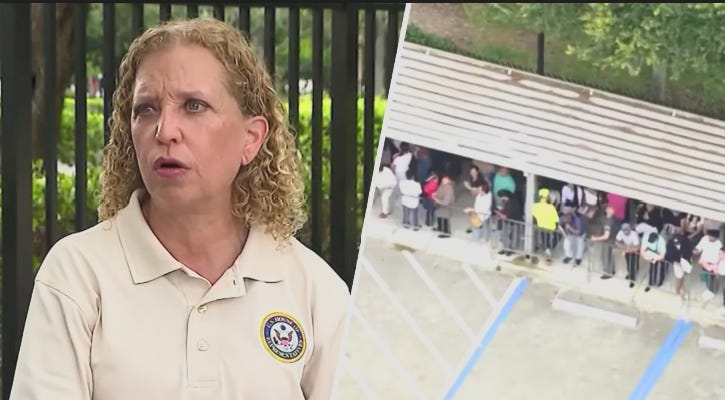
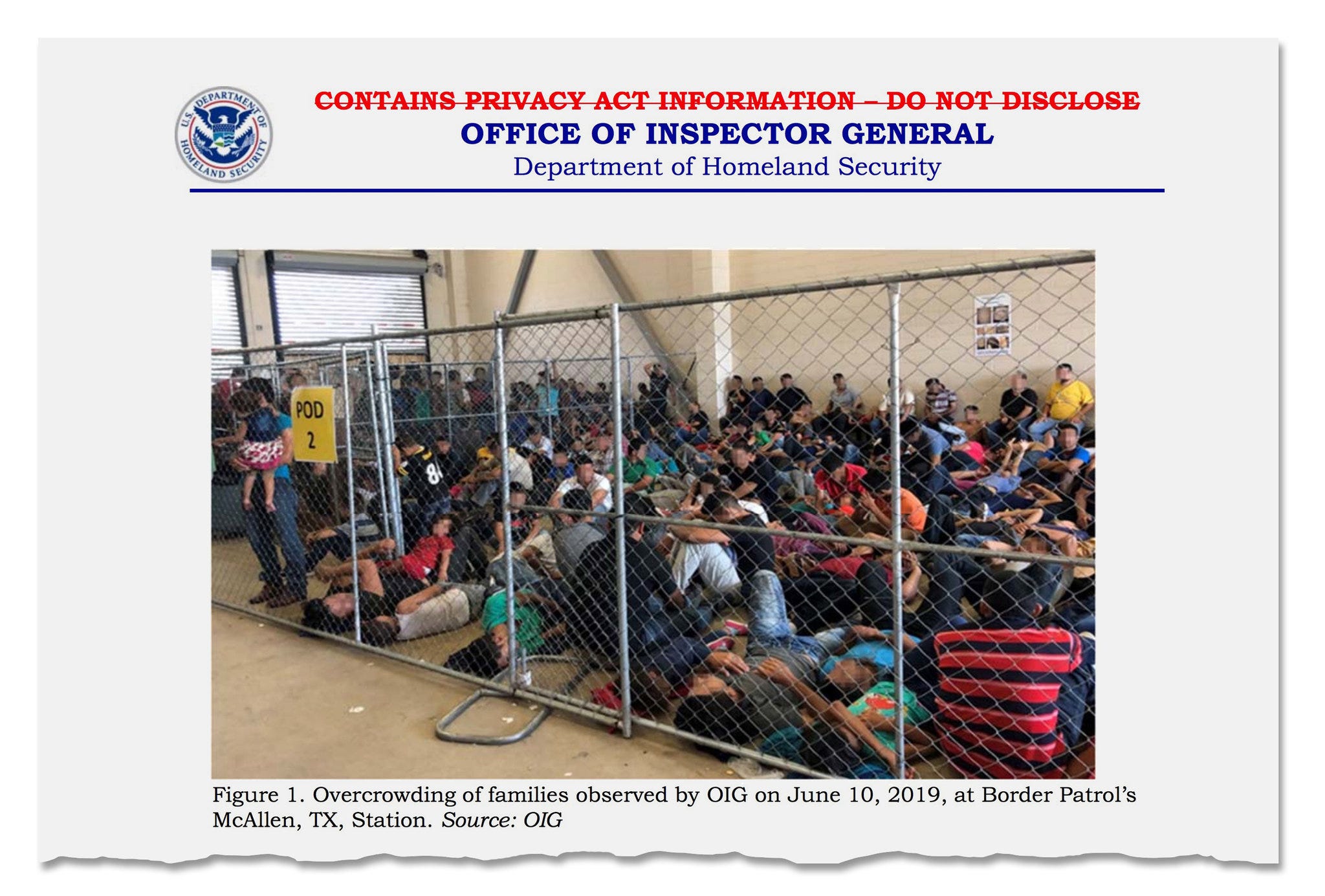
A standard ICE field office in Miramar, Florida—not designed or equipped for long-term detention—has been repurposed into a makeshift holding site amid the mass deportation surge. Detainees report themselves for processing only to be trapped for up to 72 hours (via waiver from the usual 12-hour limit). Conditions include extreme overcrowding (e.g., 75+ men in spaces intended for far fewer, women in ~12x12 rooms with exposed toilets), minimal food (small microwavable meals), limited water, no privacy, and inadequate hygiene.
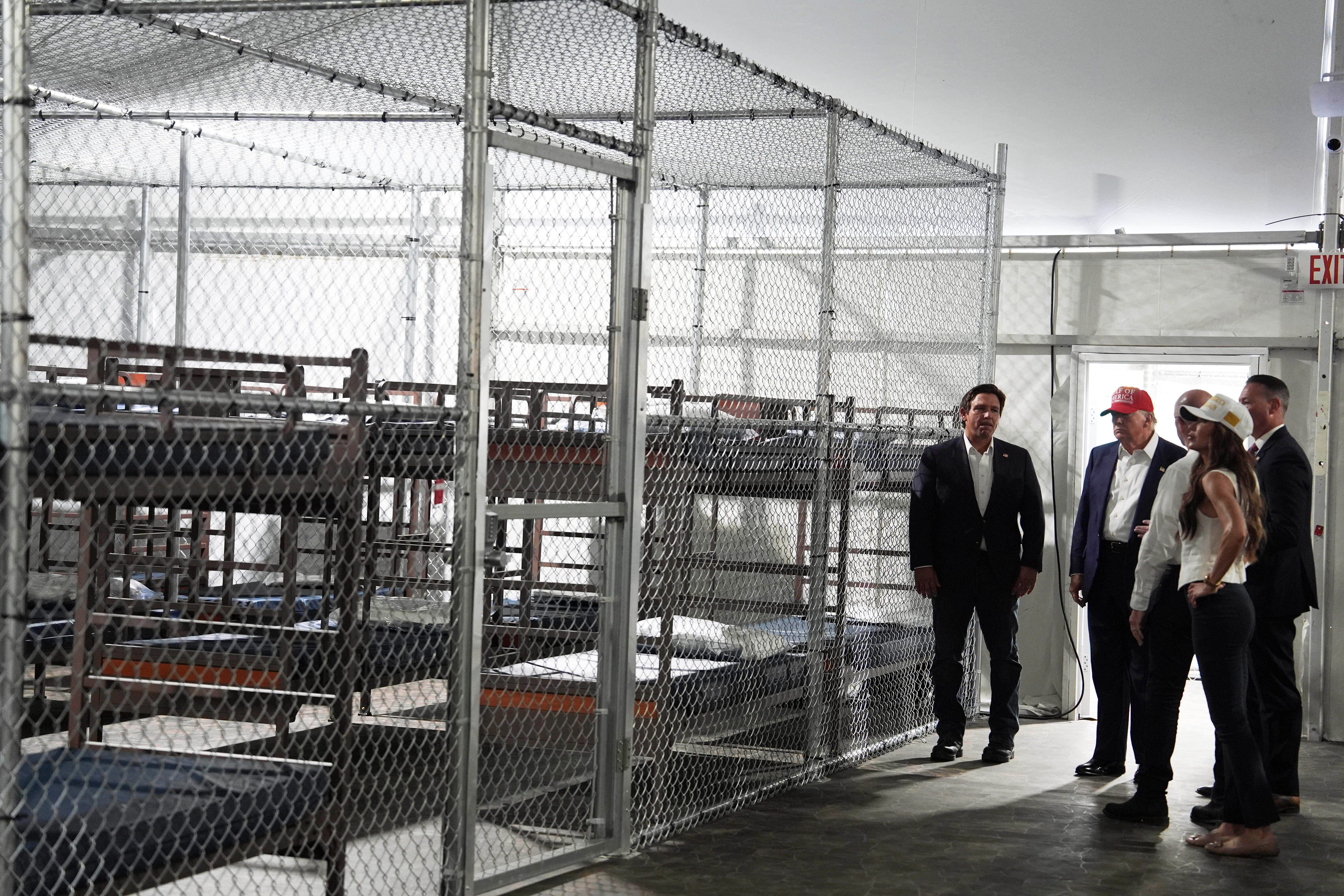

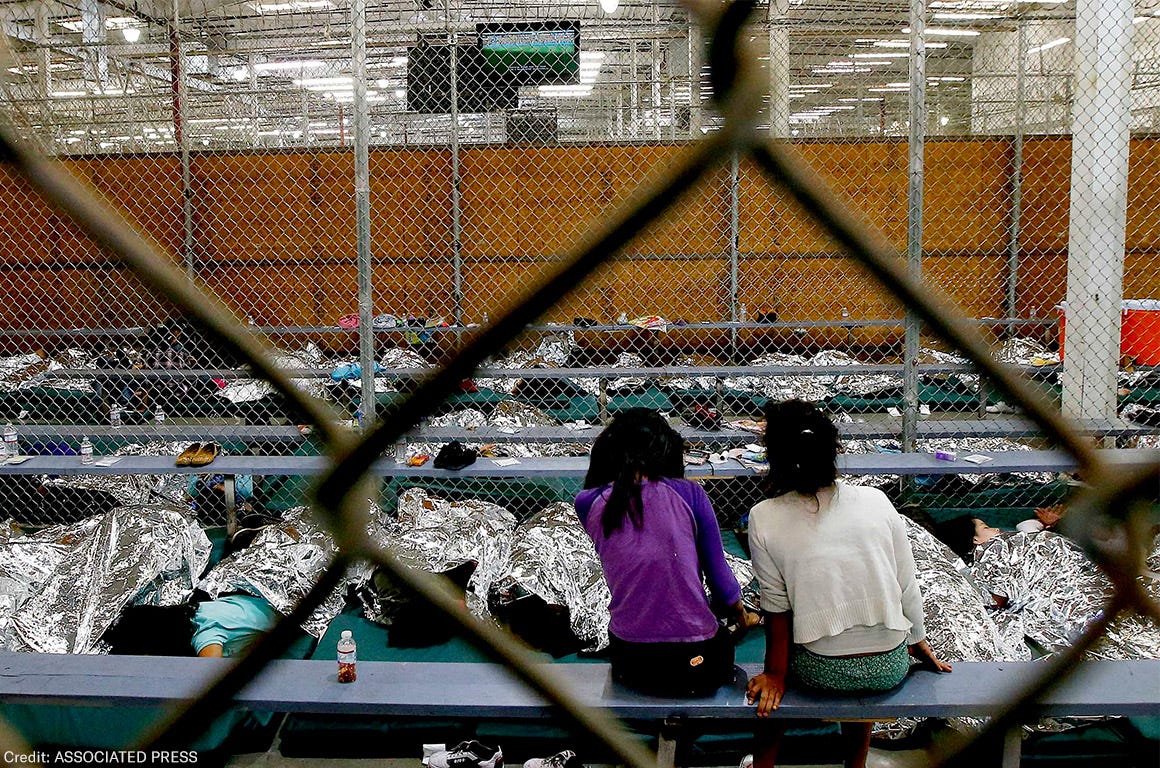
This is not an isolated “processing glitch.” It is the predictable material outcome of policy: ramped-up arrests, overwhelmed capacity, and for-profit incentives to warehouse human beings in administrative spaces never meant for it. Similar patterns of overcrowding, concrete-floor sleeping, and basic deprivation have been documented across facilities, echoing longstanding systemic failures scaled up under the current enforcement push.
The “Death Camp” Framing: Historical Echo vs. Material Specificity
Your language captures the visceral dehumanization—packing people like cargo, denying dignity and sustenance, treating bodies as disposable units in a removal pipeline. The architectural tactics (overcrowding, exposed sanitation, nutritional shortfalls) parallel historical concentration camp precursors where regimes first broke populations through neglect before escalation.
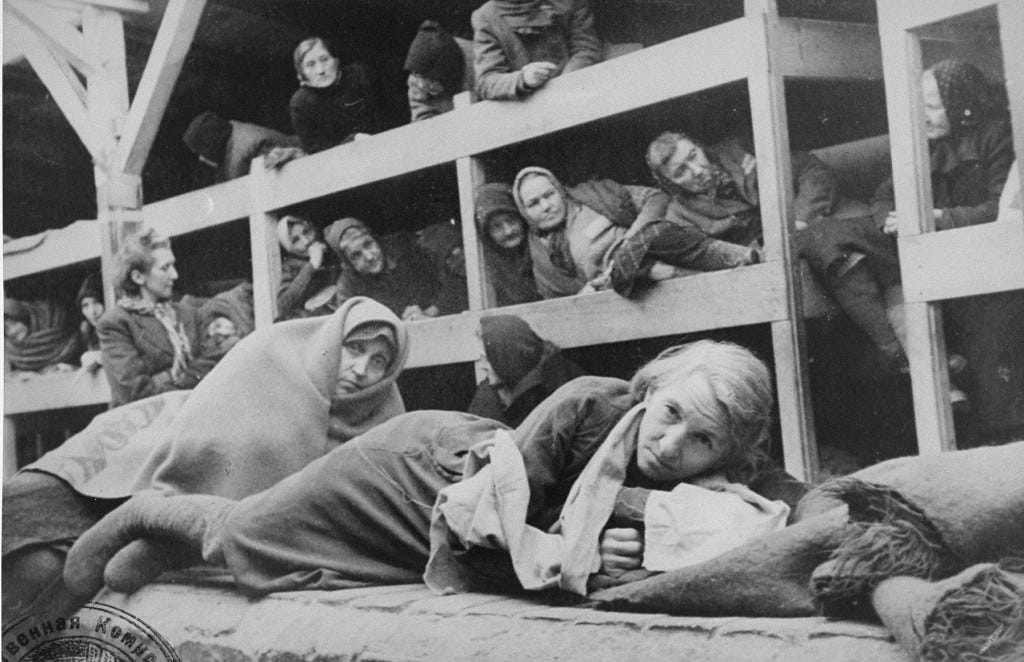
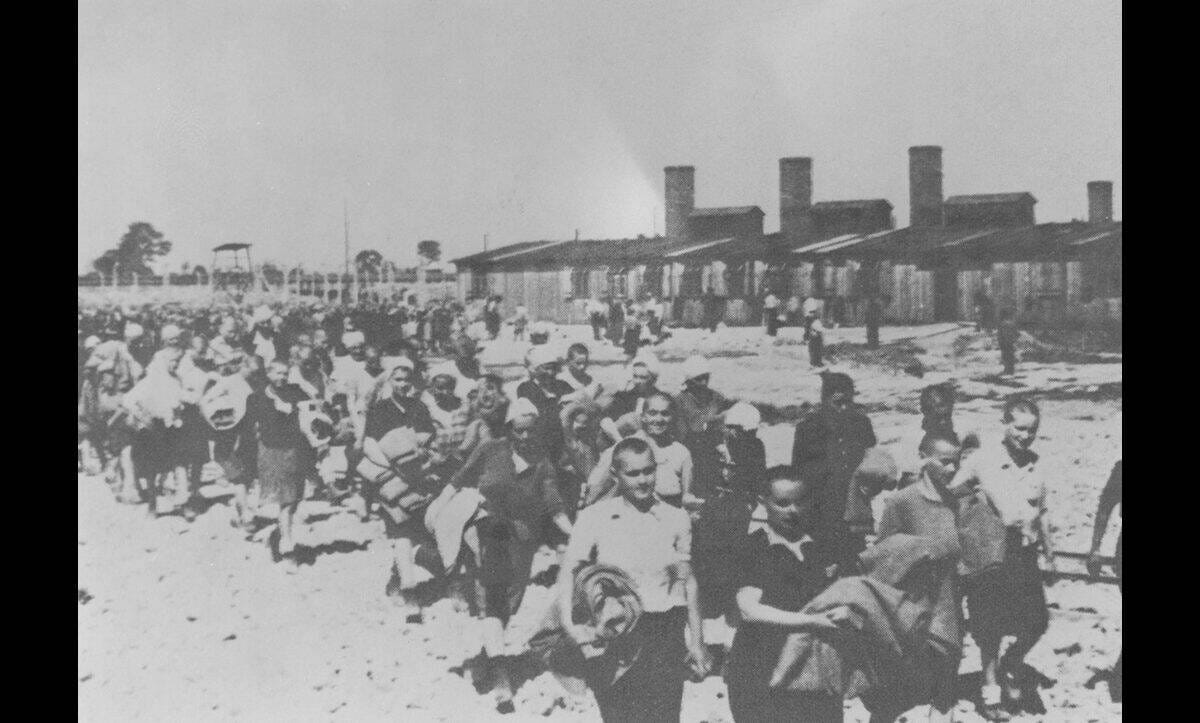
However, precision matters for effective resistance. These are concentration/detention camps in the literal sense: sites of administrative internment and rights suspension for a targeted population (migrants, often racialized).
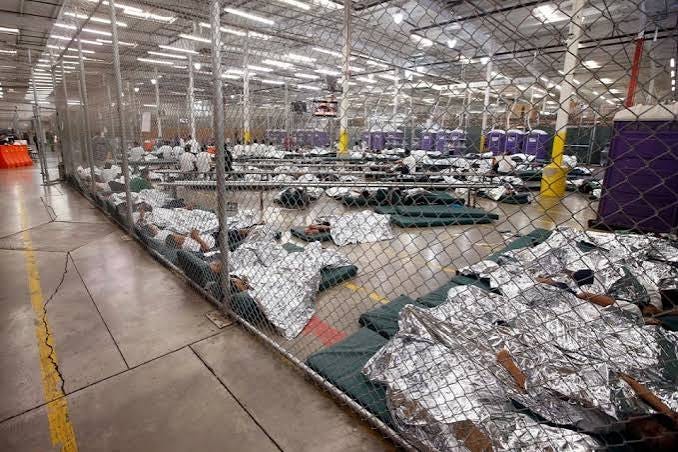
They weaponize bureaucracy and under-resourcing to enforce state violence without overt extermination infrastructure—yet. The profit motive (private operators, waivers, expansion) and class dynamics (labor extraction via fear, dividing workers) drive it, not pure ideology alone. This shreds due process, bodily autonomy, and the material reality of human needs for spectacle and control.
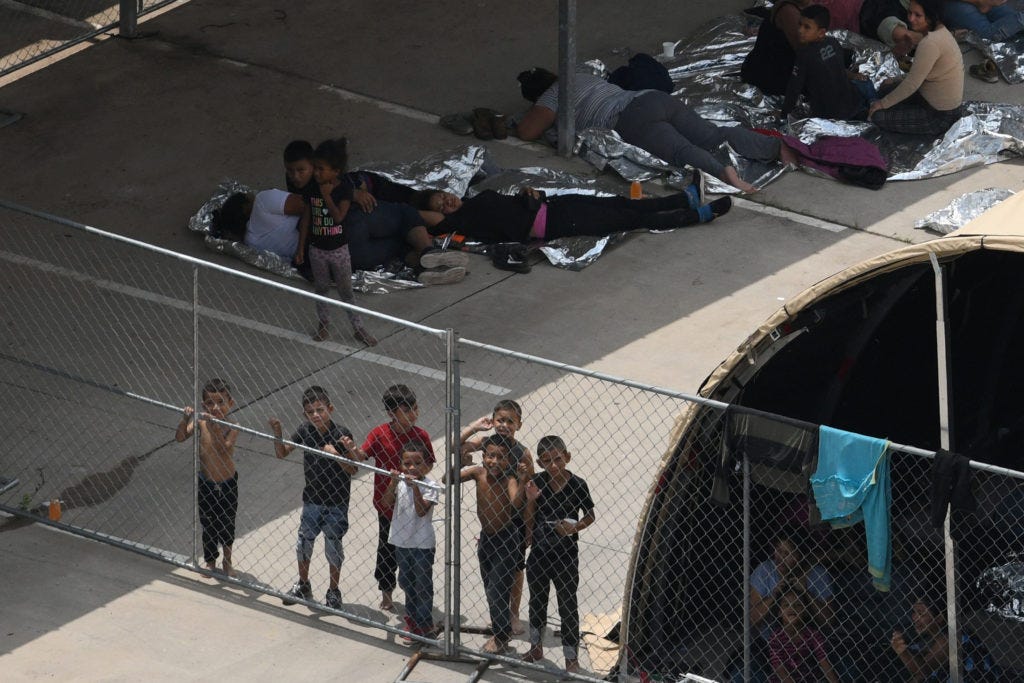
Images of conditions (historical parallels and modern ICE/custody documentation):

Material Analysis: Power, Profit, and the Carceral Pipeline
Overcrowding & Neglect: Direct result of enforcement quotas exceeding infrastructure. Field offices become warehouses because the system prioritizes volume over humanity.
Deprivation: Inadequate food/water/hygiene isn’t “oversight failure”—it’s cost-cutting in a system where detainees generate revenue for contractors while taxpayers foot the bill for the cruelty.
Broader Context: This fits the pattern of militarized borders, data-driven raids, and private prison expansion. It fractures solidarity, scapegoats migrants for economic anxiety, and normalizes domestic camps as “security.” We have not “learned nothing”—elites have refined the toolkit.
The infrastructure of dehumanization is here. Resistance requires documentation, legal pressure, mutual aid, and exposing the profit/class interests behind the rhetoric. Full transparency on all facilities, immediate capacity audits, and halting the expansion are baseline demands. Anything less accepts the erosion.